May 2016: Party Congress Meets, but Two Koreas Do Not
While looking for possible changes to emerge from the Kim Jong-un regime, the stalemate in inter-Korean relations continues.

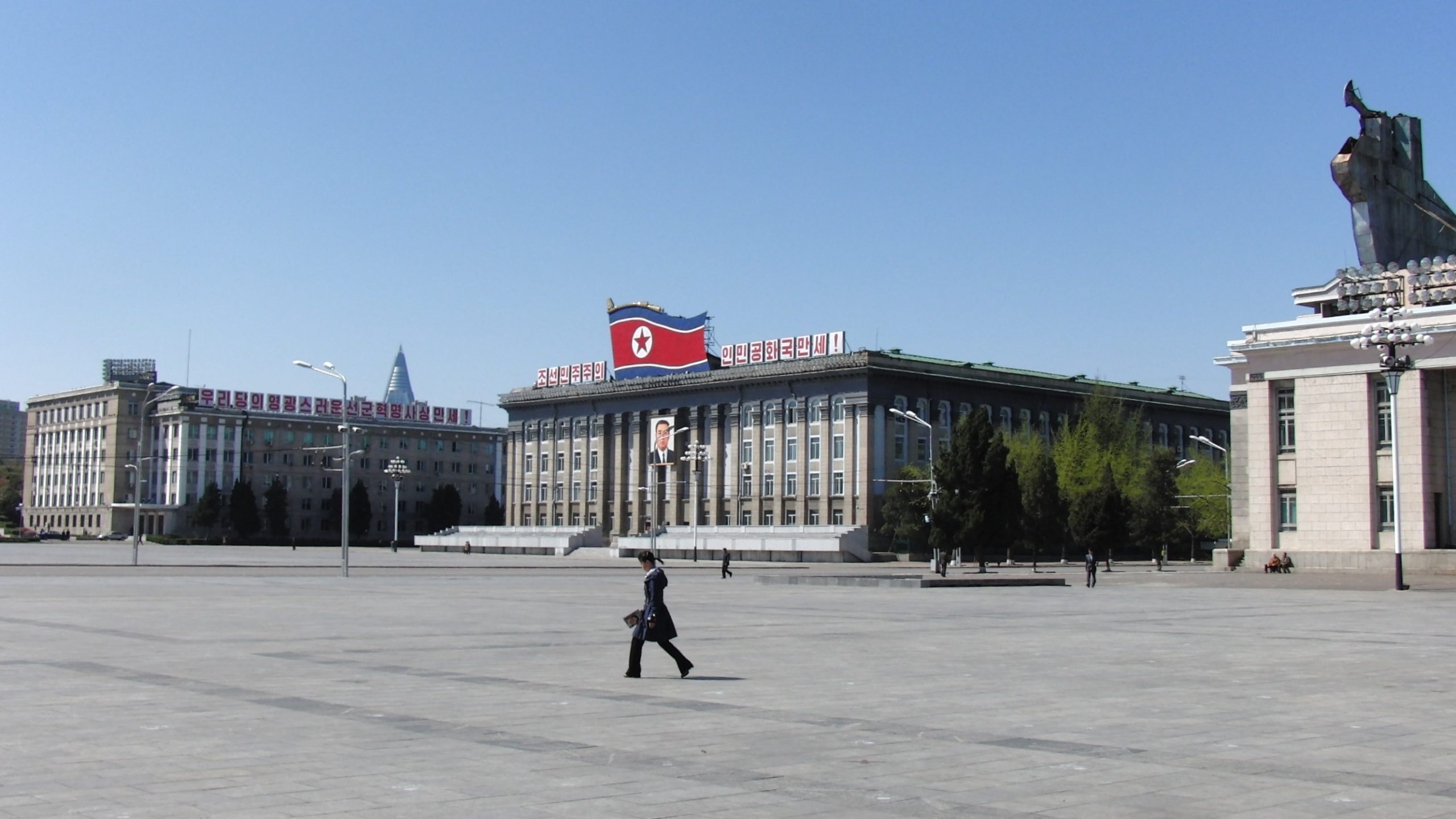
While looking for possible changes to emerge from the Kim Jong-un regime, the stalemate in inter-Korean relations continues.

With the Democratic and Republican presumptive nominees now identified, here is our comprehensive list of what the two candidates have said about the Korean peninsula since the beginning of the race.
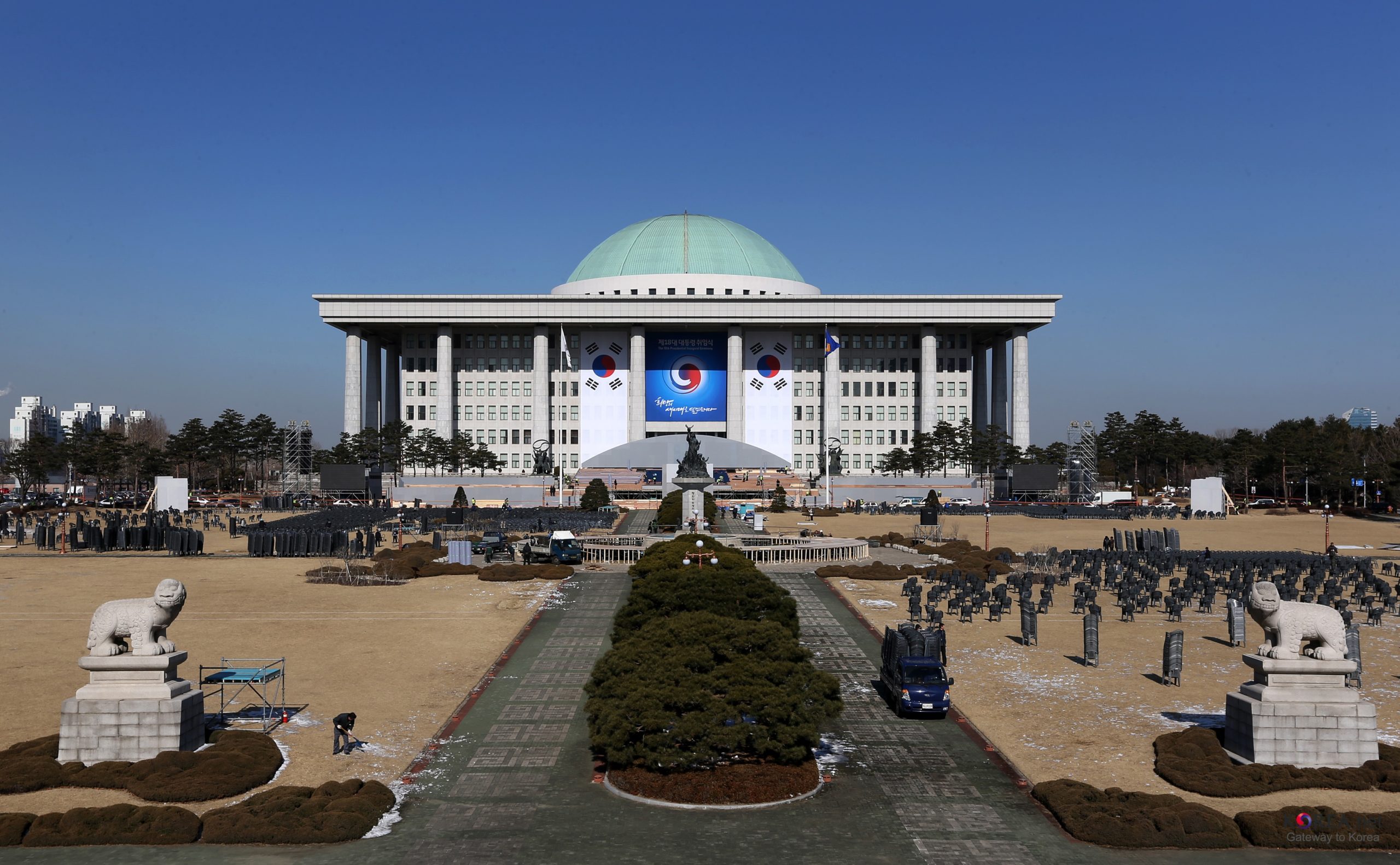
Like many Korean dramas that have earned popularity across different continents, this election was full of dramatic turnovers that made Korea experts on the other side of the world, in Washington, D.C., surprised and excited as well.

In many ways the Korean election could not be more different than the one currently underway across the United States.
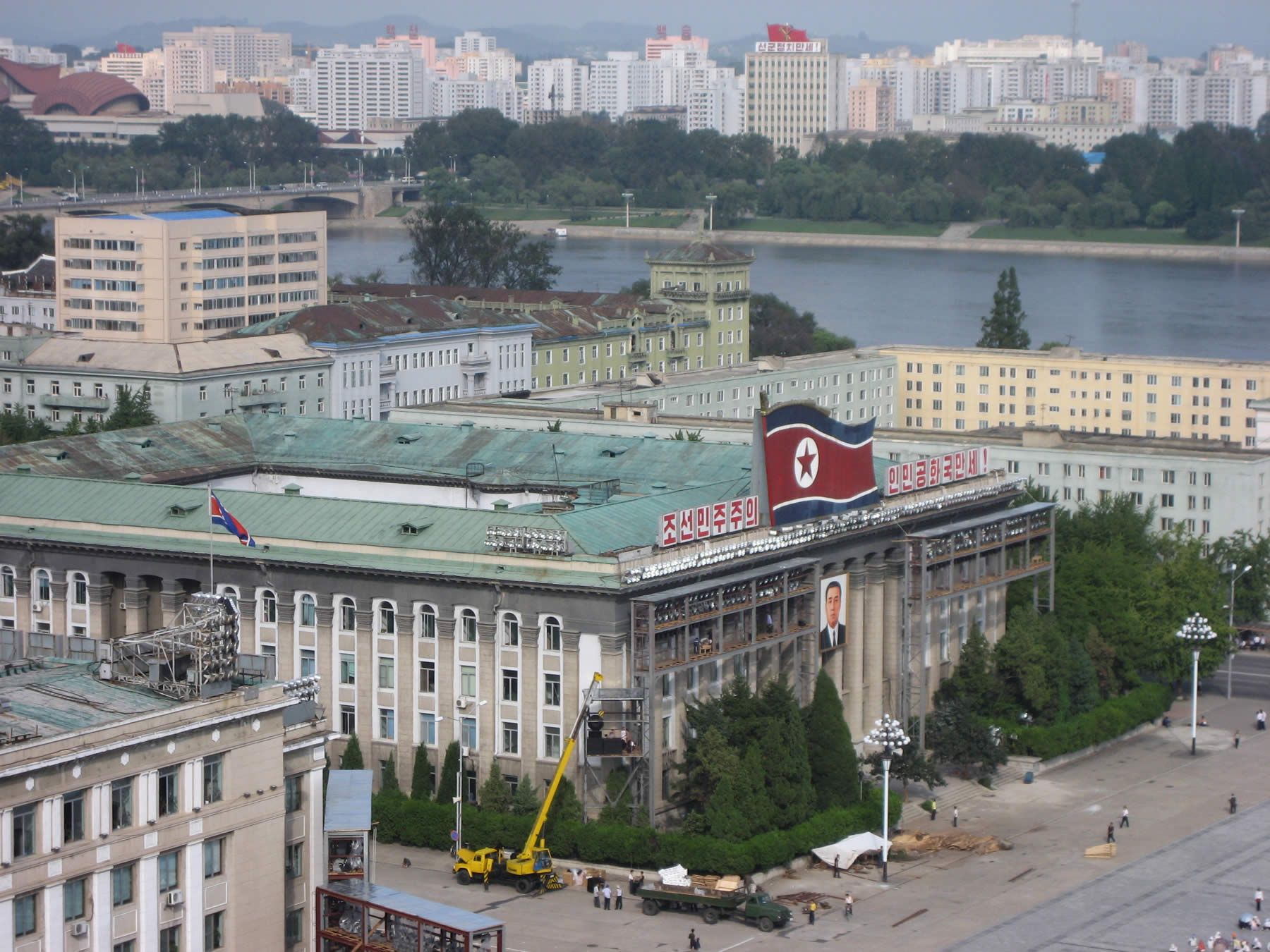
In last night’s CNN-Telemundo Republican debate, the remaining candidates got the chance to comment on the situation on the Korean Peninsula and highlight their policy for the region.
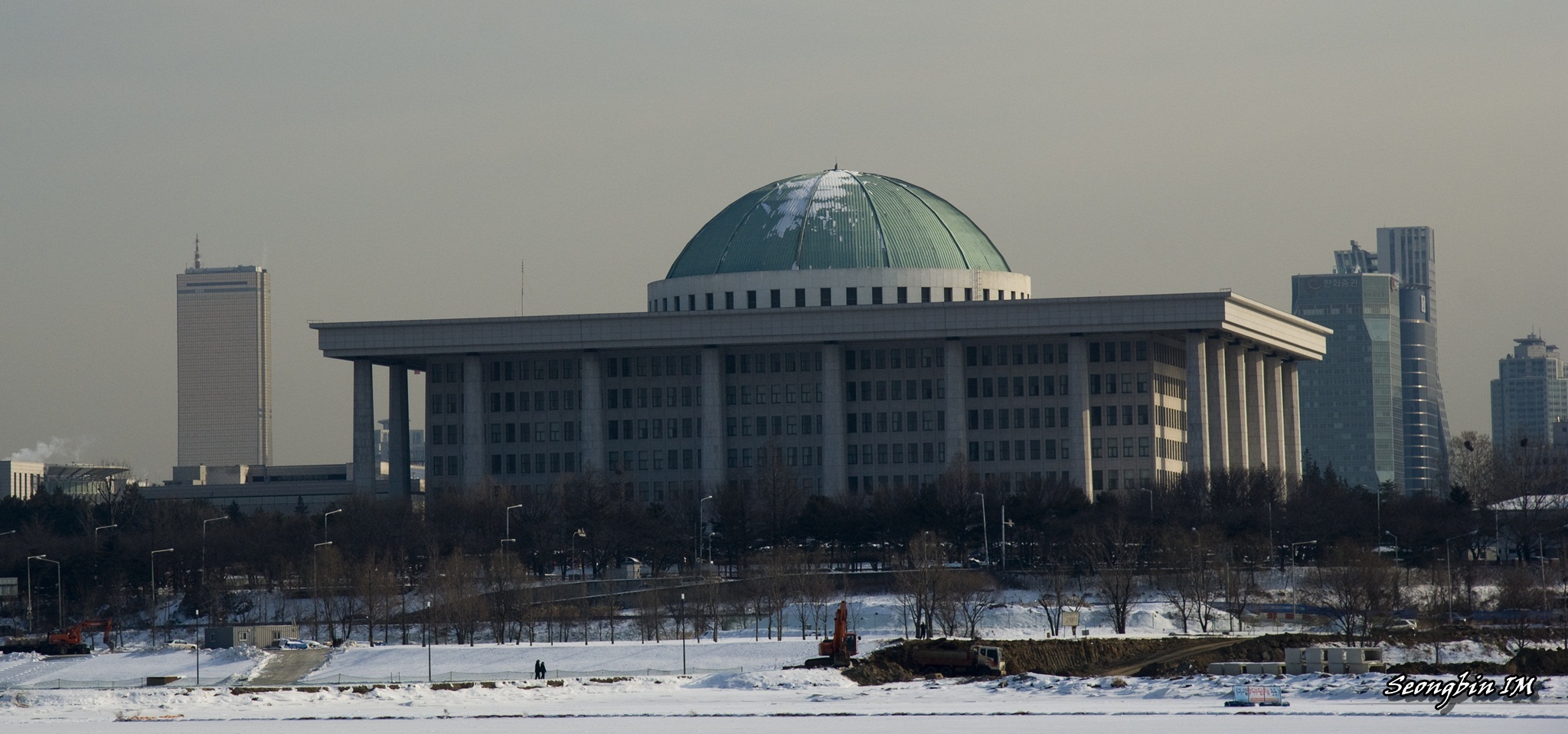
The South Korean National Assembly is currently in the middle of its first filibuster in decades, already smashing the world record for longest filibuster and still going strong.
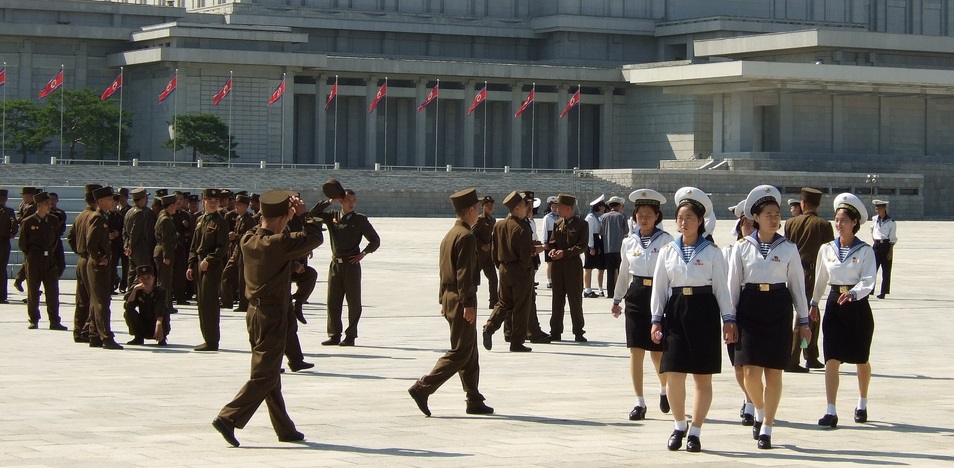
With North Korea celebrating the anniversary of its Workers Party on October 10, there was also some initial concern that the event would be marked by a missile launch or nuclear test, which would damage the possibility of the family reunions scheduled for later in the month. No missile or nuclear test occurred, and both the parade for the anniversary and the family reunions took place.

Earlier this month, three U.S. senators took on North Korea (DPRK) by introducing a broad sanctions bill aimed at addressing concerns about cyberwarfare and the North’s continued nuclear ambitions.

Earlier this year in state of the nation addresses, both presidents stressed the importance of enhancing the lives of middle class families and their centrality to revitalizing their national economies. The work-family balance is no longer a matter of individual life, but a national (even global) issue that governments and policymakers should pick up and do something about.

Still in the nascent stage of planning, a Northeast Asia Development Bank would serve as a multilateral development bank (MDB) to attract investment in Northeast Asia, specifically intending to incentivize the DPRK to denuclearize through access to external capital for development.