Presidential Hopefuls Should Book Seoul Before They Book Iowa
Would-be 2028 presidential candidates should book a trip to Seoul in 2026. Once the November midterms clear, the calendar belongs to Iowa diners and New…

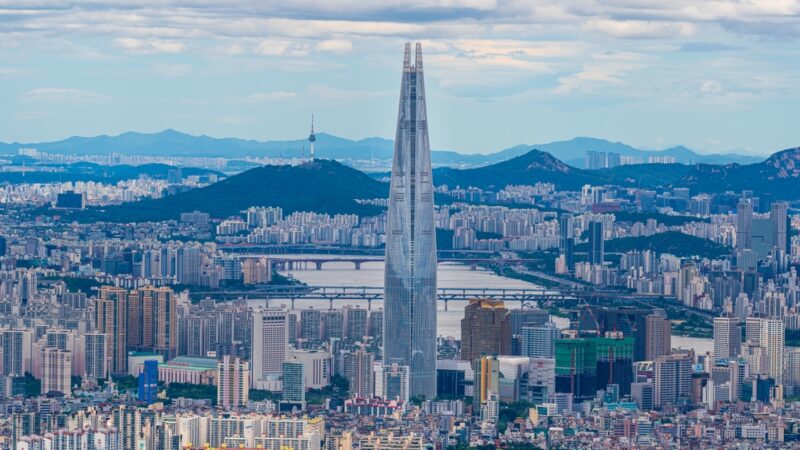
Would-be 2028 presidential candidates should book a trip to Seoul in 2026. Once the November midterms clear, the calendar belongs to Iowa diners and New…

The Yoon administration is the first in Korean constitutional history to have a minority legislature throughout a president’s tenure.
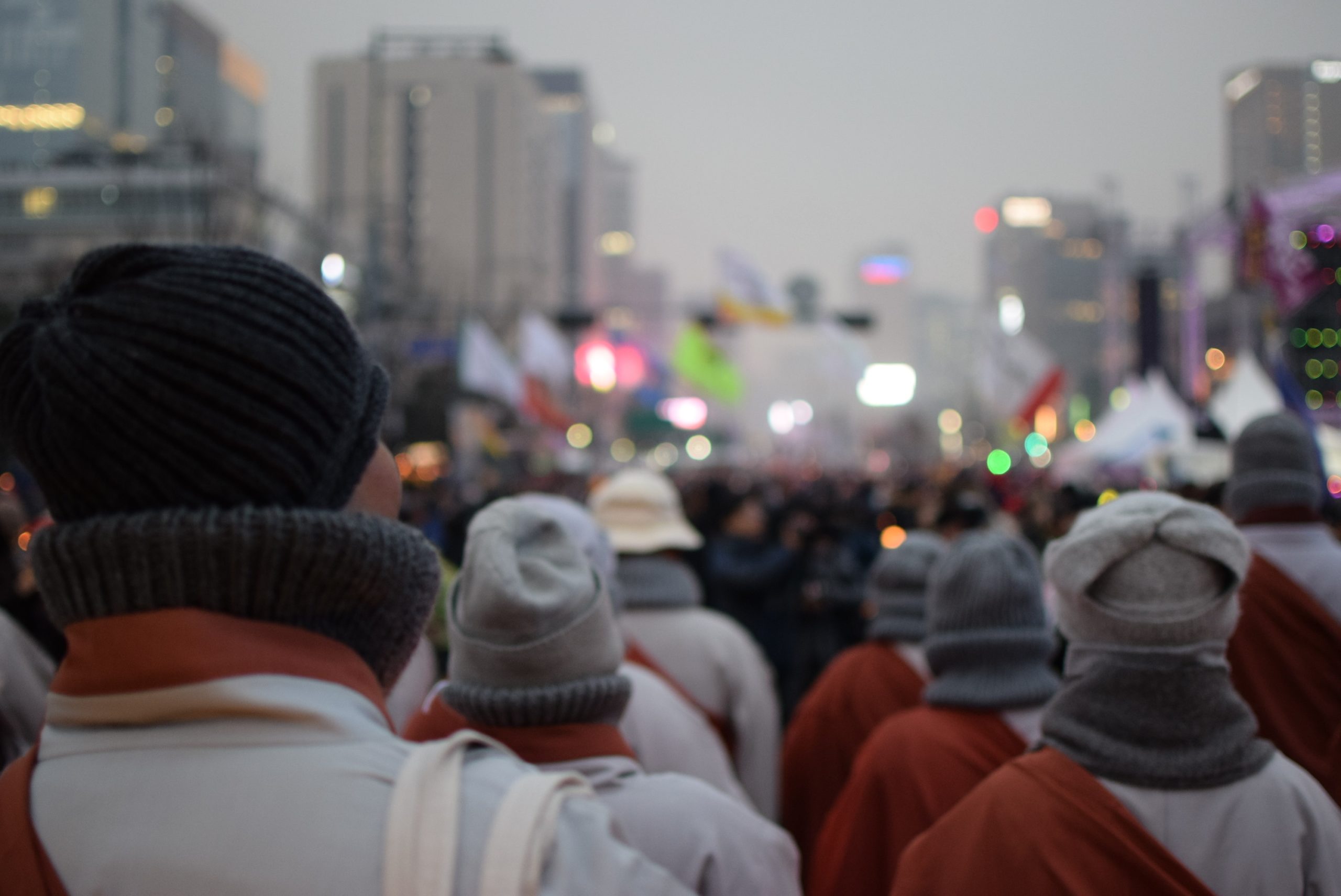
Korean voters are generally centrist. However, there is some evidience of growing political polarization, especially among partisan voters.

The South Korean government’s dual aim of promoting economic growth while pursuing carbon neutrality faces headwinds.
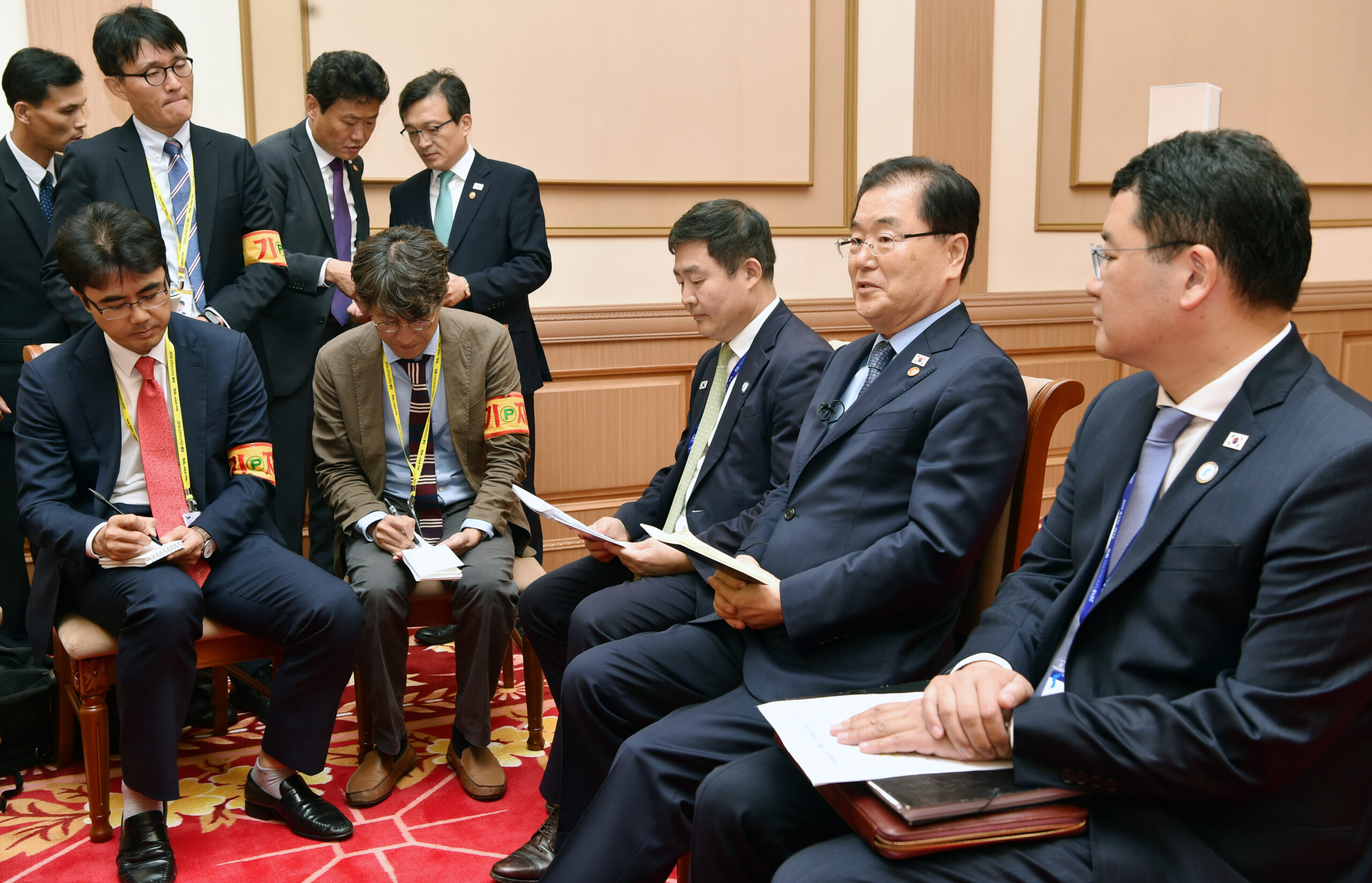
Moon Jae-in’s former special envoy to North Korea is expected to coordinate Pyongyang engagement with the Biden administration.

The outcome of this year’s legislative election subverted assumptions that voters tend to support the opposition party to check the ruling party.
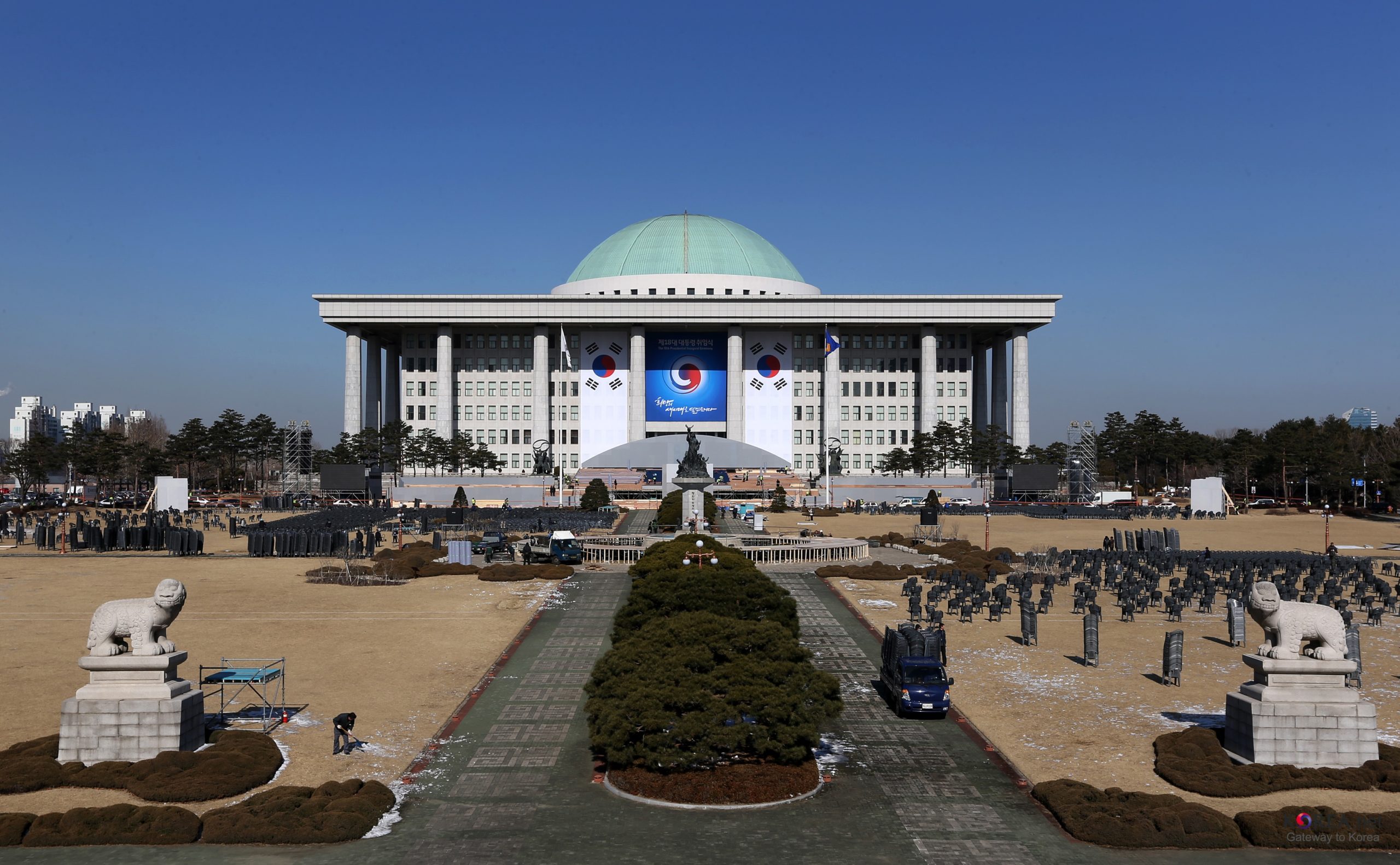
High voter turnout in the recent National Assembly election can be attributed to long-term effort to expand the pool of eligible voters.
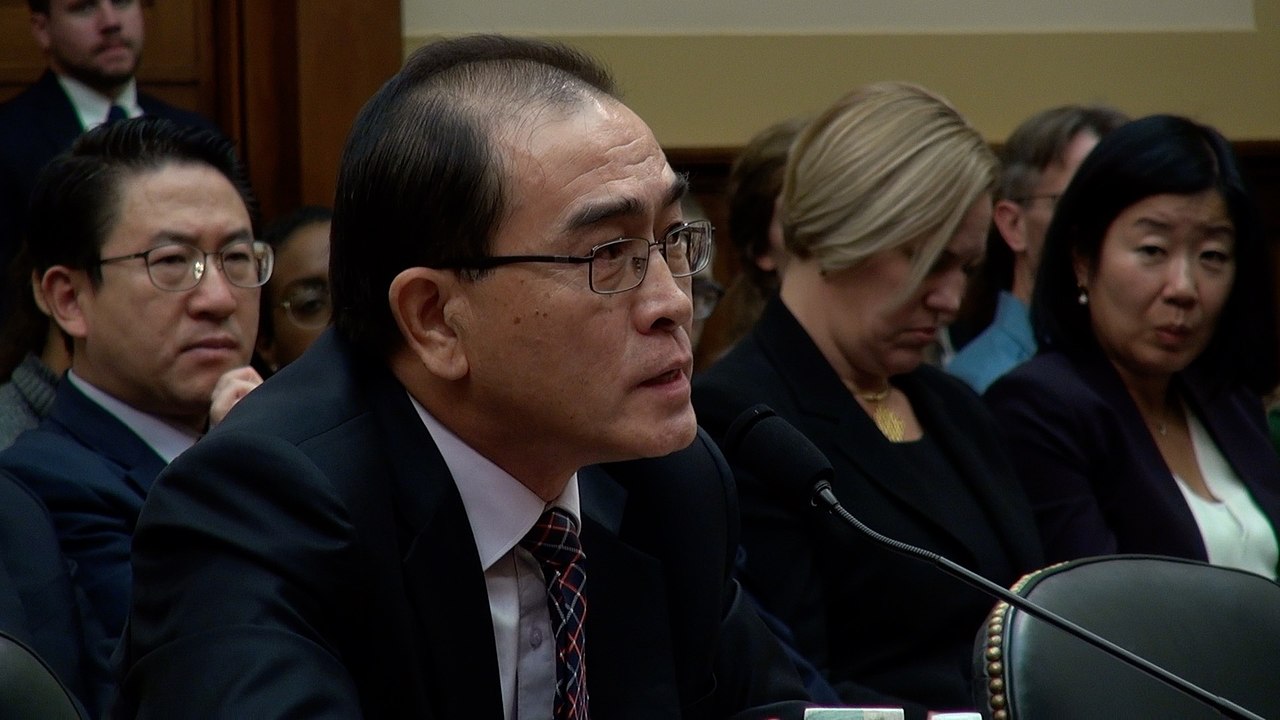
Two prominent North Korean defectors were elected to membership in South Korea’s National Assembly in elections held on April 15th.
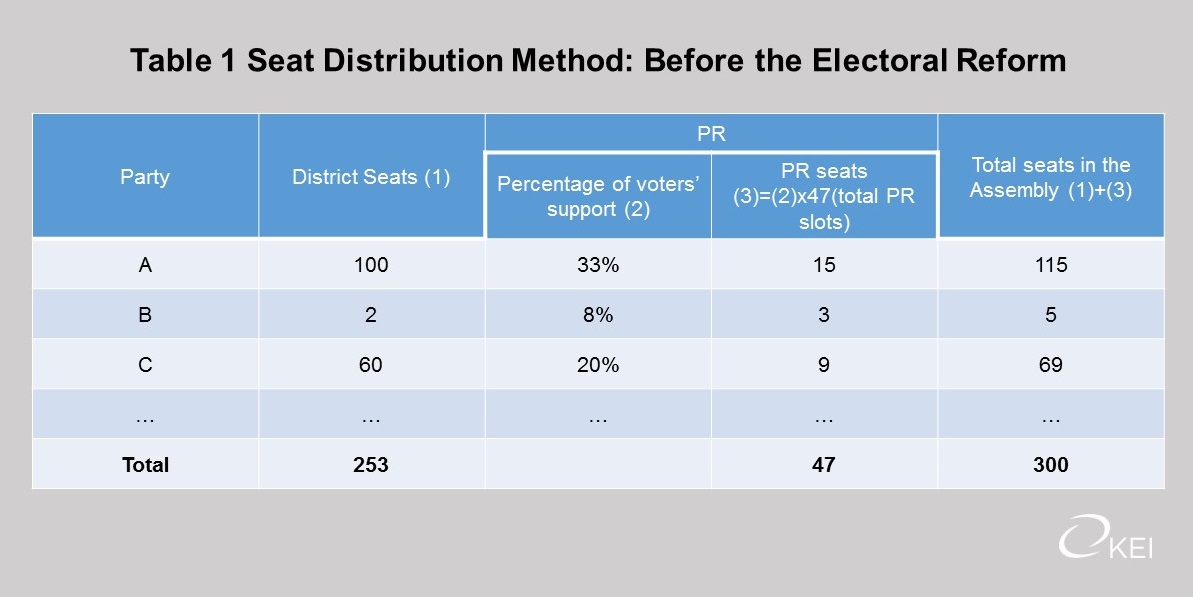
South Korea adopted a new election system for distributing legislative seats with the intention of making politics more inclusive. But will it work?
Politicians are trying to garner attention by advancing measures that would contain the coronavirus, but the impact of the virus on public opinion may be overstated.