The Trump Presidency and U.S.-Korean Relations
What can we say about U.S.-Korean relations under the Trump Administration?


What can we say about U.S.-Korean relations under the Trump Administration?
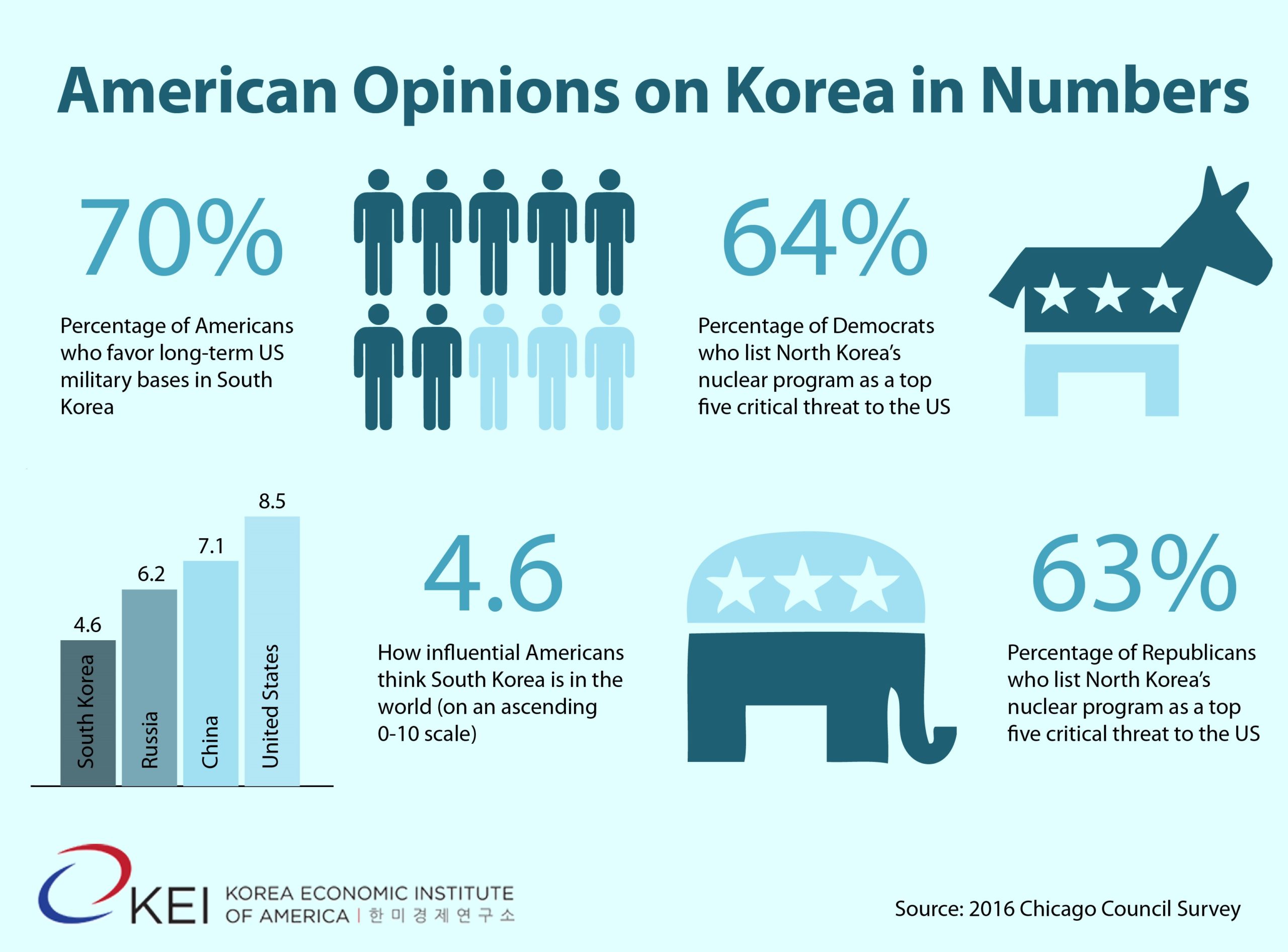
With scant information on American public opinion regarding Korea and its importance, a recent survey by the Chicago Council on Global Affairs provides valuable insights into public views.
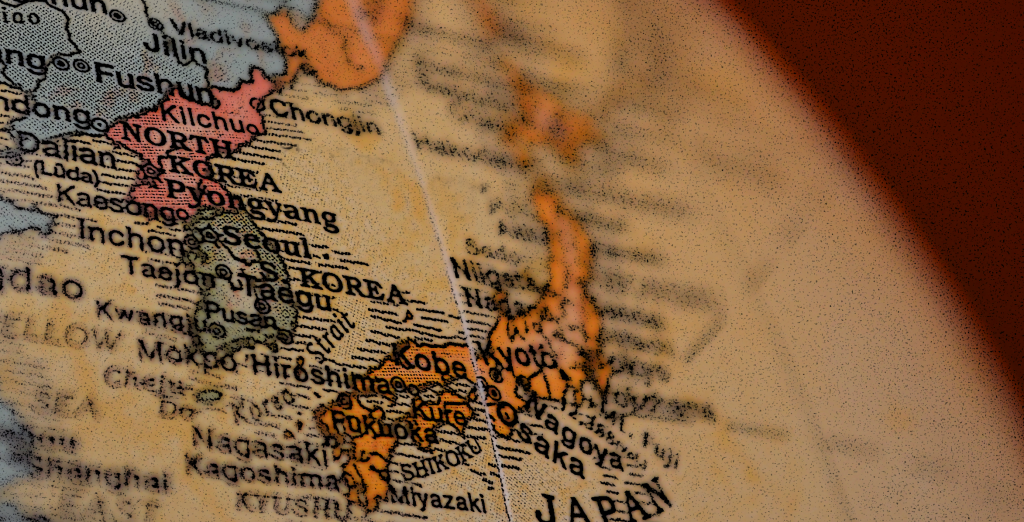
Any student of Korea policy knows “The Two Koreas,” by Don Oberdorfer. Famous both for its physical heft and its incredible detail, this book is regularly referenced as the go-to history book in Korea policy circles.
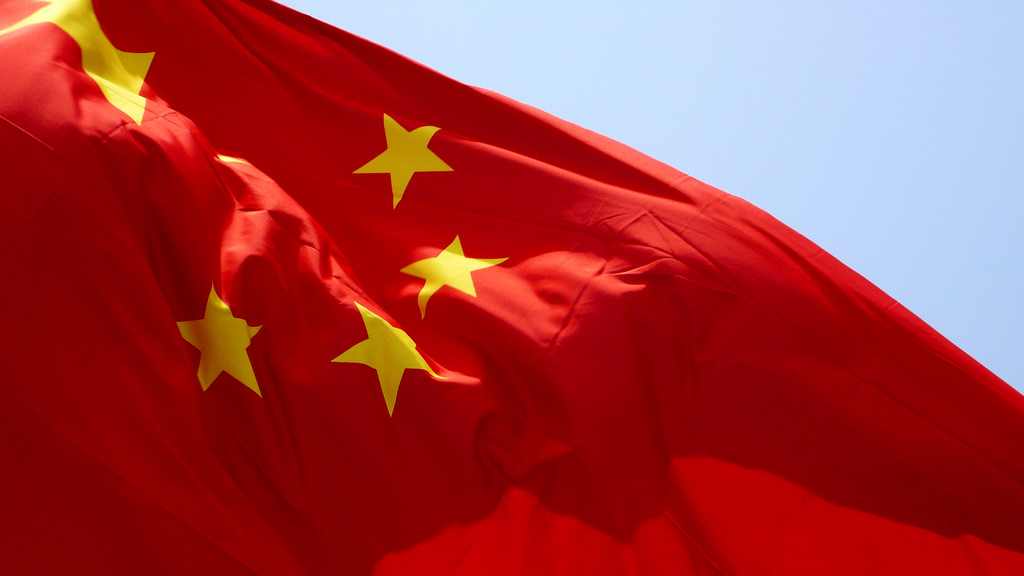
The decision to deploy a Terminal High Altitude Area Defense (THAAD) anti-ballistic missile system in South Korea has been controversial in South Korea, and predictably has been condemned by North Korea, but, judging by headlines and official statements, seems to have upset the Chinese more than anyone else.

Last week, we looked at the Republican Party platform. This week, the Democratic Party is meeting to nominate its candidate for president and vice president.

There has been much discussion in recent weeks regarding the policy implications of the respective party platforms, but both party platforms contain significant sections on foreign policy, defense, and international trade.
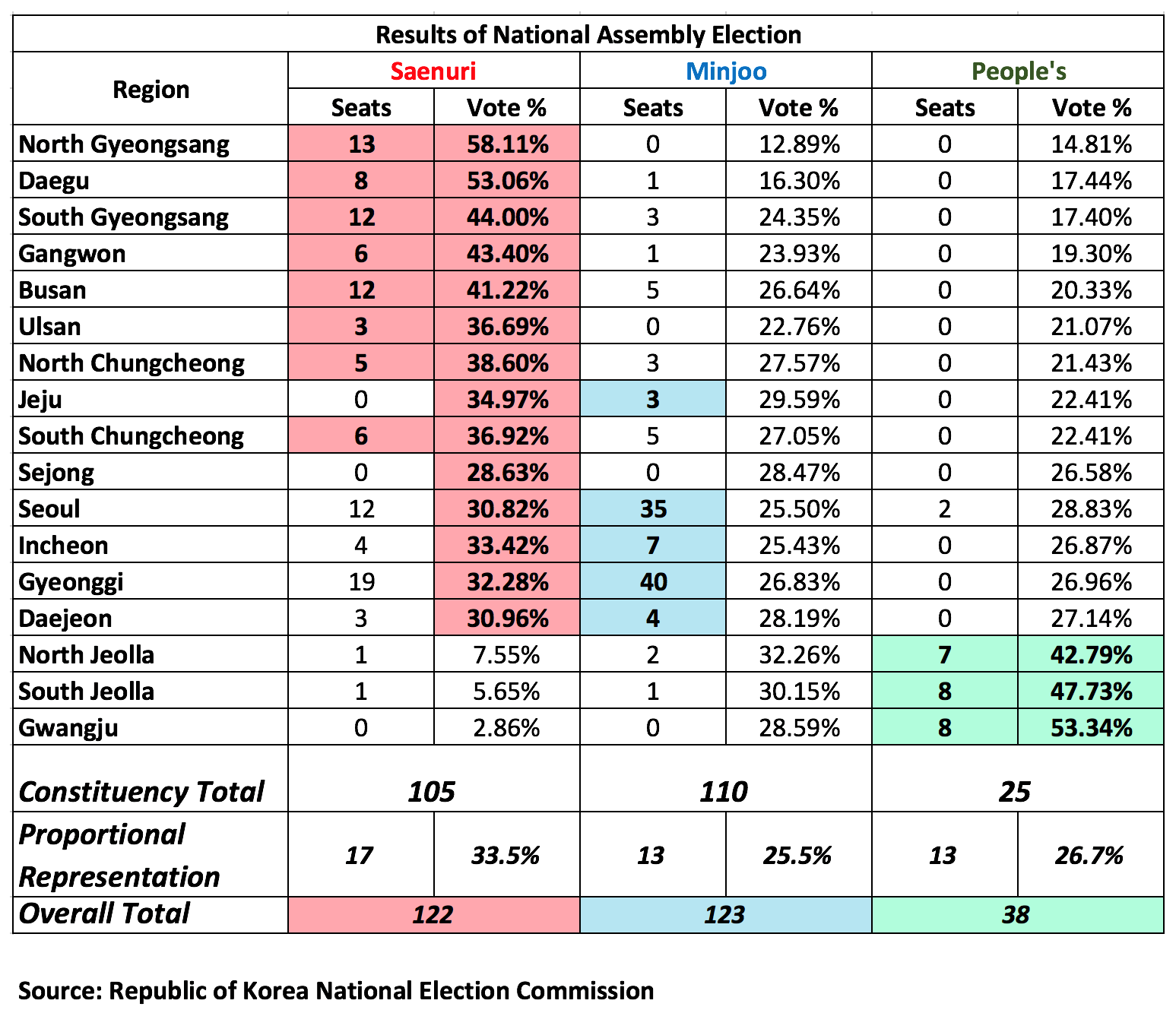
Ahn’s plans called for a wave of support from citizens at the ballot booth who identified with equality, justice, and a fresh start. This would have translated into support from people all over the nation who were tired of traditional regionalism. This simply did not materialize.

The Brexit decision marks a historic turning point that will have ramifications in expanding circles from inside the UK, to the EU, and to the rest of the world, including the United States and the Republic of Korea.

On June 16, Uganda officially kicked North Korea to the curb, asking approximately 60 DPRK troops and state security officials to leave the country. This move may be yet another sign that South Korean President Park Geun-Hye’s so-called Summit Diplomacy is working.
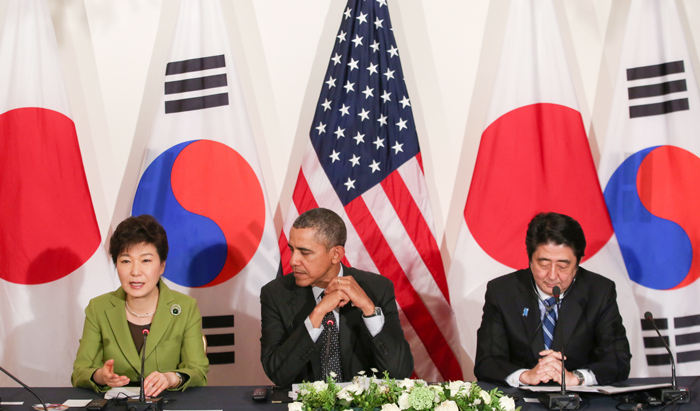
Enhanced security cooperation between Seoul and Tokyo would better protect South Korean, Japanese, and U.S. national interests in Asia. Both South Korea and Japan have extensive, highly capable militaries. Washington has strong relationships with both countries, but the third leg of the security triad—between Seoul and Tokyo—has been constrained due to bitter historic animosities and territorial disputes.