Q3 2026 U.S.-South Korea Trade and Investment Ledger
On September 30, the United States and South Korea announced the first investments under their strategic investment memorandum of understanding (MOU). “Project Star” commits USD…


On September 30, the United States and South Korea announced the first investments under their strategic investment memorandum of understanding (MOU). “Project Star” commits USD…

Yields on long-term government bonds have risen significantly in major economies during the past year. The increase in long-term yields is driven by several factors,…

South Korea has picked a Texas gas-fired power plant as the first project under its USD 350 billion investment commitment to the United States. The…
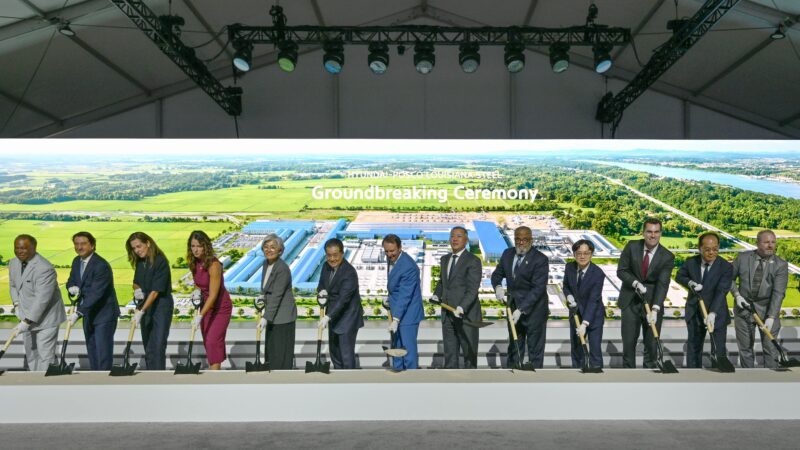
On September 4, 2026, Hyundai Steel marked the start of a USD 5.8 billion steel plant project an hour west of New Orleans in Donaldsonville,…

On the evening of June 24, 1950, Harry Truman was at home in Independence, Missouri, when Secretary of State Dean Acheson telephoned to say North…
The Country Reports on Human Rights Practices is a series of official reports published annually by the U.S. Department of State on almost all countries in the…
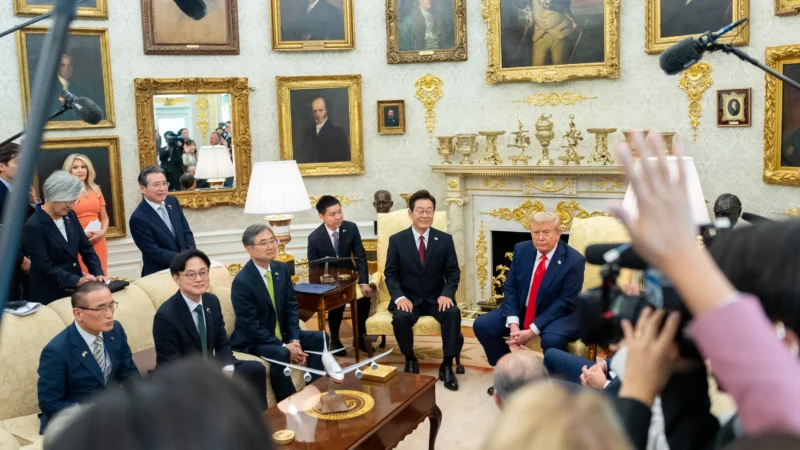
The security situation on the Korean Peninsula is once again in a state of significant flux after U.S. President Donald Trump ordered a scaling back of combined U.S.-South…

A negotiated accommodation with a nuclear-armed North Korea may become unavoidable for the United States and South Korea. But an agreement is not the same…

Since U.S. President Donald Trump’s return to the White House, speculation has repeatedly surfaced about a future meeting with North Korean leader Kim Jong Un….
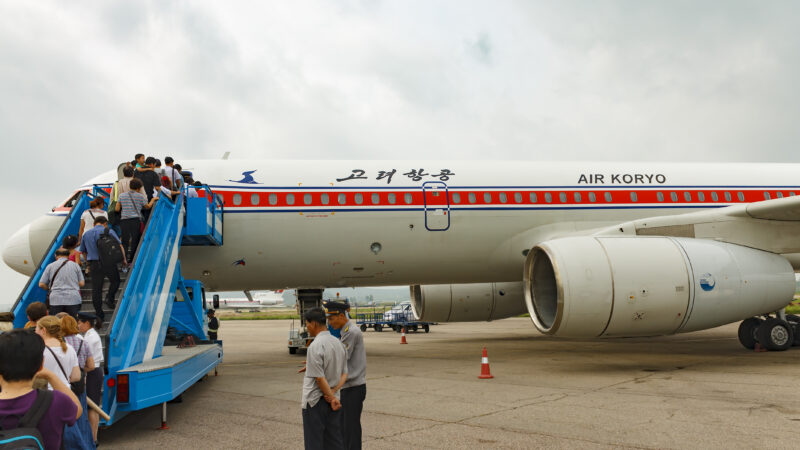
For the tenth consecutive year, the U.S. Department of State has renewed its ban on Americans traveling to North Korea, extending the prohibition through August…