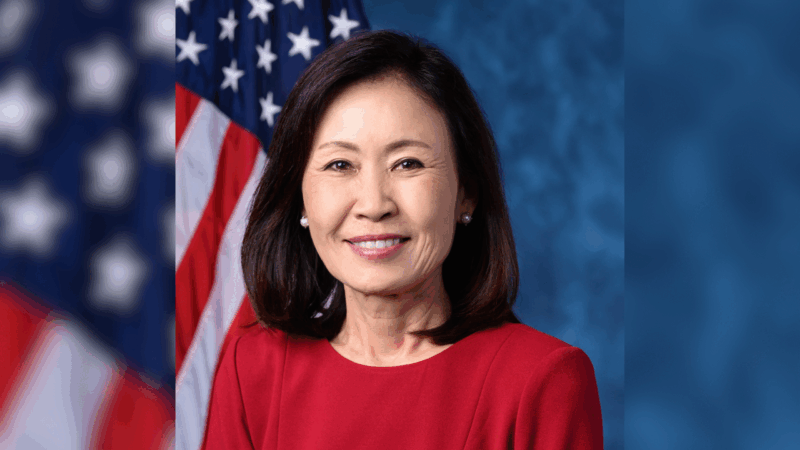
The Nomination of Michelle Steel and How the Senate Confirms an Ambassador
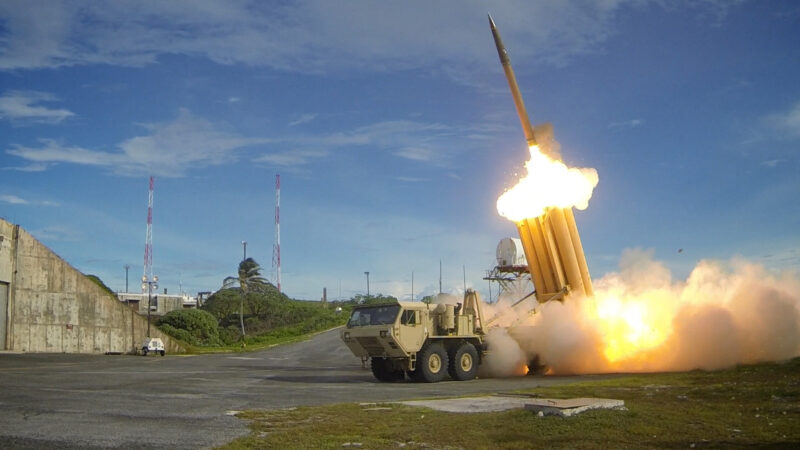
Iran’s failure to achieve nuclear latency has significant implications for South Korea and Japan’s thinking on their own nuclear strategy.

Iran’s failure to achieve nuclear latency has significant implications for South Korea and Japan’s thinking on their own nuclear strategy.
Iran’s failure to achieve nuclear latency has significant implications for South Korea and Japan’s thinking on their own nuclear strategy.
Iran’s failure to achieve nuclear latency has significant implications for South Korea and Japan’s thinking on their own nuclear strategy.

The deal may not only help Korea avoid higher tariffs, but also lower the cost of capital for strategic investments in the United States.
From alliance recalibration to the “Korea Discount,” KEI experts analyze the critical issues shaping U.S.–South Korea relations in 2026.
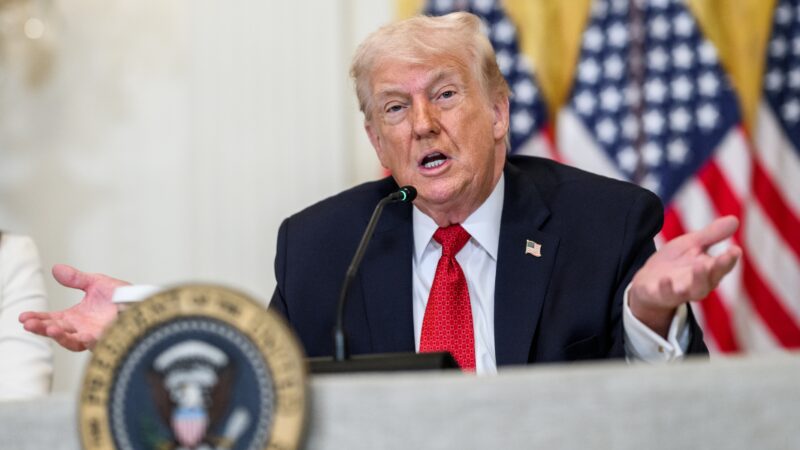
Investment commitments, tariff deals, and bilateral MOUs may now have to be completed with the caveat in mind that anything can change at a moment’s notice.
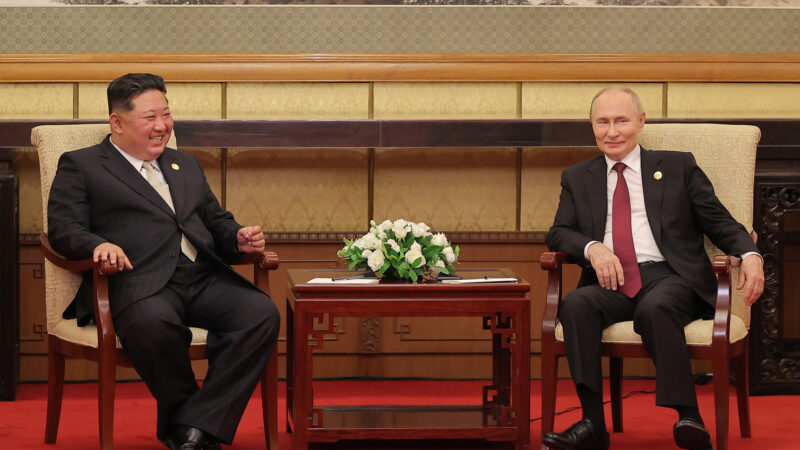
The two nations are steeped in the same ideological brew of ultra-nationalism, hyper-militarism, and illiberalism.
If Washington wants the strategic benefits that come with Korean FDI, it will need to align immigration policy with the industrial strategy it has chosen.
The Trump administration’s AI action plan appears to be a whole-of-government effort to accelerate the growth and proliferation of U.S. AI technology.
Reaching such a deal before August 1 allows Korea to compete with trading partners such as the European Union and Japan on a level playing field.