What the Japan and EU Trade Deals Mean for South Korea
Agreements shed some light on what a realistic deal with South Korea may look like, but also what South Korea may have to contend with.


Agreements shed some light on what a realistic deal with South Korea may look like, but also what South Korea may have to contend with.
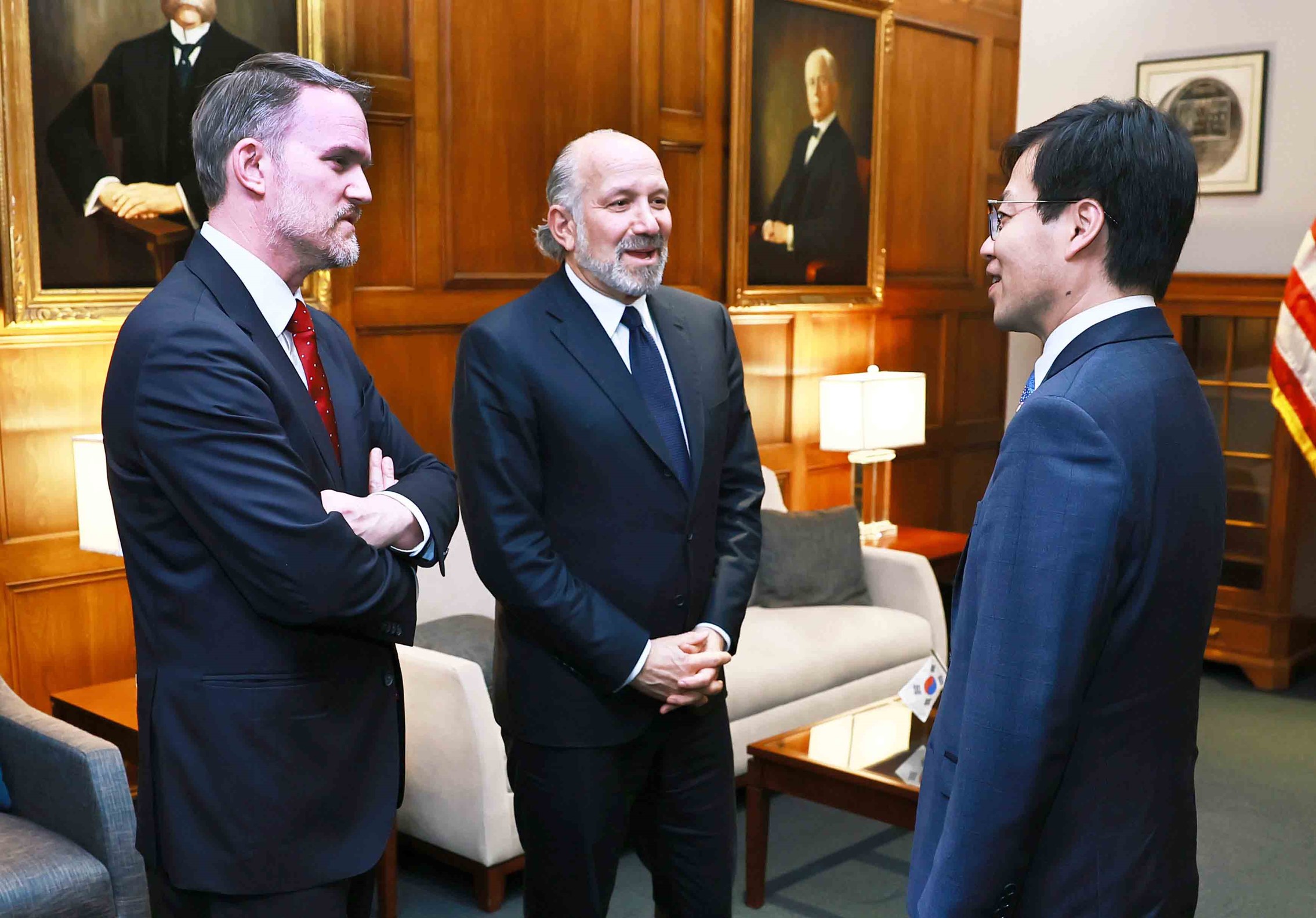
The U.S. and South Korean governments appear committed to following other countries like the United Kingdom, Indonesia, and Japan in making a deal.
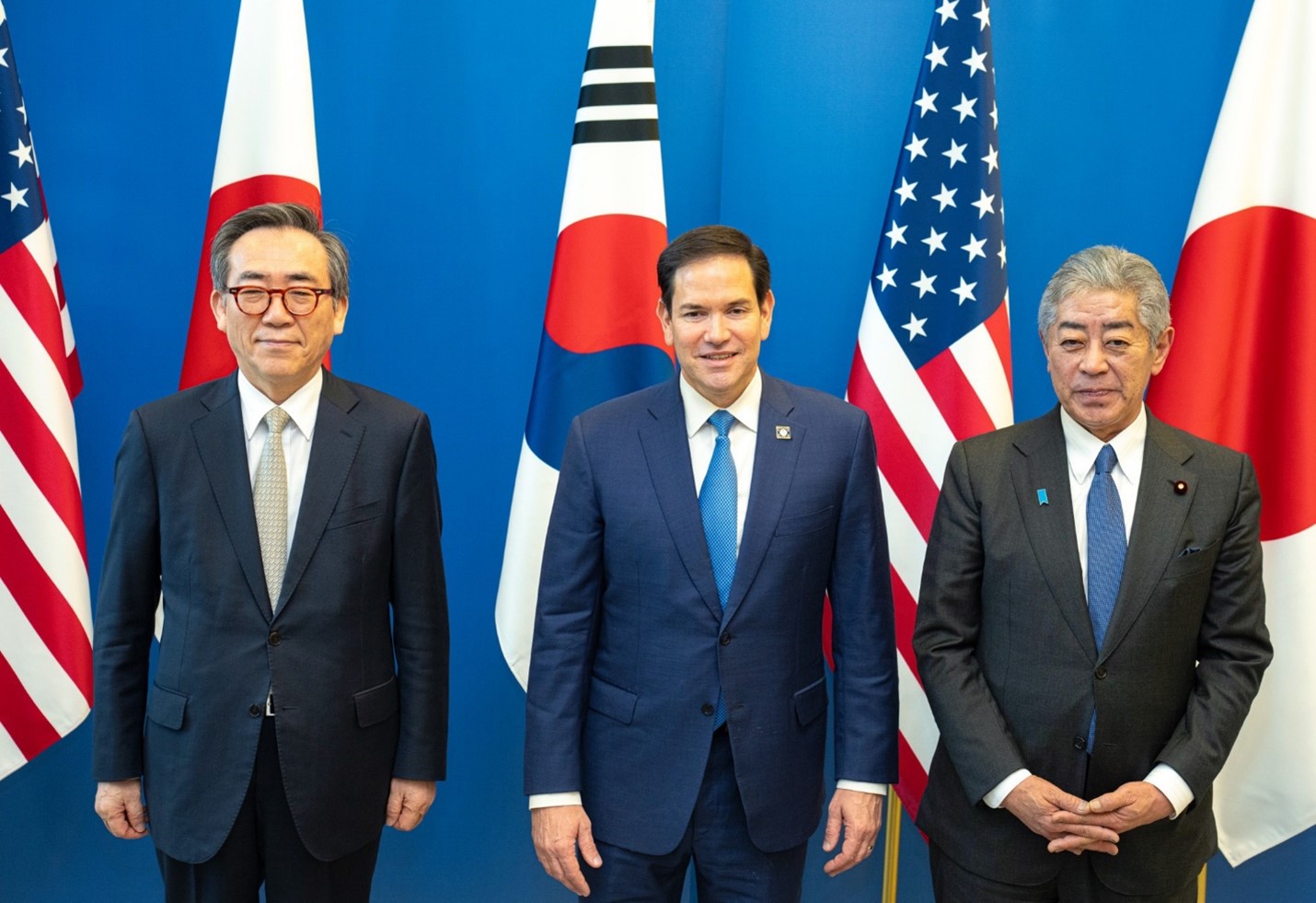
As the U.S. and South Korea implement policy and personnel changes that accompany new administrations, both countries continue down the path of engagement.
The trade disruption seen over the first six months of the Trump administration has delivered unprecedented shocks to the global trading system.

A trade deal could have big upsides for the defense industry, nuclear tech, energy, semiconductors, EVs, robotics, and AI

Korean companies find themselves confronting a familiar yet pressing dilemma: how to convert mounting pressure into a strategic opportunity.

Collaboration offers a promising solution to both revive U.S. shipbuilding and enhance South Korea’s material contributions to the alliance.

From May 13 to 15, 2025, the Korea Economic Institute of America (KEI) brought its Future of Korea outreach program to Burlington, Vermont.
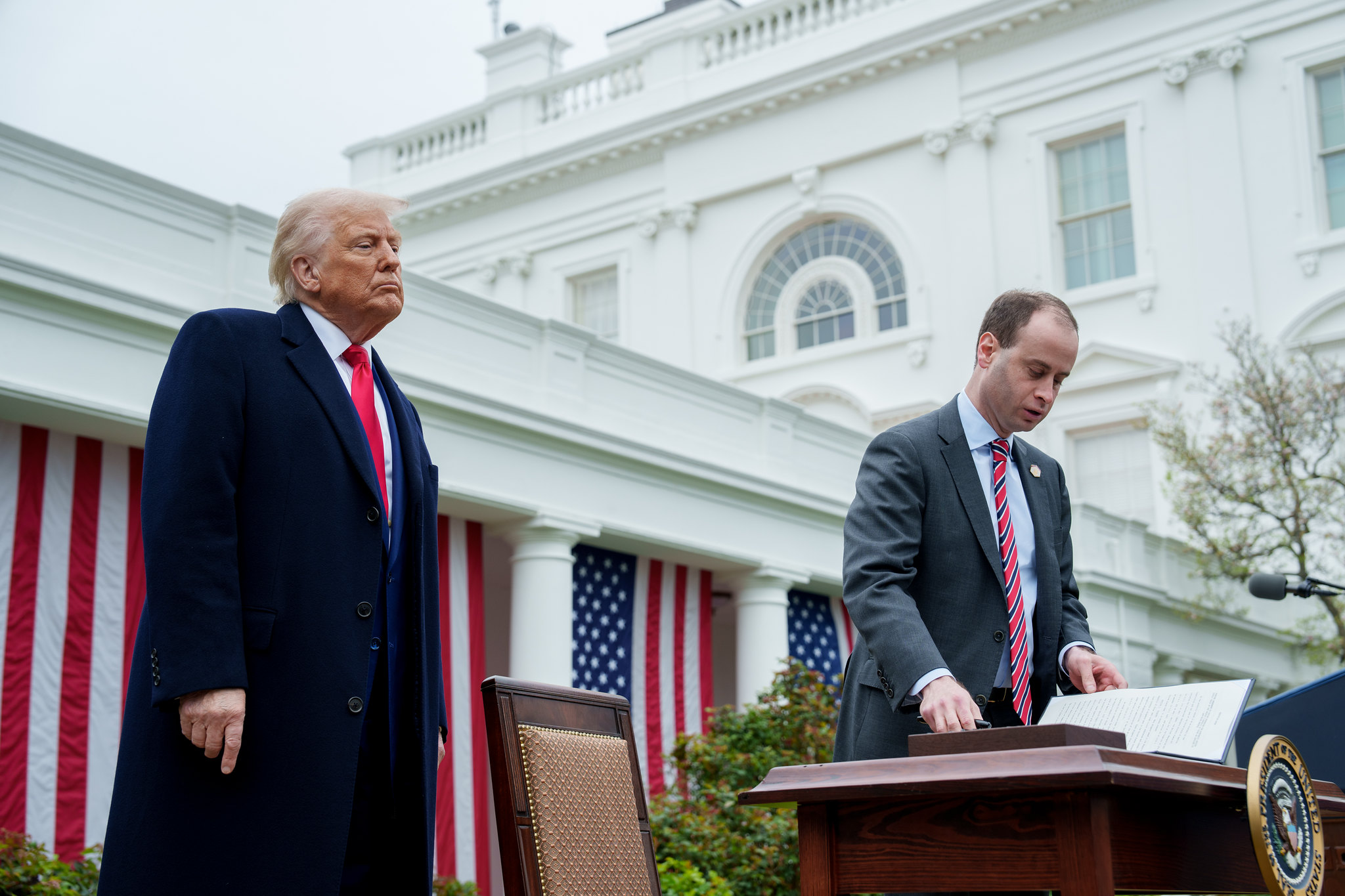
Without exception, the April 2 tariffs are much larger than the tariffs South Korea and others levy on the United States.
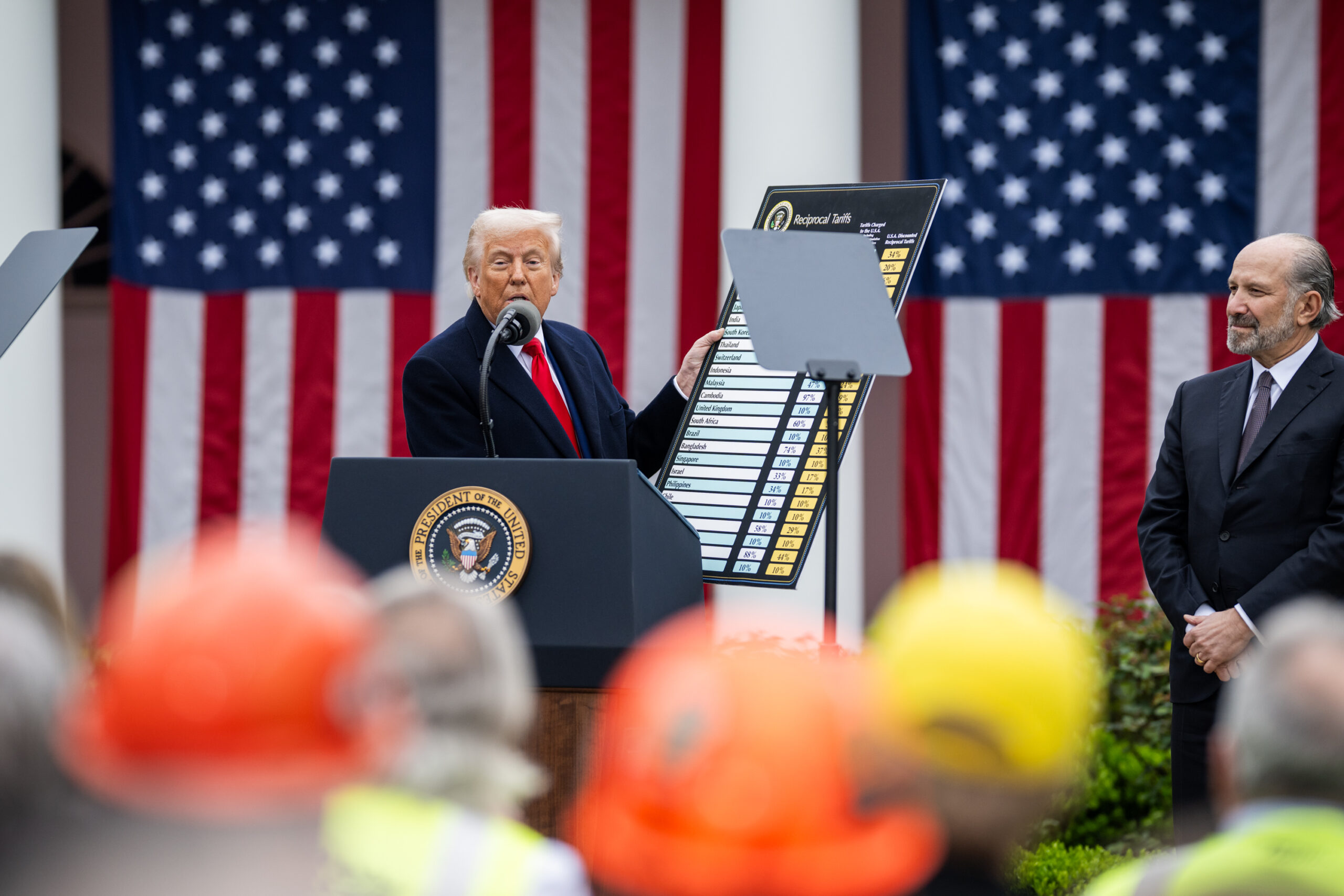
The president held up a placard explaining that nearly every country trading with the United States will be forced to pay heavier tariffs.