
By Korea View
Backlash to Gender Inclusivity
Political actors who oppose the government’s push to encourage greater female participation in the economy are gaining ground.
What Happened
- Lee Jun Seok is emerging as the leading candidate in the race for the chairmanship of the main opposition party.
- Lee has been openly critical of the Moon Jae-in administration’s efforts to have a gender quota in his cabinet appointments.
- The ruling Democratic Party’s candidates were soundly defeated in recent mayoral elections in Seoul and Busan, largely due to the loss of support from younger male voters.
Implications: The Korean government’s efforts to address the looming labor force shortage faces headwinds from deeply-held social attitudes towards gender. In response to the shrinking labor pool, the Moon Jae-in administration is actively pursuing policies that would encourage more women to enter the workforce. But the government’s promises to expand the purview of the Ministry of Gender Equality, increase female representation in politics, address the OECD’s largest gender pay gap, and other policies face animosity from younger Korean men. This was evident in the survey conducted after the ruling party’s landslide defeat in the Seoul mayoral election in April, which revealed that 72.5 percent of male voters in their 20s voted for the opposition candidate. Meanwhile, political figures like Lee Jun Seok are gaining this cohort’s support with rhetoric criticizing the government’s policies towards gender inclusivity.
Context: The incumbent government is committed to addressing the population decline, but many public policies designed to reverse the falling birth rate do not go far enough to address the root of the problem. For instance, the government is offering cash allowances to help new mothers reduce some childcare expenses. But these measures have not been backed with parallel efforts to help women balance their career aspirations and starting a family. Currently, many Korean women forego marriage or delay having children because they effectively mark an end to their ability to pursue a career. Therefore, policies that ensure continued female labor participation after childbirth may also become a solution to Korea’s low fertility challenge.
This briefing comes from Korea View, a weekly newsletter published by the Korea Economic Institute. Korea View aims to cover developments that reveal trends on the Korean Peninsula but receive little attention in the United States. If you would like to sign up, please find the online form here.
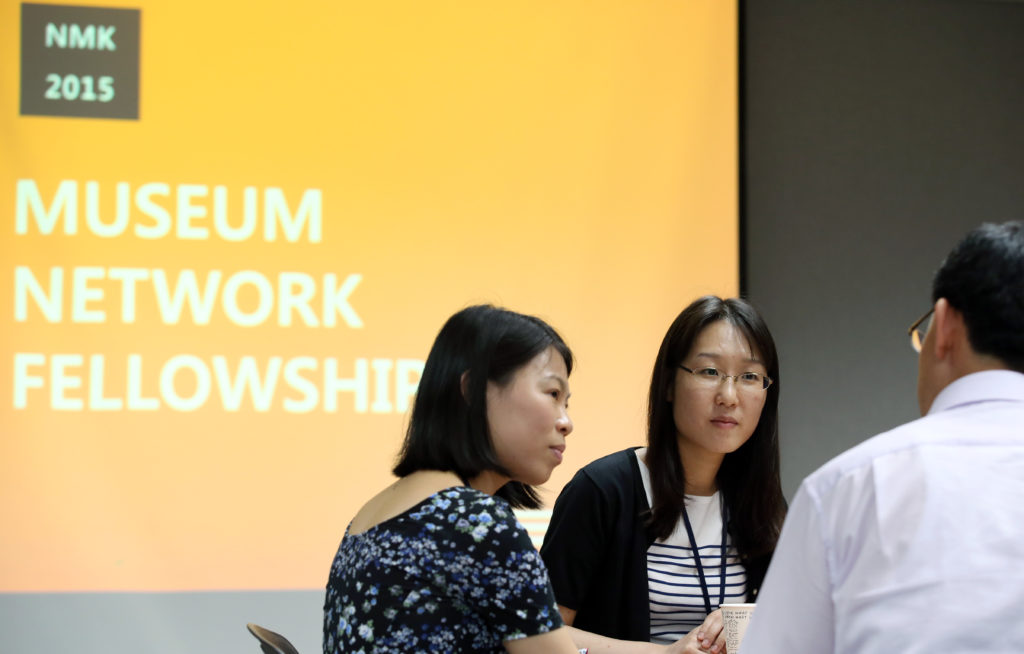
Korea View was edited by Yong Kwon with the help of Sean Blanco, Marina Dickson, Alexandra Langford, and Jina Park. Picture from the flickr account of the Republic of Korea.