South Korea’s Salt Farm Problem: How Local Labor Failures Create Trade Risk
The Sinan salt farm case reflects deeper governance challenges linking demographic decline, rural labor markets, enforcement capacity, and global supply-chain scrutiny.

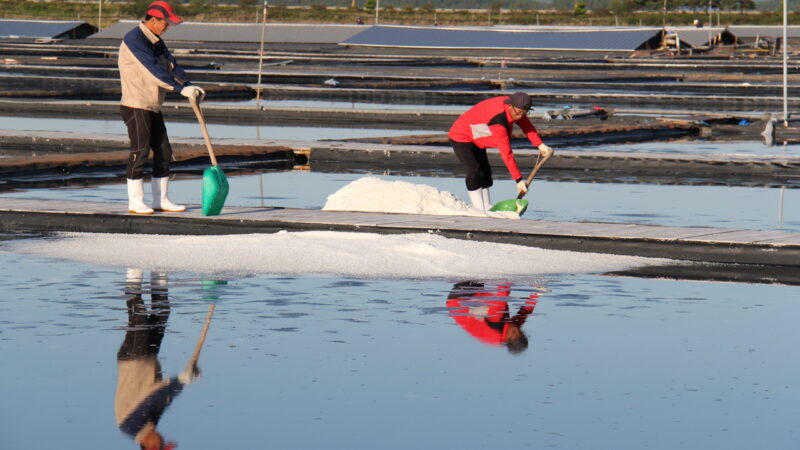
The Sinan salt farm case reflects deeper governance challenges linking demographic decline, rural labor markets, enforcement capacity, and global supply-chain scrutiny.

Korea stands at a critical demographic juncture, facing a declining birthrate that has far-reaching implications for its economy and society.

This is the second in a two-part series looking at youth employment in Korea. Part 1 can be found here. Korea’s low youth employment rate…

Labor market dualism – the segmentation between regular and non-regular workers — is deeply entrenched in Korea’s labor market.

Workers of different South Korean industries are joining forces to protest shared concerns around increasingly difficult working conditions.
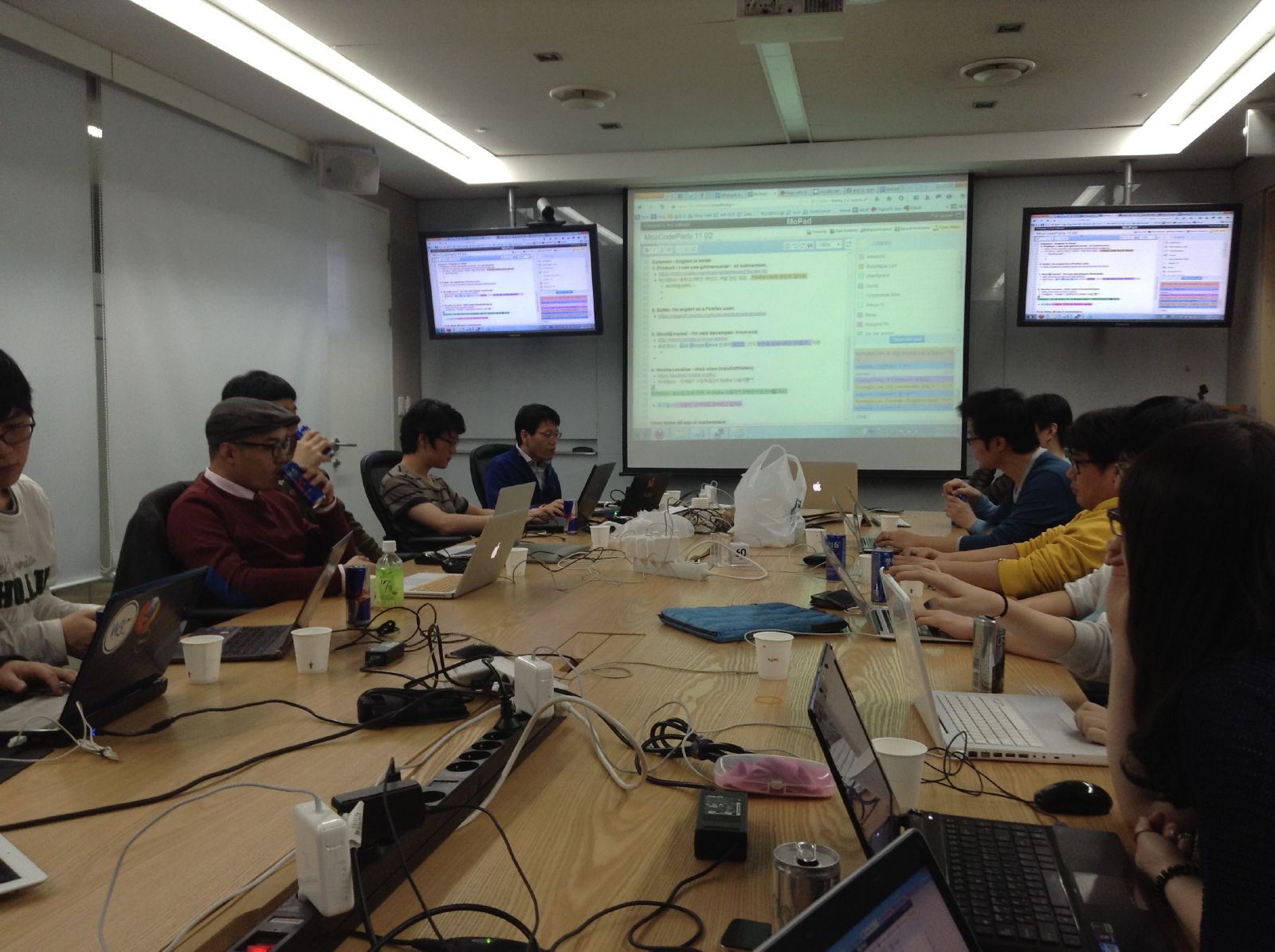
The government’s focus on enabling parents to work longer hours suggests its ability to shape corporate culture is limited.
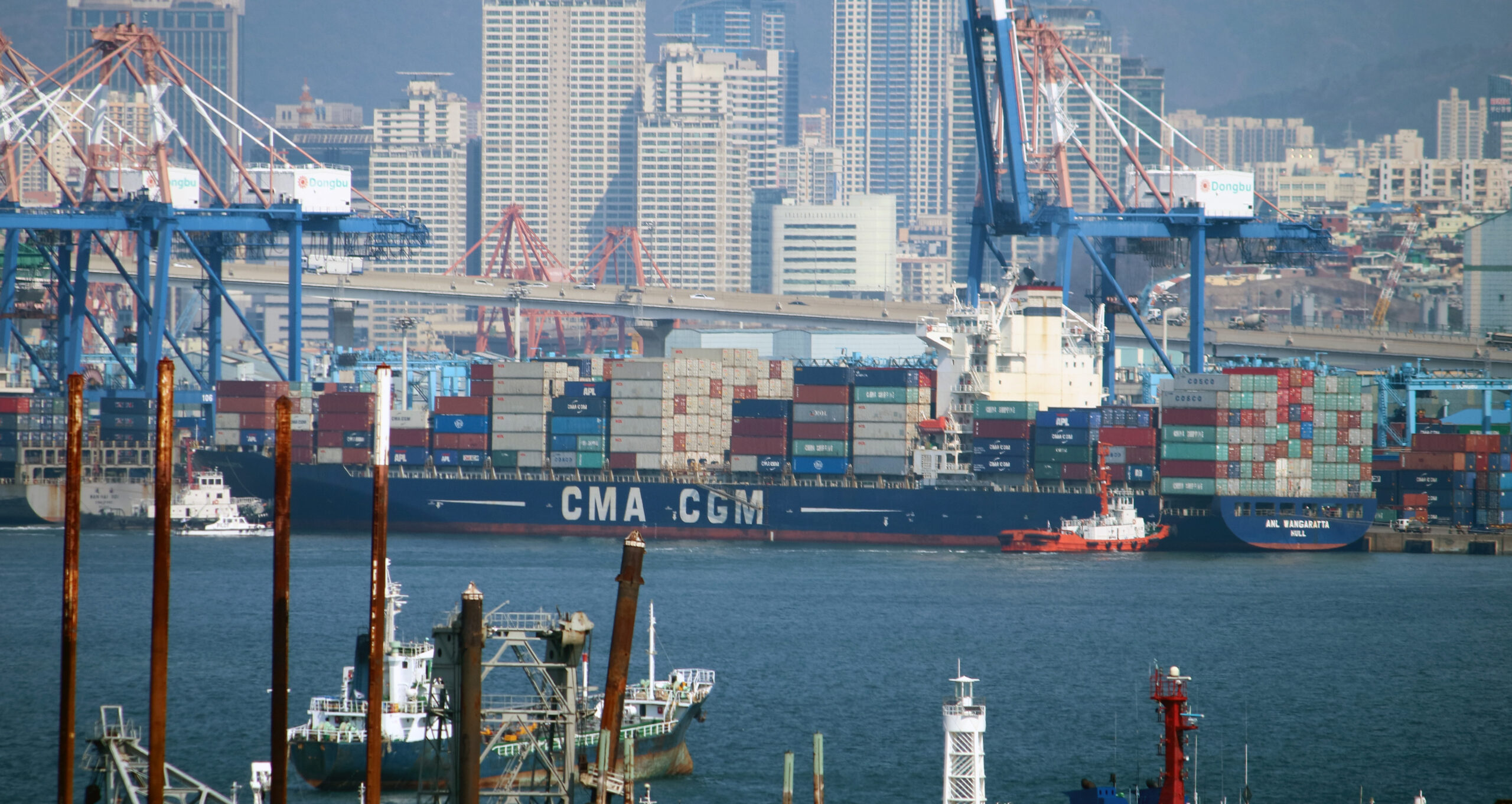
Korean exporters are struggling to keep up as shipping and transport networks prioritize larger-scale shipments from China.

Recent labor regulations have not created safe and sustainable environments for workers due to a lack of government enforcement.

Policies designed to make citizenship easier for the children of permanent residents have been met with anti-Chinese sentiments.

Political actors who oppose the government’s push to encourage greater female participation in the economy are gaining ground.