South Korean Foreign Policy in a Polarized World: Passing the Baton to South Korea’s New Political Leadership
The question is whether or not future leadership persists in efforts commensurate with Korea’s international reputation and influence.

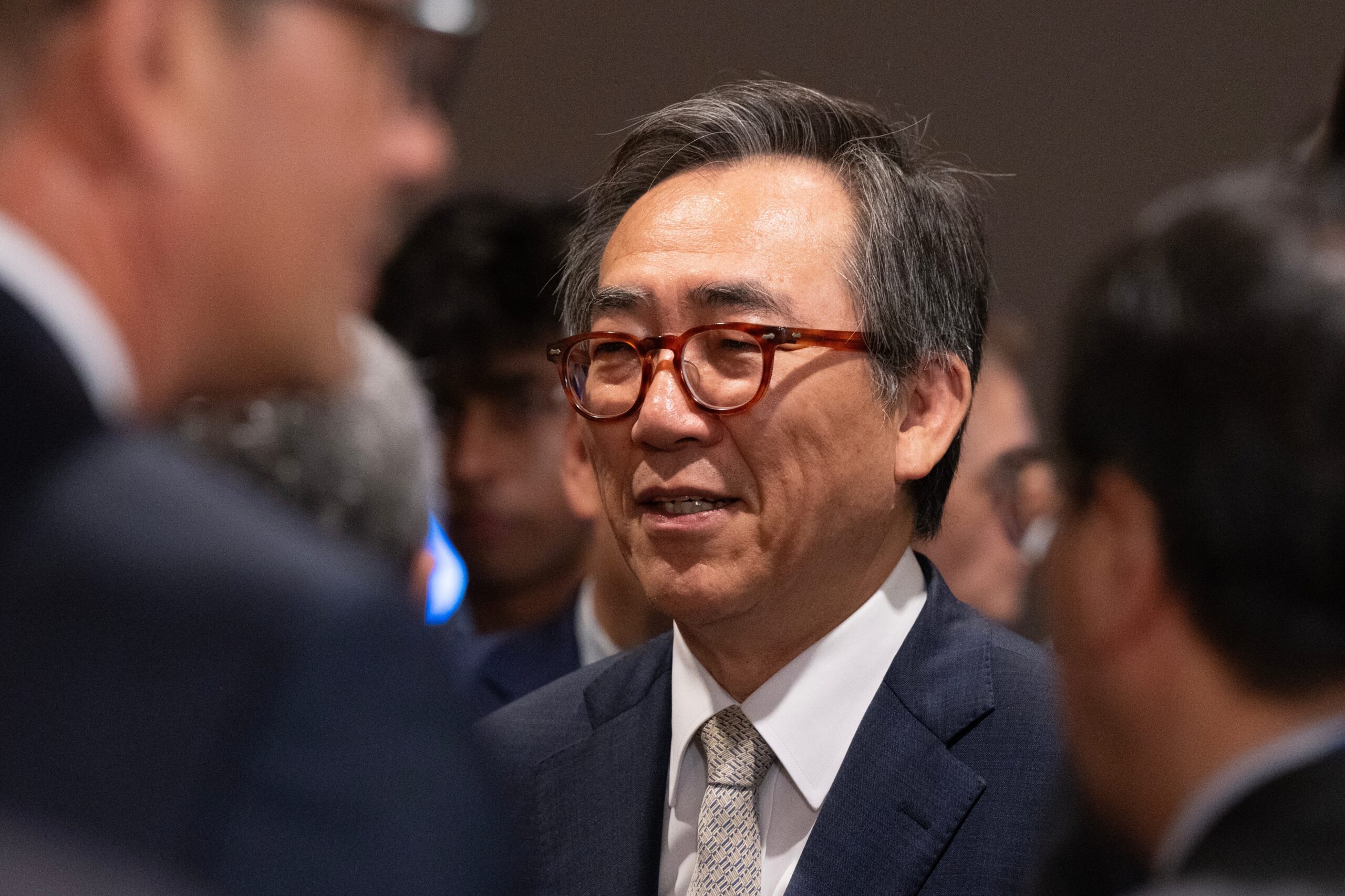
The question is whether or not future leadership persists in efforts commensurate with Korea’s international reputation and influence.

South Korean voters will elect a new president on June 3, 2025, following the impeachment of former President Yoon Suk Yeol earlier this year.
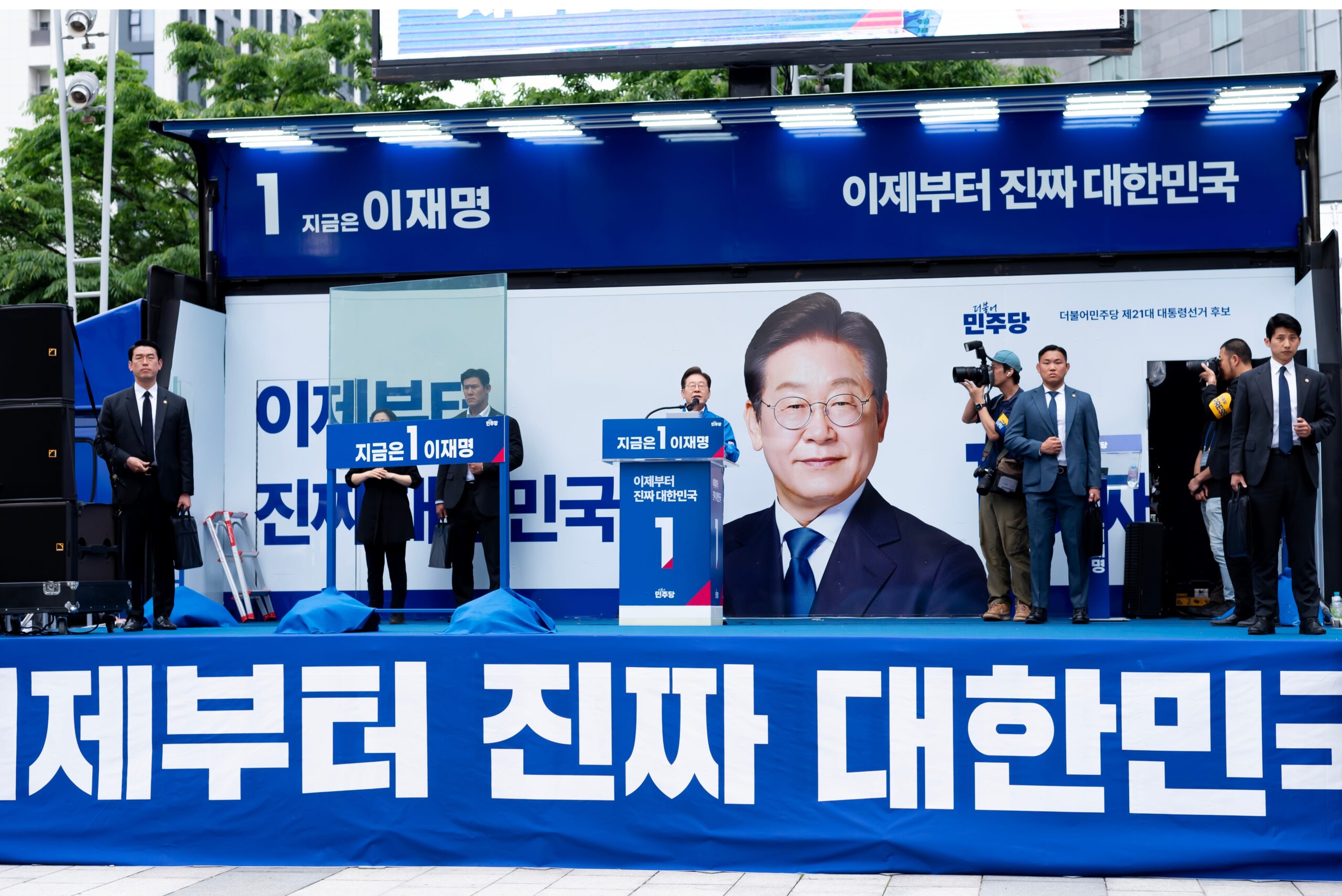
The leading candidate’s attempts to moderate his position suggest Japan may not be as controversial in domestic politics as it has been.

A KEI survey suggests that public opinion about the bilateral relationship and US commitments is relatively robust and broadly bipartisan.
With a host of pending initiatives, here are some of the top economic issues for the US-Korea relationship in the next US administration.
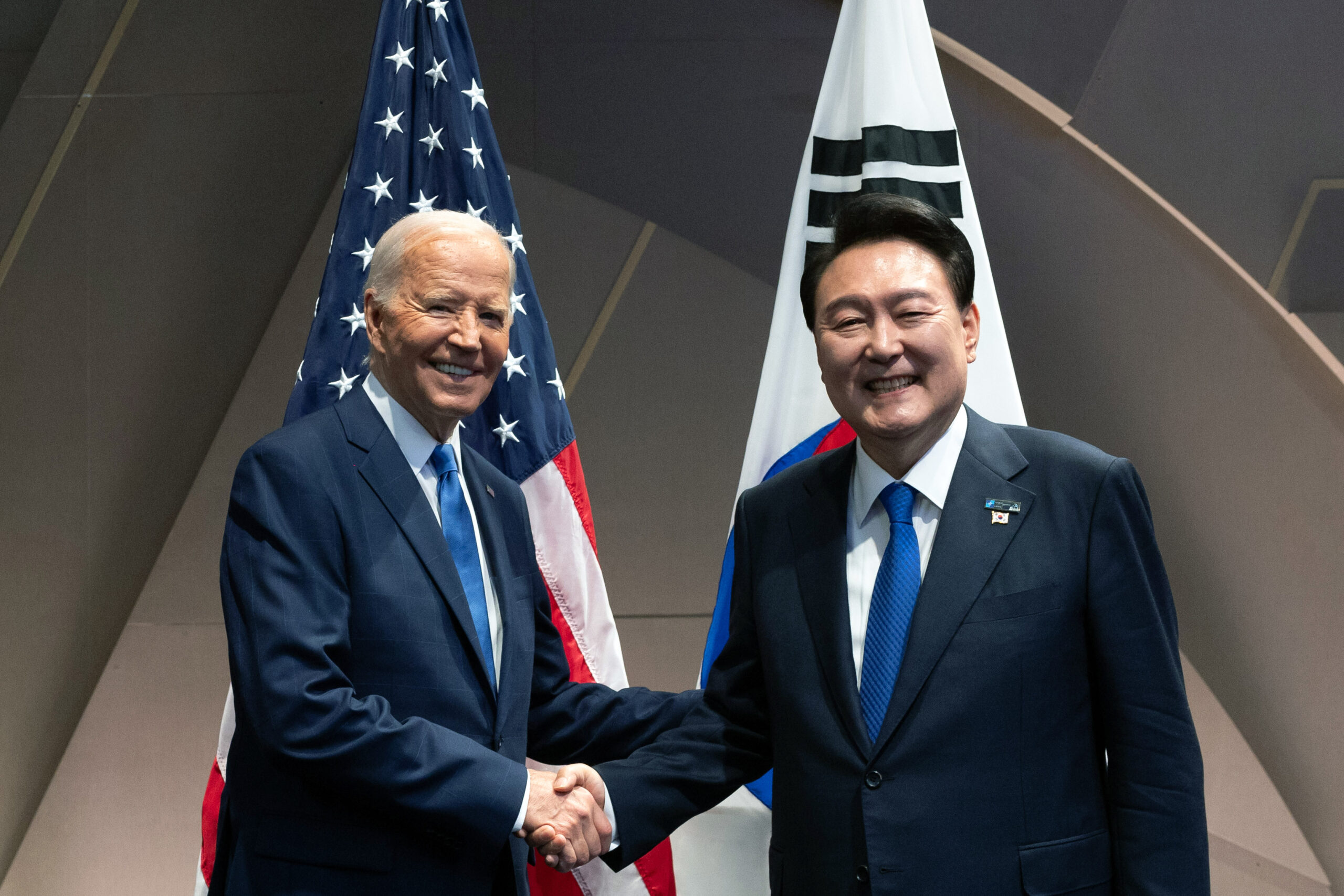
What do recent developments in US foreign policy imply for American public attitudes about East Asia and the Korean Peninsula?
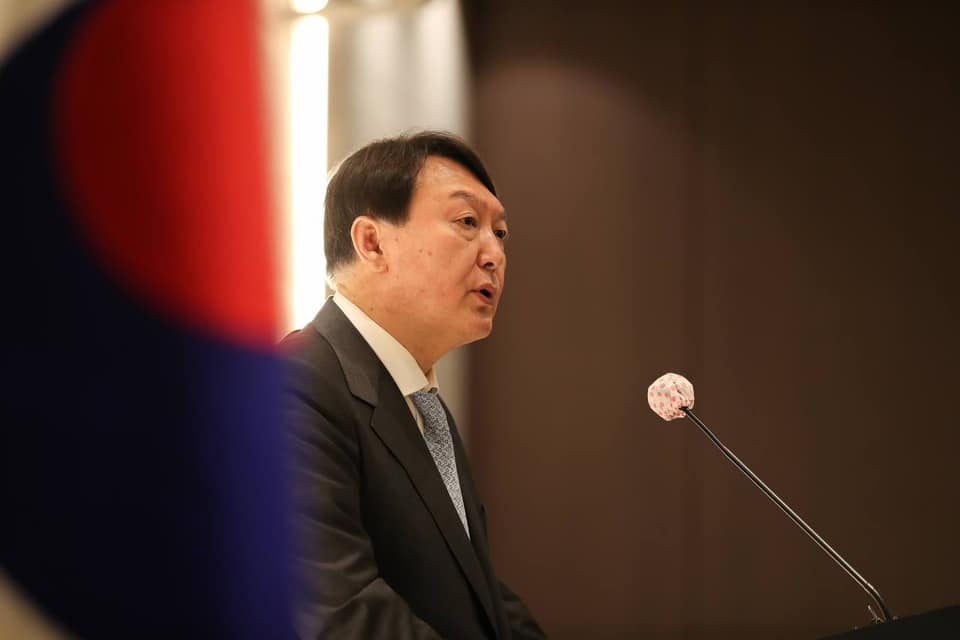
Yoon’s ability to fundamentally shift South Korea’s foreign policy and build stronger trilateral cooperation appears under threat.
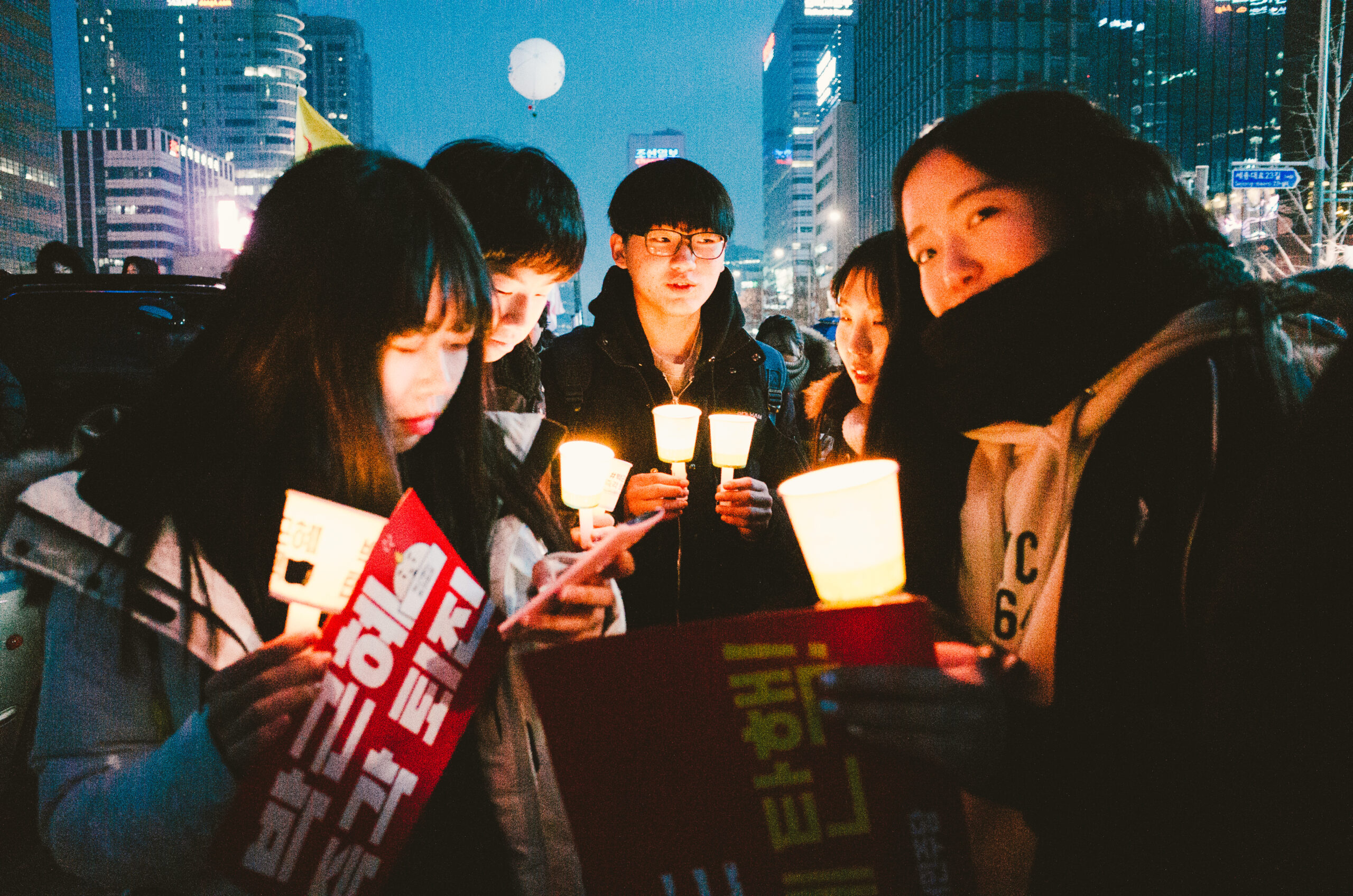
Outcomes from presidential elections over the past two decades suggest the youth vote is a nearly reliable predictor of victory, but that support is not guaranteed for either party.
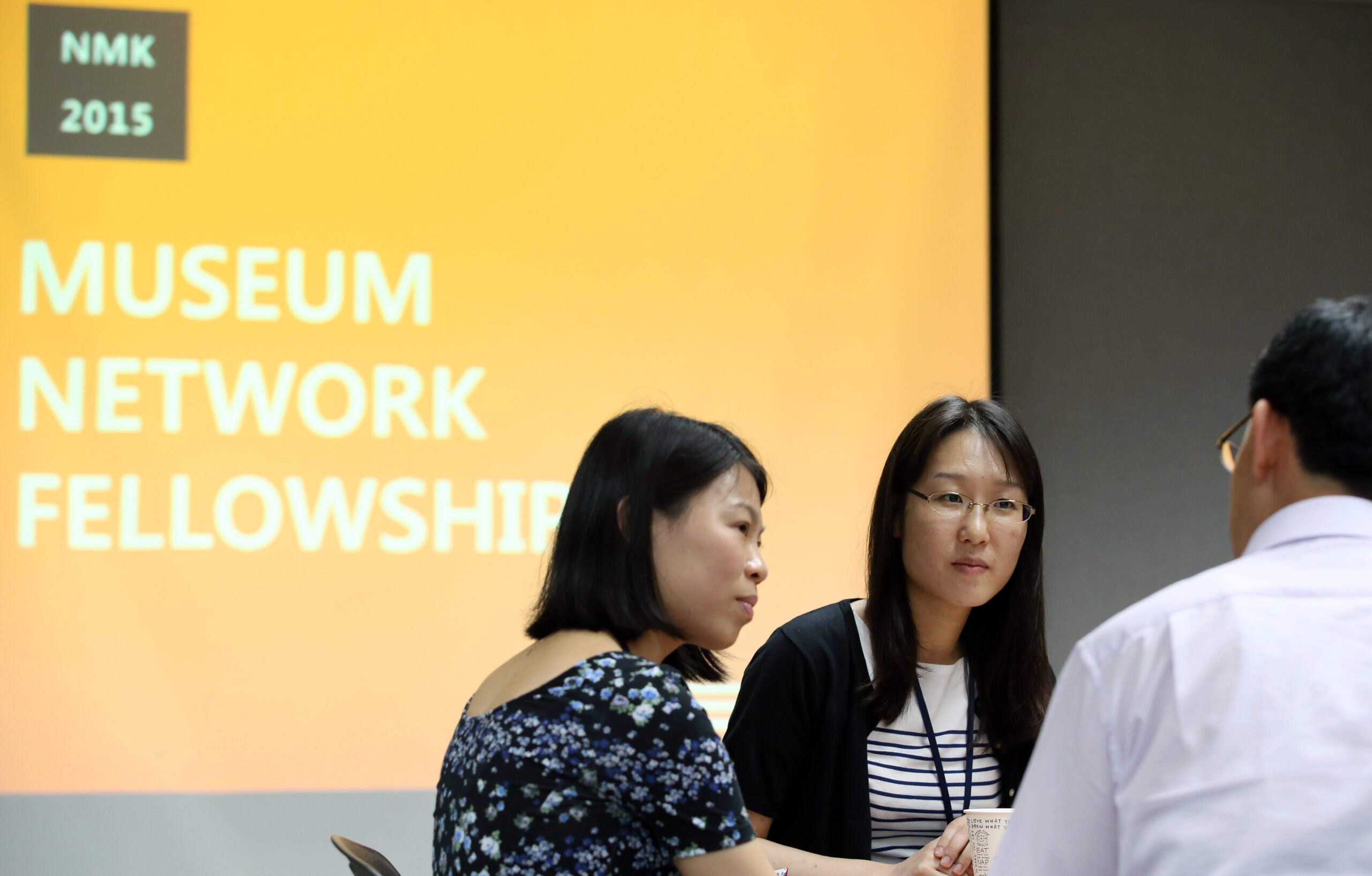
Political actors who oppose the government’s push to encourage greater female participation in the economy are gaining ground.
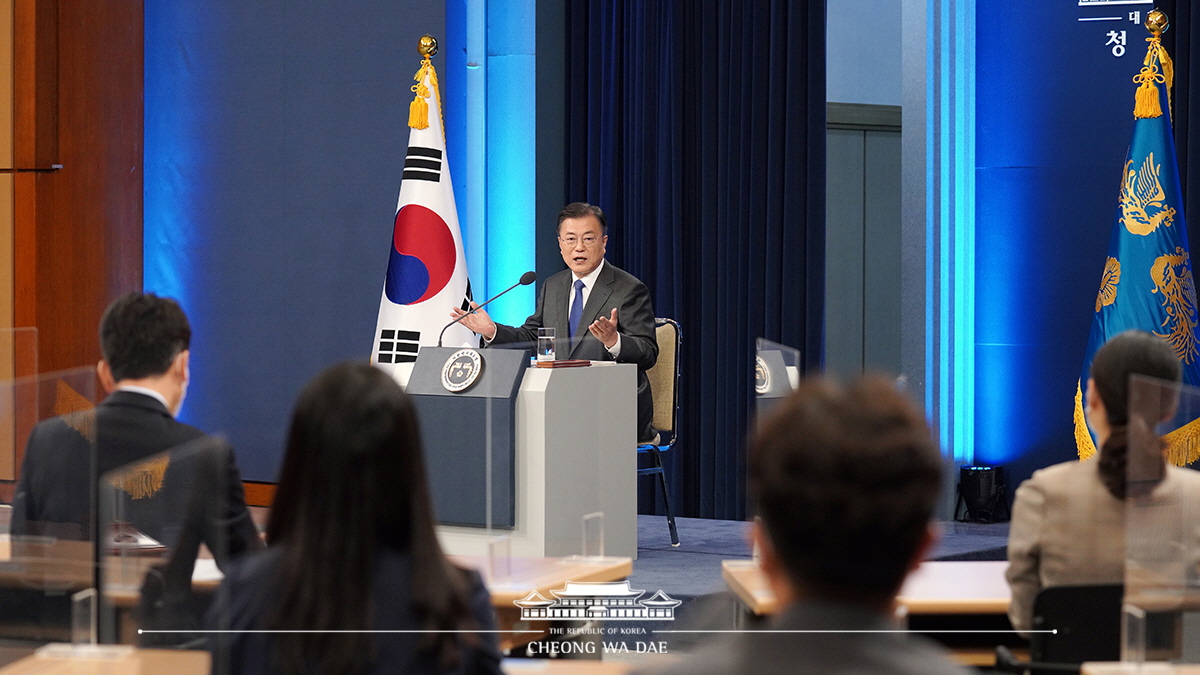
Moon Jae-in discussed adjusting housing policies showing that South Korean presidents can continue implementing policies during their final year in office.