U.S. Trade Deficit with South Korea Continues to Decline
If present trends continue for the final two months of 2017, the U.S. will set a record level of merchandise exports to Korea, reaching nearly $48 billion.


If present trends continue for the final two months of 2017, the U.S. will set a record level of merchandise exports to Korea, reaching nearly $48 billion.

Less than a decade ago, the subject of U.S. beef in Korea garnered fierce criticism. Today, Korea represents the second largest export market for U.S. beef.

China failed to realize that the dispute over THAAD wasn’t about bilateral relations with China, but the need to defend against North Korea.
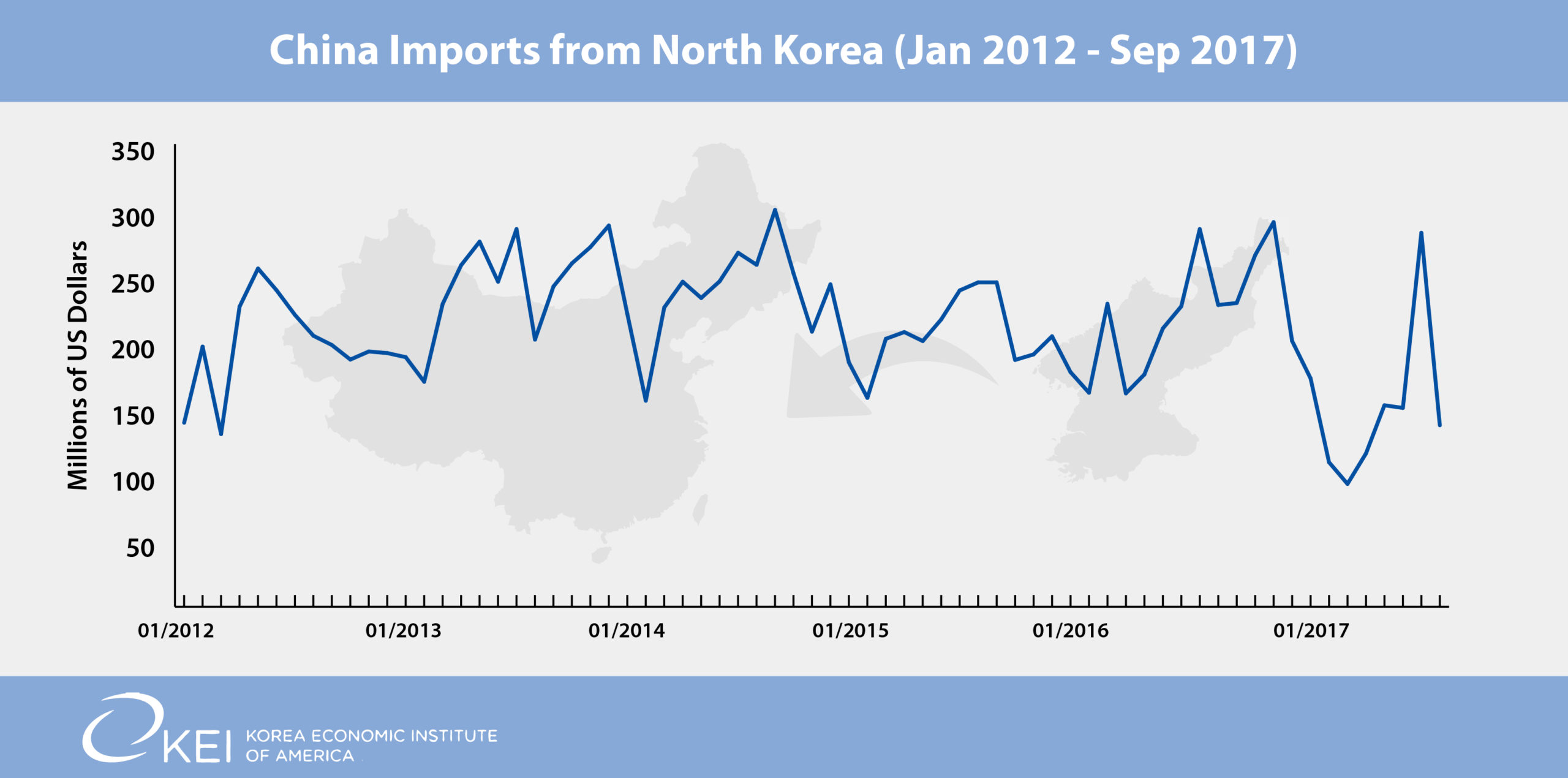
China’s trade with North Korea fell sharply from relatively high August levels and continues an erratic if clear decline since tighter UN sanctions.

If the digital trade section of the KORUS FTA is amended, Korea will likely need to open up its e-commerce industry to foreign competitors.
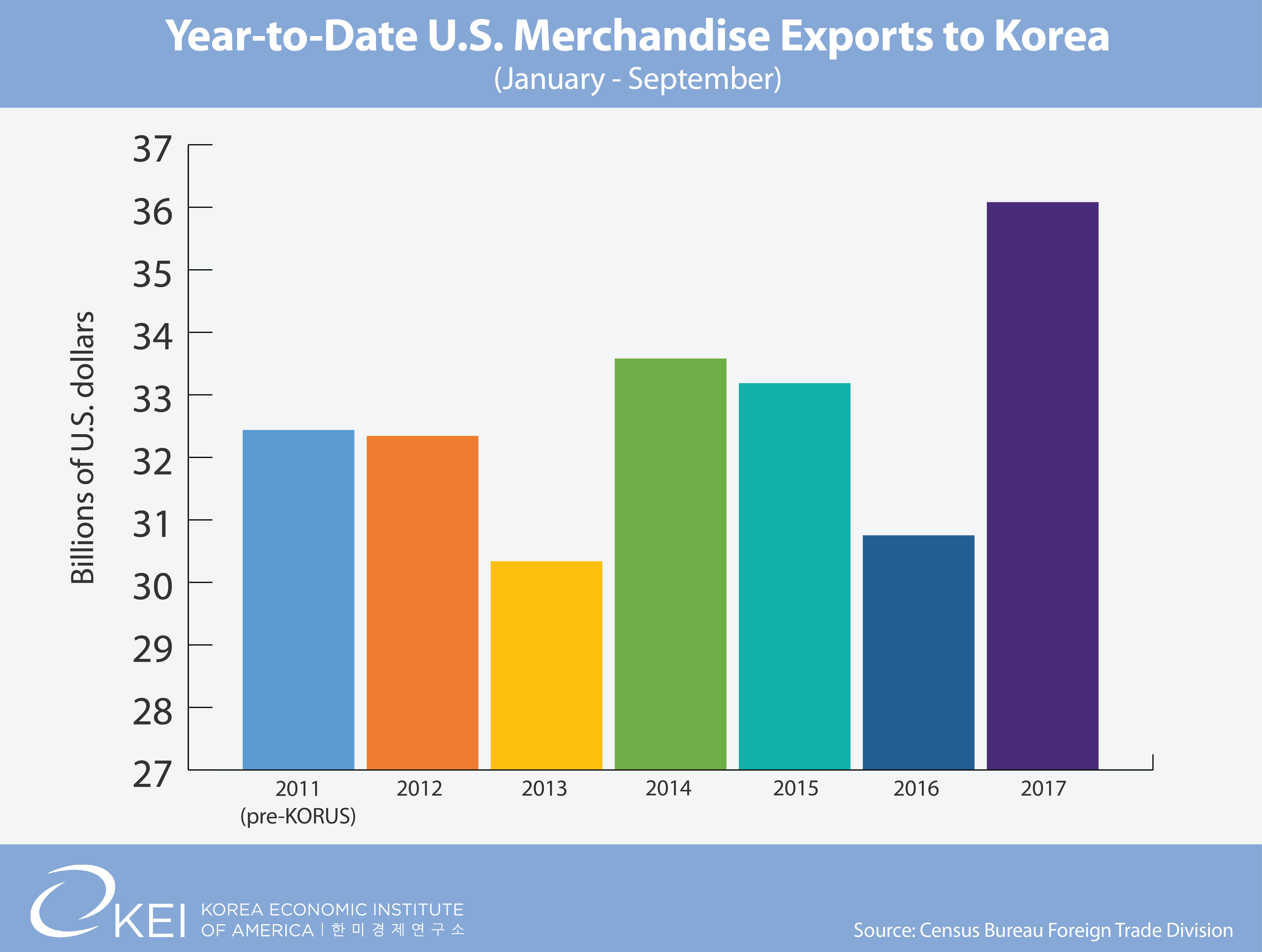
One reason for the downward trend in the U.S. bilateral trade deficit with Korea is that the U.S. is on track to set a record in goods exports this year.

Headlines proclaimed the end of the dispute over THAAD, which China insists will harm their national security. However, these celebrations may be premature.

The 2018 Winter Olympics in Pyeongchang could provide an avenue for China to signal a softening of its position on sanctions over THAAD.

While Hallyu may have worked in markets that are geographically near South Korea, for many years it had not received as much enthusiasm in the U.S. market.

The decision by the Moon Administration to shift from coal and nuclear power to LNG has long-term implications for South Korea’s trade surplus with the United States.