Just How Dependent is South Korea on Trade with China?
China’s punitive economic measures against South Korea over THAAD may have shrouded Beijing-Seoul relations in uncertainty, yet they highlight Korea’s economic dependence on China.

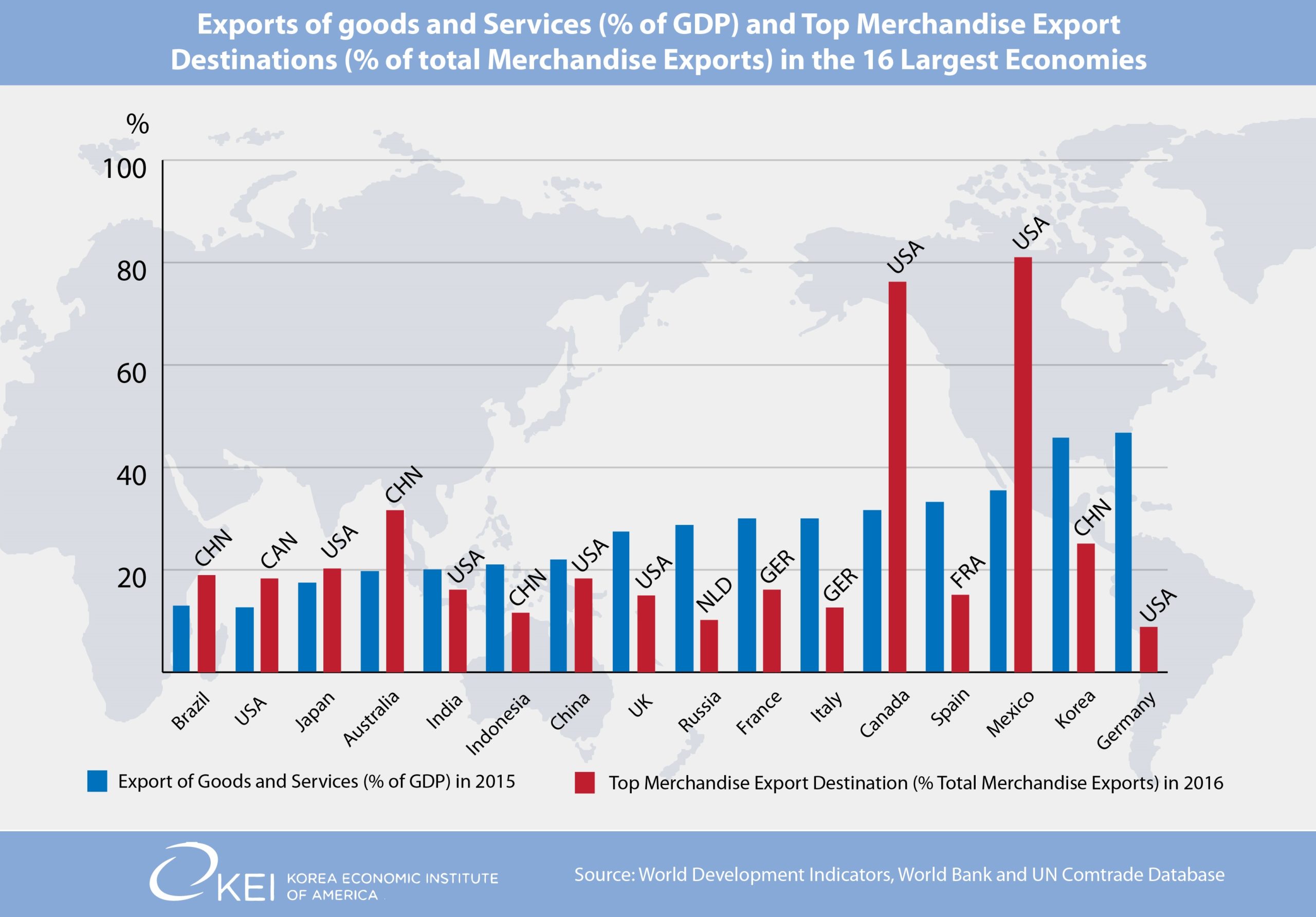
China’s punitive economic measures against South Korea over THAAD may have shrouded Beijing-Seoul relations in uncertainty, yet they highlight Korea’s economic dependence on China.

Beijing has approved the broadcast of a new Korean drama that had been co-produced by a Korean and a Chinese company, according to a source in the Chinese entertainment industry, making it the first Korean show to get the green light since before the THAAD spat.
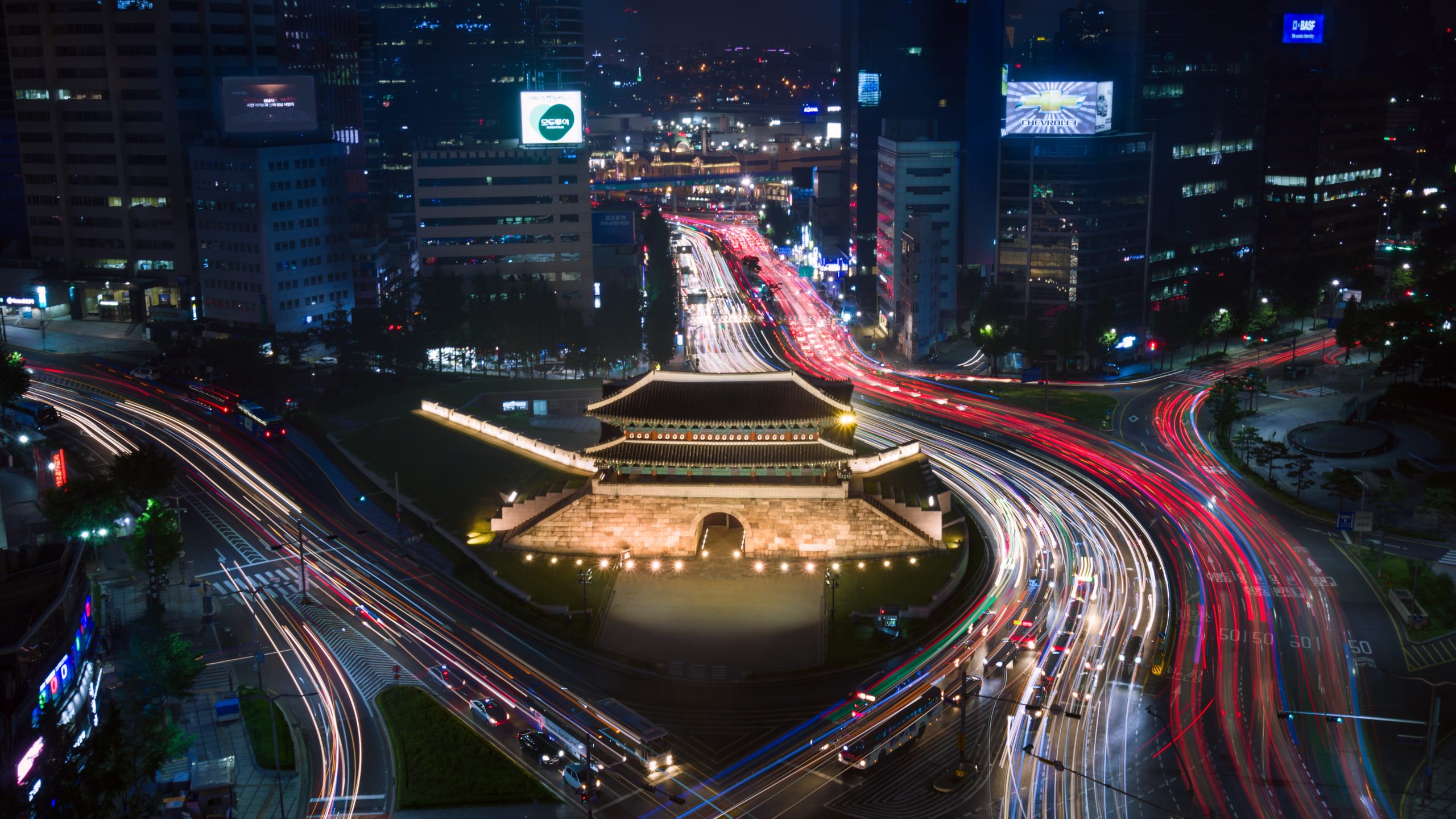
Perhaps no industry reflects the U.S.-Korea trade imbalance that a recent USTR report alludes to more than automotive.
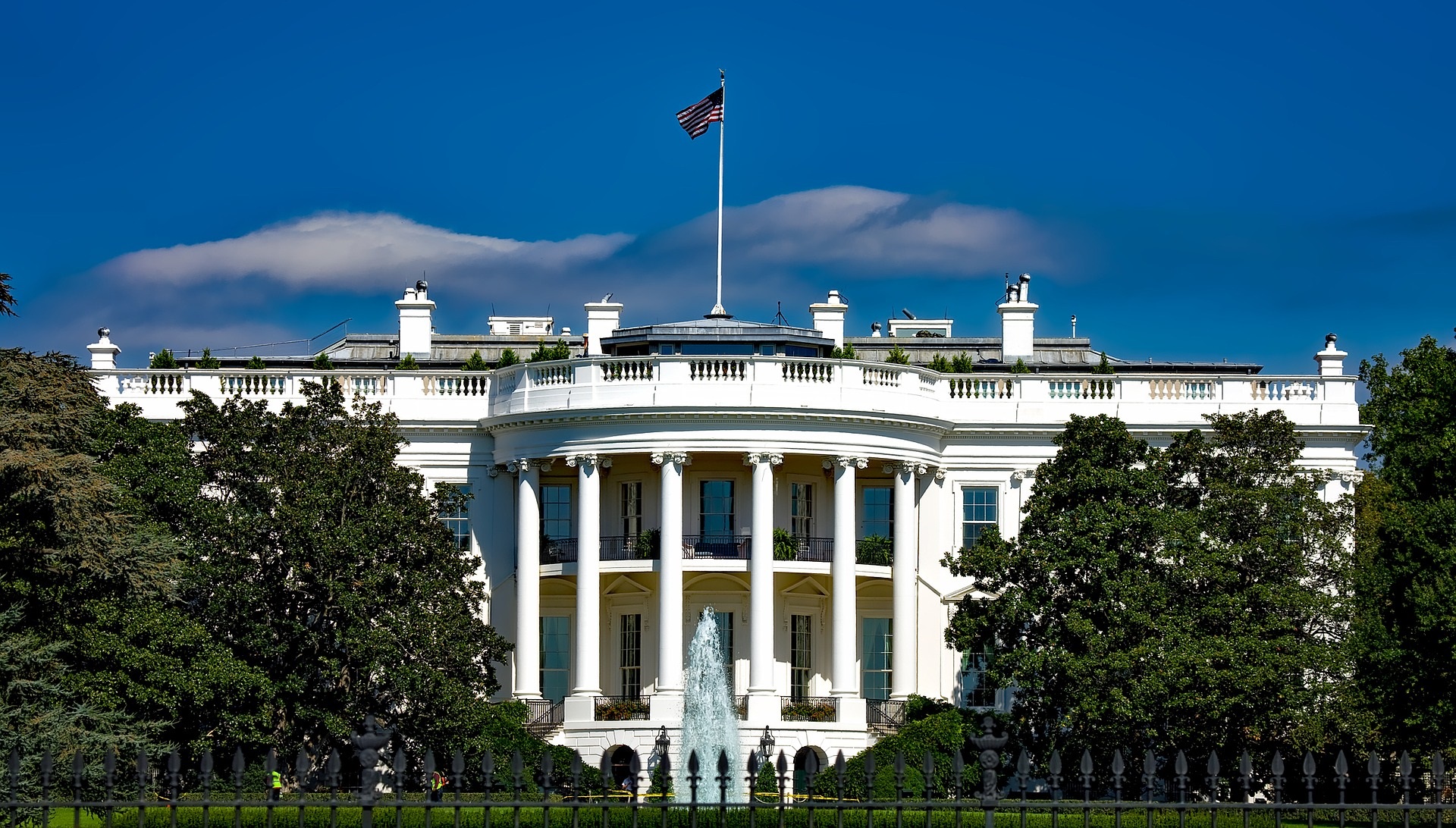
For the newly elected South Korean President Moon Jae-in, just as central to resolving the issues raised by Trump will be understanding his approach to foreign affairs.
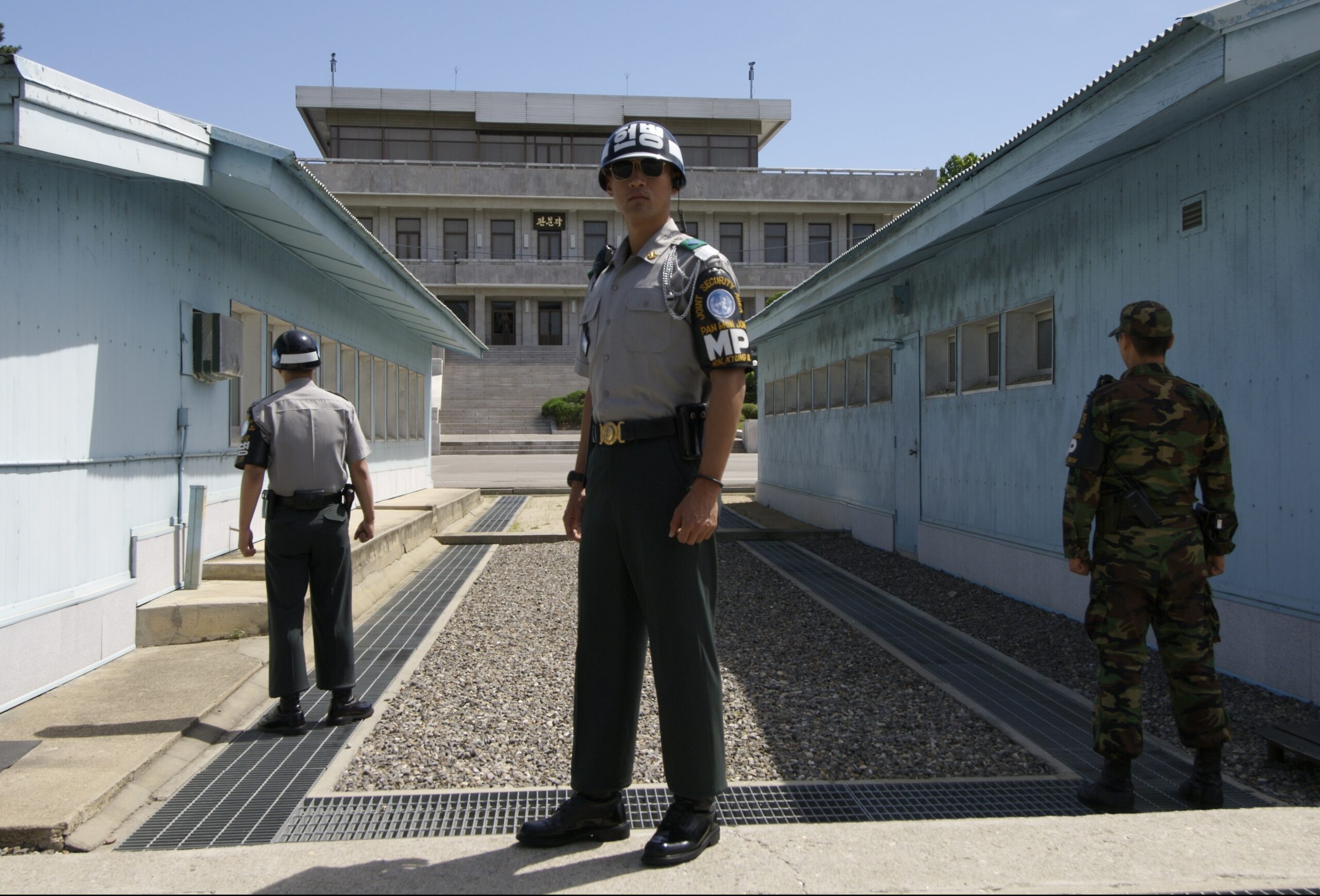
The campaign is over; ballots have been cast; the result is clear—Moon Jae-in will be in the Blue House within a few days.
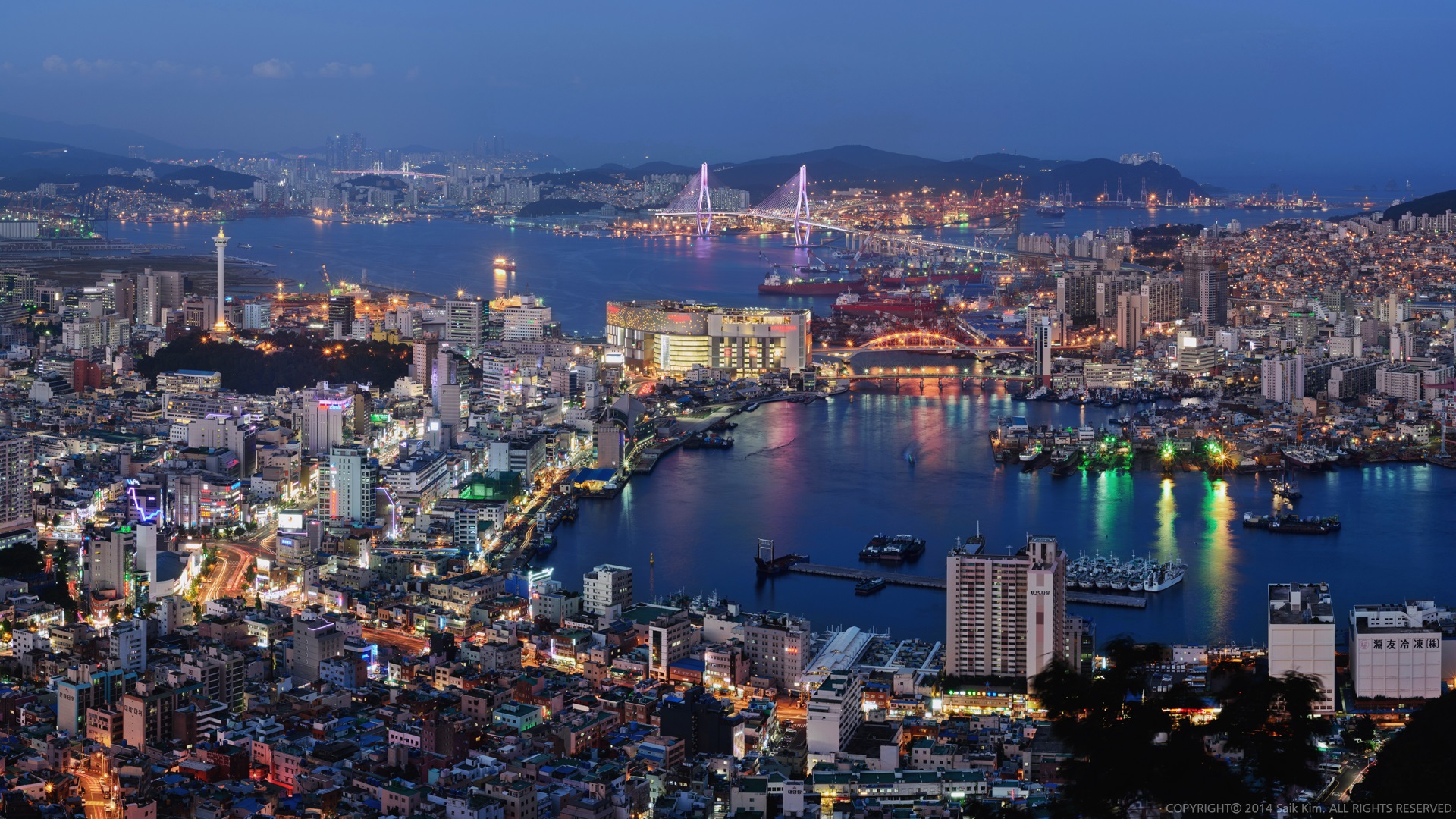
As the new ROK and U.S. administrations interact and deal with each other, both sides must avoid “unforced errors” and cooperate with each other as much as possible to confront domestic and international trends that place impediments on both economies.
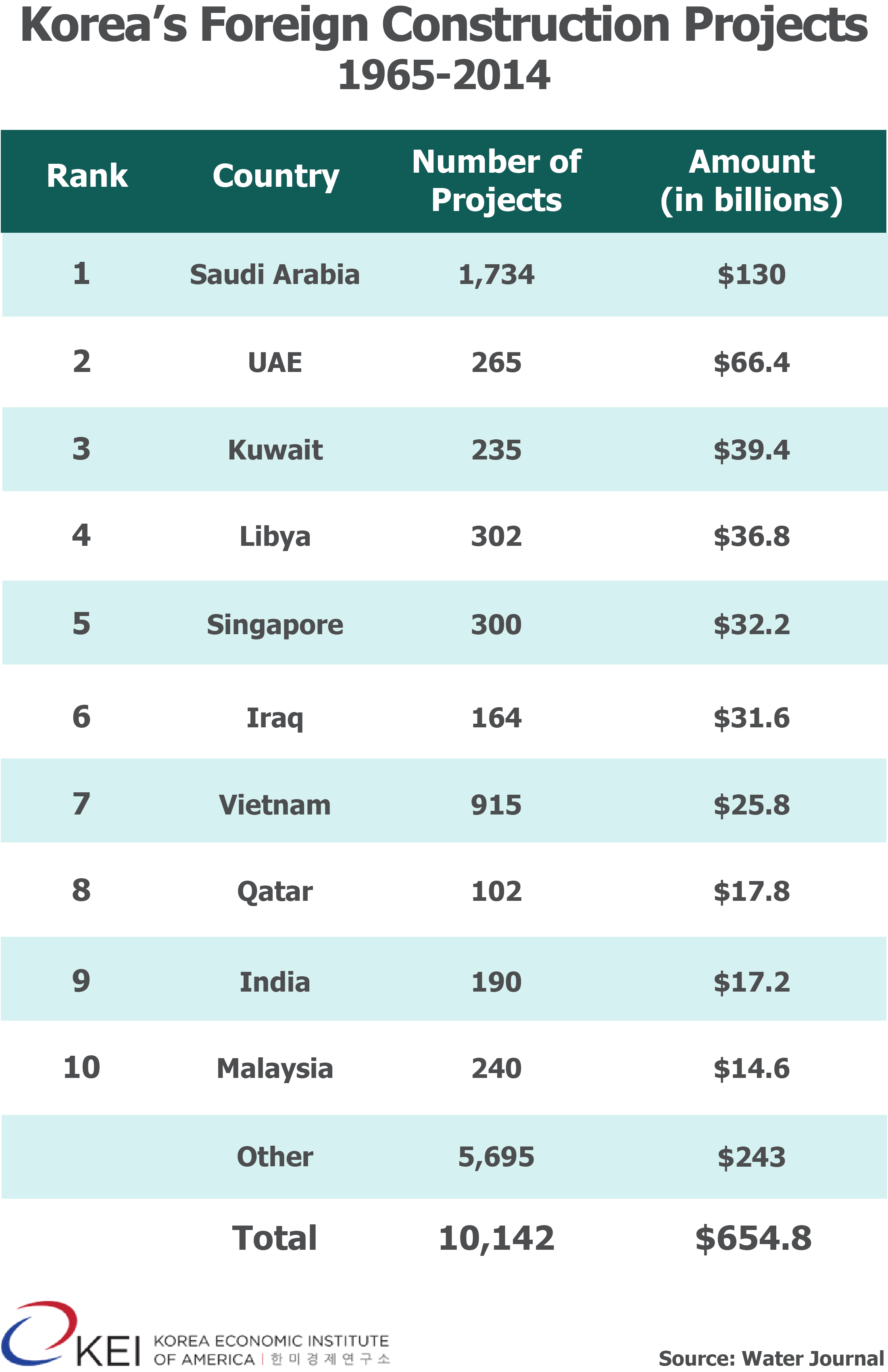
The active relationship between South Korea and the Middle East Area is relatively young.

The next administration will come into office at time when South Korea faces a wide array of economic, political, social, and security challenges.
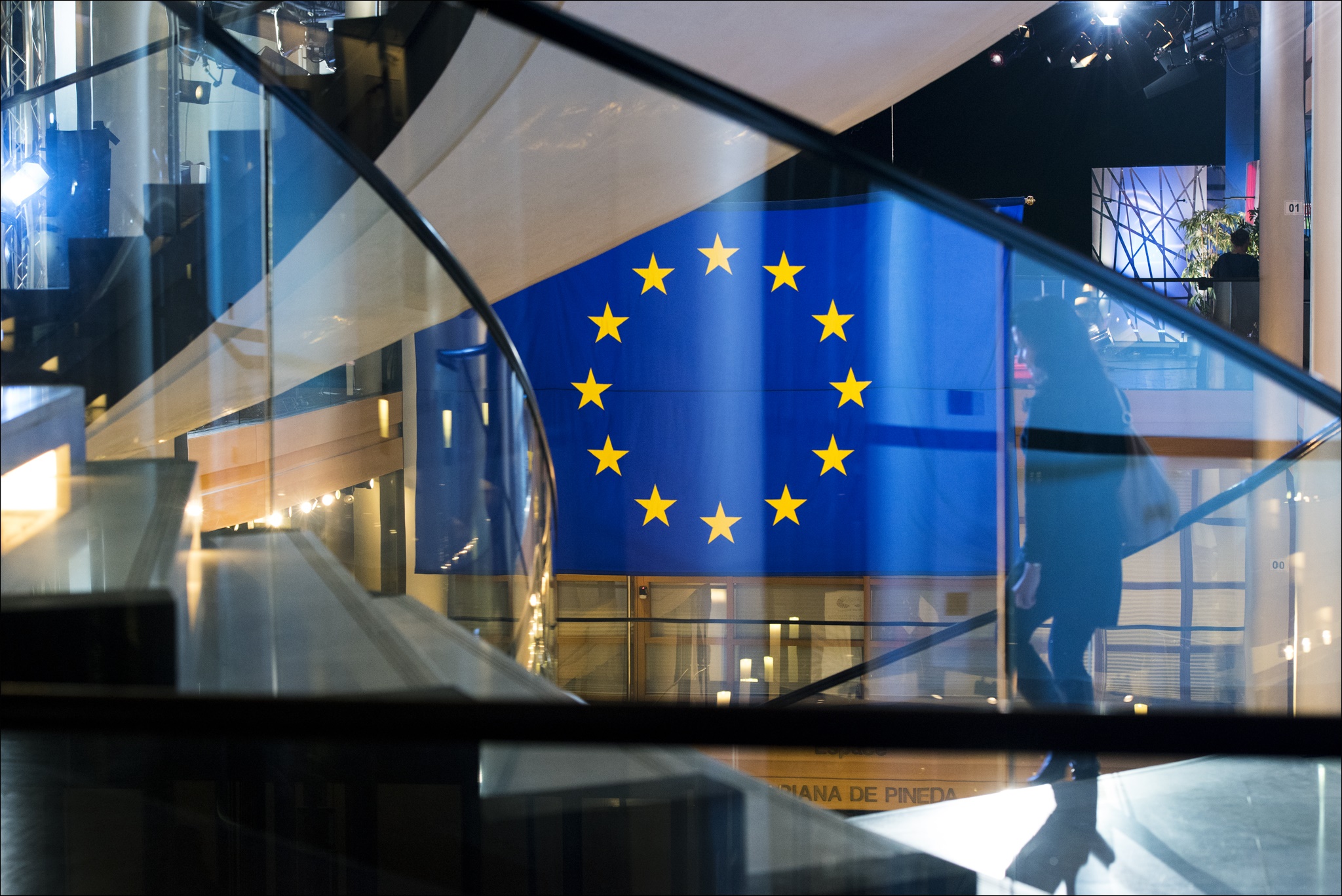
The EU and South Korea share important values such as human rights, democracy and a market economy, making the EU an important partner for South Korea and the next presidential administration.
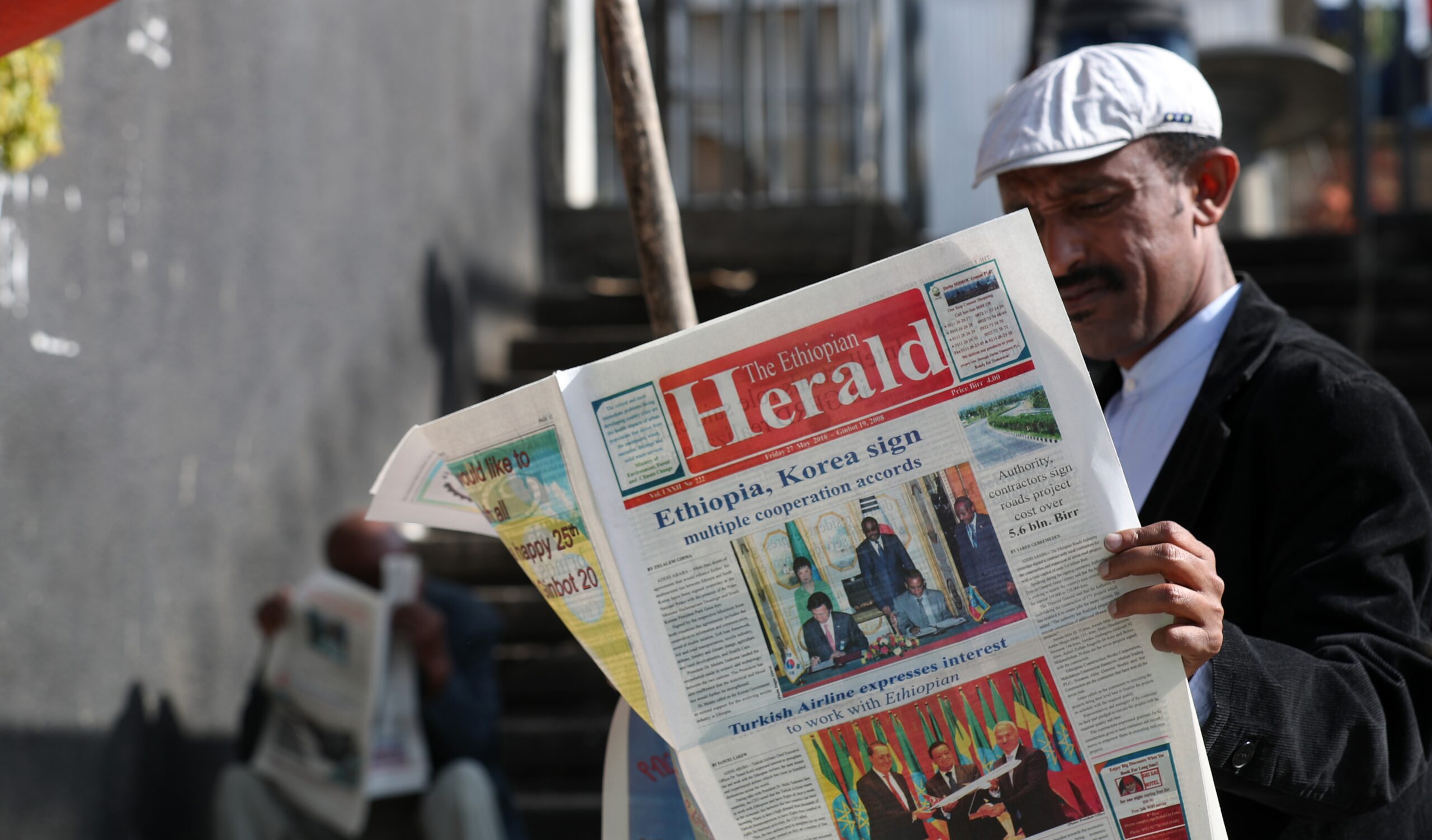
Although Korea embarked on closer diplomatic relations across Africa in recent years, Seoul has tended to focus on short-term projects that lack continuity.