Tariffs on Korean Imports: Implications for U.S. Manufacturing and Investment
Since the Donald Trump administration took office in 2025, the United States has imposed a broad range of tariffs to advance national security, strengthen supply-chain…

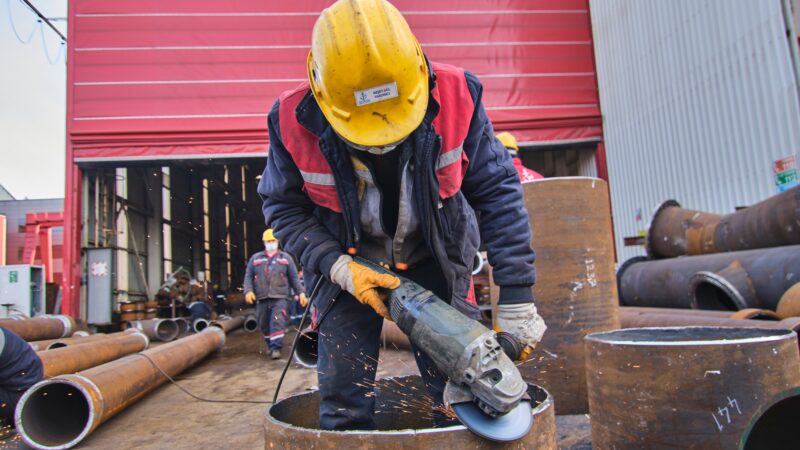
Since the Donald Trump administration took office in 2025, the United States has imposed a broad range of tariffs to advance national security, strengthen supply-chain…
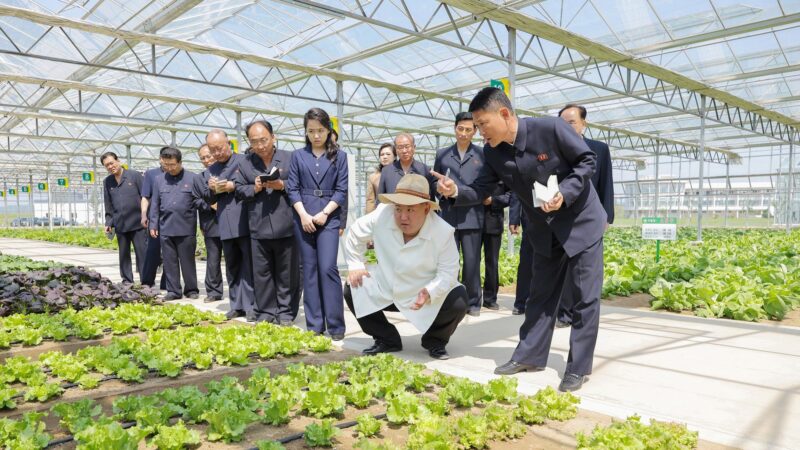
North Korea’s economy grew 3.5 percent in 2025, the third straight year above 3 percent, according to the Bank of Korea (Figure 1). Output has now passed its…

America’s new tariff framework comes alongside significant South Korean investment into strategic sectors across the United States, and Q2 2026 showed this pattern taking hold…
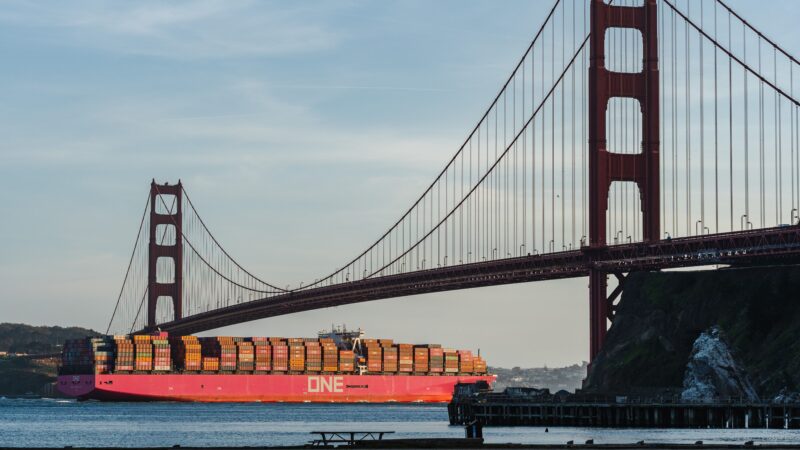
The United States has decided against renewing the United States-Mexico-Canada Agreement (USMCA), a decision that marks the beginning of a negotiation process rather than the…
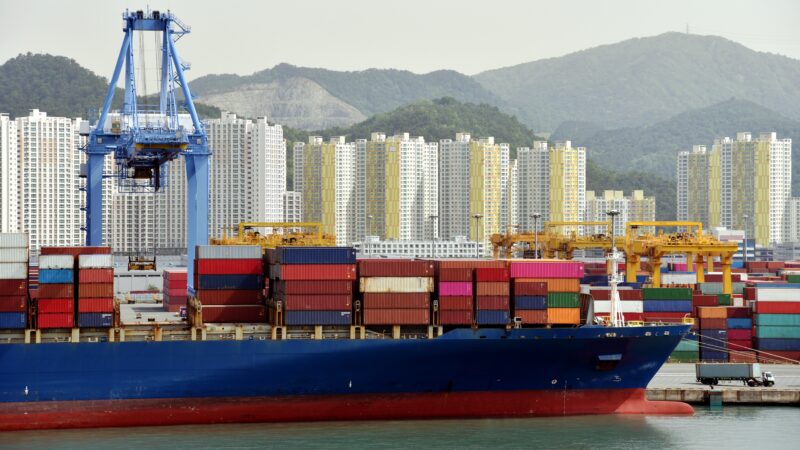
South Korea recorded a historic high in monthly exports in May 2025. According to recently released trade statistics, exports reached USD 87.8 billion, jumping 53.4…
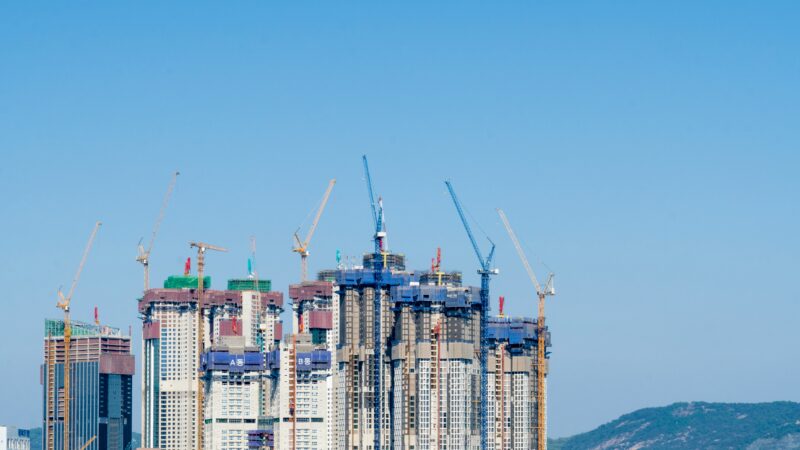
War in the Middle East has cut the global growth outlook. However, despite South Korea’s heavy reliance on Middle Eastern energy, the OECD Economic Outlook in June…
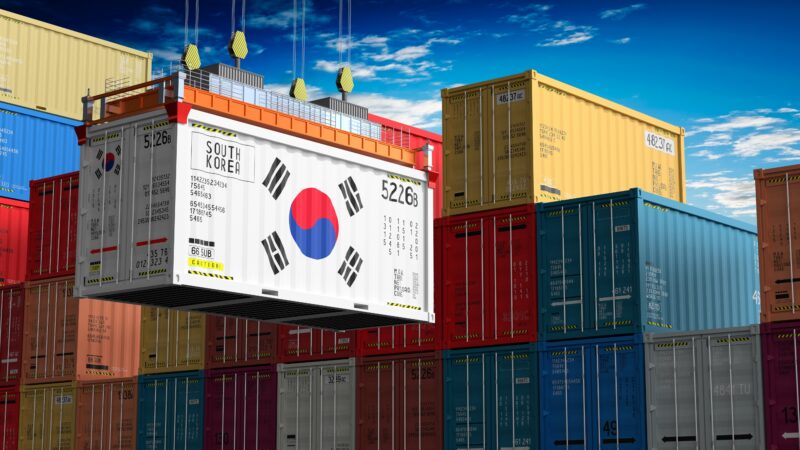
South Korea has become more dependent on China for imports and on the United States for exports. This concentration of trade with the two global…
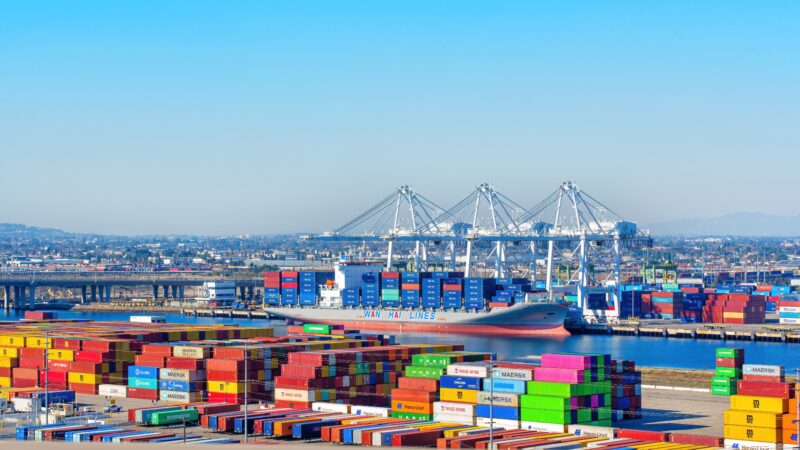
On May 7, the U.S. Court of International Trade (CIT) invalidated the Donald Trump administration’s 10 percent across-the-board tariffs imposed under Section 122 of the…
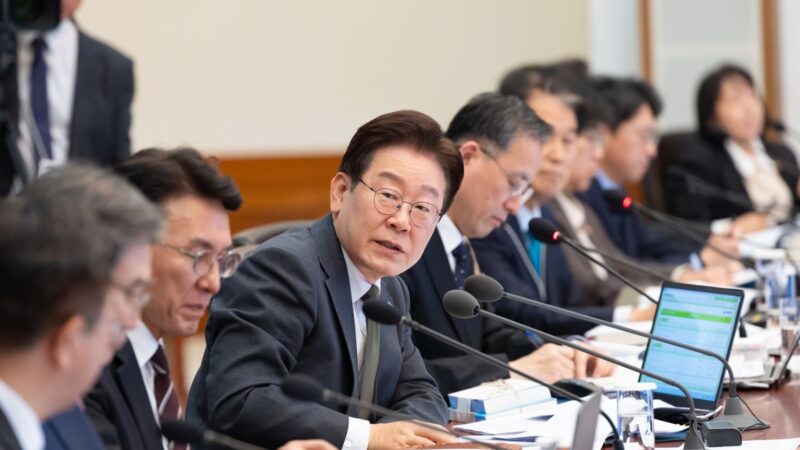
Iran’s failure to achieve nuclear latency has significant implications for South Korea and Japan’s thinking on their own nuclear strategy.

Iran’s failure to achieve nuclear latency has significant implications for South Korea and Japan’s thinking on their own nuclear strategy.