Higher Tariffs on Imported Vehicles and Parts from Korea Will Harm U.S. National Security
Not only are there sound economic reasons not to impose higher tariffs on Korea motor vehicle and parts imports, it will also damage U.S. national security.

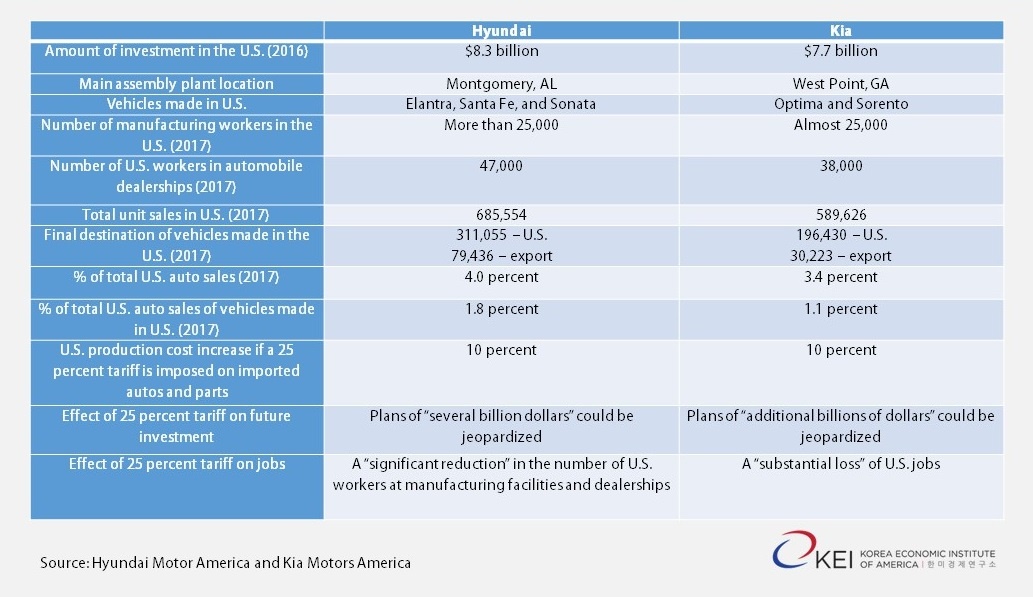
Not only are there sound economic reasons not to impose higher tariffs on Korea motor vehicle and parts imports, it will also damage U.S. national security.
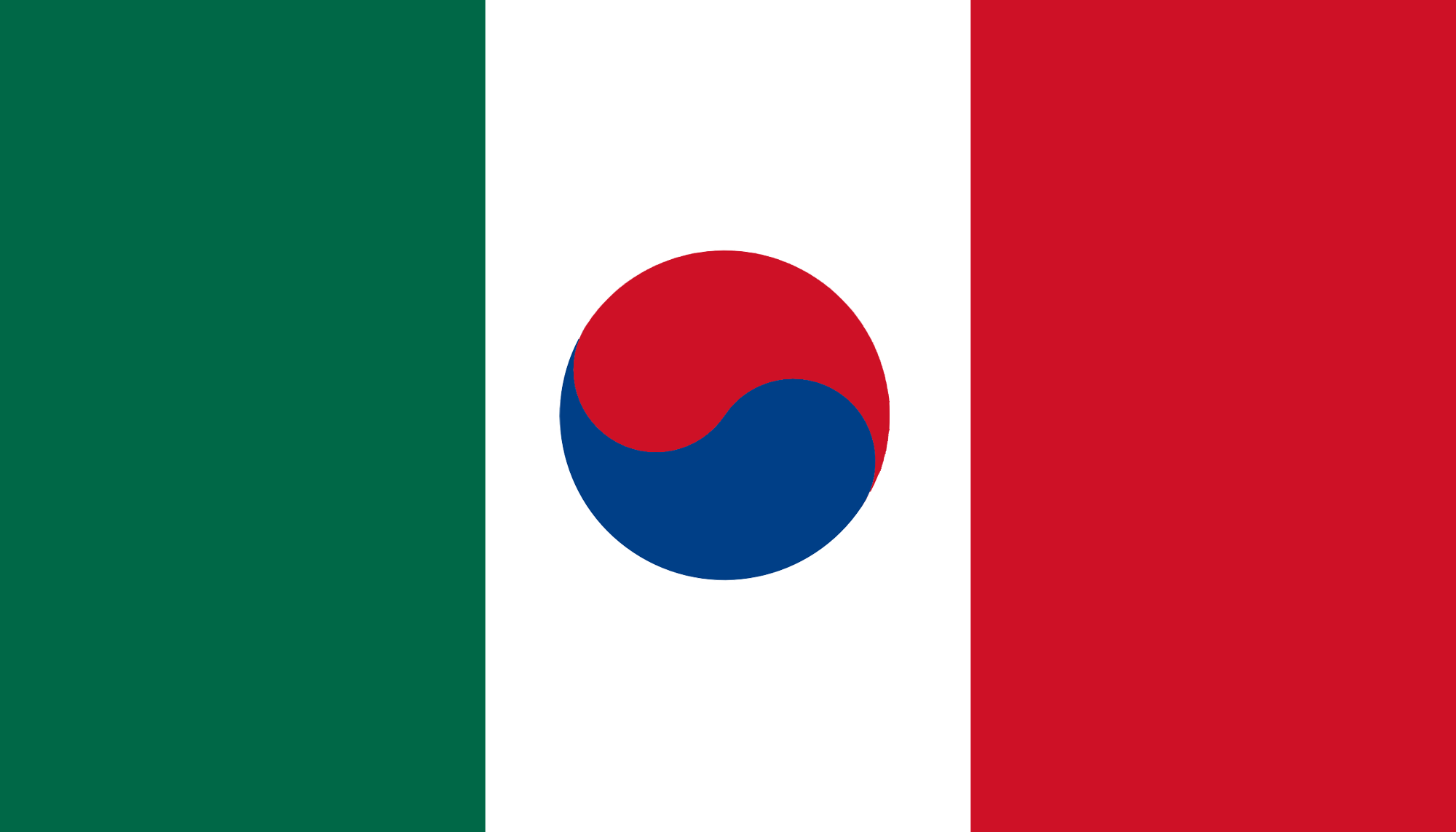
While South Koreans celebrated their team’s upset victory over Germany in the World Cup earlier this week, no country was happier about the win than Mexico.

With the success of The Good Doctor and Better Late Than Never, here are five great Korean shows that may resonate well with an American audience.

Imposing tariffs based on an overly broad interpretation of national security could boomerang against U.S. interests as other nations replicate U.S. actions.
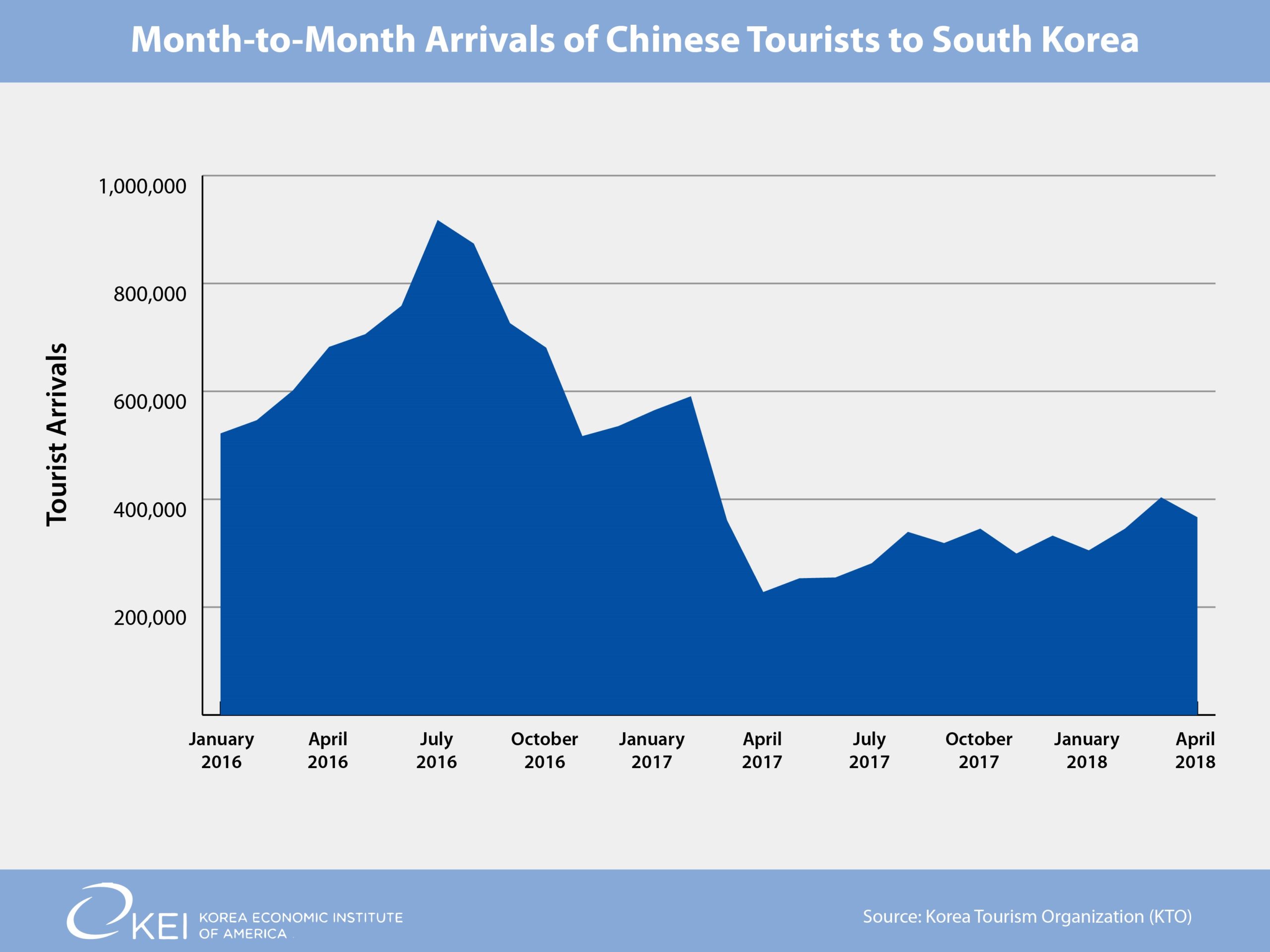
The number of Chinese tourists arriving in South Korea in March and April has increased year-on-year for the first time since February 2017.
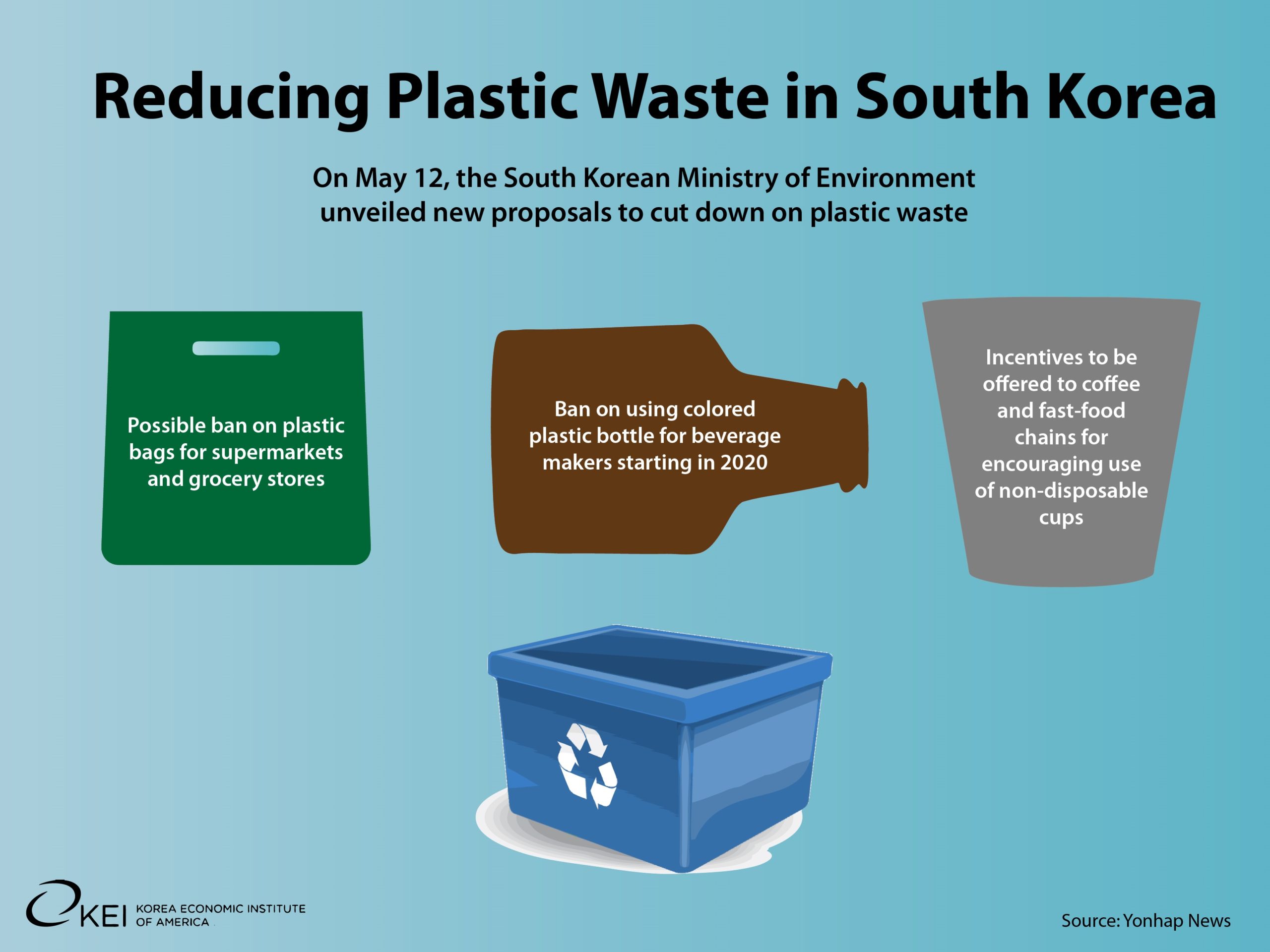
After a sudden Chinese ban on waste and recycling import, South Korea is now scrambling to cut down on the plastic waste that the country generates.

Enhanced bilateral trade and investment under the KORUS FTA has positively impacted the U.S. copyright industries in several ways.
While many have expressed relief over reaching a tentative deal on the KORUS FTA, Korea still could get caught between China and the United States.
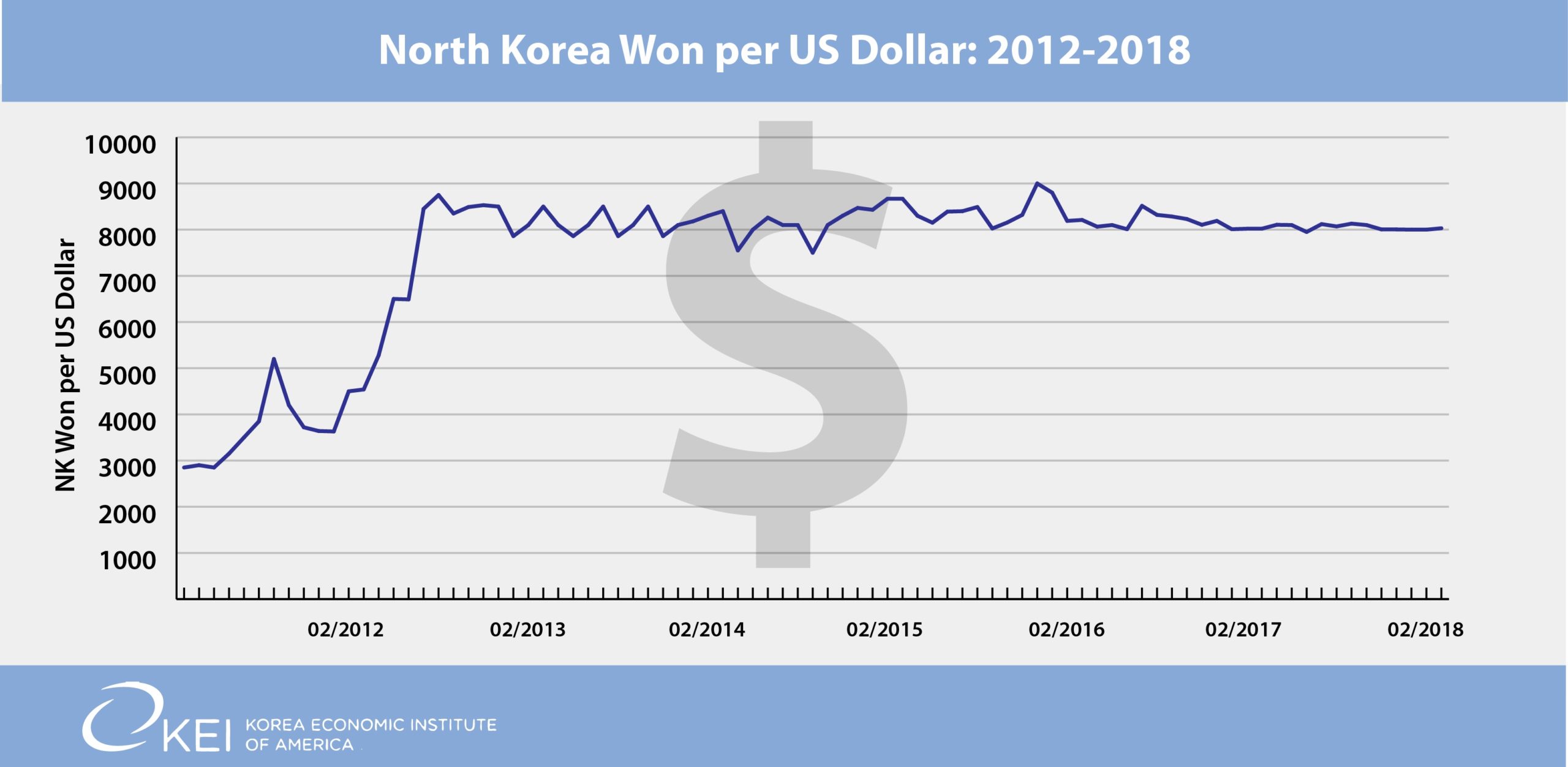
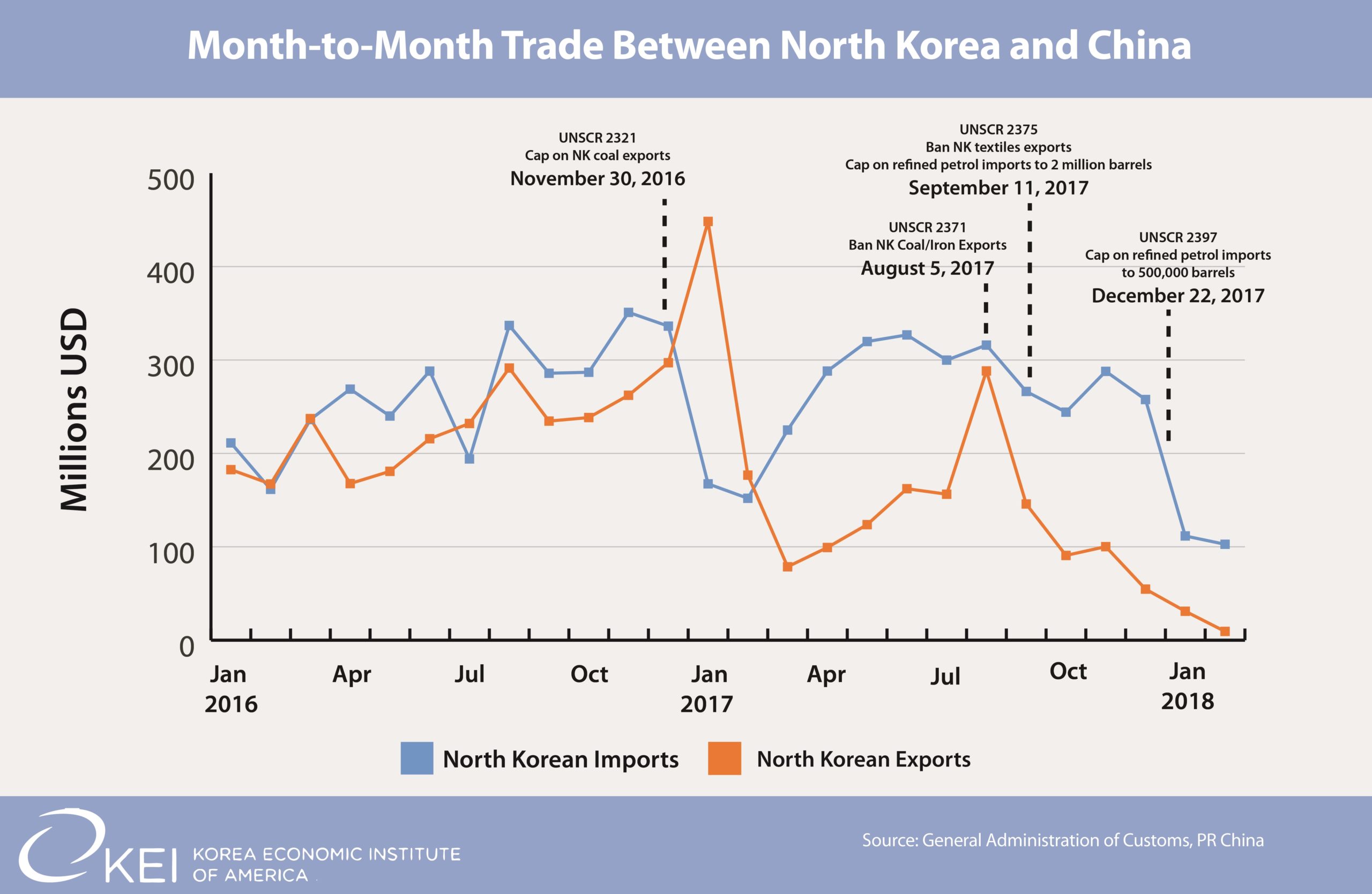
With a near Chinese embargo on exports causing an outflow of reserve dollars, how is North Korea maintaining stability in the domestic money supply.

In fact, NAFTA, and trade deals like KORUS FTA – the United States-Korea Free Trade Agreement – are keeping our farms and rural communities not just afloat, but at the forefront and rapidly growing.