South Korean Economic Concerns Dampen Moon’s Approval Ratings
For the first time in his presidency, South Korean President Moon Jae-in has seen his approval ratings fall below 60 percent as economic issues rise to the forefront of public concern.

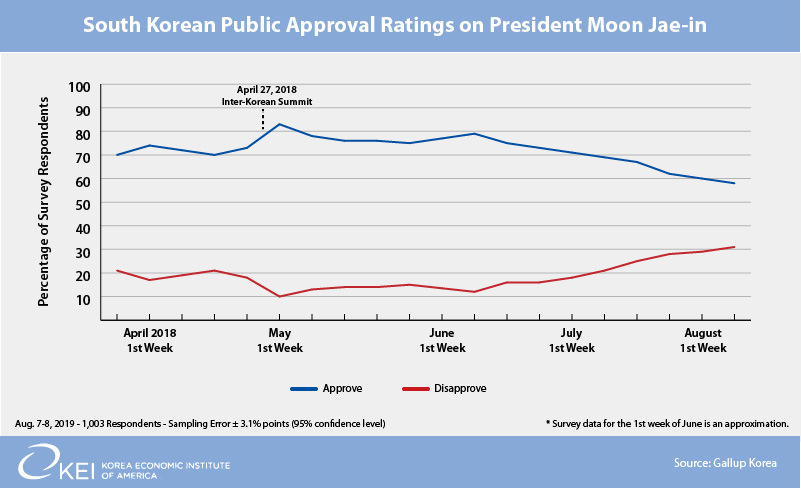
For the first time in his presidency, South Korean President Moon Jae-in has seen his approval ratings fall below 60 percent as economic issues rise to the forefront of public concern.

South Korea is fighting a rash of spy cam crimes – people who film women in places like toilets or the subway without their permission.

Known for its “inhumanely long” workweek, South Korea just shortened its maximum working hours from 68 to 52 hours per week.
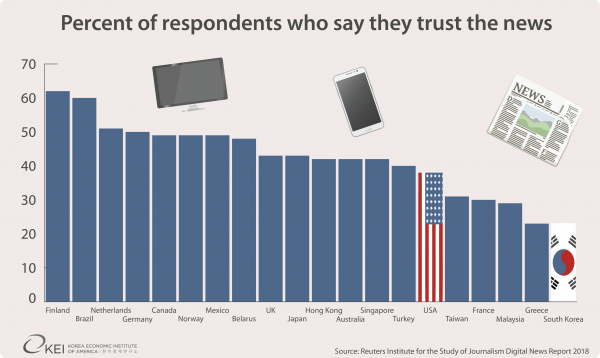
Americans have been grappling recently over media trustworthiness. But when it comes to distrust in the news, the U.S. has nothing on South Korea.
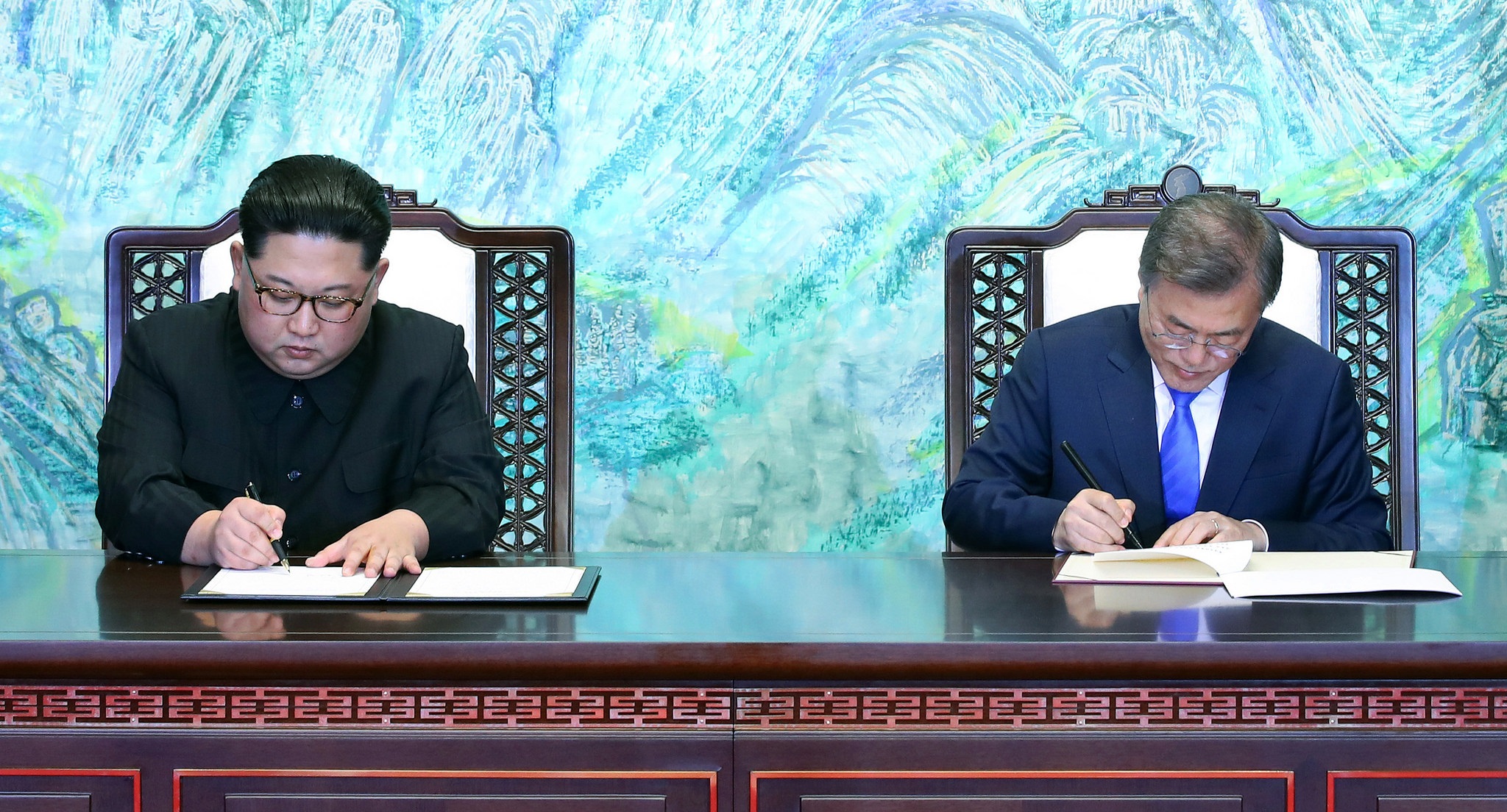
The two Koreas have embarked on a trust-building process after years of confrontation which drove the peninsula to the brink of war.
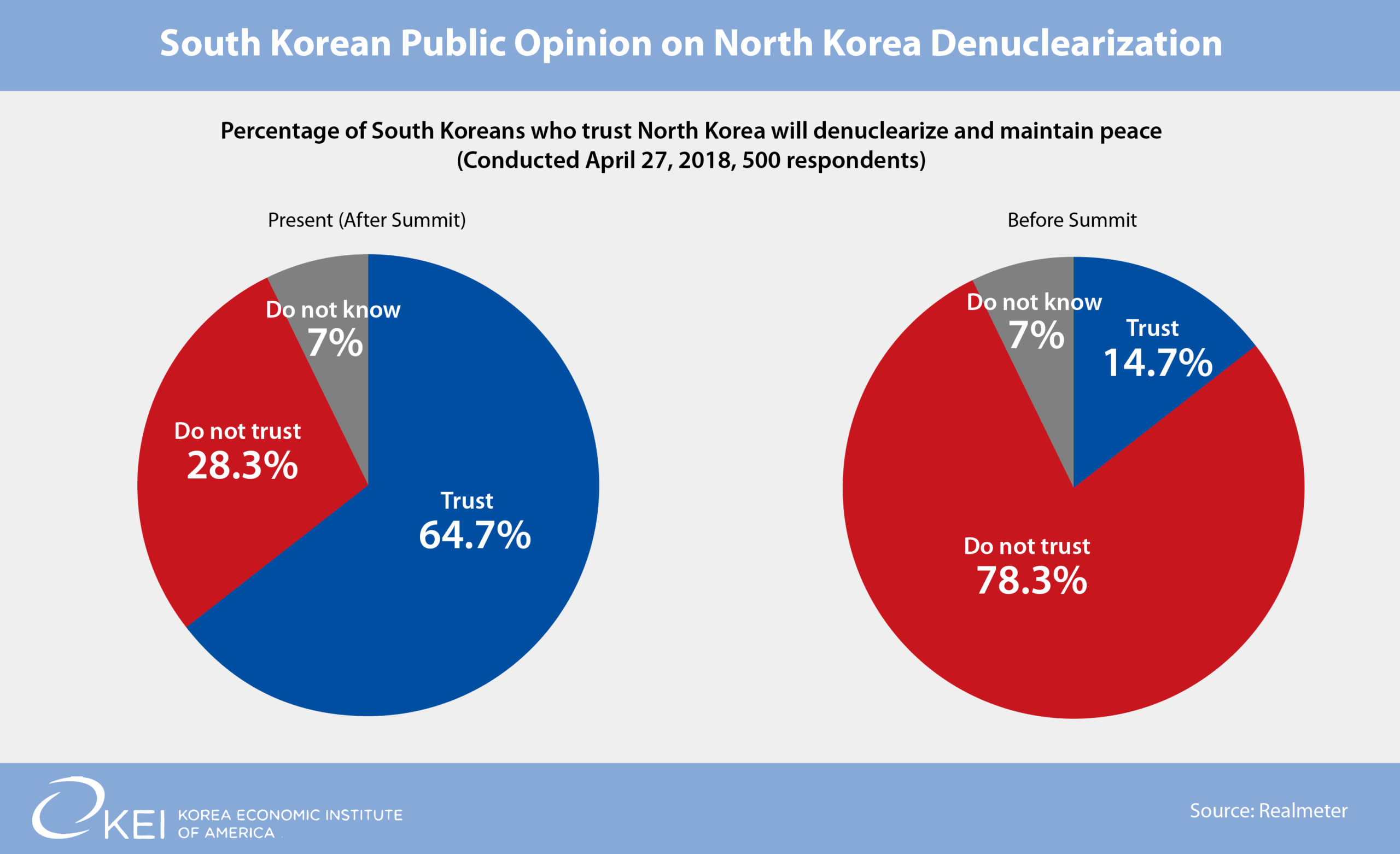
The significant shift in poll numbers highlight how impactful the summit was for South Koreans and their hopes for a peaceful resolution on the Korean peninsula.
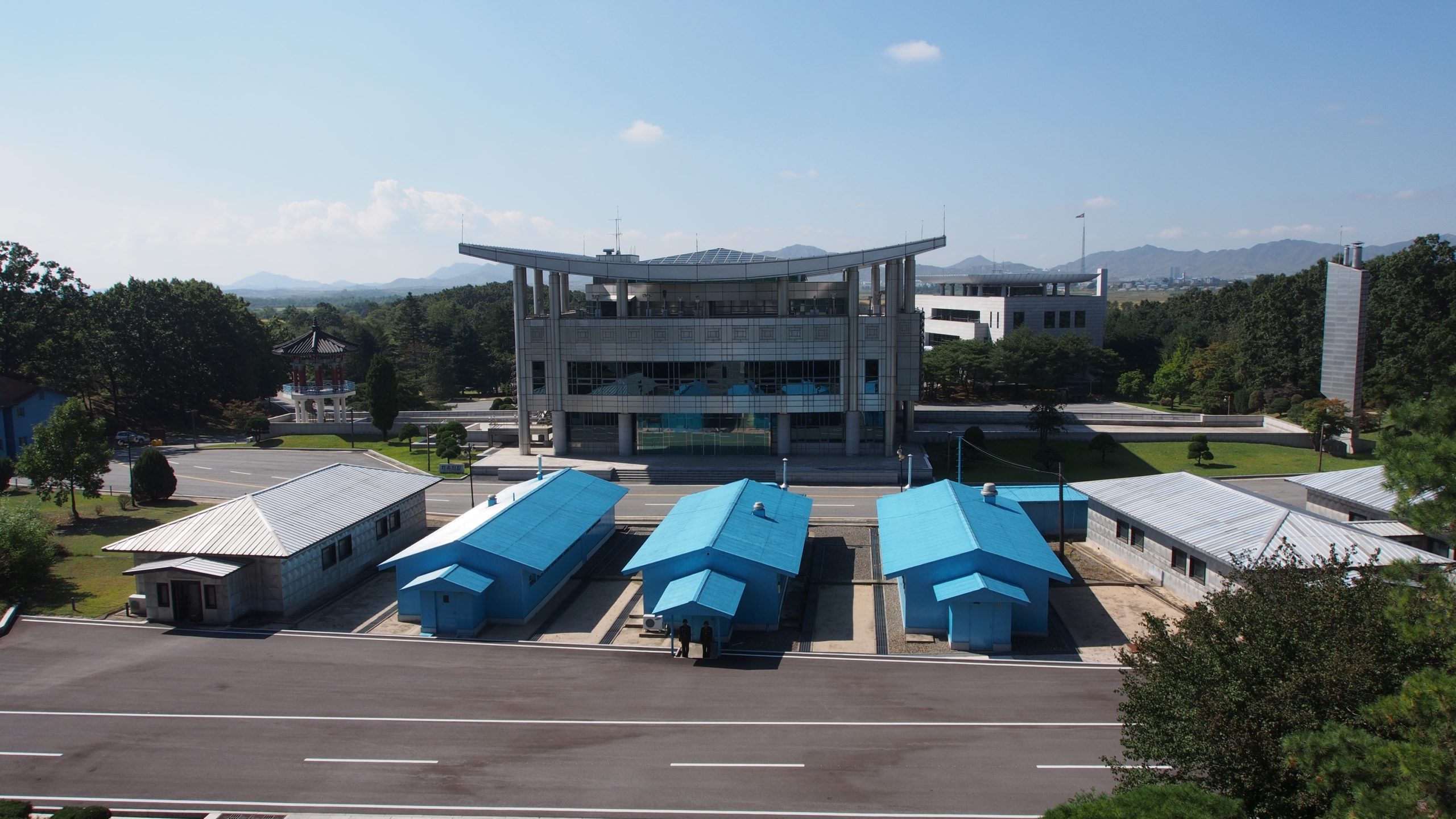
The April 27 summit was full of symbolism, imagery, and rhetoric. That should not be brushed aside to look for “real” progress. Symbolism is important in itself.

The world’s attention will be on the Korean peninsula this week as President Moon Jae-in and Kim Jong-un meet televised at the DMZ.

In what is being hailed as a significant step by the United States and South Korea, North Korea has announced that it has suspended missile tests and will shut down its nuclear test site. While seemingly an important step towards denuclearization, the move by North Korea only affirms prior statements by the regime.

Ahead of negotiations, the North Korean government can boost their credibility by proactively addressing nuclear safety and security.