Bipartisan Consensus on Economic Priorities
President Yoon Suk Yeol’s national vision echoes the priorities of previous administrations, particularly around the need to boost small businesses.

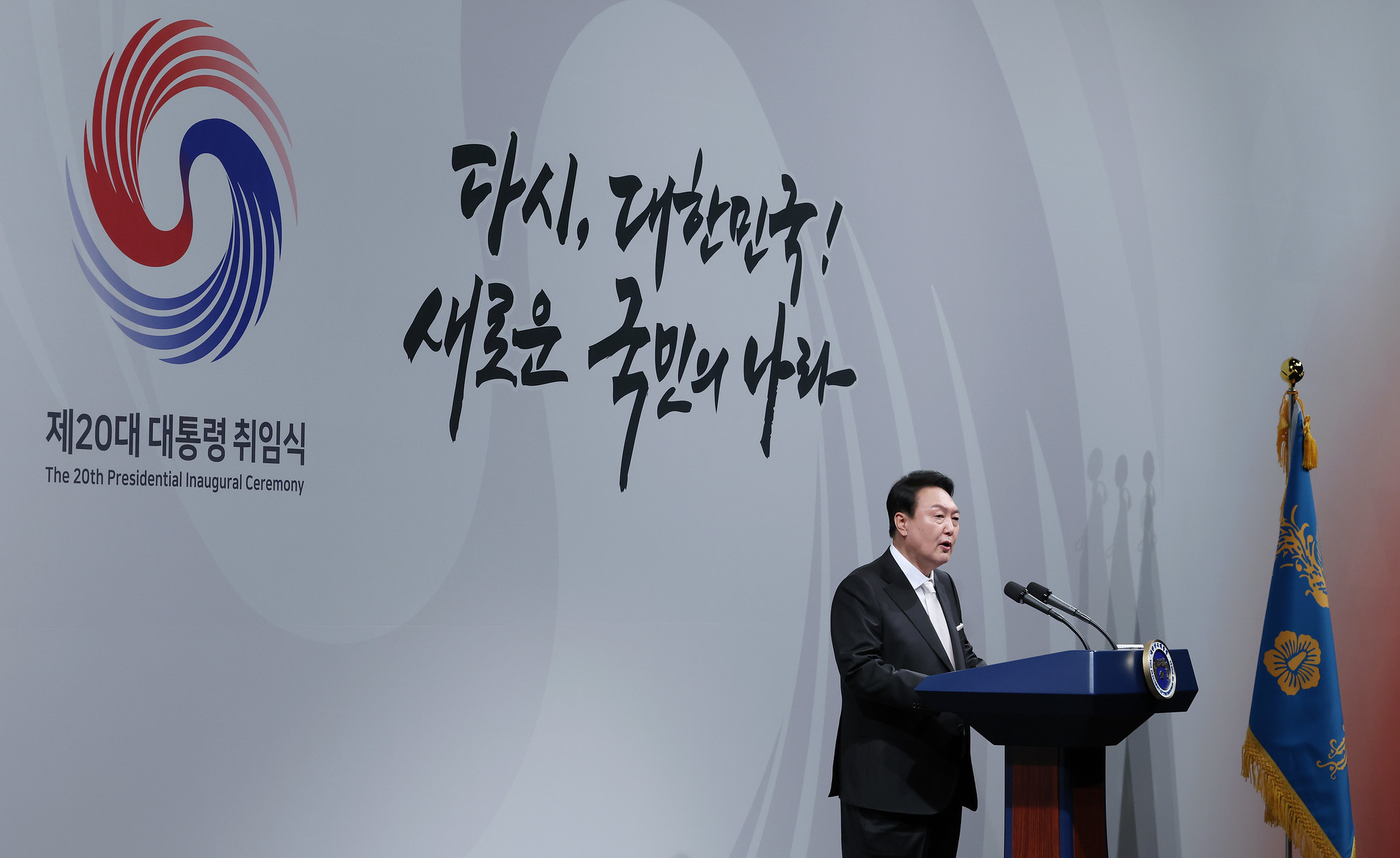
President Yoon Suk Yeol’s national vision echoes the priorities of previous administrations, particularly around the need to boost small businesses.

Distorted historical narratives prevent South Korea from fully coming to terms with the 1980 Gwangju Democracy Movement and inhibit democratic growth.
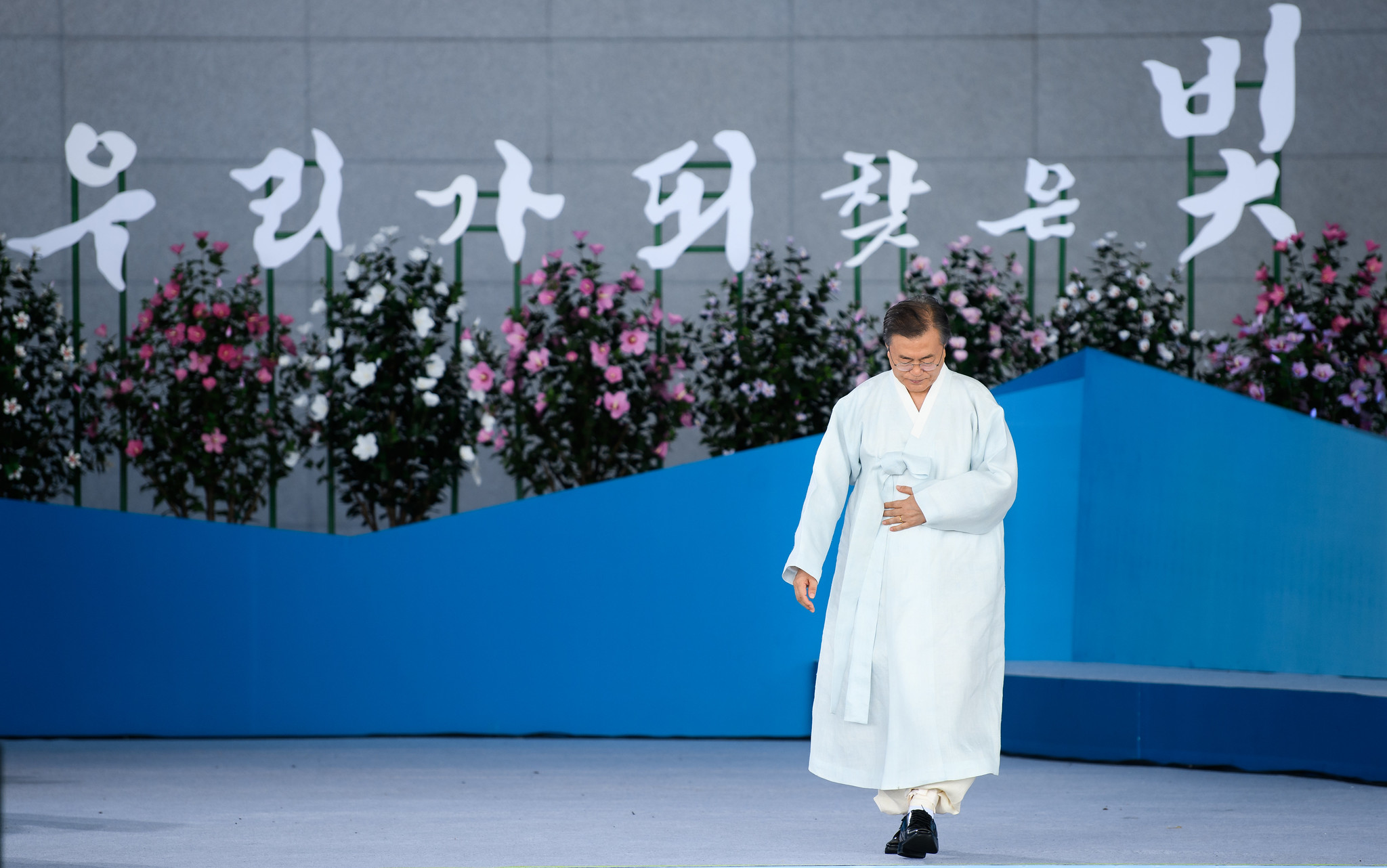
Pragmatism represents a common theme in South Korea’s liberal foreign policy, responding to external pressures as well as internal constraints.
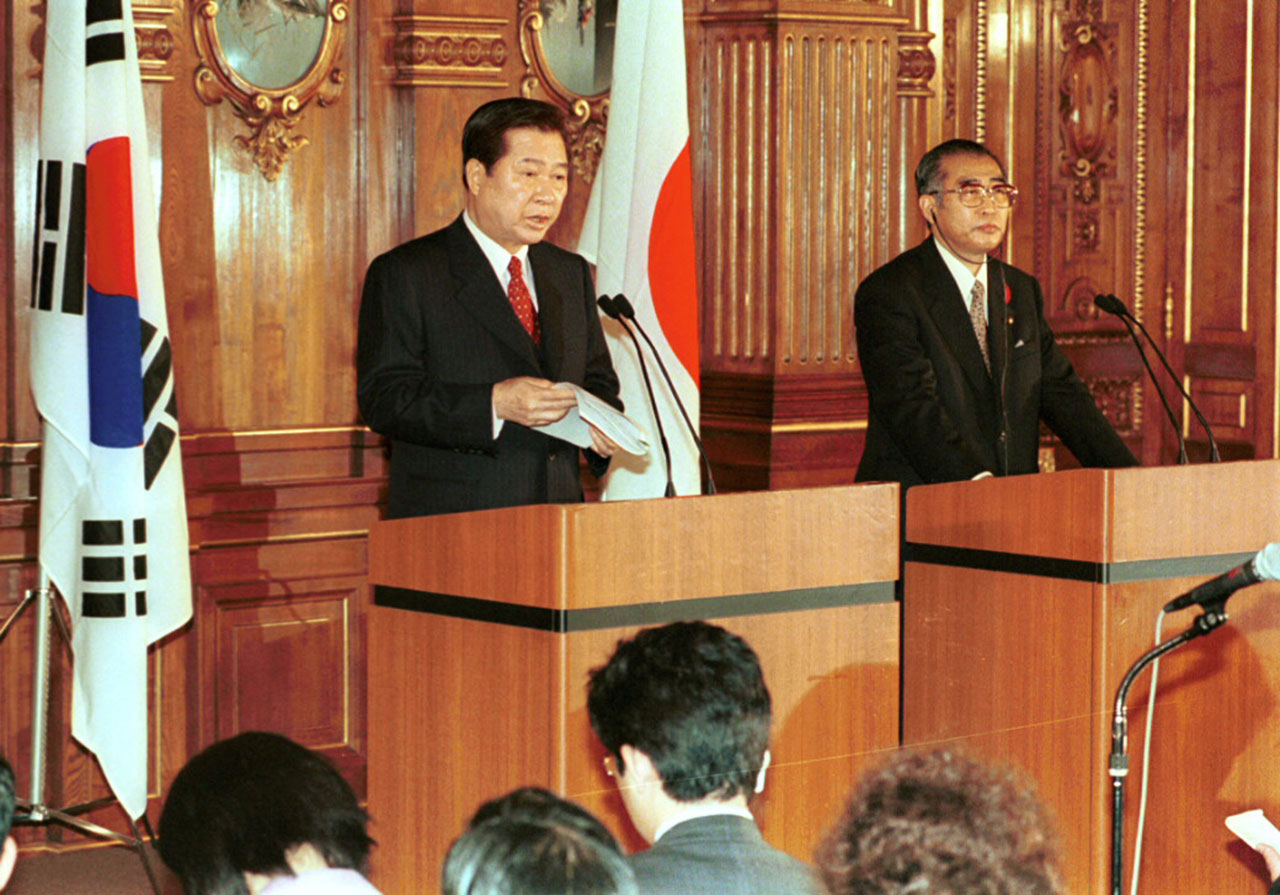
Many in DC view Korea’s liberal administrations as anti-American, but the foreign policy of Presidents Kim Dae-jung and Roh Moo-hyun says otherwise.
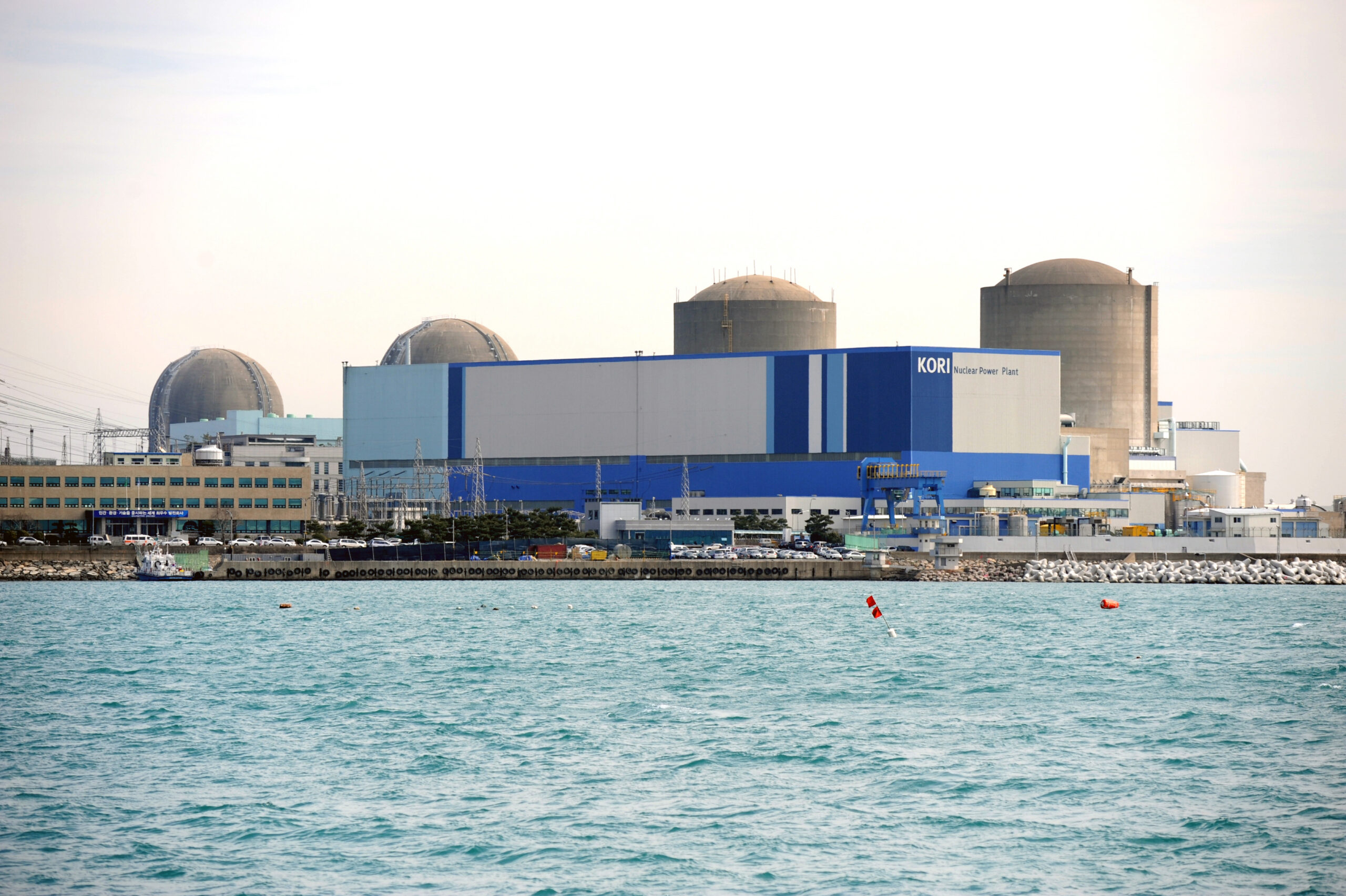
Despite past safety scandals and activists’ fear of disaster, the South Korean public finds nuclear power’s relatively low cost appealing.

President-elect Yoon’s transition team announced a plan to reinstate North Korea as the “main enemy,” a move that has a long history.
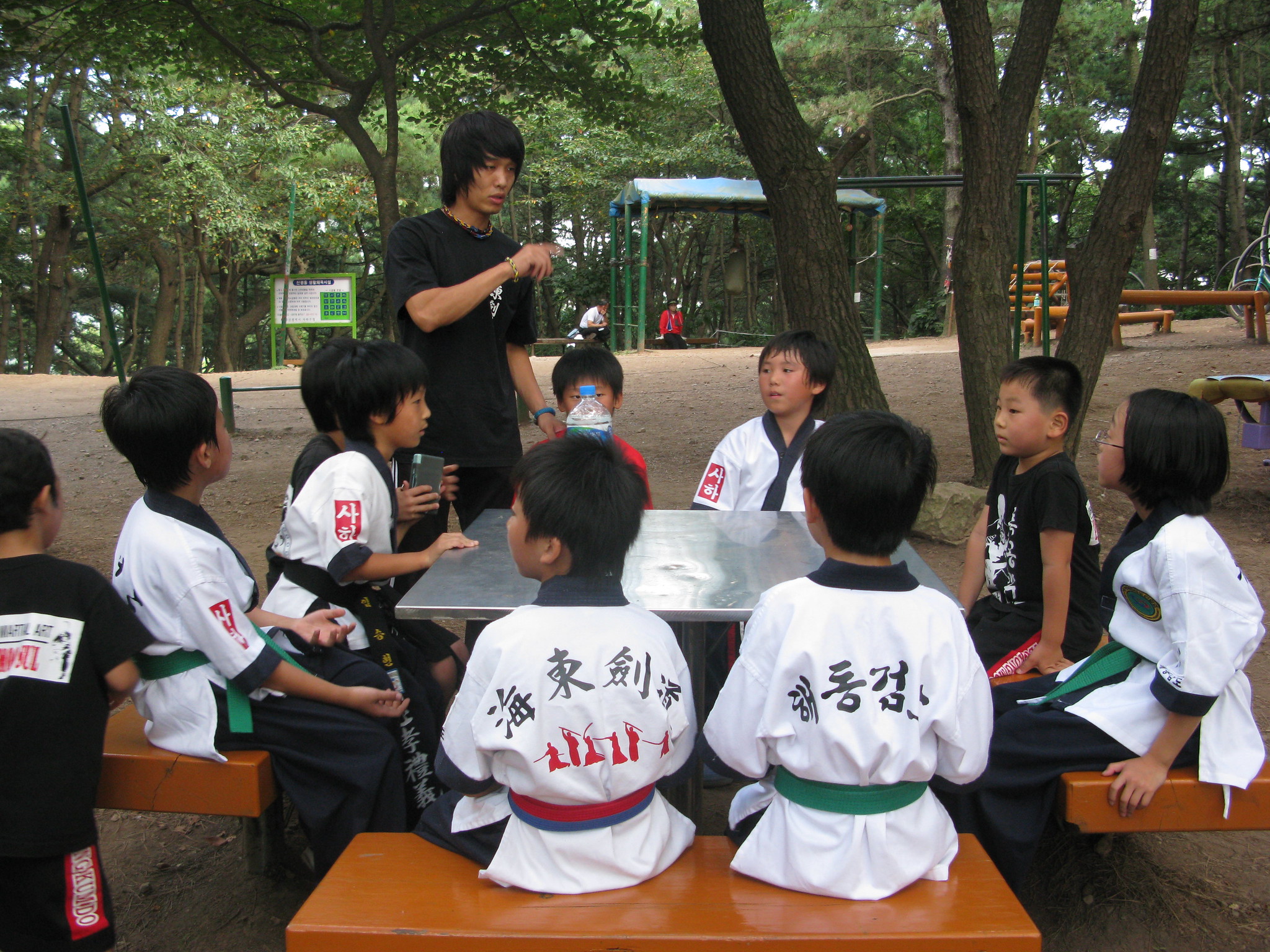
As single-person households become increasingly common and birthrates continue to fall, lawmakers are forced to adapt to reverse demographic trends.
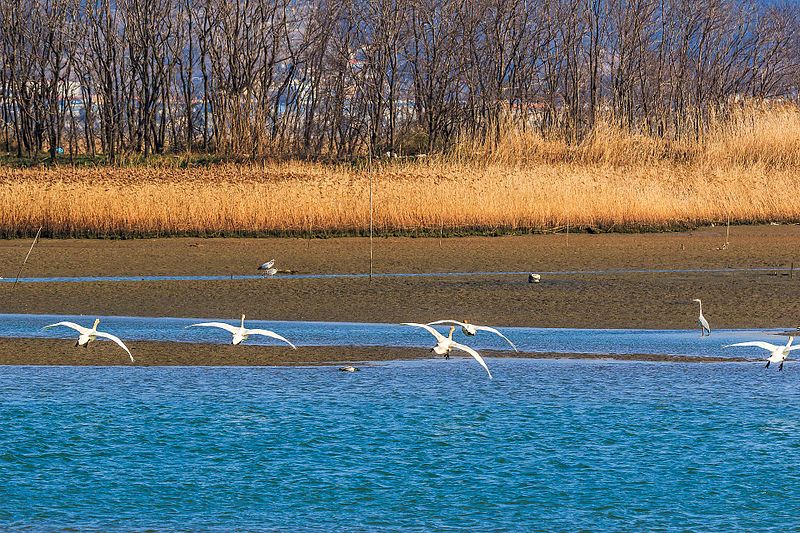
A newly constructed smart village seeks to advance green growth alongside digital infrastructure but its placement in a pristine habitat may go against its aims.

The Moon Administration wants to resume rules aimed at reducing plastic waste, but consumers and small business owners are wary.

South Korean policymakers have long promoted green technology not only for carbon neutrality but also for its capacity to create jobs.