Quiet over the Deportation of North Koreans
While human rights groups condemned the extradition, the disinterest of the South Korean people may reflect changing domestic attitudes towards North Korea.


While human rights groups condemned the extradition, the disinterest of the South Korean people may reflect changing domestic attitudes towards North Korea.
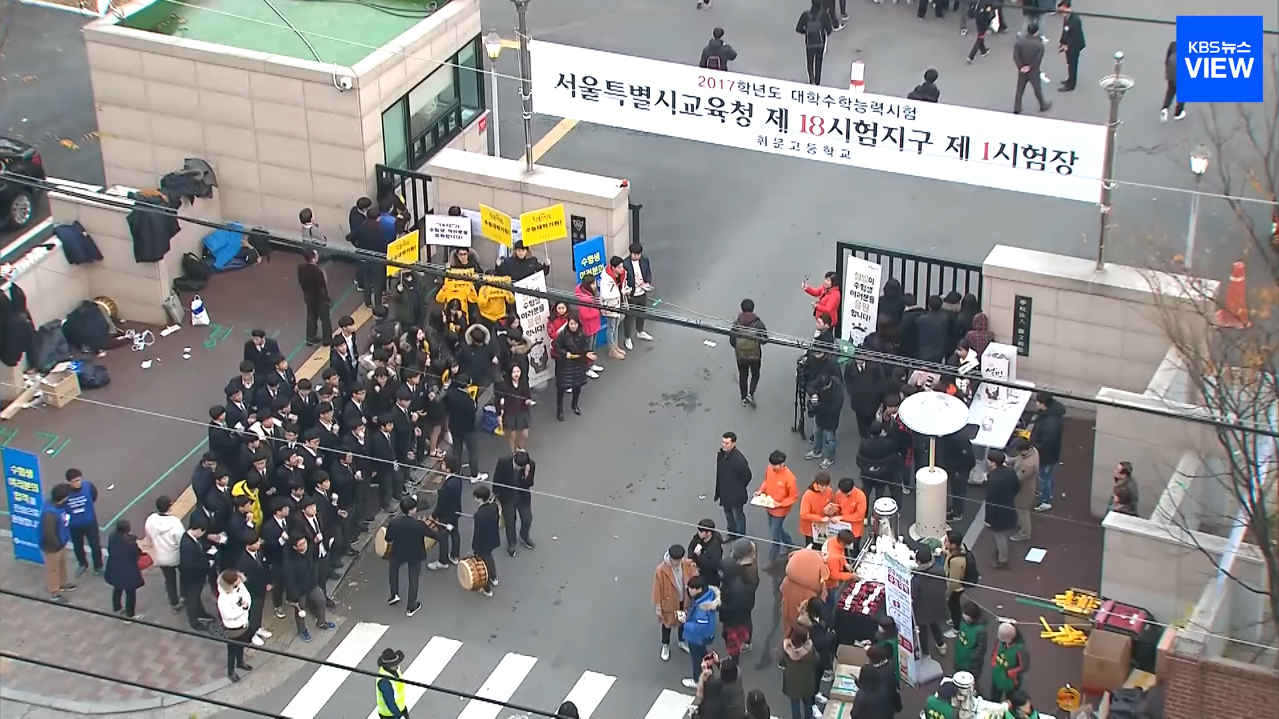
The modification of college admission standards may intensify the housing demands in wealthier neighborhoods and exacerbate wealth inequality.

South Korean government is under pressure to come up with a “win-win” solution that accommodates innovation and employment.

As Korea braces for another season of heavy fine dust, questions remain on whether the government’s new policies are addressing the root of the problem.

Despite its limits, the new anti-harassment law appears to be having a positive impact on South Korea’s workplace culture.

Laws requiring metro workers to minimize disruptions to public transportation during strikes are reflective of the adversarial environment facing unions.

Lucrative fossil fuel projects and lingering domestic concerns around nuclear power pose challenges for Seoul’s ecological aspirations
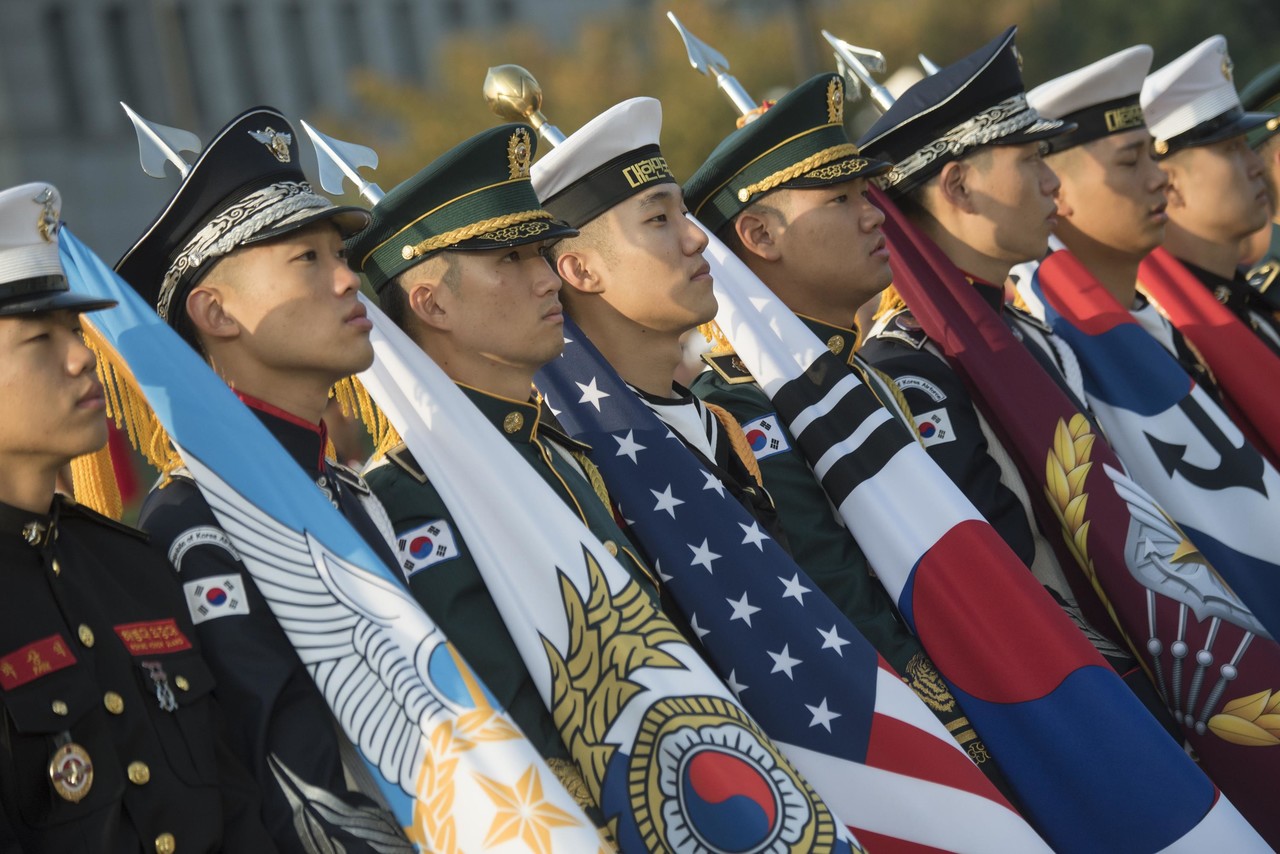
The government’s public relations campaign aims to address disaffection among young men who are chafing under military service obligations.

While it remains an avenue for engagement with North Korea, South Koreans are more wary of bearing the cost of sports diplomacy.

The transfer of wartime operational control of South Korean military from Washington to Seoul remains a wedge issue in Korean politics.