Moon Jae-in Takes a Different Path to Change in South Korea
Moon Jae-in is showing he is different not by tearing apart Park Geun-hye’s legacy entirely, but rather by utilizing part of it to his advantage.

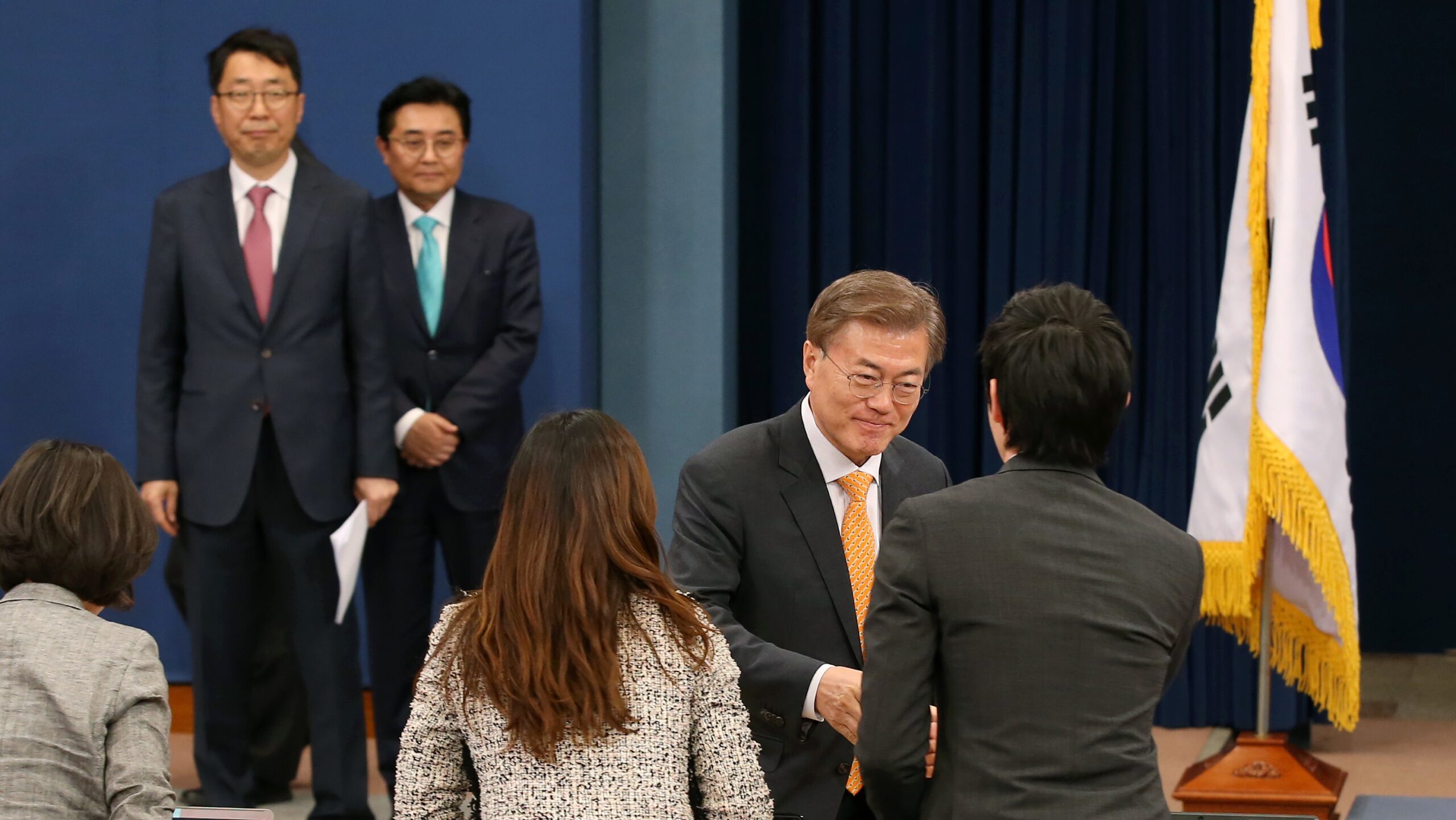
Moon Jae-in is showing he is different not by tearing apart Park Geun-hye’s legacy entirely, but rather by utilizing part of it to his advantage.
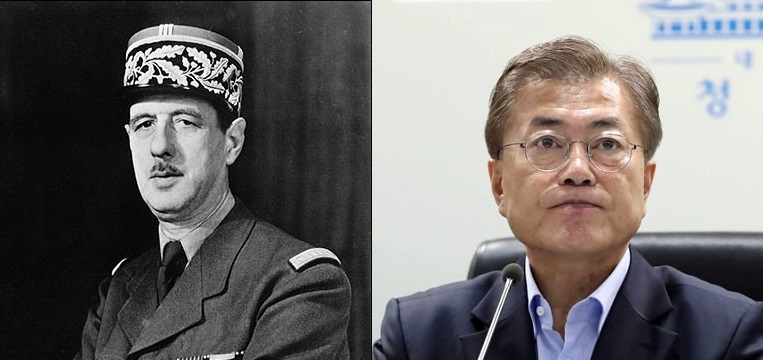
One contextual parallel between the two presidents is that Moon and de Gaulle both came to power following a domestic political crisis.

On August 9, right before hitting his 100th day in office, Korean President Moon Jae-In unveiled his plan to expand Korea’s already extensive healthcare system, a proposal quickly dubbed “Mooncare.”
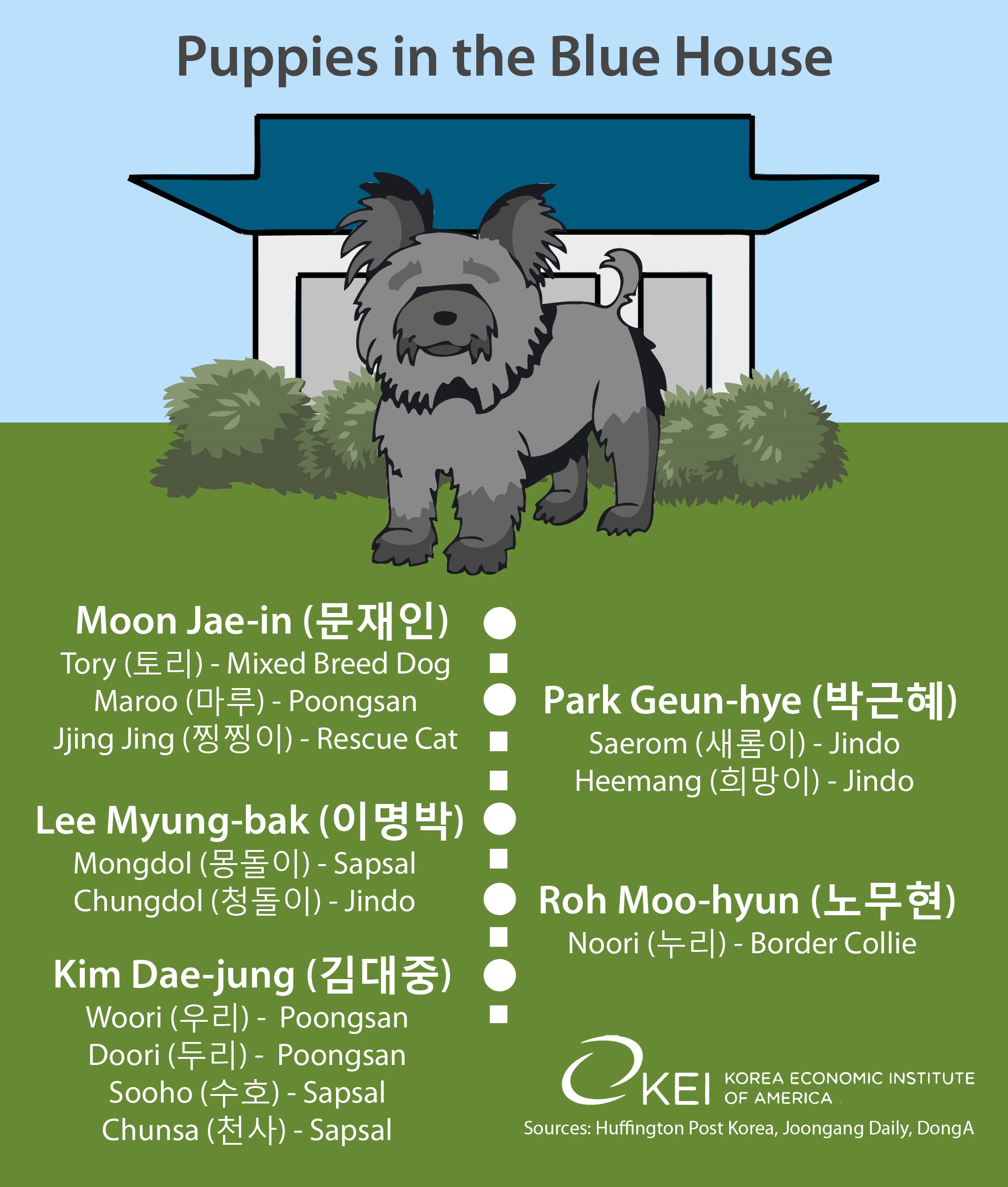
South Korean President Moon Jae-in garnered attention last week with the announcement of the newest presidential resident, a rescue dog named Tory.
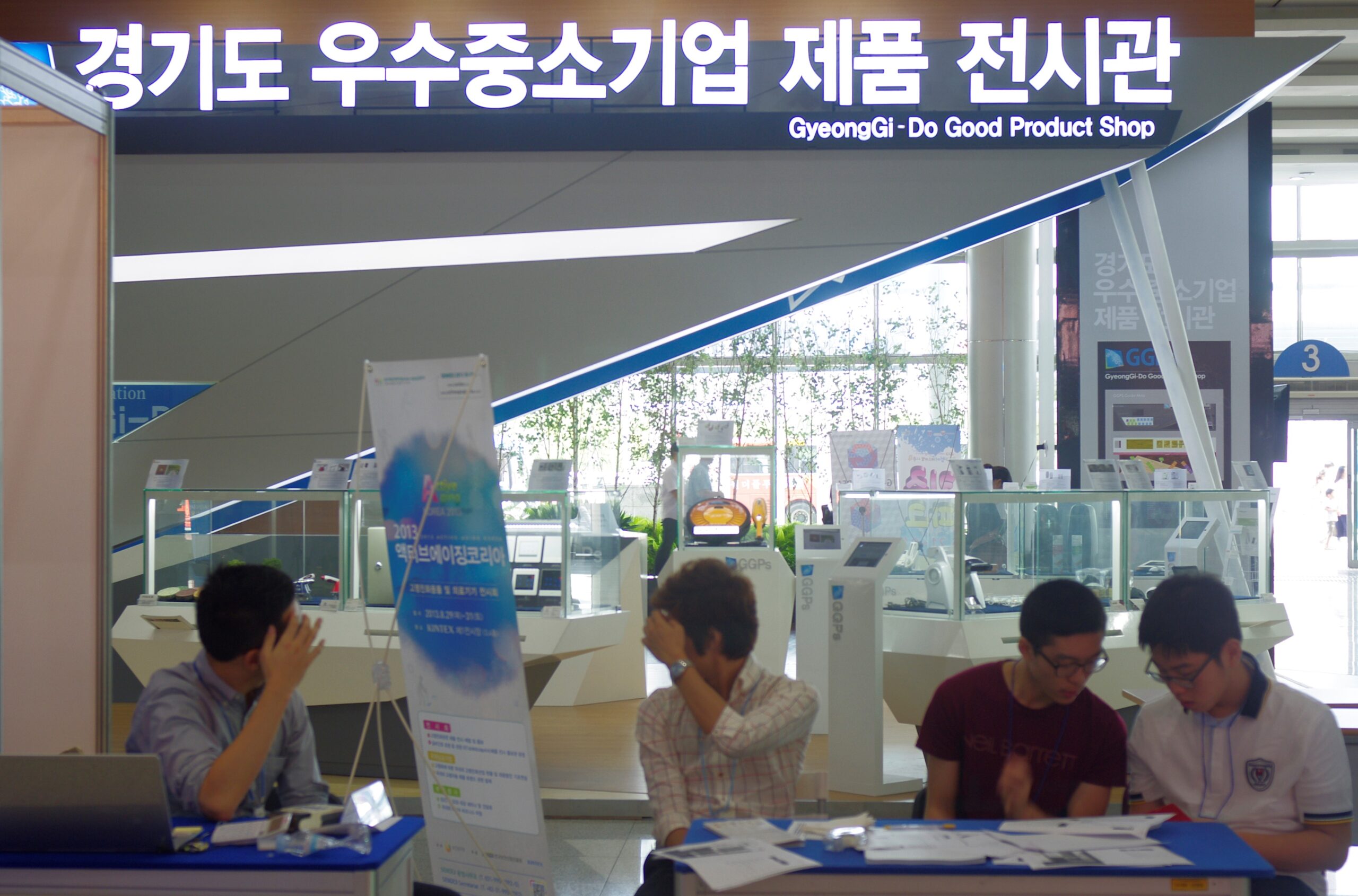
The future of Korea’s economy may depend on SMEs (Small and Medium sized Enterprises) just as much as is does on the large traditional companies, the chaebol.
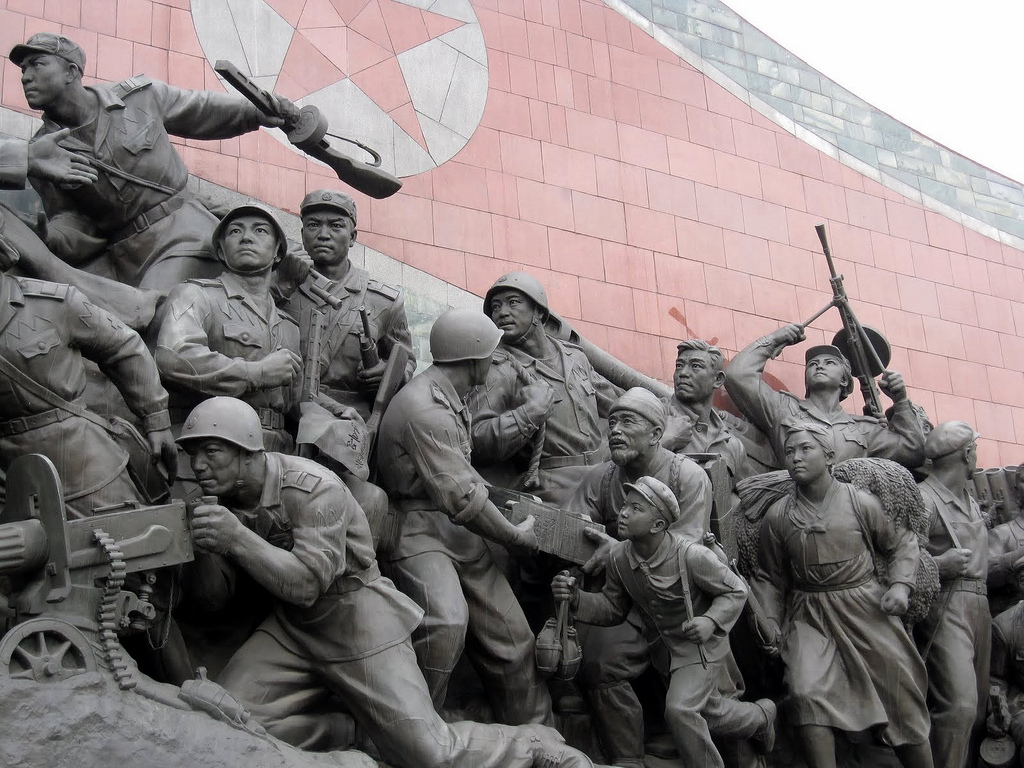
It usually takes some time to figure out the details of what a North Korean missile test has accomplished – what type of missile it was, how it performed, its capabilities – but from the initial information regarding North Korea’s July 4th missile test, it appears that they have successfully tested an Intercontinental Ballistic Missile (ICBM).
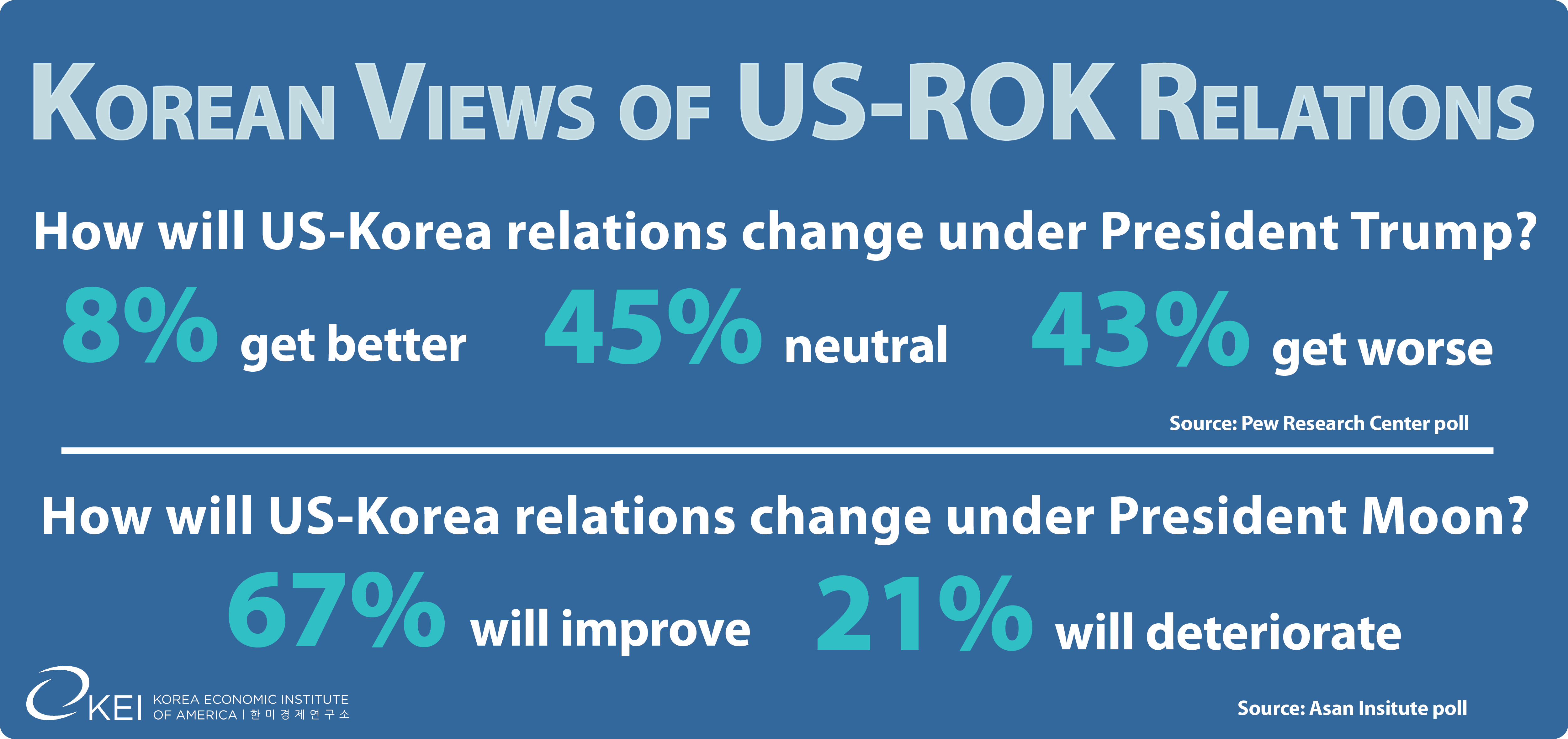
As President Moon Jae-in meets with President Trump this week to discuss new issues as well as longstanding ones such as the North Korea nuclear problem, his flexibility both in Washington and after his return to Seoul depends on public opinion at home.

On December 19 1950, the SS Meredith Victory, a 7,600-ton merchant marine vessel, was about to leave from the North Korean port city of Hungnam. Hundreds of thousands of refugees flocked to the pier at Hungnam as the bombing of the Chinese army came closer.
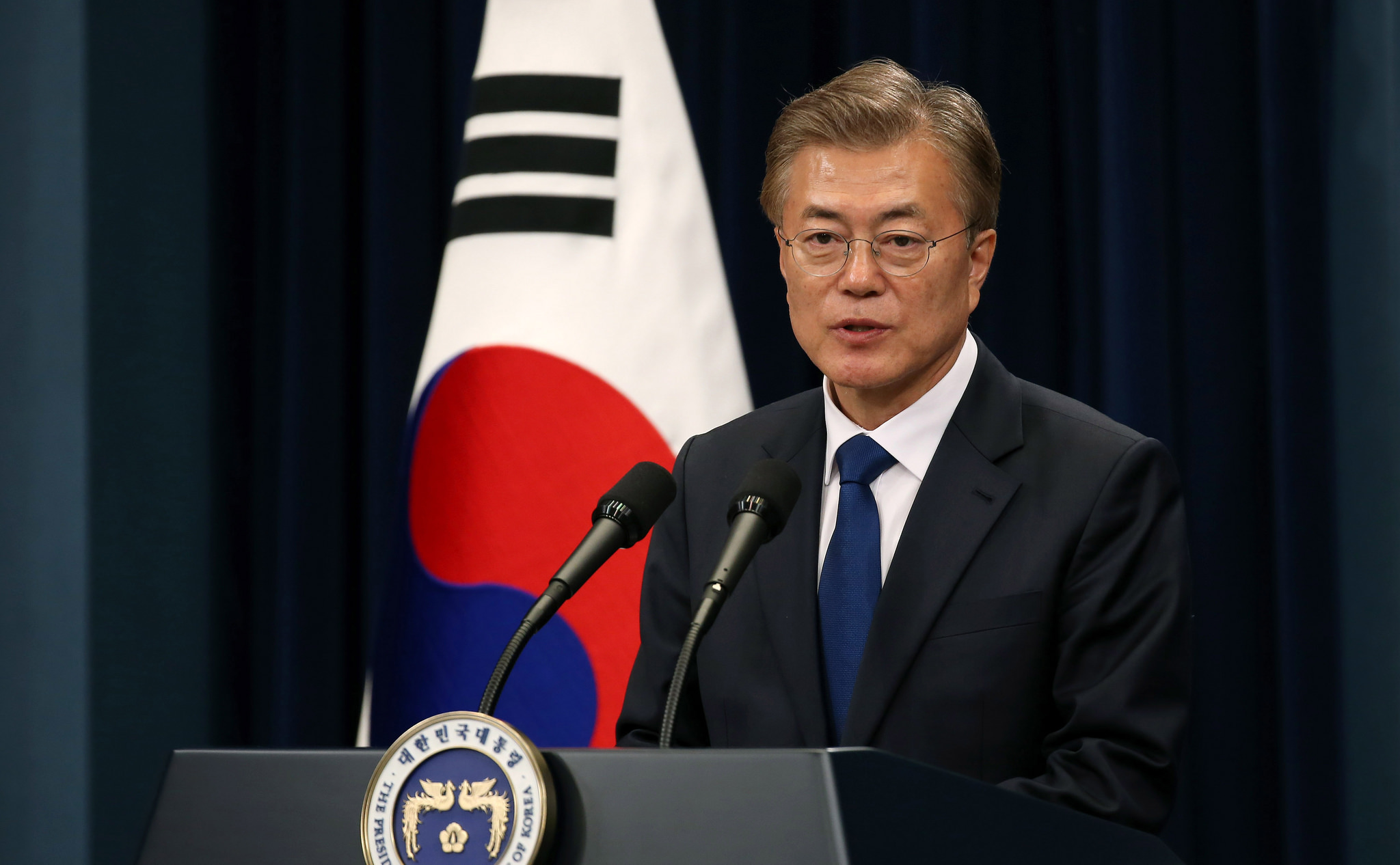
An unexpected early presidential election was held on May 9 in South Korea. This election was the result of the impeachment of President Park Geun-hye. The election was won by Moon Jae-In, who strongly argued for eradicating ‘deep rooted evils”’ in Korean society, referring to the turmoil from the former President Park.

Beijing has approved the broadcast of a new Korean drama that had been co-produced by a Korean and a Chinese company, according to a source in the Chinese entertainment industry, making it the first Korean show to get the green light since before the THAAD spat.