Commitment to Recognizing Historical Issues
The Moon administration’s effort to recognize the victims of the Jeju Uprising shows that South Korea is committed to addressing historical issues.

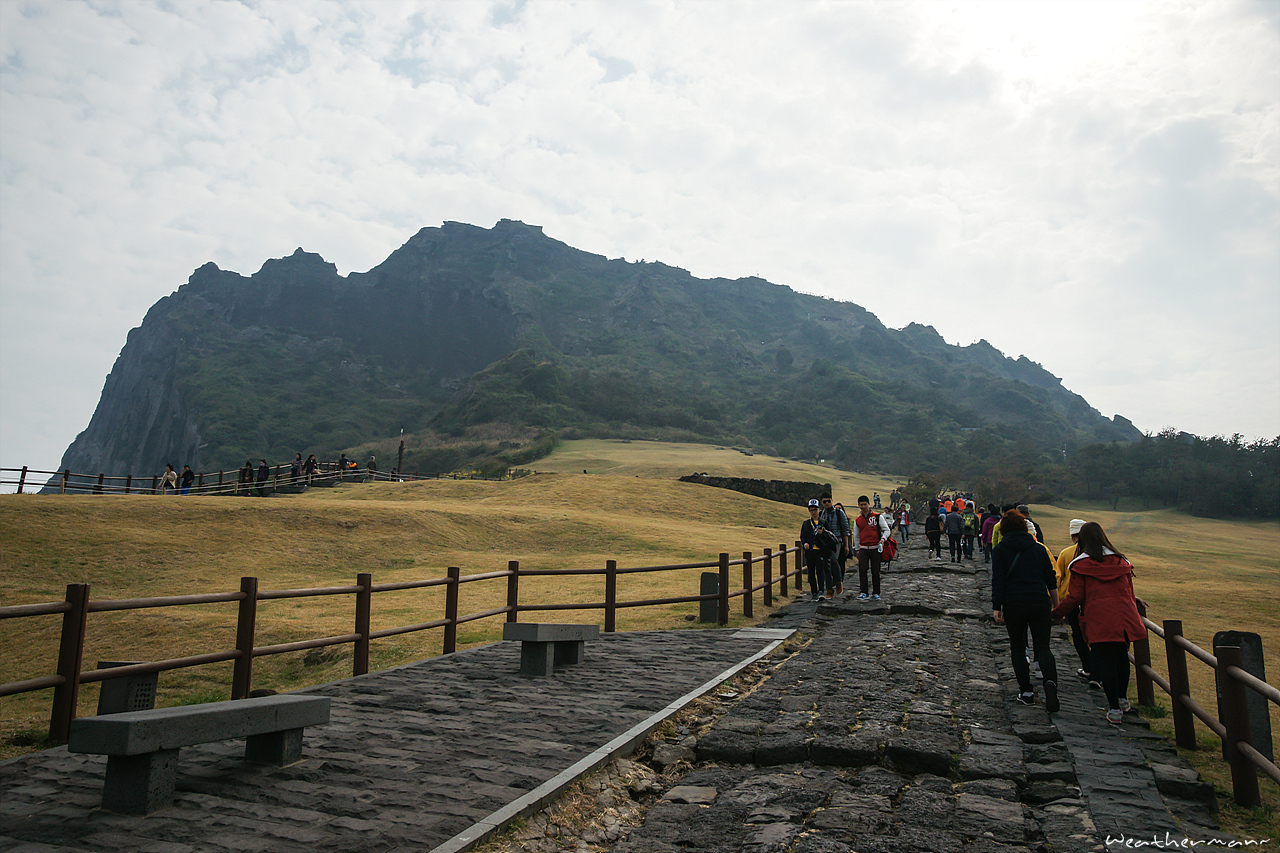
The Moon administration’s effort to recognize the victims of the Jeju Uprising shows that South Korea is committed to addressing historical issues.

Moon Jae-in upholds the promise of separating history from improving bilateral relations despite new tensions over Japan’s history books.

Despite the tone and veiled threat, Pyongyang’s recent criticism of U.S.–ROK joint military drills may not necessarily signal an escalation of tensions.
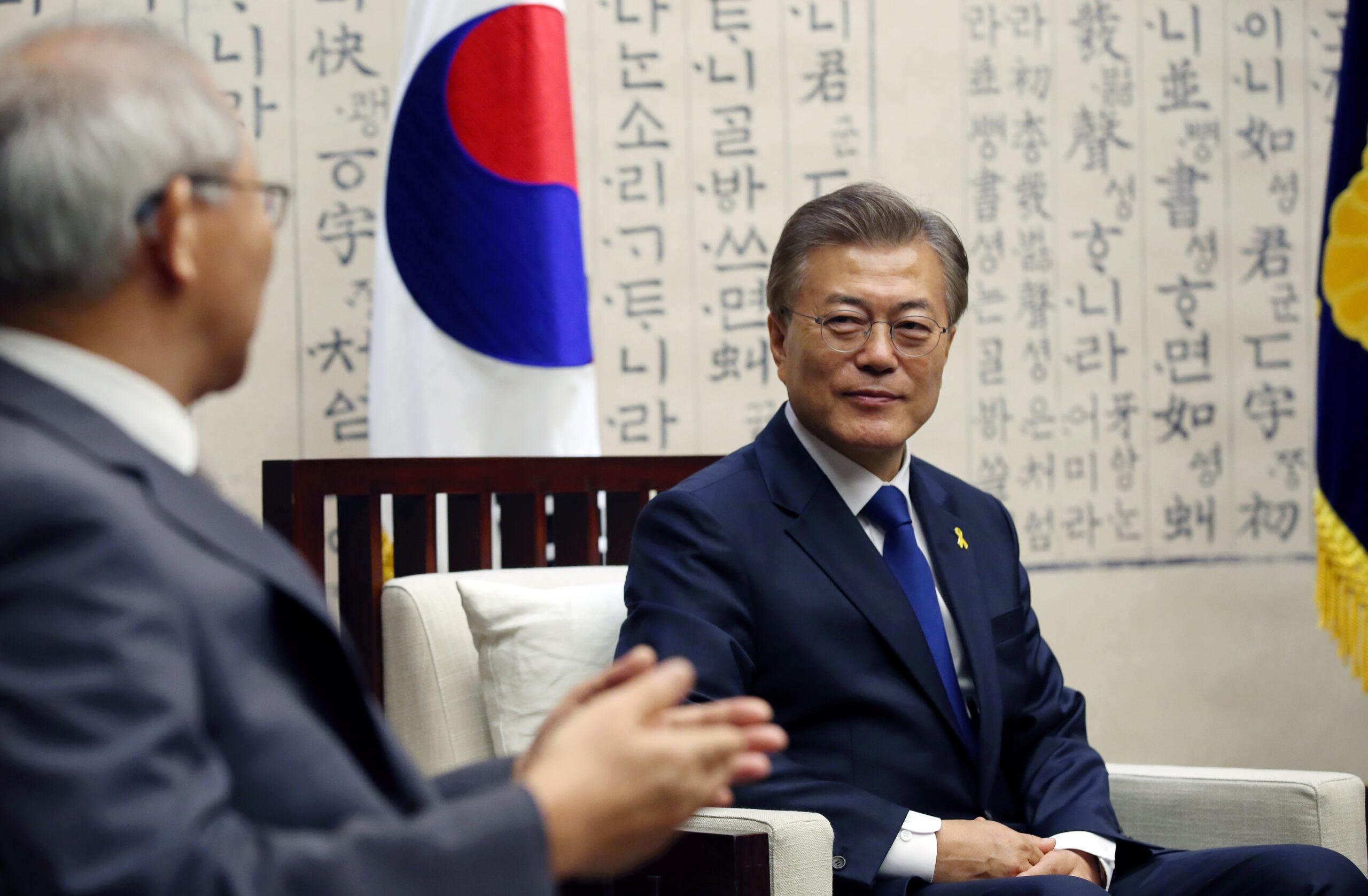
Opinion polls show growing support of critics of the Moon administration and the main opposition People Power Party (PPP).
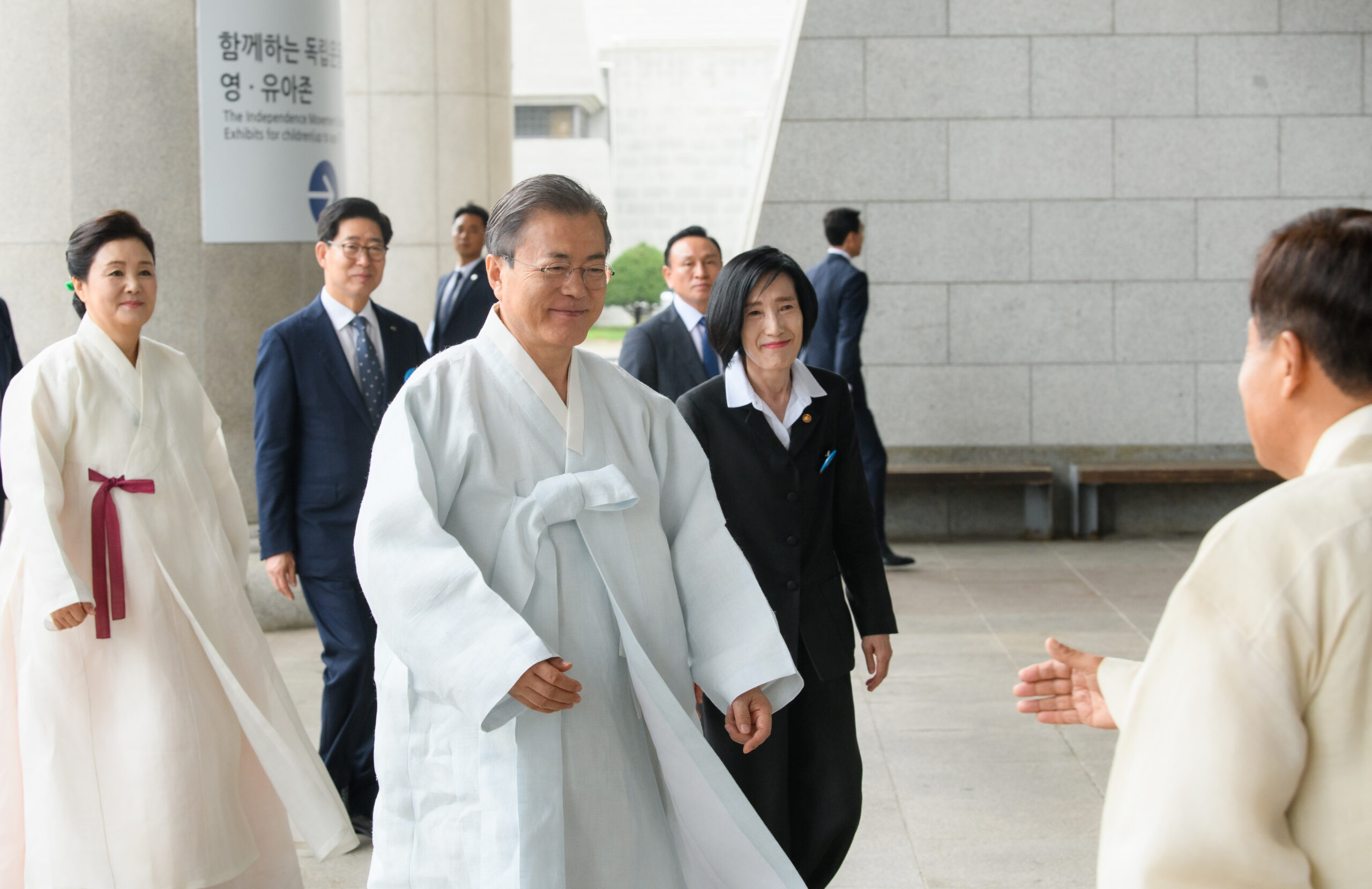
President Moon’s March 1 Independence Movement Day speech reaffirms his focus on mending relations with Japan in the coming year.
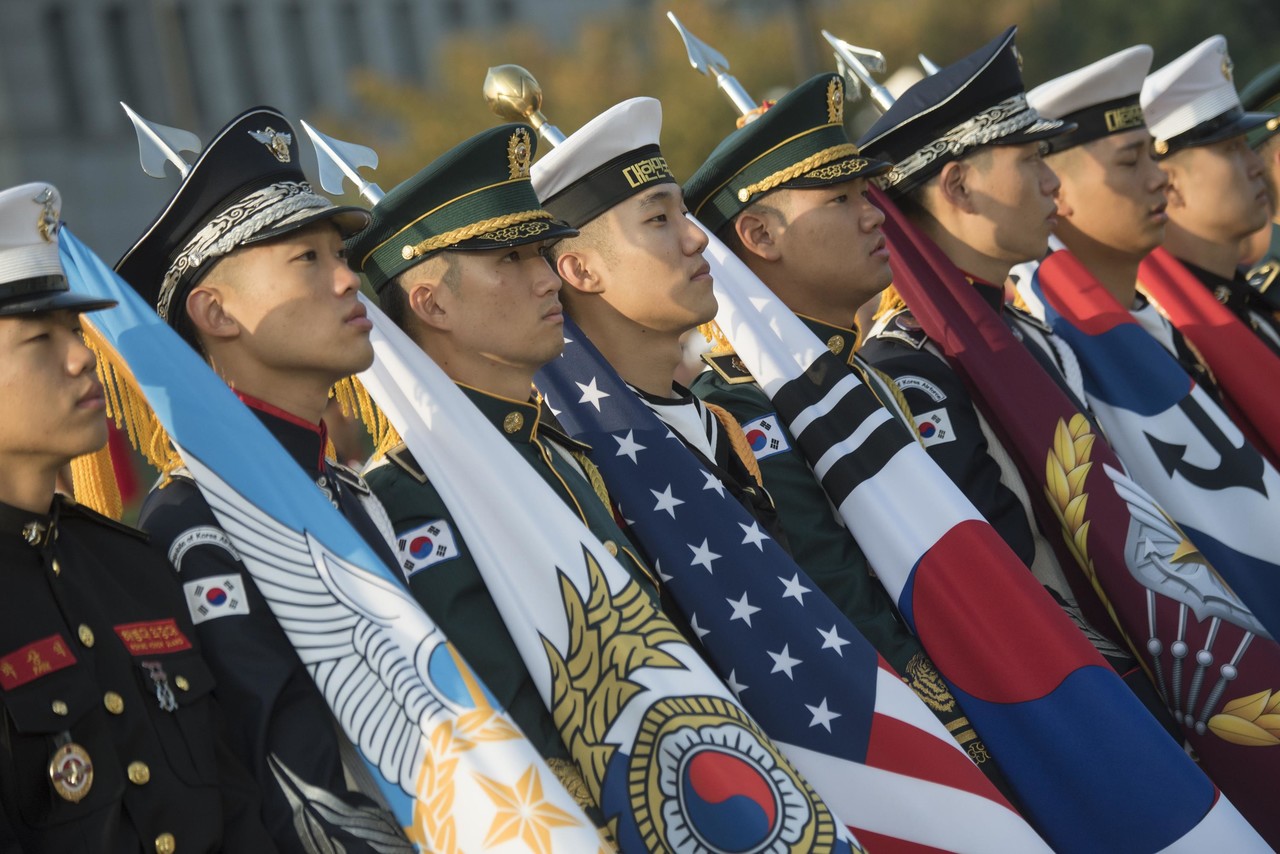
Despite President Moon’s pledge to accelerate the transfer of wartime command of U.S.-Korea forces, both governments reaffirm that this will be conditions-based.
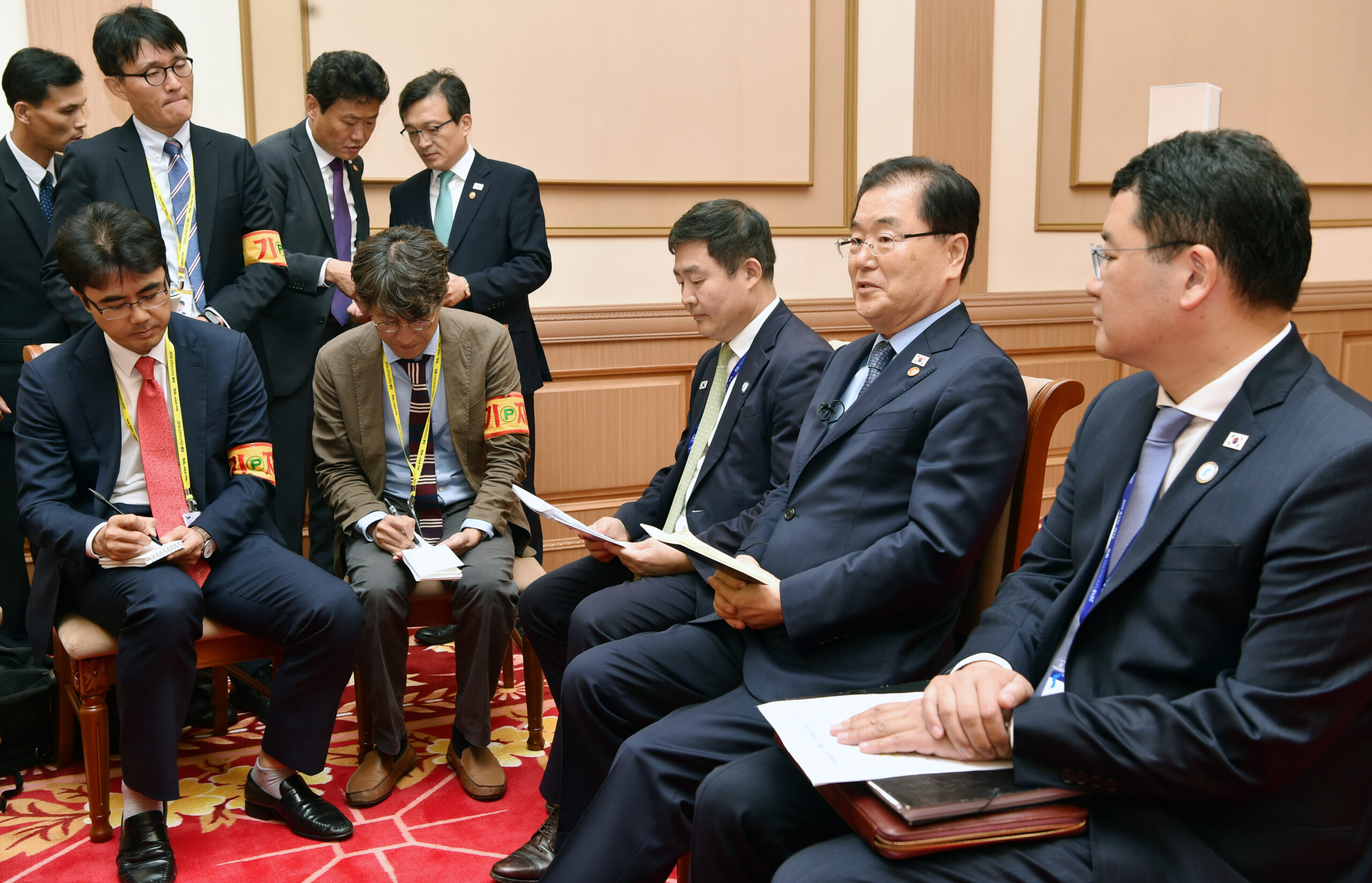
Moon Jae-in’s former special envoy to North Korea is expected to coordinate Pyongyang engagement with the Biden administration.
With the small firms under economic pressure, the lawmakers look for space to roll back some of the promises made to employees on maximum working hours.
Legacies of past corruption scandals have elevated South Korean public demand for government accountability, overriding long-standing political opposition.

The outcome of this year’s legislative election subverted assumptions that voters tend to support the opposition party to check the ruling party.