Iran’s Bargaining Card That North Korea Never Had
Last week, the United States and Iran concluded a memorandum of understanding (MOU), ending nearly four months of conflict and bringing the two countries back to the…

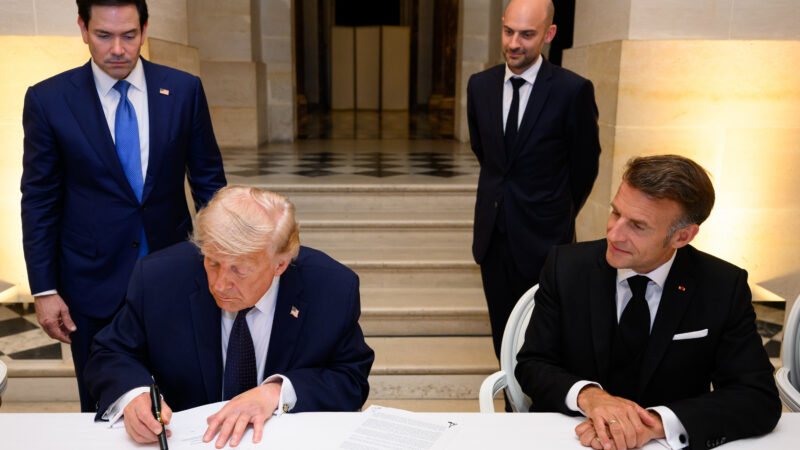
Last week, the United States and Iran concluded a memorandum of understanding (MOU), ending nearly four months of conflict and bringing the two countries back to the…

A fire and explosion on a South Korean-operated tanker in the Strait of Hormuz on May 4 underscored the extent to which the ongoing war…

Iran’s failure to achieve nuclear latency has significant implications for South Korea and Japan’s thinking on their own nuclear strategy.
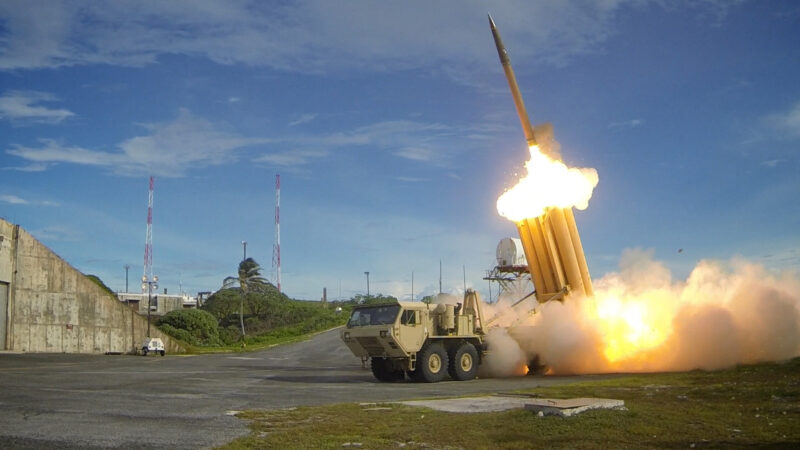
Iran’s failure to achieve nuclear latency has significant implications for South Korea and Japan’s thinking on their own nuclear strategy.

Iran’s failure to achieve nuclear latency has significant implications for South Korea and Japan’s thinking on their own nuclear strategy.

Iran’s failure to achieve nuclear latency has significant implications for South Korea and Japan’s thinking on their own nuclear strategy.
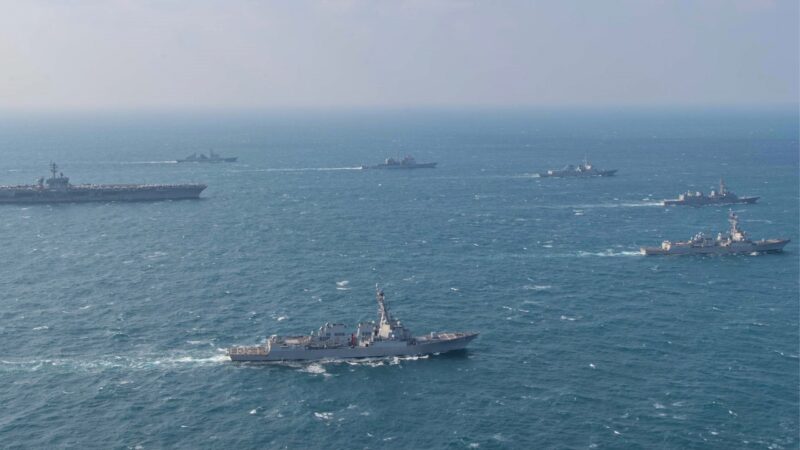
Iran’s failure to achieve nuclear latency has significant implications for South Korea and Japan’s thinking on their own nuclear strategy.
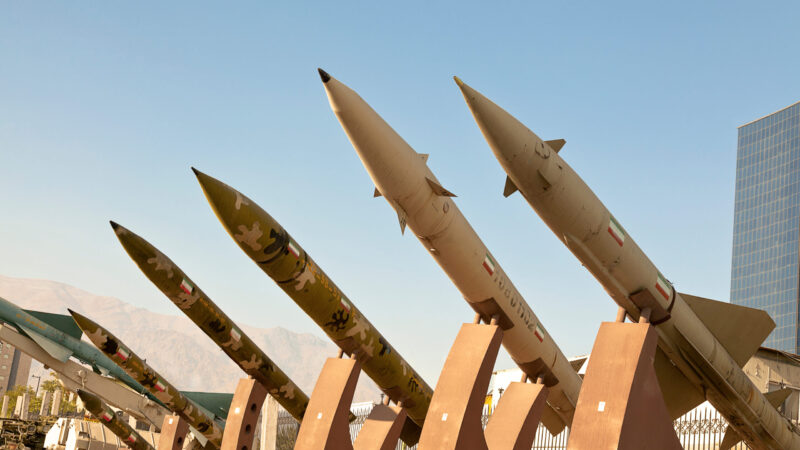
Iran’s failure to achieve nuclear latency has significant implications for South Korea and Japan’s thinking on their own nuclear strategy.
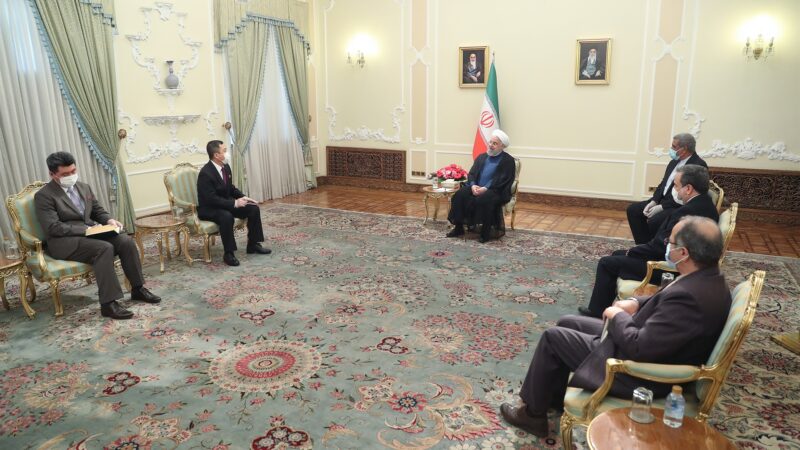
The ongoing conflict in Iran will harden, not moderate, North Korea’s nuclear resolve, with implications for U.S.-South Korea security planning.

Seoul explores a more flexible bilateral relationship with Iran as the Biden administration signals openness to recommitting to the JCPOA.