America’s Adversaries and Sanctions Dead-ends
American adversaries find it difficult to make fundamental changes to their foreign or national security policies and instead find coping mechanisms.

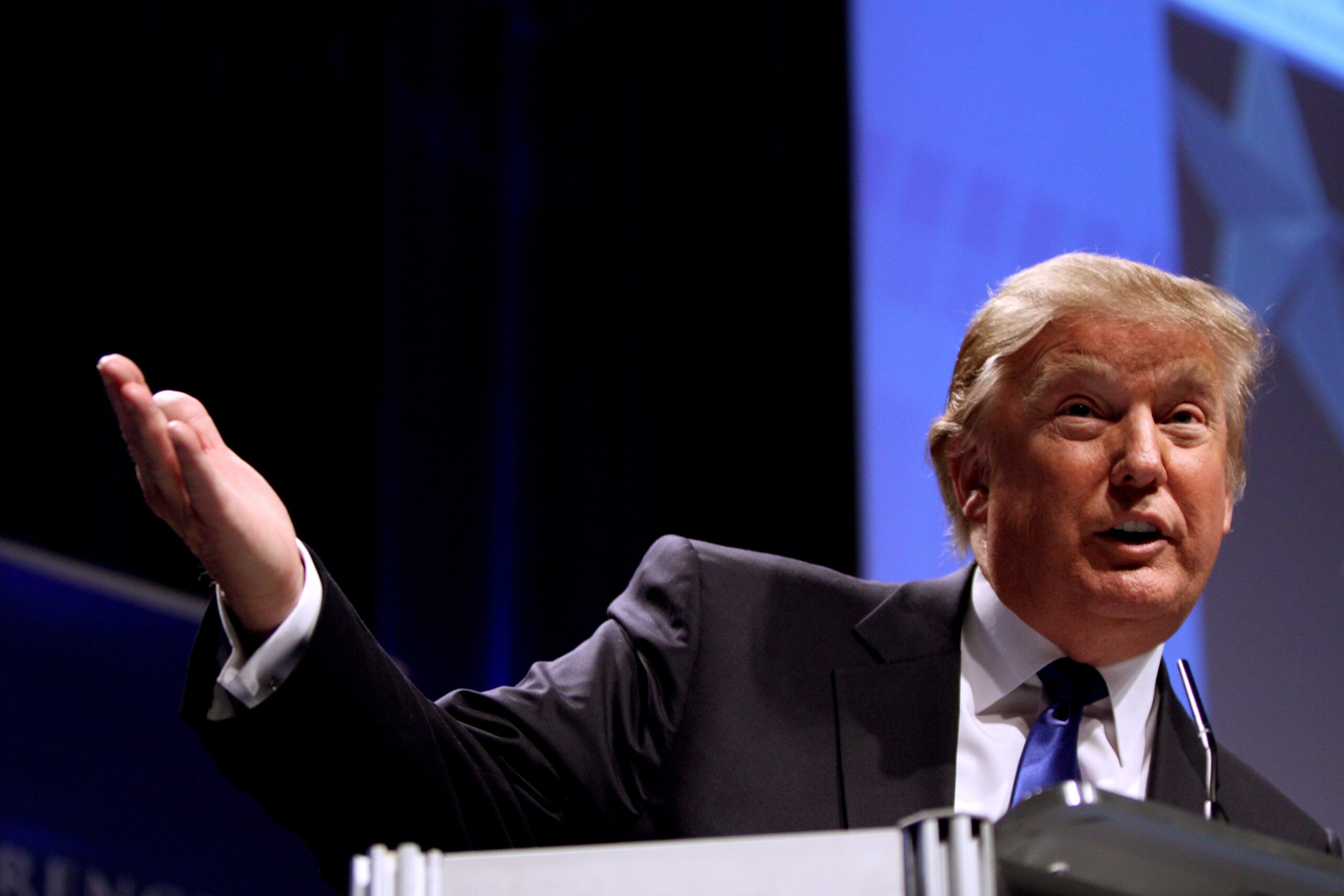
American adversaries find it difficult to make fundamental changes to their foreign or national security policies and instead find coping mechanisms.
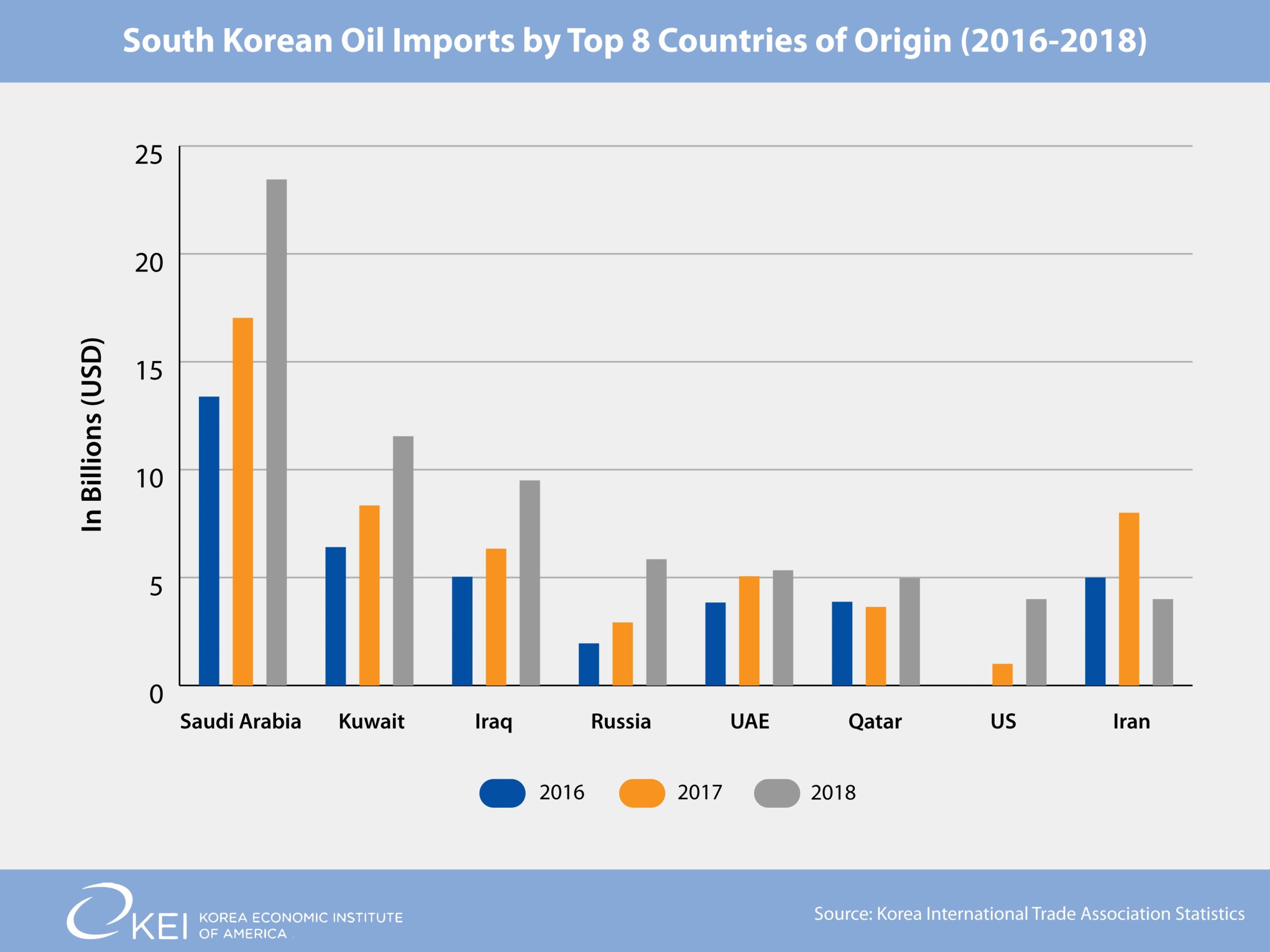
The growing demand for oil in South Korea and the removal of a major competitor in Iran bodes well for American producers.
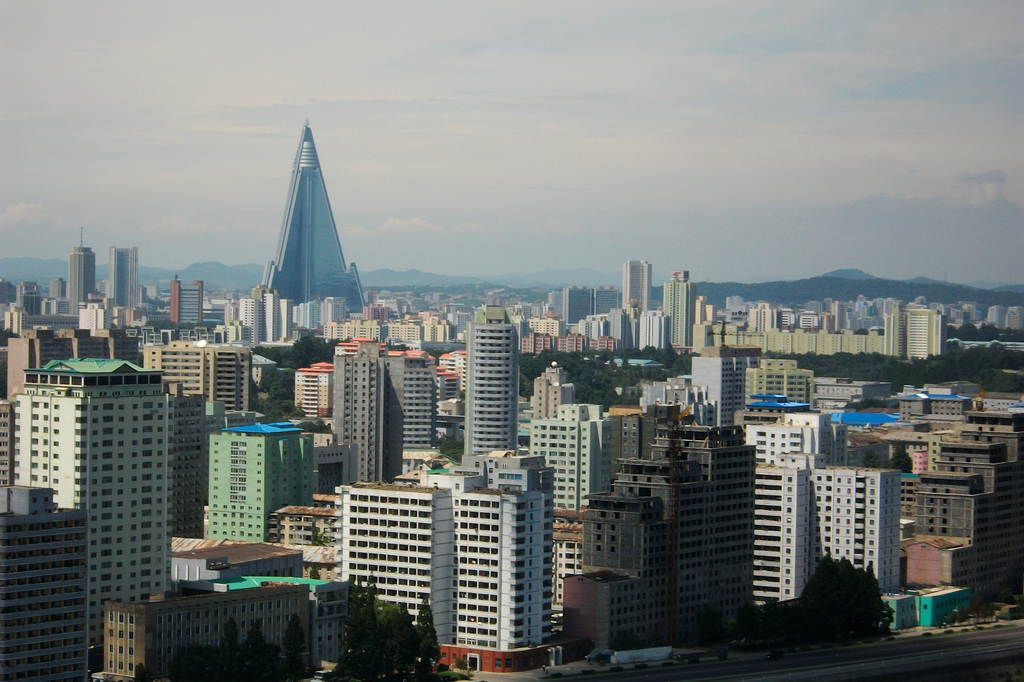
North Korea studies the U.S. intensely and will want to avoid the challenges the Iran deal faced, and the shortcomings of its own experiences with the United States.
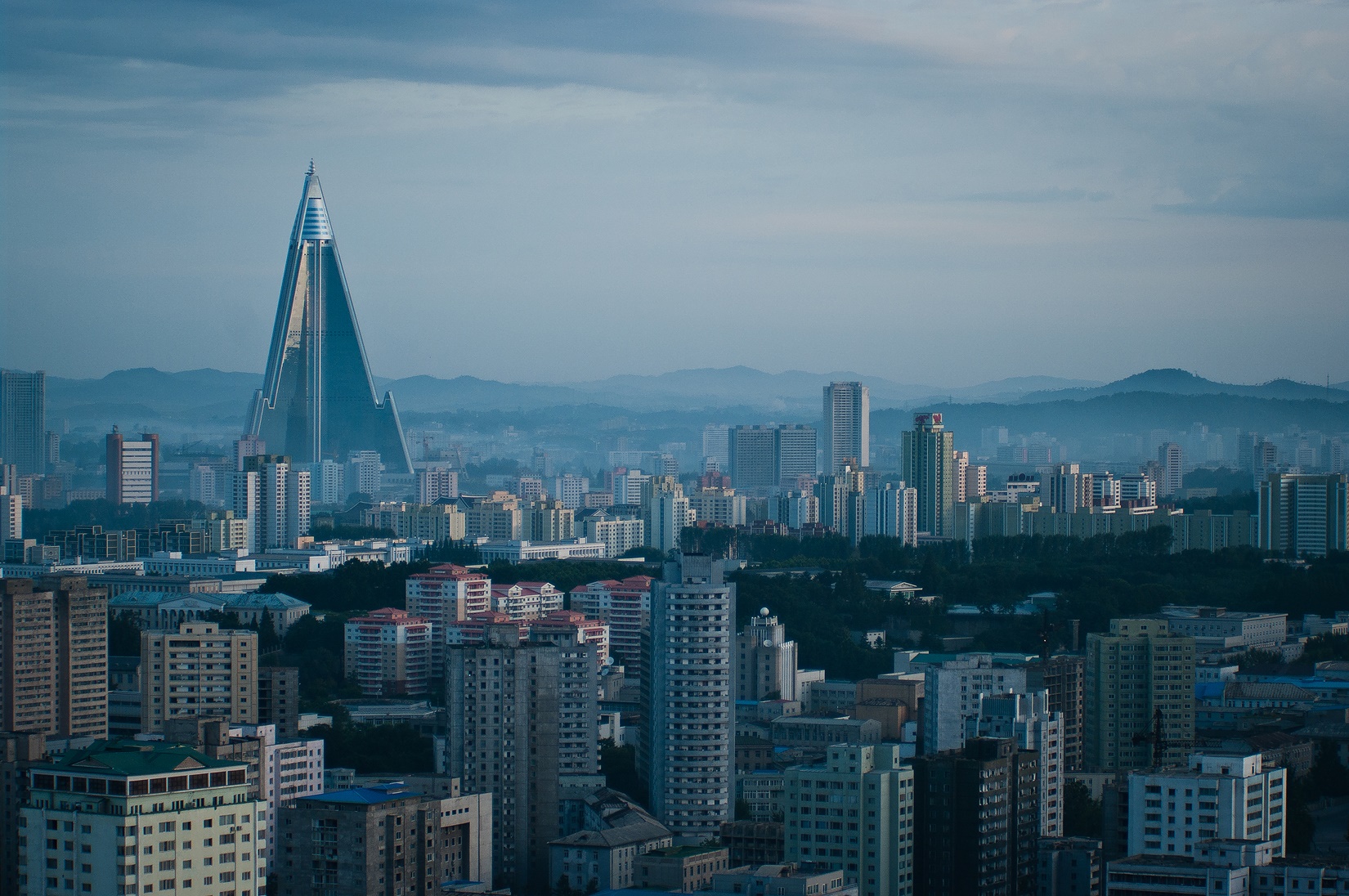
If negotiating a North Korean nuclear deal was already a fraught proposition, not certifying the Iran deal just made that prospect more difficult.
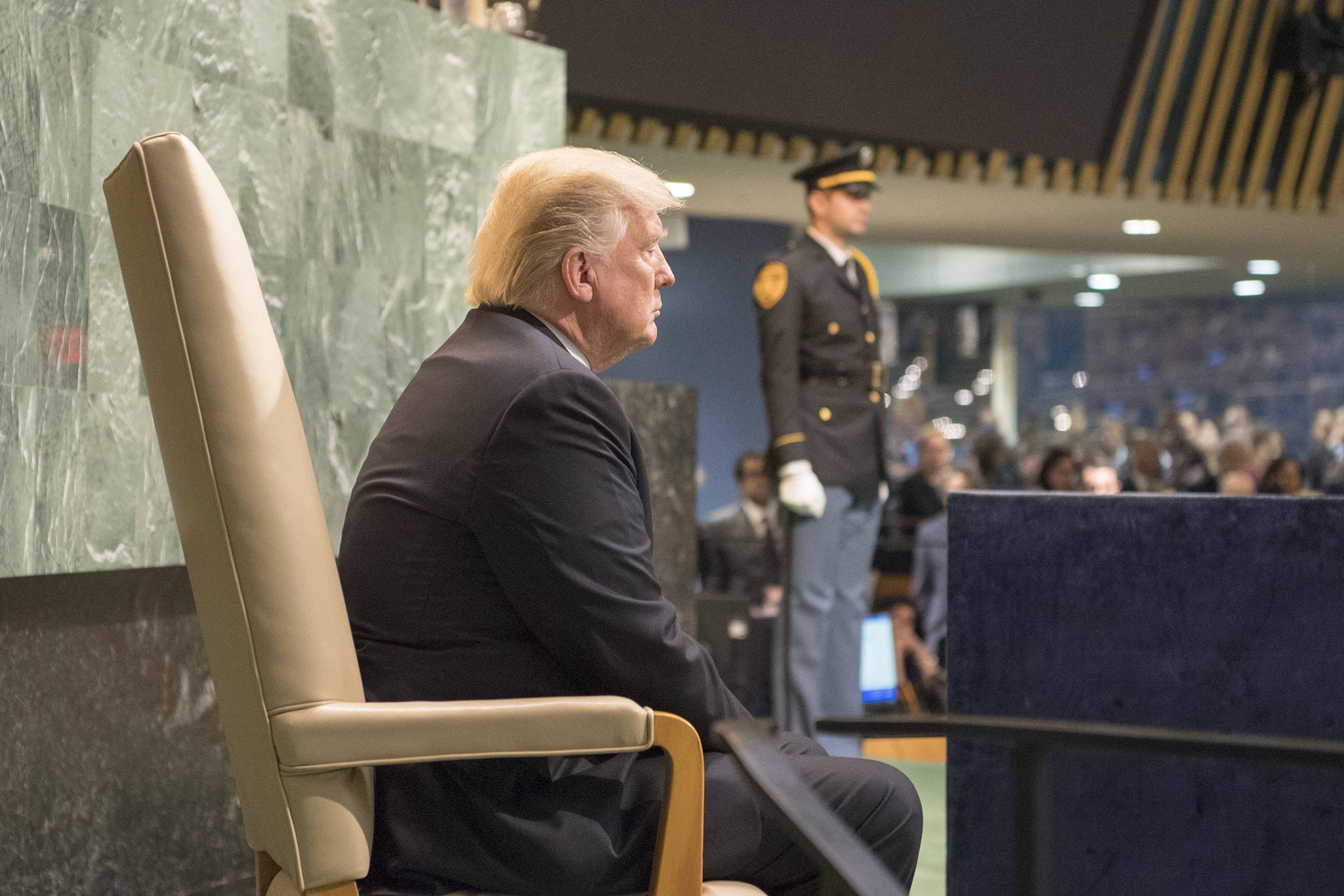
As President Trump addressed the UN he asserted the need for strong national sovereignty and called on the UN to resolve the threat from North Korea.
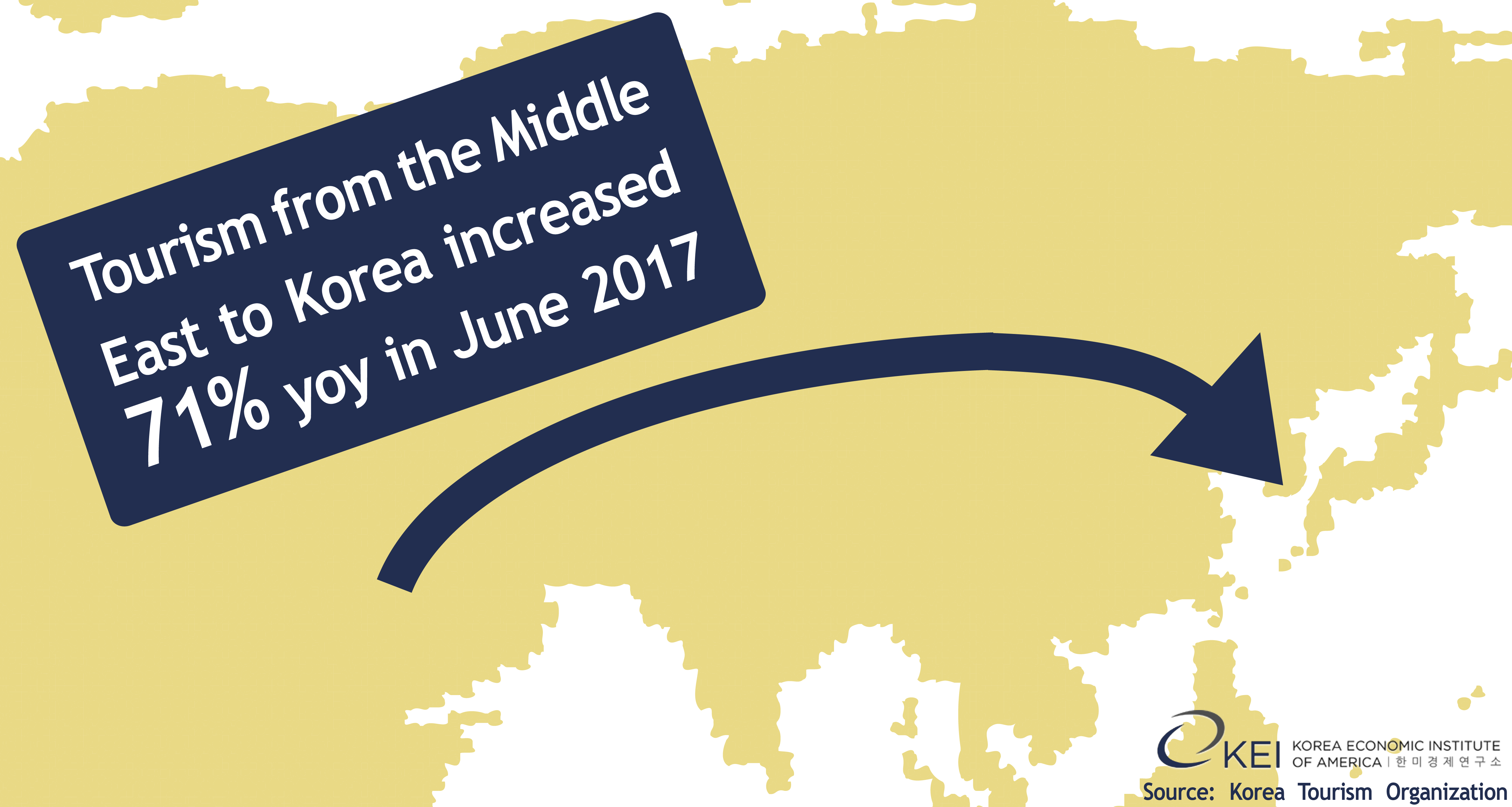
As several KEI analyses have shown, South Korea’s tourism industry has been one of the main casualties of China’s economic retaliation over deployment of the THAAD missile defense system.

At the end of May, Korea’s largest media company announced it would be opening a Turkish unit to help create and promote local content for the Turkish market. They already have plans to film Turkish versions of popular Korean movies, and hope to move forward with more Korean-Turkish co-productions in the future.

On June 16, Uganda officially kicked North Korea to the curb, asking approximately 60 DPRK troops and state security officials to leave the country. This move may be yet another sign that South Korean President Park Geun-Hye’s so-called Summit Diplomacy is working.
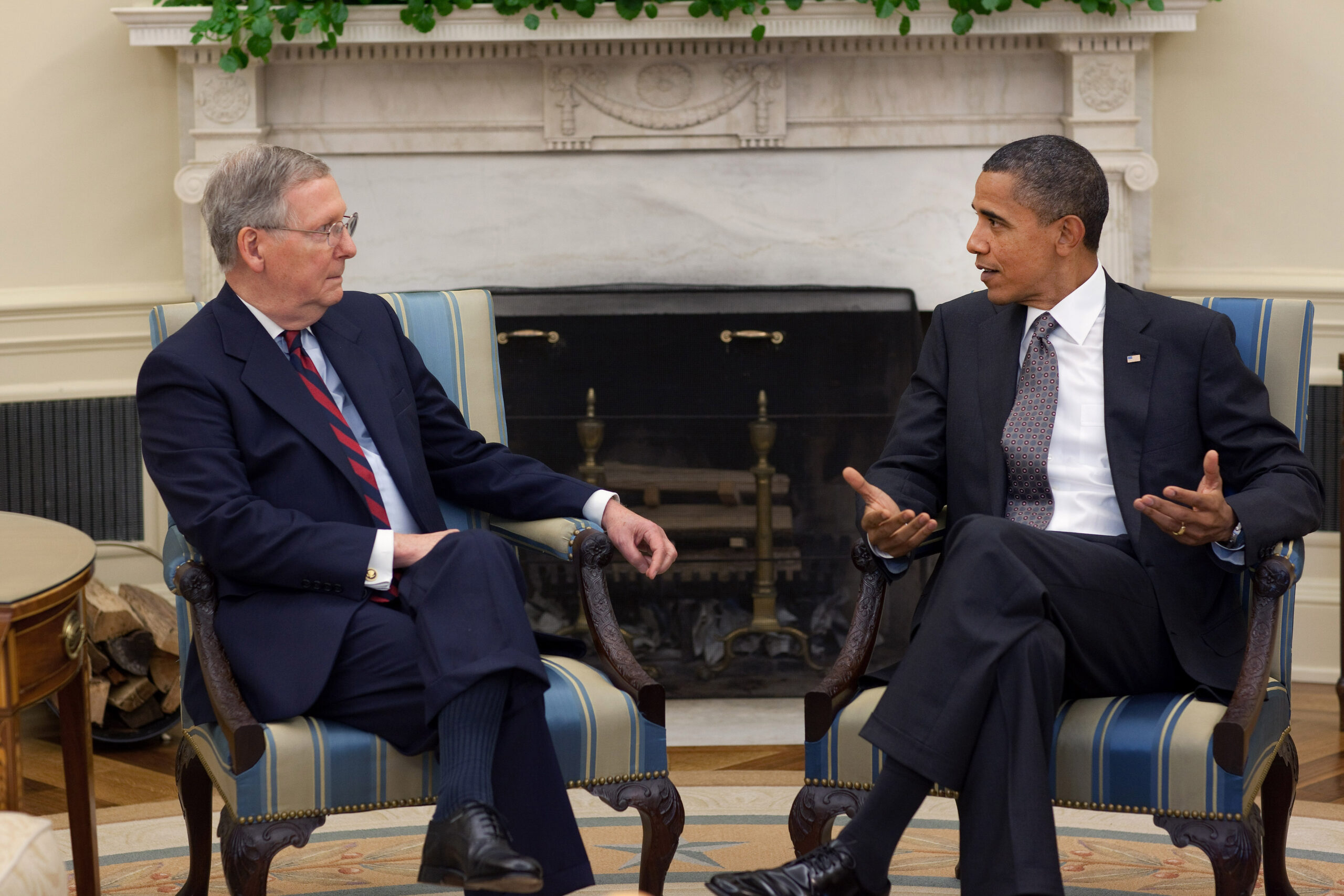
With Republicans winning a majority in the Senate for the first time in eight years, President Obama will face a Republican Congress for his final two years in office.
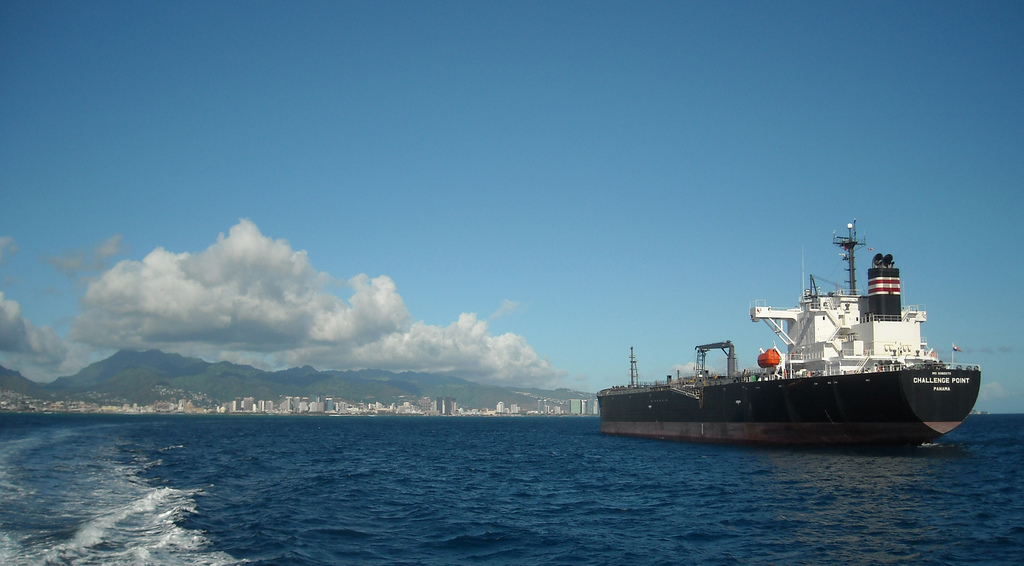
What are the costs and benefits to Korea of halting imports of Iranian oil?