
How the Iran Conflict Is Reshaping U.S.-Korea Relations
The ceasefire in Iran may have halted the fighting, but the questions it raised for the Korean Peninsula are far from resolved.
By The Korea Economic Institute of America (KEI)
Listen to this article
0:00 / 0:00
The ceasefire in Iran may have halted the fighting, but the questions it raised for the Korean Peninsula are far from resolved. Energy security, alliance credibility, nuclear strategy, and North Korea’s calculations all remain in flux. Throughout the conflict, KEI experts have analyzed its implications for U.S.-Korea relations in real time. Below is a selection of that analysis.
The Iran War Is Stress-Testing South Korea’s Energy Model by Tom Ramage
The closure of the Strait of Hormuz exposed South Korea’s deep dependence on Middle Eastern energy, triggering gas price caps, strategic reserve drawdowns, and shortages in critical materials like naphtha and helium that threaten semiconductor production. The crisis is accelerating a longer-term shift toward U.S. energy imports, expanded nuclear power, and supply routes that bypass Middle Eastern chokepoints. | Read the Full Analysis
The Impact of the Iran War on the Korean Peninsula by Ellen Kim
The conflict confronts Seoul with simultaneous fears of entrapment and abandonment as Washington requests allied deployments while redeploying U.S. military assets off the peninsula. North Korea, meanwhile, stands to gain from arms sales to Iran and its proxies, deepening the cycle that has already weakened international sanctions through its support for Russia in Ukraine. | Read the Full Analysis
Trump’s Middle East Campaign Is Straining the U.S.-South Korea Alliance by Scott Snyder
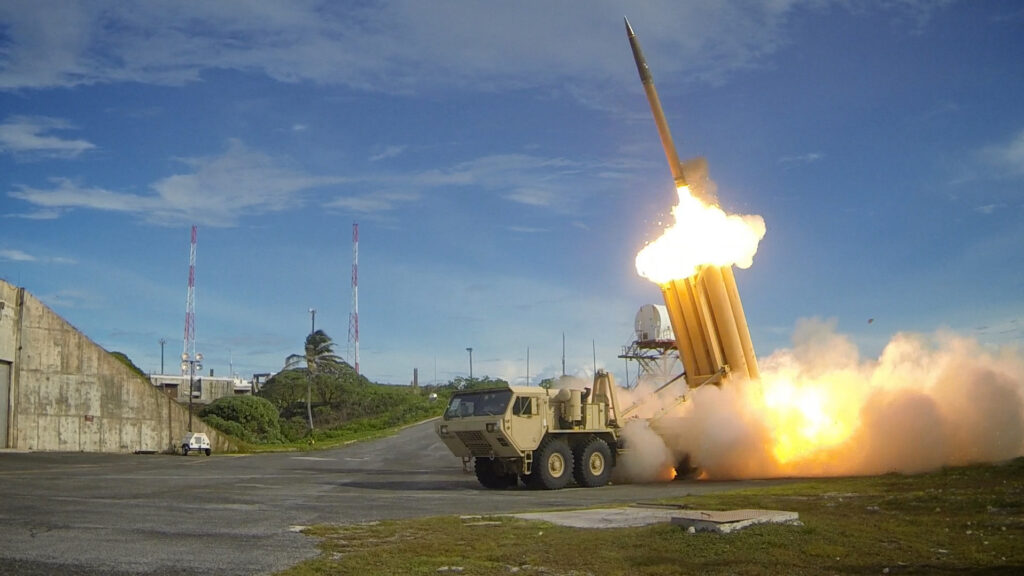
The Trump administration’s public call for South Korean escort operations in the Strait of Hormuz, paired with the quiet transfer of Patriot and THAAD batteries off the peninsula, is eroding South Korean confidence in U.S. extended deterrence at the worst possible time. Alliance insurance premiums are rising while the assurance of coverage is declining. | Read the Full Analysis
How the War in Iran Reshapes South Korea and Japan’s Nuclear Strategy by Daniel Sneider
Iran’s failed nuclear latency strategy, close enough to a weapon to invite attack but too far from one to deter it, carries direct lessons for Seoul and Tokyo. With U.S. extended deterrence under strain and Washington’s traditional opposition to allied proliferation softening, both countries face hard choices about their own nuclear hedging postures. | Read the Full Analysis
Iran Conflict Hardens North Korea’s Nuclear Posture by Benjamin Young
For Pyongyang, the Iran war validates a core conviction: regimes without nuclear weapons are vulnerable, and those with them are not. The conflict will harden North Korea’s refusal to negotiate over its arsenal and sharpen the demands on Washington and Seoul to demonstrate credible deterrence. | Read the Full Analysis
Feature image from Shutterstock.
KEI is registered under the FARA as an agent of the Korea Institute for International Economic Policy, a public corporation established by the government of the Republic of Korea. Additional information is available at the Department of Justice, Washington, D.C.