The Road Ahead for Trump’s Auto Tariffs
The proposed tariff on cars is likely to severely affect U.S.-South Korea economic relations, as well as the U.S. economy itself.

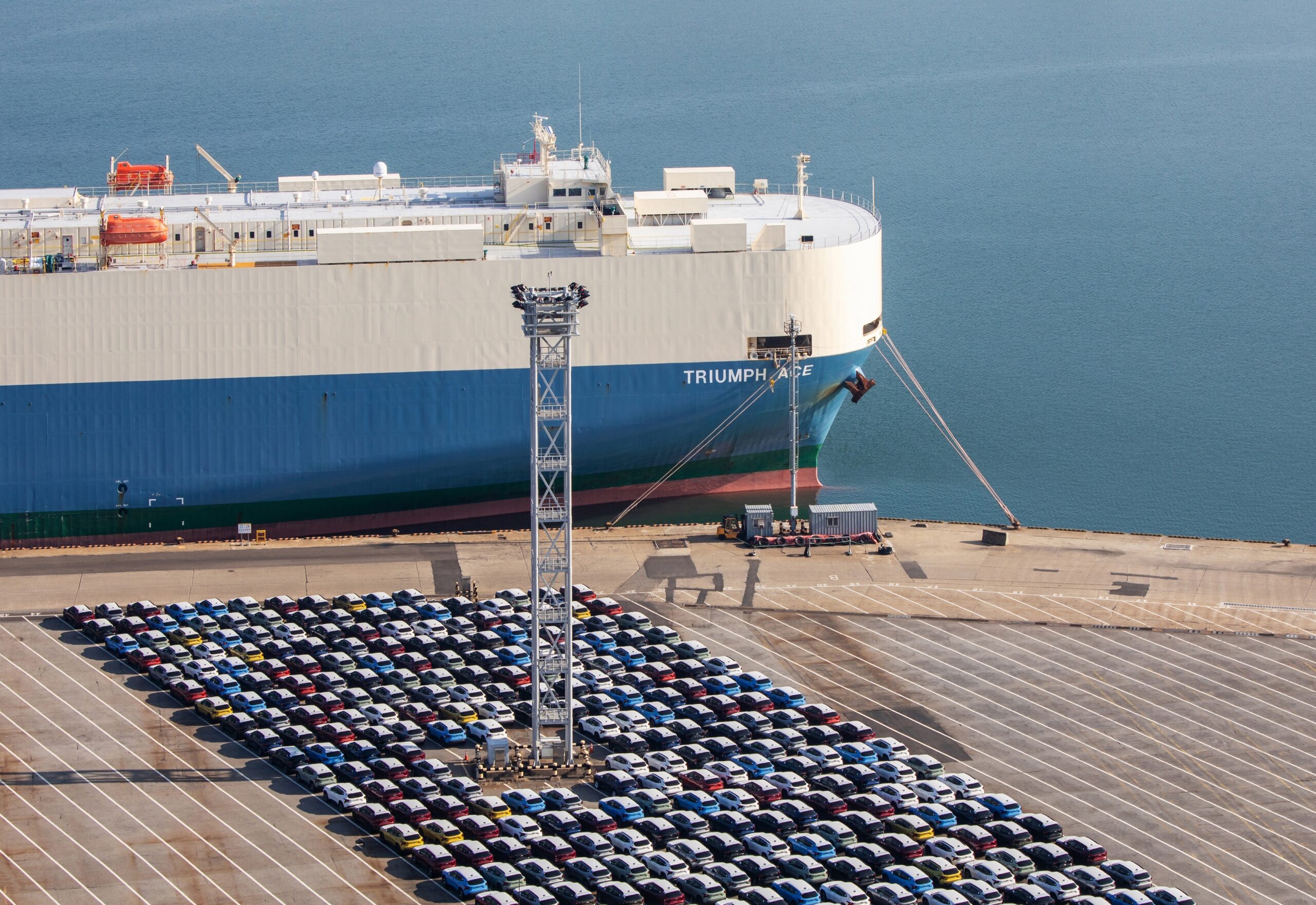
The proposed tariff on cars is likely to severely affect U.S.-South Korea economic relations, as well as the U.S. economy itself.
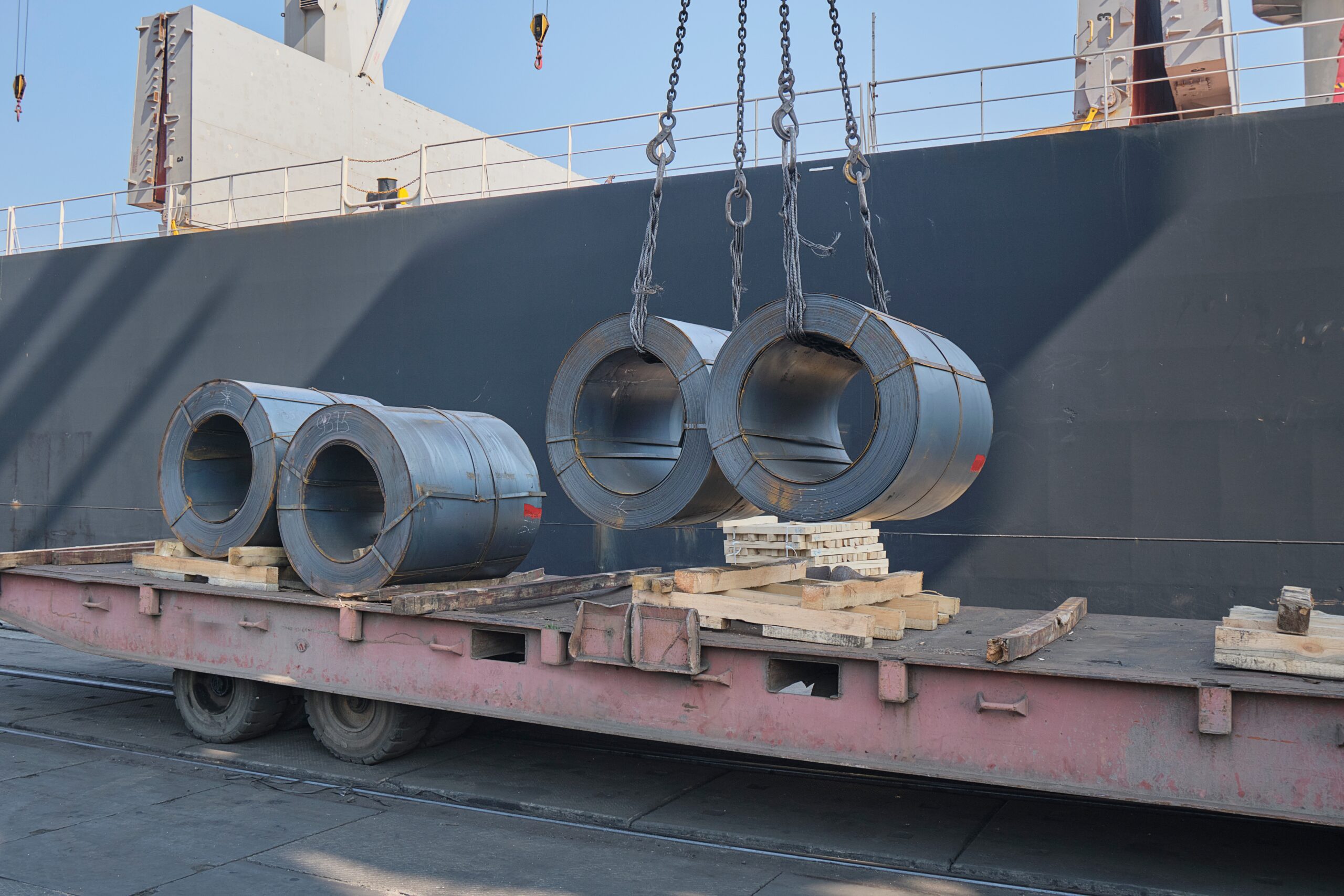
The second-term trade actions impacting Korea and other countries will deeply affect the US ability to compete in steel-intensive industries.

The United States will cease to participate in the UN Human Rights Council (UNHRC) and eliminate positions supporting the US representative.

President Yoon Suk-yeol, like many of his peers, try to disentangle likely changes in US economic policies by the second Trump administration.

Veteran officials, including former Trump administration officials, anticipate that the president-elect will want to return to negotiations.
What is certain is that US defense and military officials will increasingly view the alliance through the lens of US-China competition.

A weaker dollar’s benefits for US manufacturing may be dubious, but its costs to the United States, Korea, and the global economy are clear.
The fifth annual KEI/YouGov poll on American attitudes toward Korea coincides with the run-up to the 2024 US presidential election.

Donald Trump’s campaign position to implement tariffs of up to 10 percent echoes Richard Nixon’s enactment of a 10 percent tariff on all imported goods in 1971.
Tuesday night’s presidential debate between Kamala Harris and Donald Trump helped narrow down the key economic issues on the docket.