What America-First Cybersecurity Means for the U.S.-South Korea Alliance
Iran’s failure to achieve nuclear latency has significant implications for South Korea and Japan’s thinking on their own nuclear strategy.


Iran’s failure to achieve nuclear latency has significant implications for South Korea and Japan’s thinking on their own nuclear strategy.
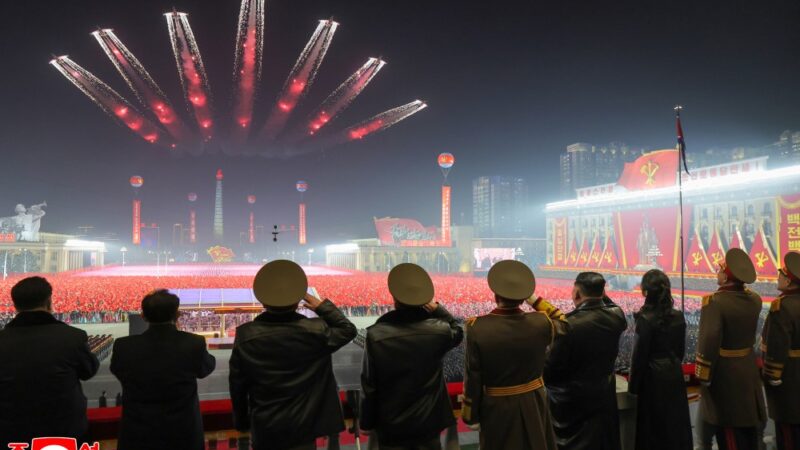
Kim Jong Un’s speech at the Ninth Party Congress covered familiar themes on economic and military development and preconditions for dialogue with the United States, but revealed deep antagonism toward South Korea.
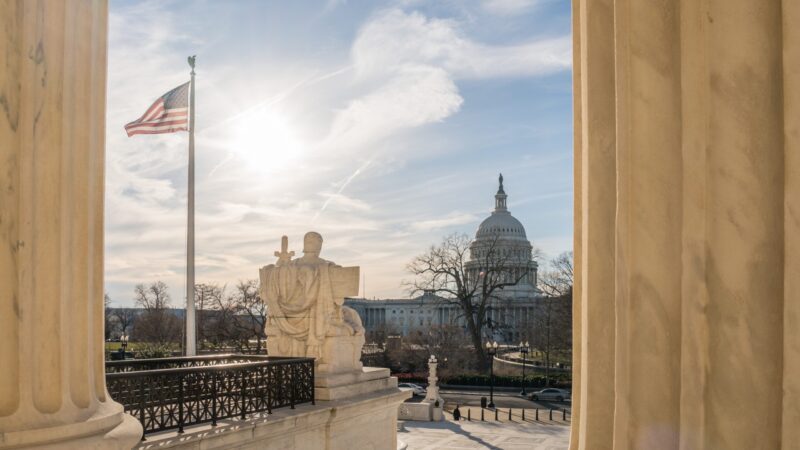
Despite the Supreme Court’s ruling on IEEPA tariffs, the Trump administration maintains substantial authority to pursue aggressive trade policies.
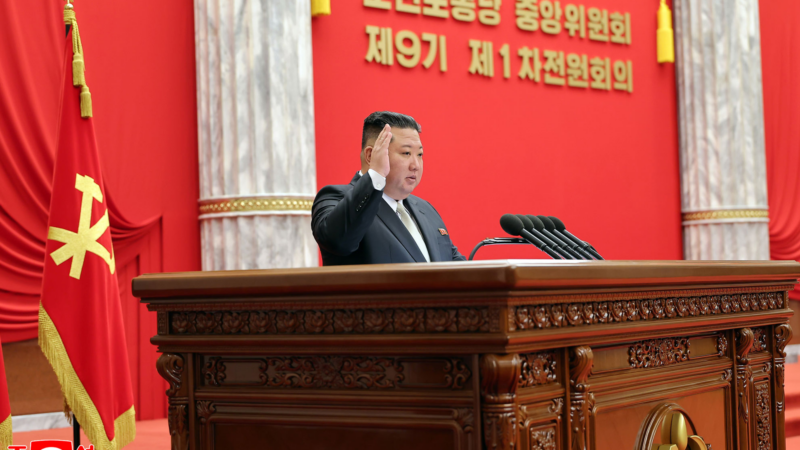
North Korea’s Ninth Party Congress focused on goals related to economic development, military capabilities, and self-reliance.
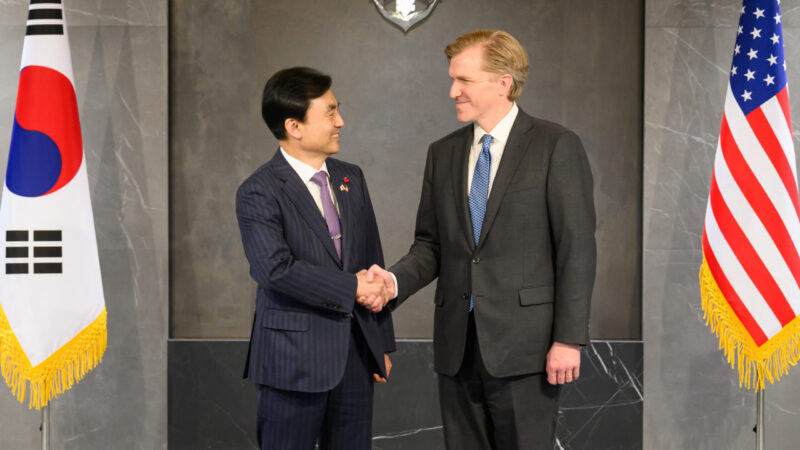
The Trump administration’s attempts to redraw the security bargains with South Korea and Japan are creating growing tension and uncertainty.
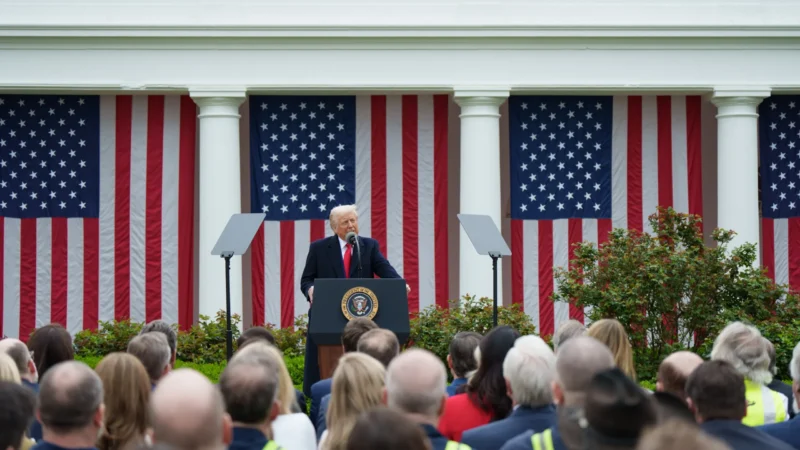
The Trump administration’s tariffs, partly functioning as a revenue stream for the government, faced numerous legal challenges in 2025.
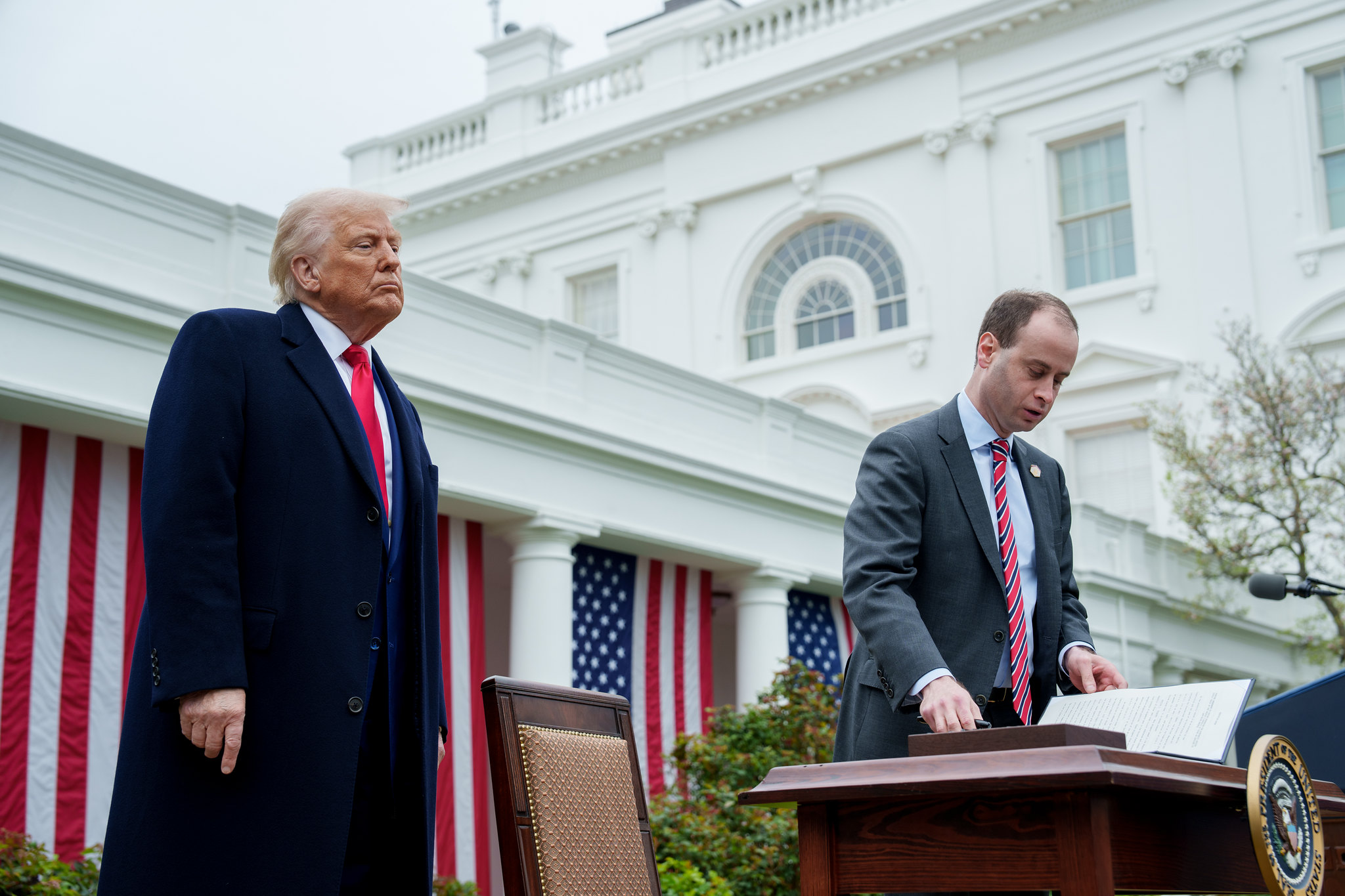
Without exception, the April 2 tariffs are much larger than the tariffs South Korea and others levy on the United States.
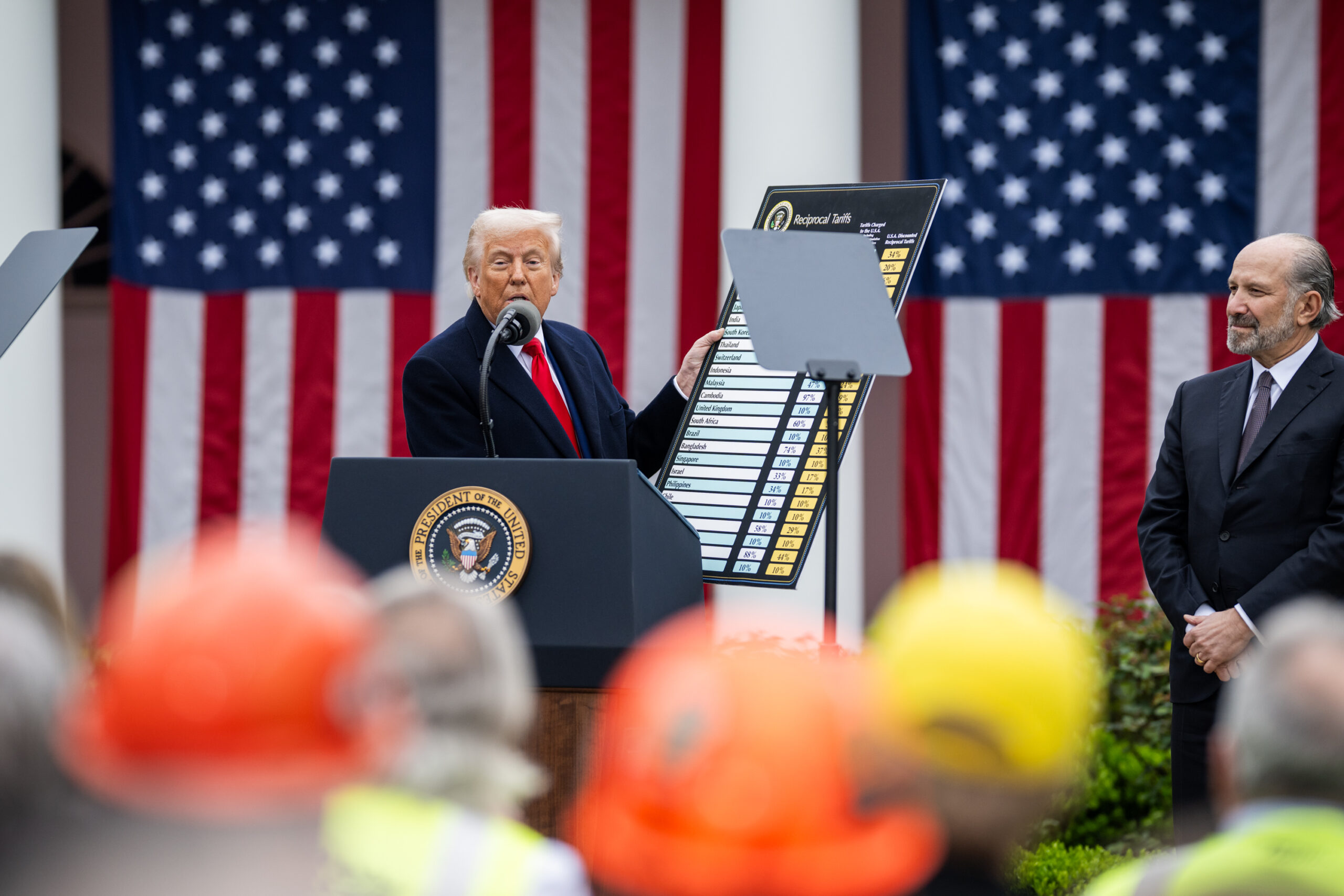
The president held up a placard explaining that nearly every country trading with the United States will be forced to pay heavier tariffs.
The U.S. position that national security is non-justiciable is fundamentally at odds with the WTO’s insistence on legal discipline.
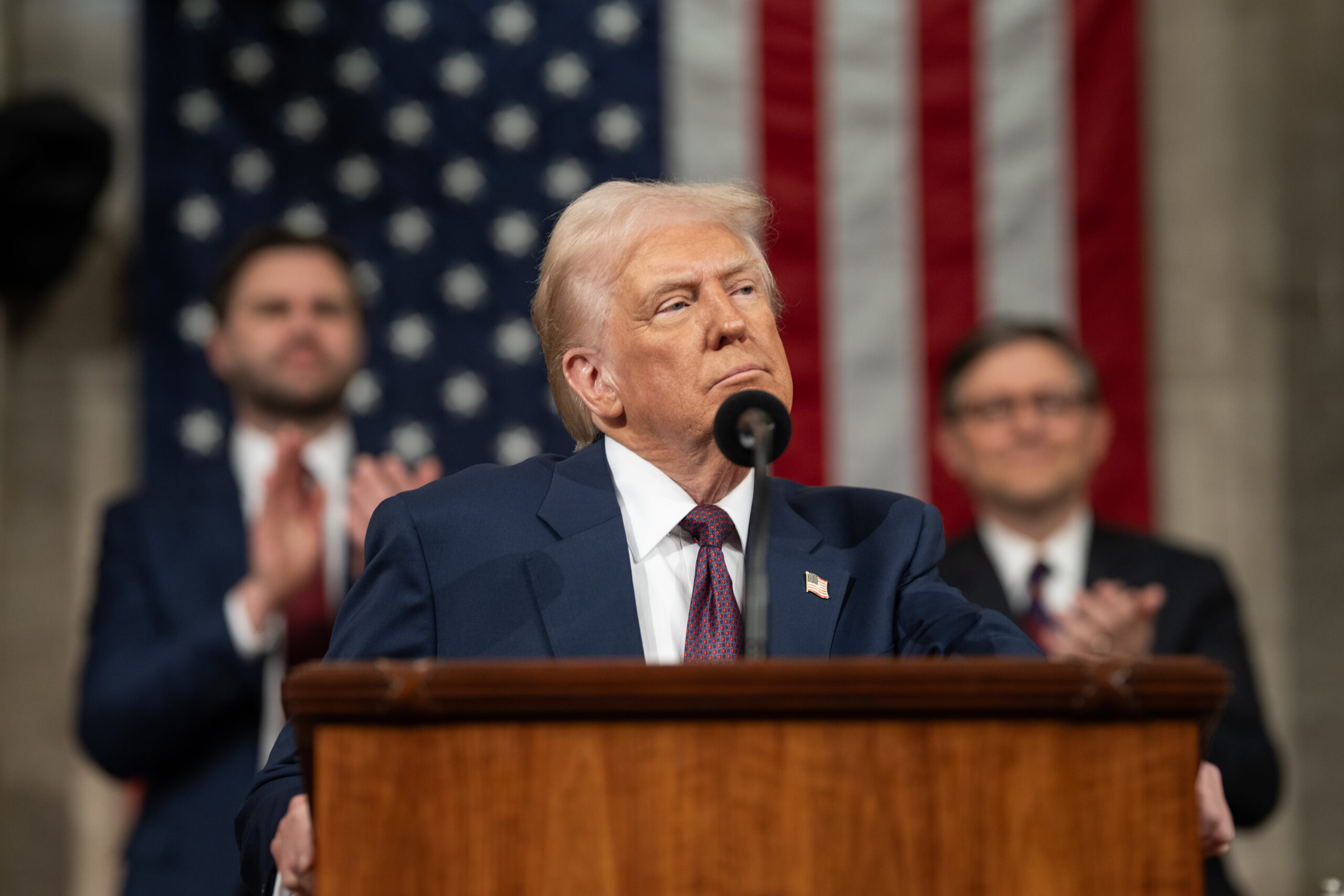
If realized, the repeal of the CHIPS Act potentially affects the direction of billions of dollars of targeted investment in semiconductors.