Why the United States Won’t Provide Financial Aid to North Korea
In trying to get Kim Jong-un to give up his nuclear program, Trump has suggested the U.S. private sector provide financial assistance to North Korea.


In trying to get Kim Jong-un to give up his nuclear program, Trump has suggested the U.S. private sector provide financial assistance to North Korea.
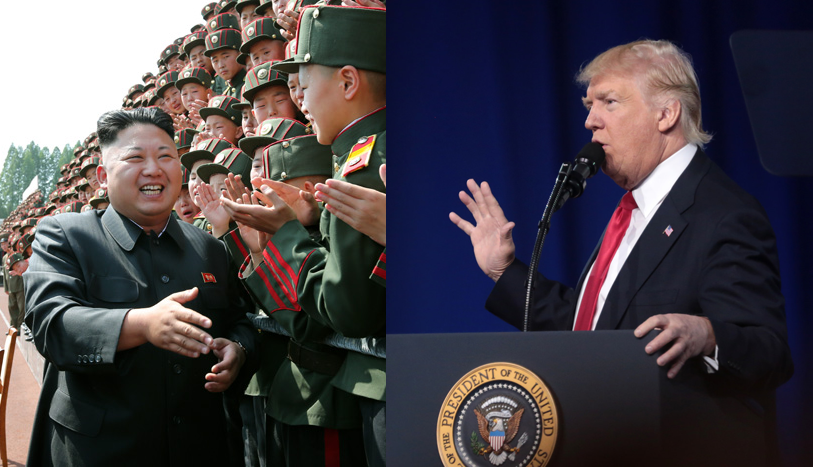
After watching the first meeting between President Donald Trump and Chairman Kim Jong Un, KEI staff members share some of the things that stood out to them.

In what is being hailed as a significant step by the United States and South Korea, North Korea has announced that it has suspended missile tests and will shut down its nuclear test site. While seemingly an important step towards denuclearization, the move by North Korea only affirms prior statements by the regime.

Ahead of negotiations, the North Korean government can boost their credibility by proactively addressing nuclear safety and security.
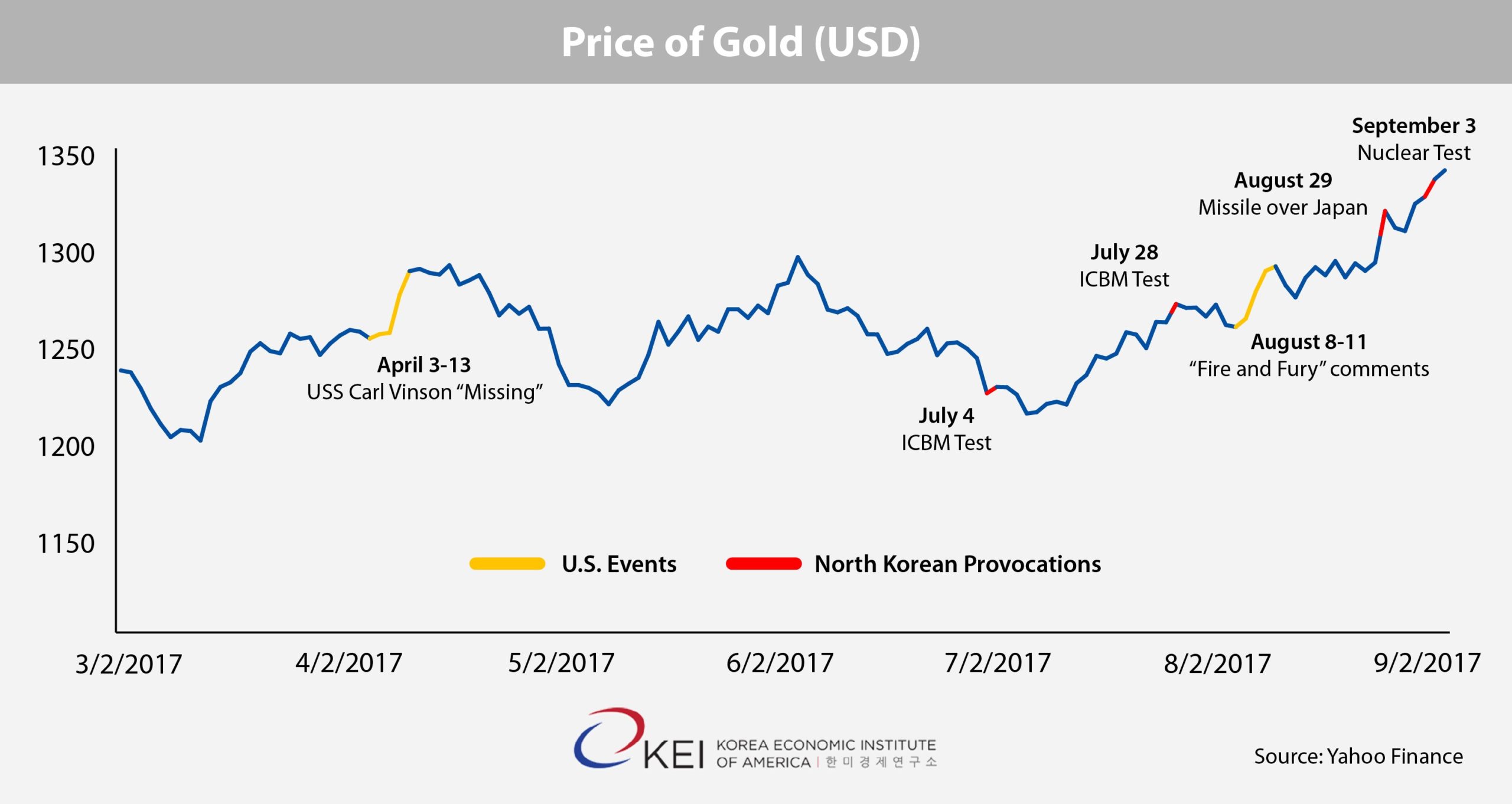
Analysts have attributed recent market downturns to North Korean provocations, but investors seem to be reacting more negatively to responses from the Trump administration.
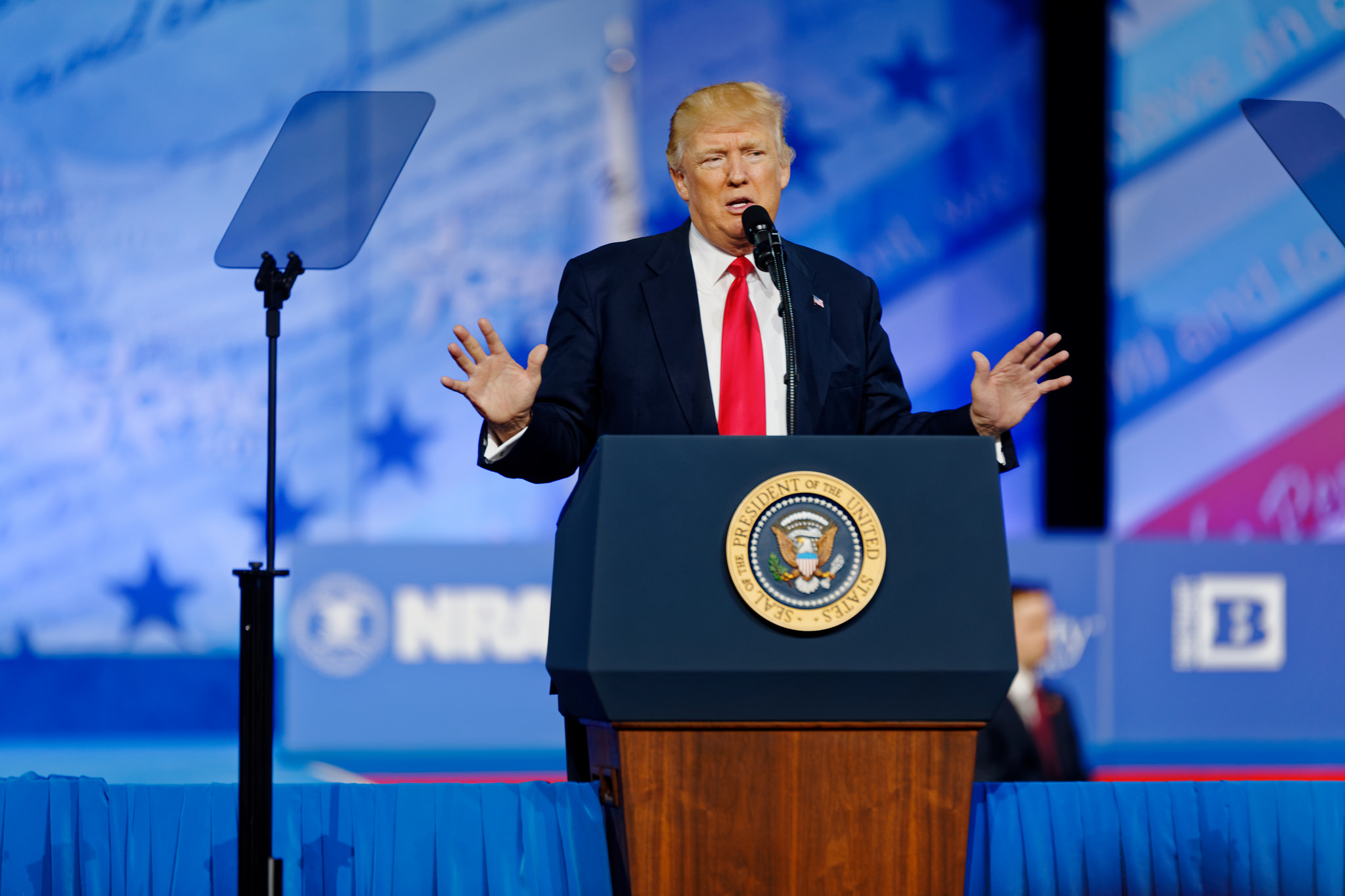
Last week, the Office of the U.S. Trade Representative (USTR) released its Summary of Objectives for the NAFTA Renegotiation, providing a window into how the administration may pursue updating the U.S.-Korea Free Trade Agreement (KORUS FTA).
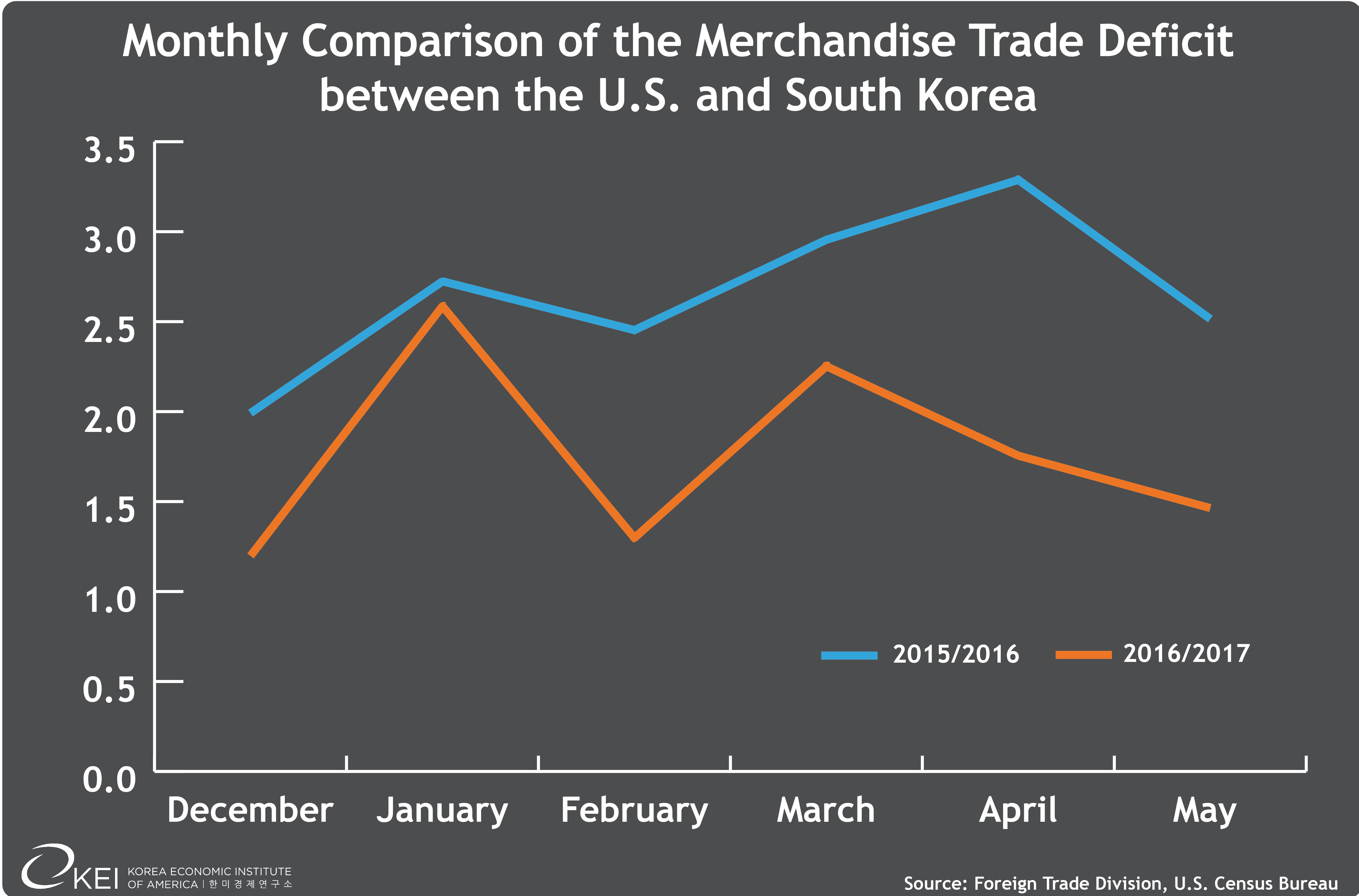
Last March, President Donald Trump directed the Department of Commerce and the Office of the U.S. Trade Representative (USTR) to prepare an Omnibus Report on Significant Trade Deficits within 90 days.
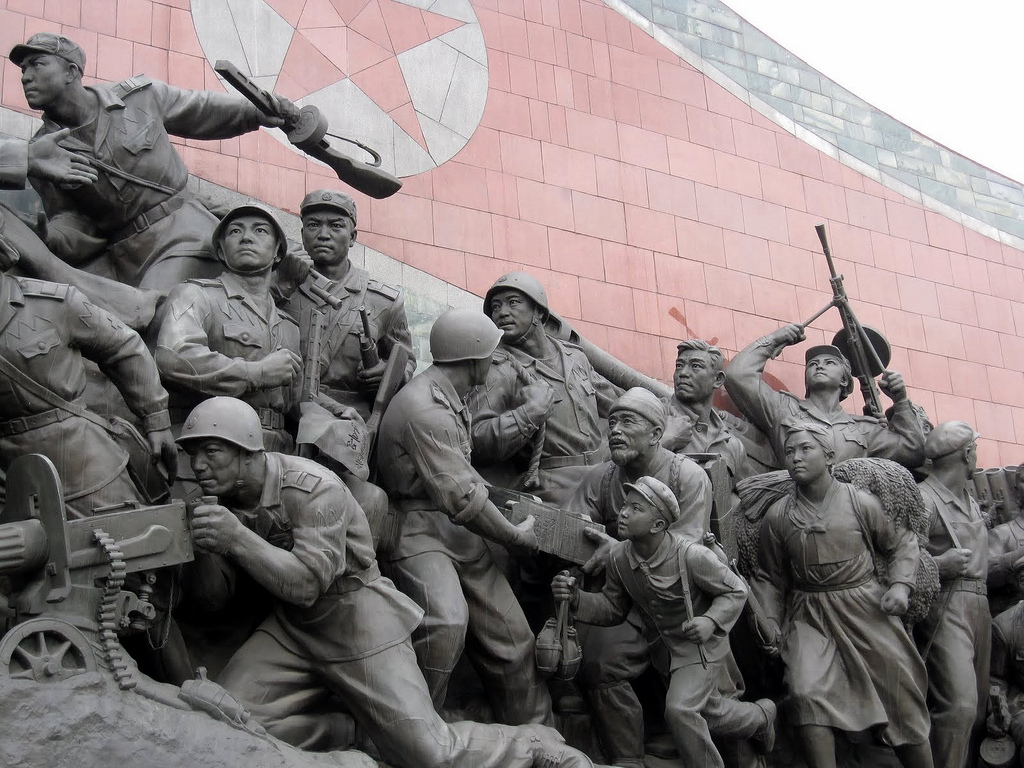
It usually takes some time to figure out the details of what a North Korean missile test has accomplished – what type of missile it was, how it performed, its capabilities – but from the initial information regarding North Korea’s July 4th missile test, it appears that they have successfully tested an Intercontinental Ballistic Missile (ICBM).
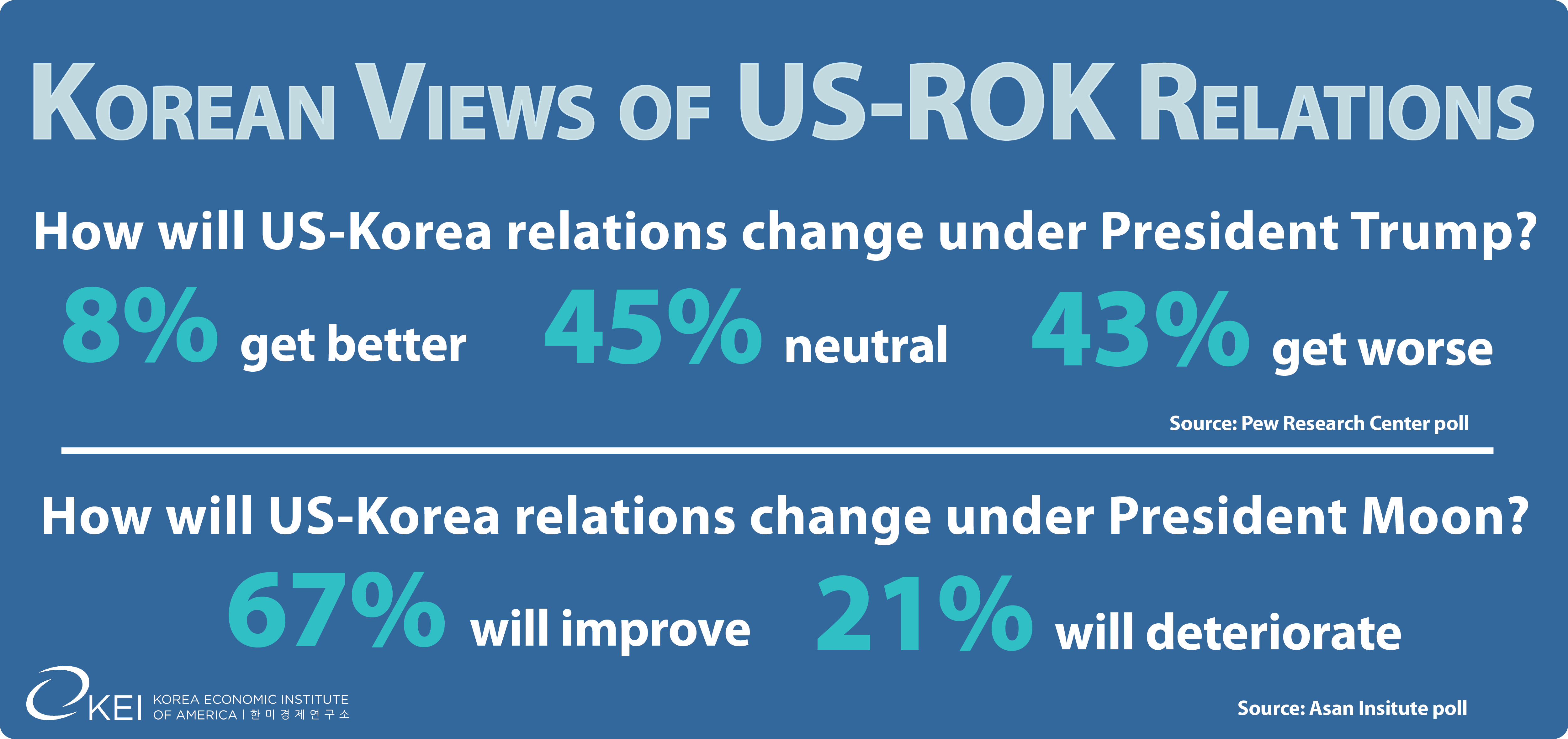
As President Moon Jae-in meets with President Trump this week to discuss new issues as well as longstanding ones such as the North Korea nuclear problem, his flexibility both in Washington and after his return to Seoul depends on public opinion at home.
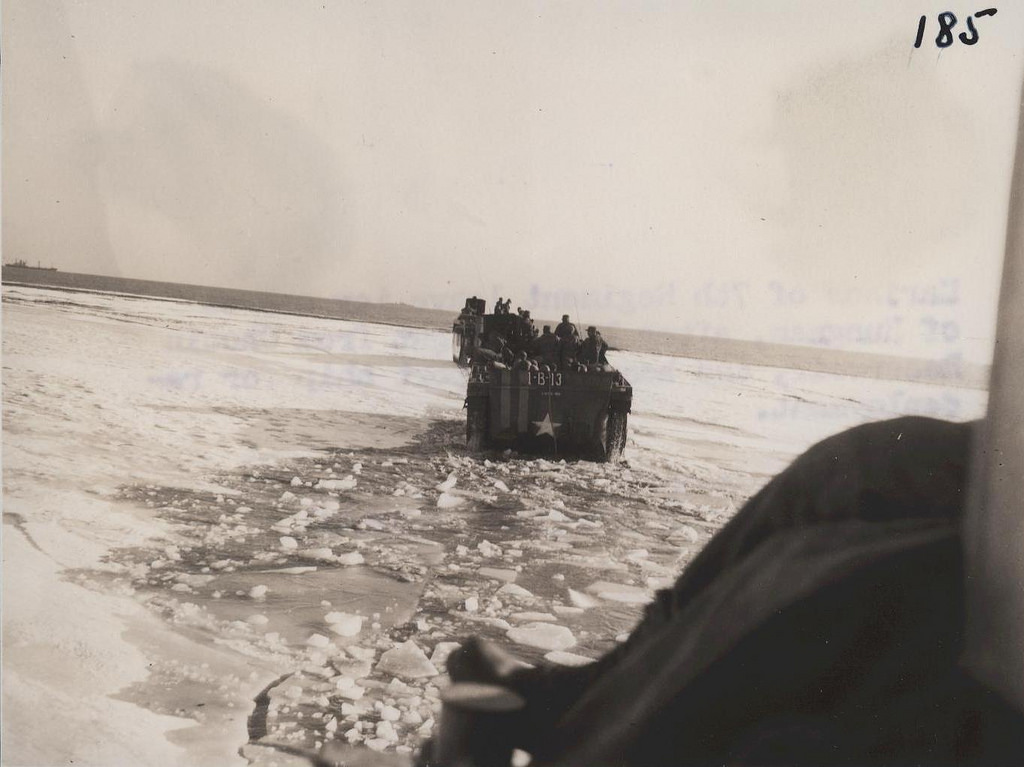
On December 19 1950, the SS Meredith Victory, a 7,600-ton merchant marine vessel, was about to leave from the North Korean port city of Hungnam. Hundreds of thousands of refugees flocked to the pier at Hungnam as the bombing of the Chinese army came closer.