Polarization Shapes Electoral Politics
Prevailing hostilities may have forestalled an electoral merger between the third-party centrist candidate and the main opposition party.

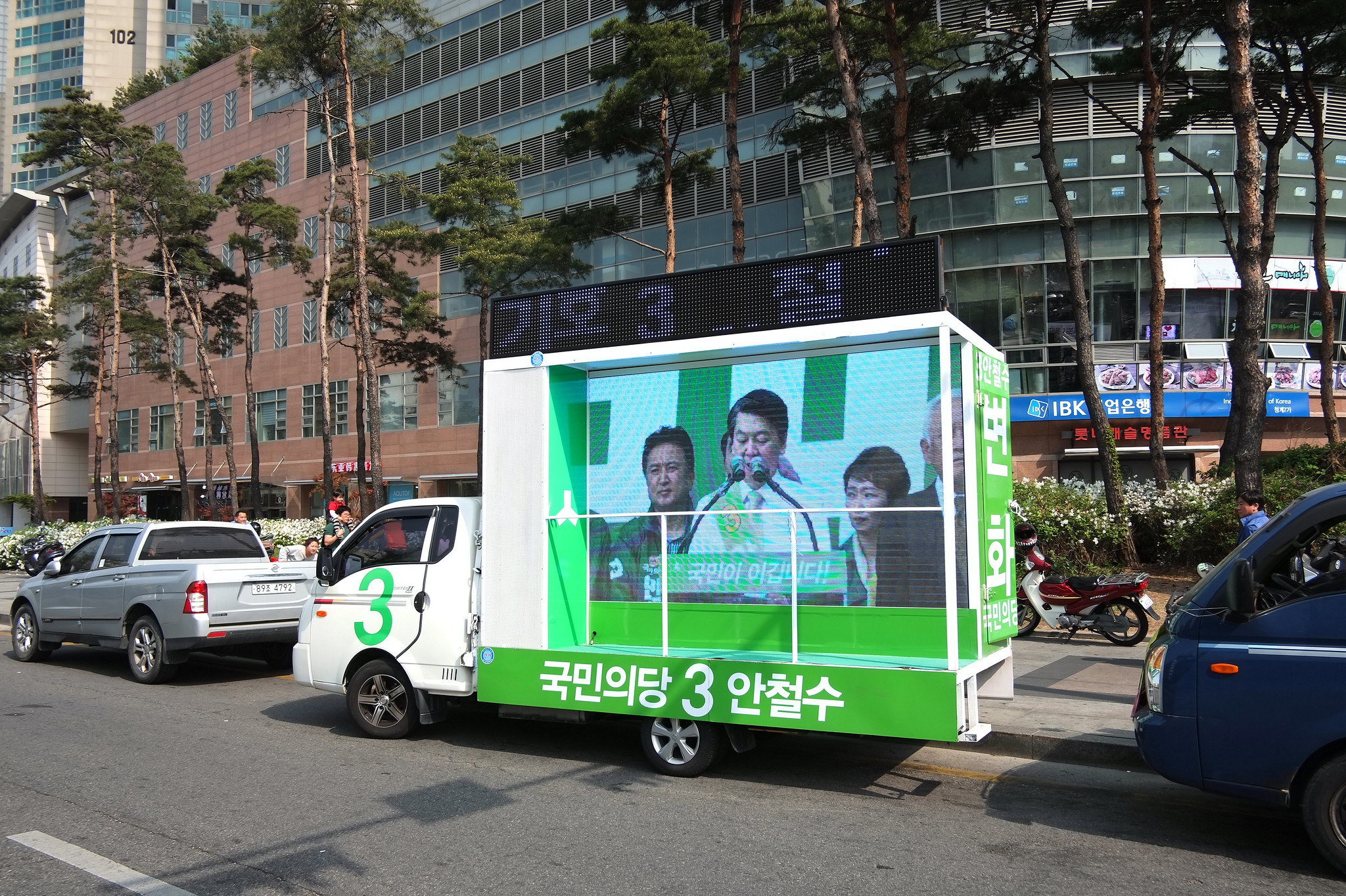
Prevailing hostilities may have forestalled an electoral merger between the third-party centrist candidate and the main opposition party.
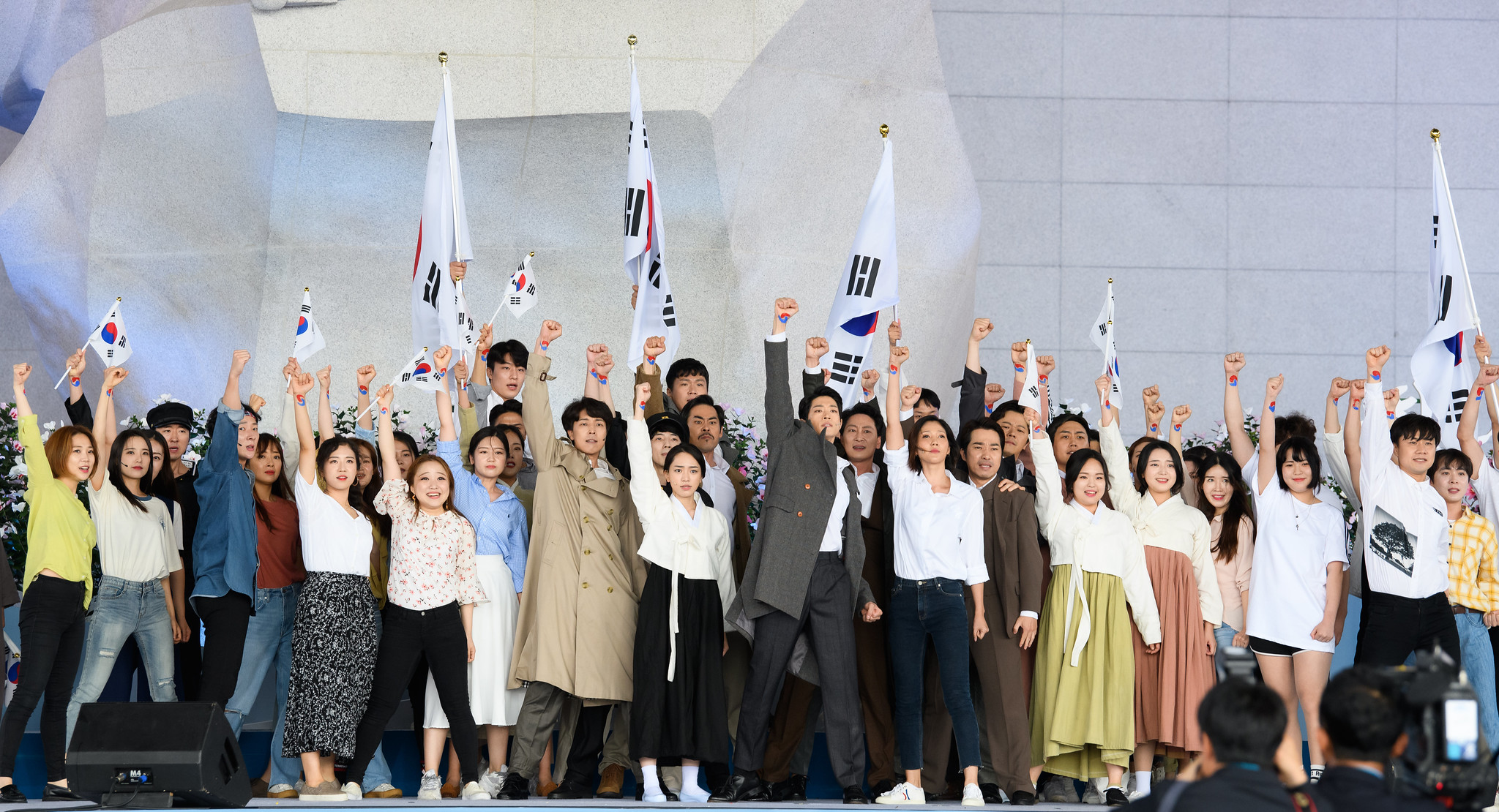
The history of South Korea’s political divide informs how the country’s liberals approach not only their political goals but also foreign policy outlook.

Celebrities announcing their premarital pregnancies in South Korea are not as deviant from traditional family norms as they might appear.
Despite South Korea’s technological sophistication, the government’s attempts to solve social issues with technology fall short of being transformative.
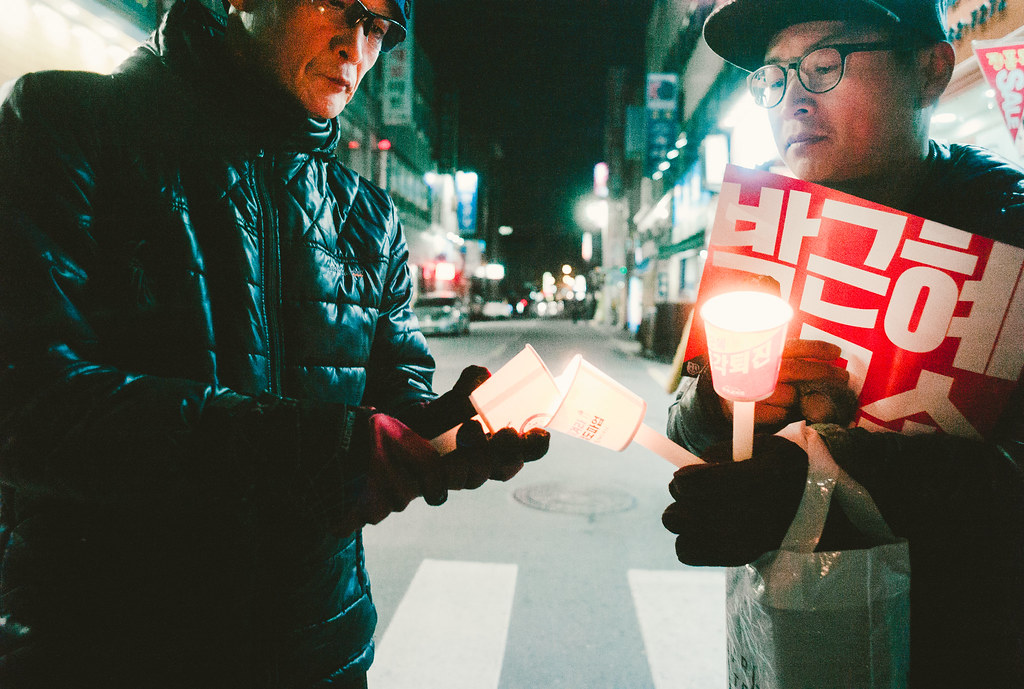
Compared to campaign pledges from 10 years ago, candidates today speak more about corruption than economic growth.
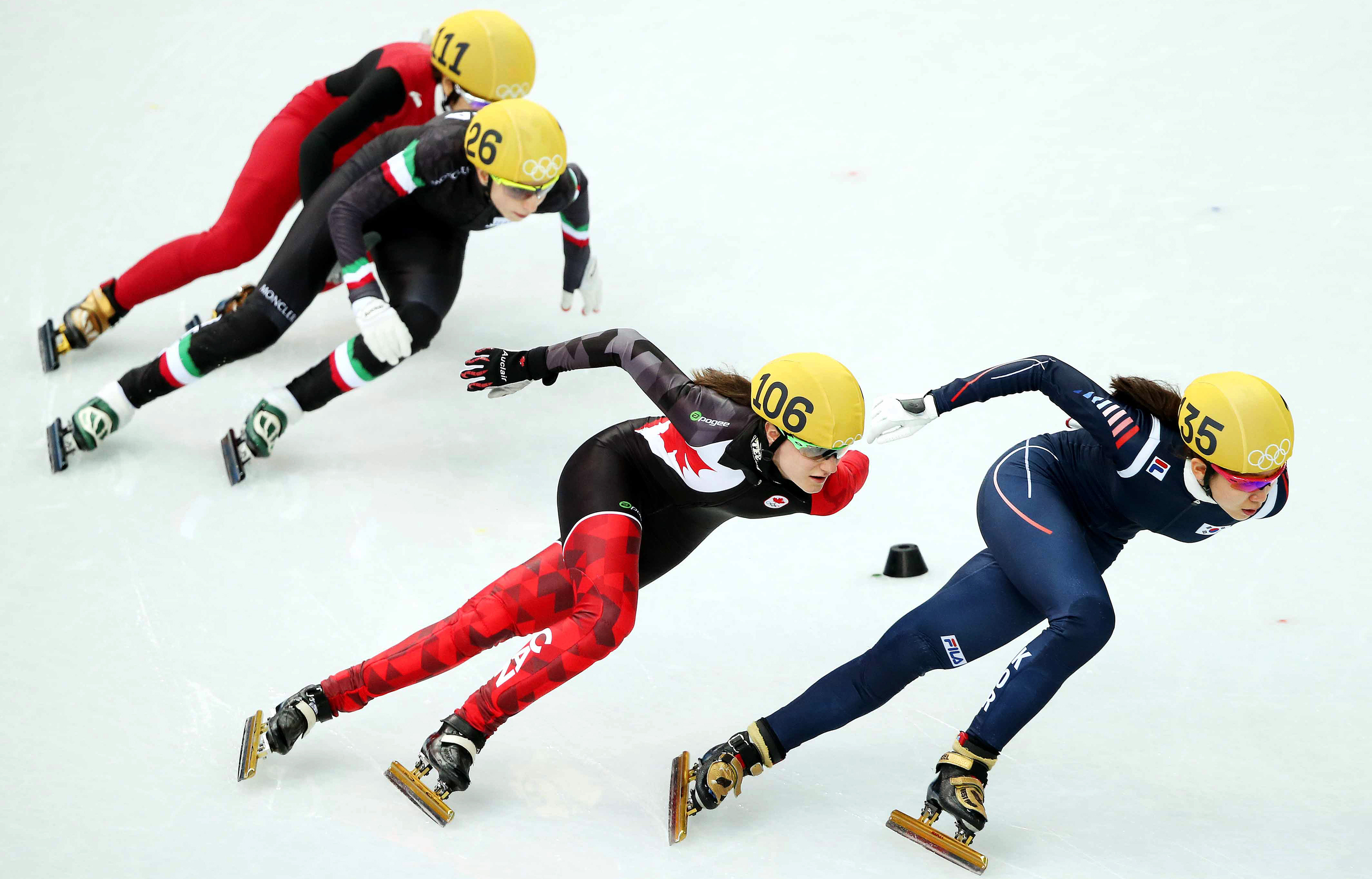
While seemingly driven by incidental events, public attitudes towards foreign nations may be responding to real tensions.
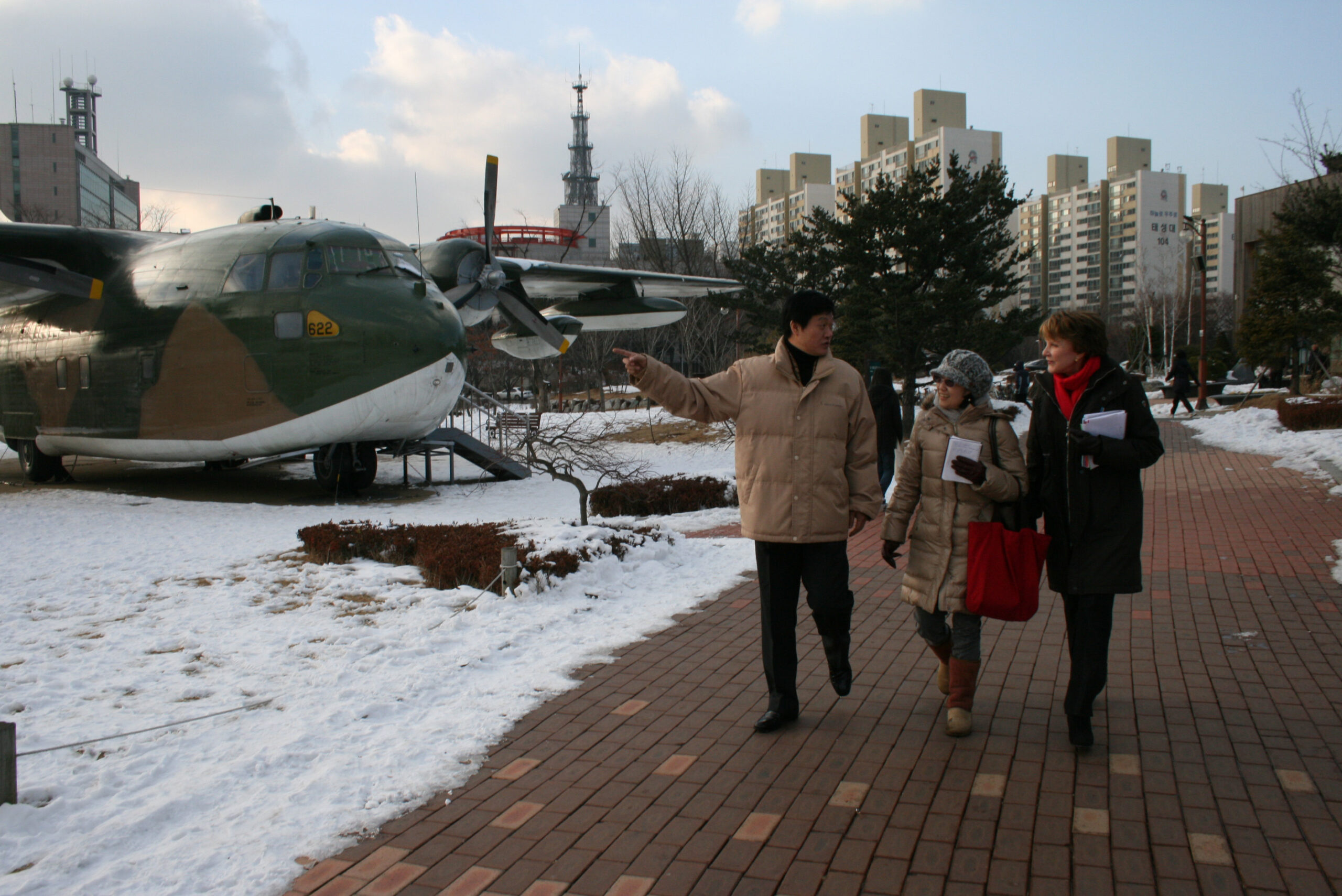
Values and biases of everyday South Koreans are reflected in the government’s approach to defector-migrants from North Korea.
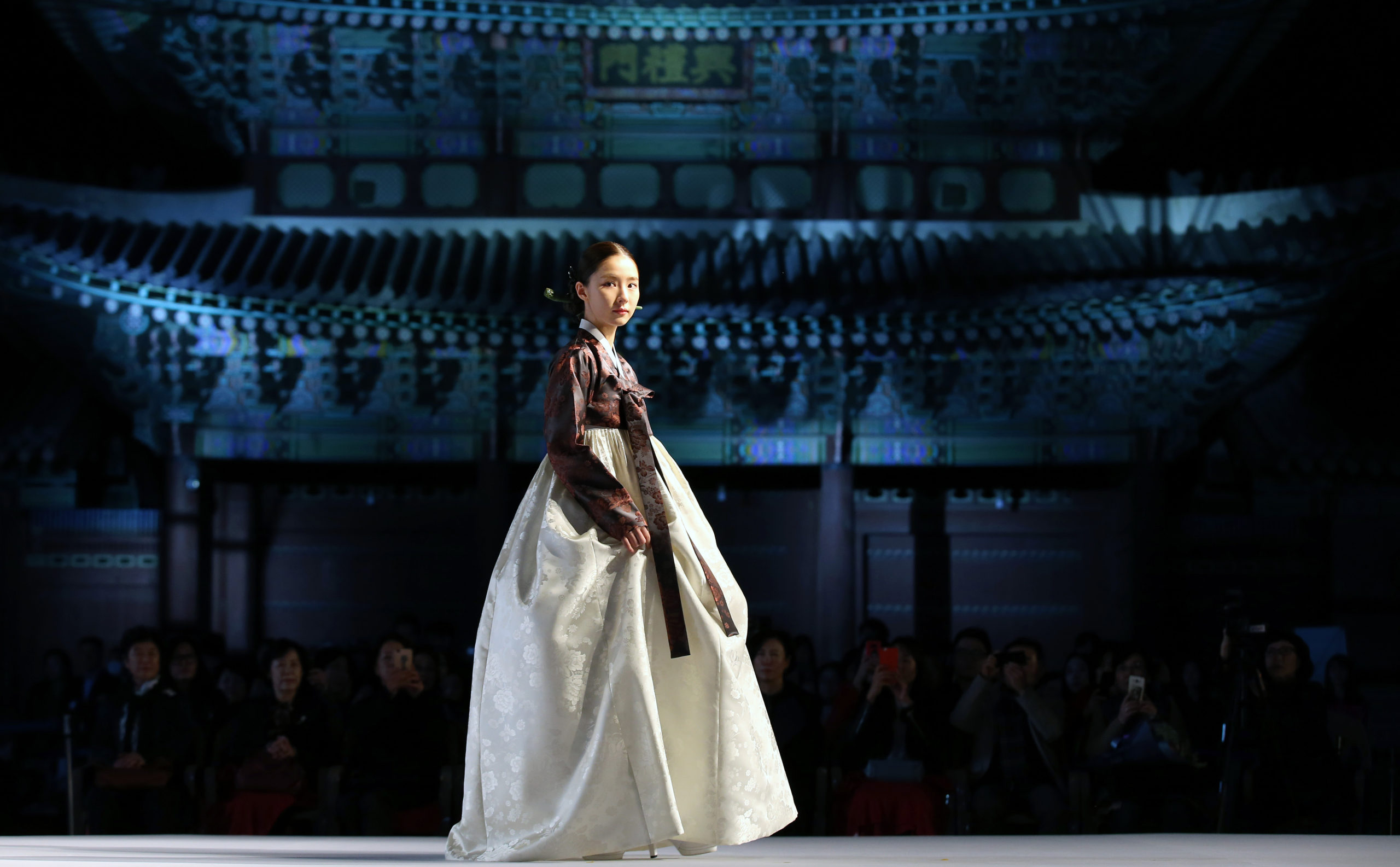
The Korean anger at China’s use of hanbok stems from the clothing’s role in not only the country’s national identity but also present prestige.

The South Korean government invests in AI solutions rather than welfare policies to tackle high levels of suicide among the elderly.

Japan increasingly seeks to settle bilateral disputes with South Korea in multilateral settings where Tokyo’s higher prestige provides an advantage.