Poor Emotional Labor Conditions
The national government looks to protect workers involved in emotional labor, but almost half of them still suffer from poor conditions.

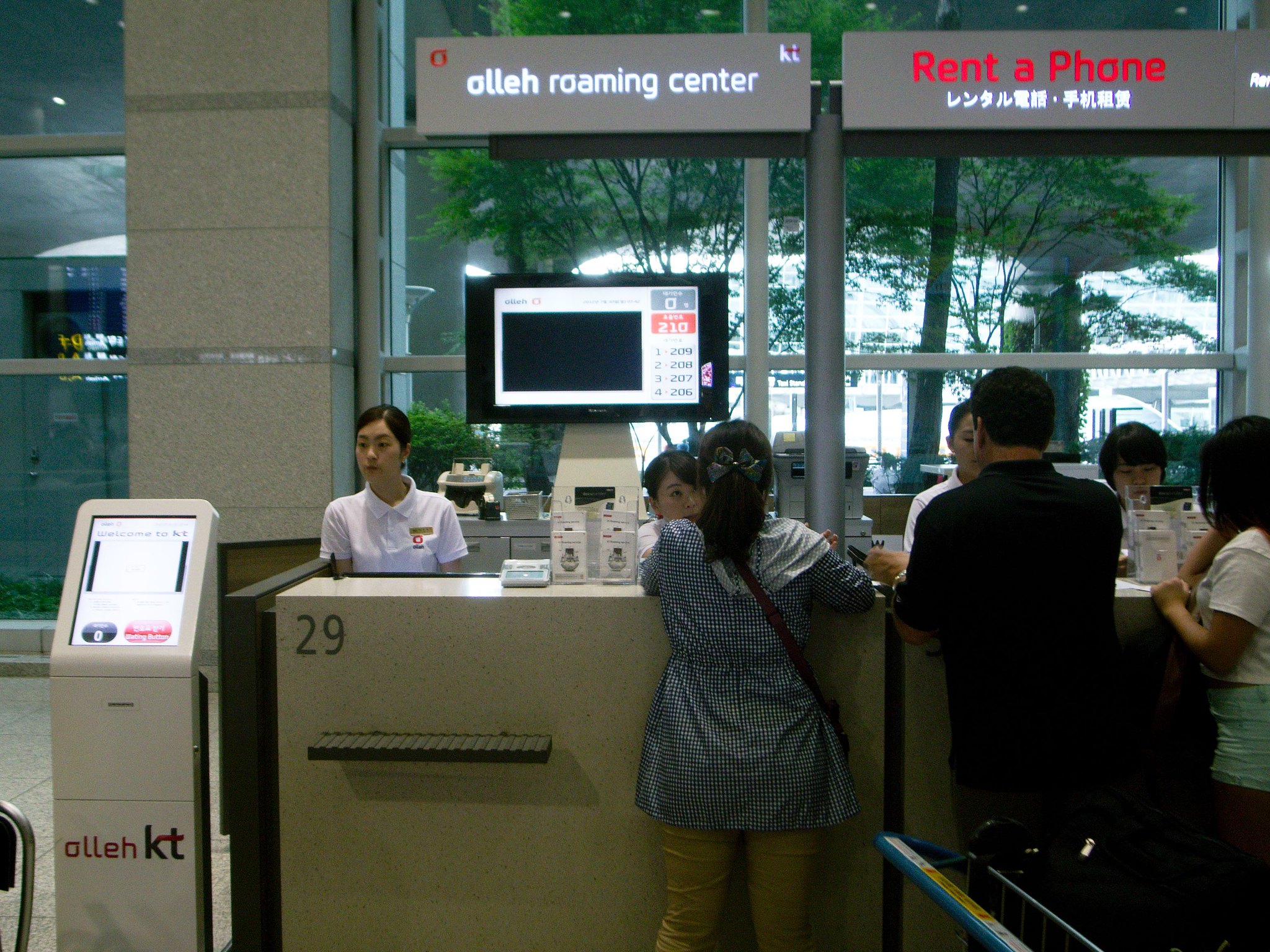
The national government looks to protect workers involved in emotional labor, but almost half of them still suffer from poor conditions.

The Moon Administration wants to resume rules aimed at reducing plastic waste, but consumers and small business owners are wary.
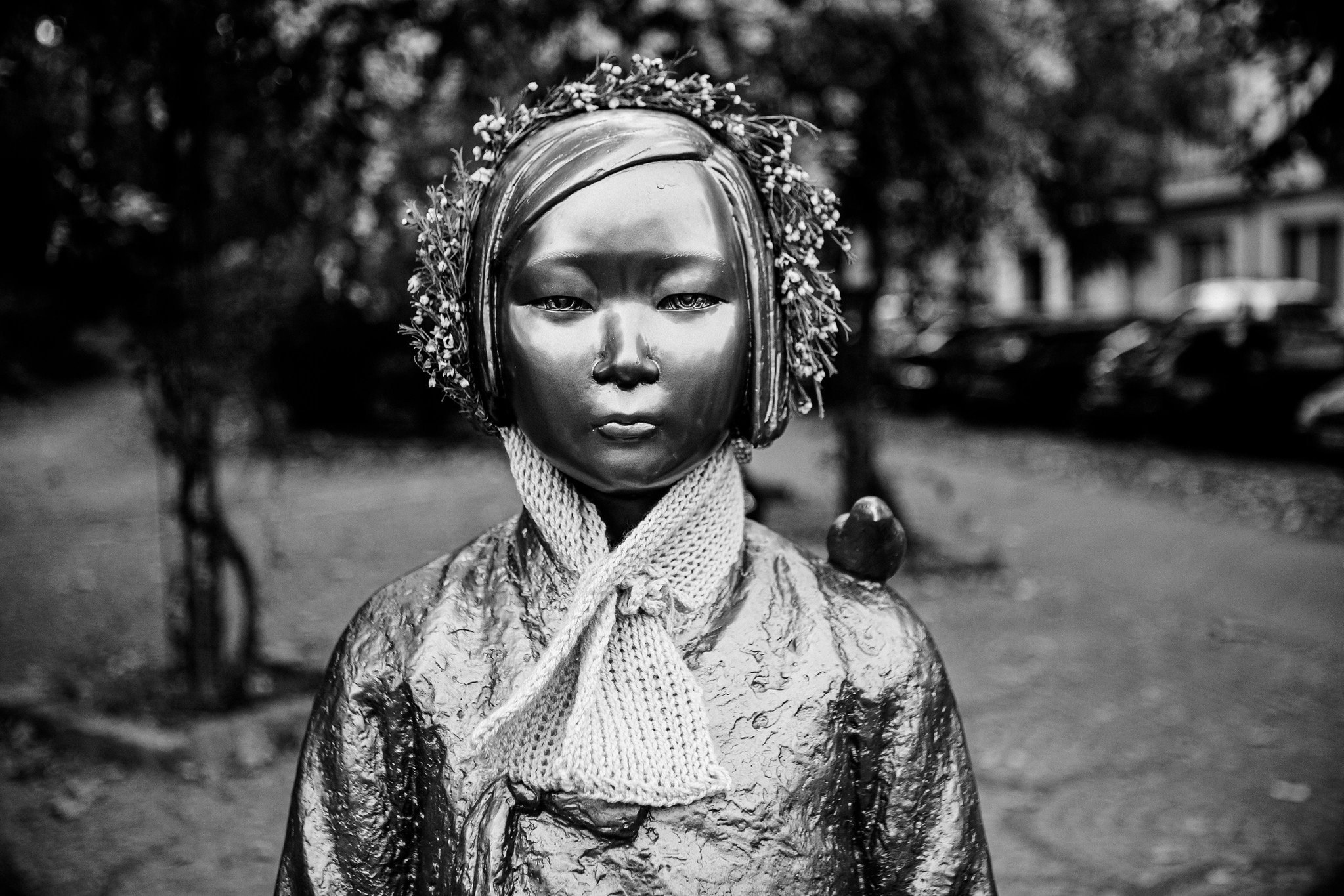
Even when there are no direct diplomatic tensions between Japan and South Korea, negative sentiments towards Japan permeate Korean society.
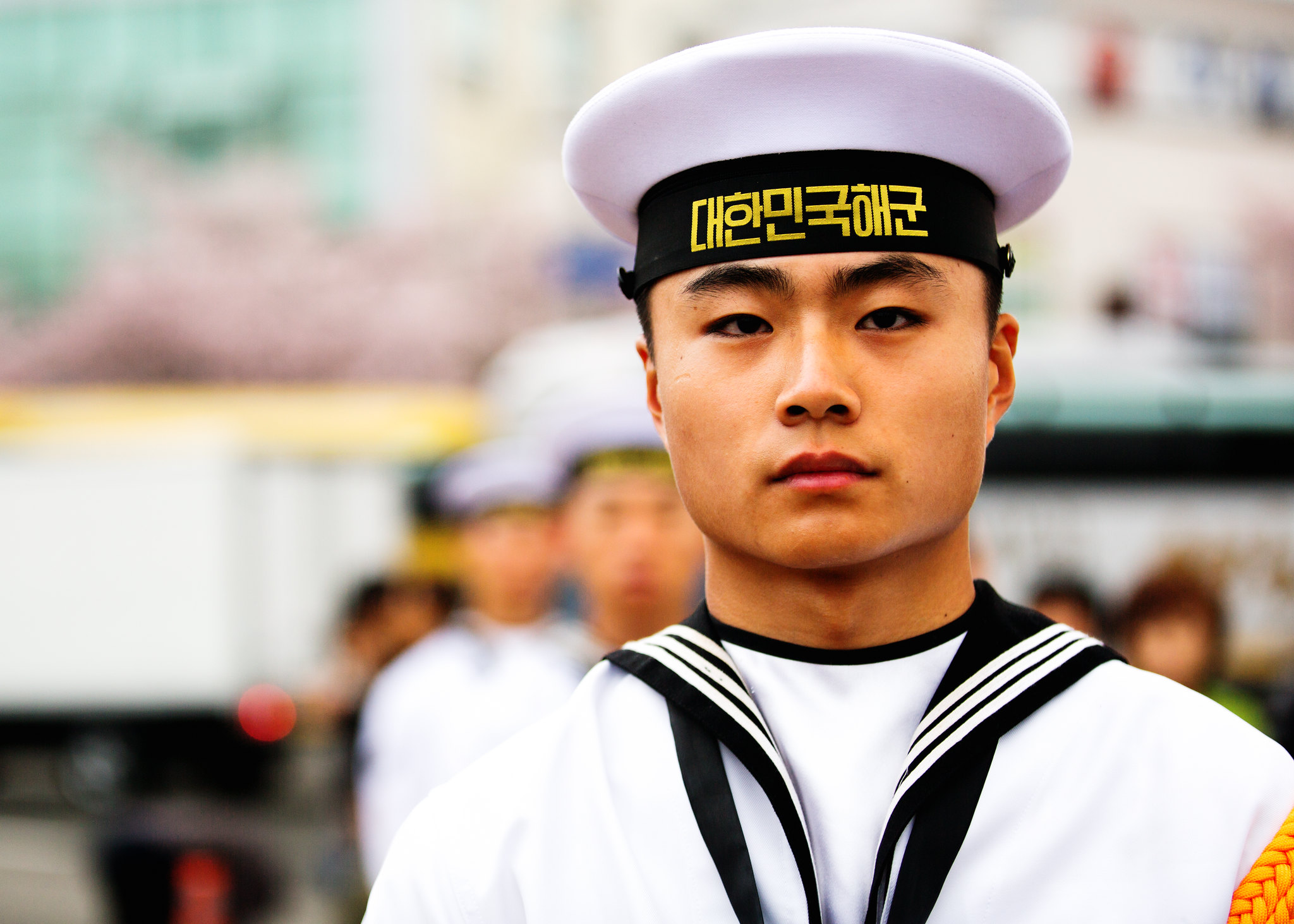
The navy’s new frigate enhances maritime deterrence capability in response to anticipated future provocations from North Korea.

South Korean policymakers have long promoted green technology not only for carbon neutrality but also for its capacity to create jobs.
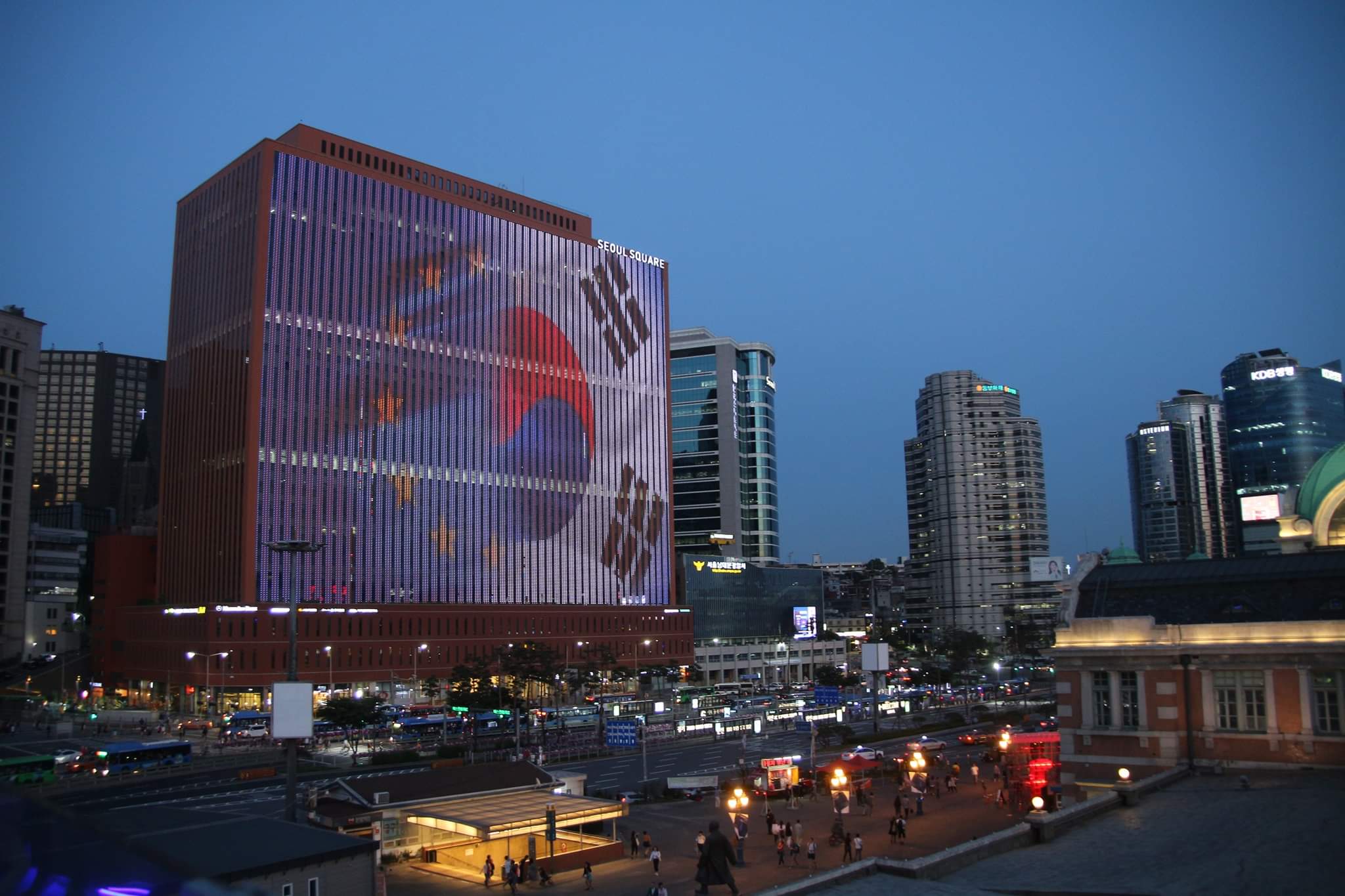
The president-elect’s initial push to break with tradition may reveal the incoming administration’s desire to chart a different foreign policy direction.
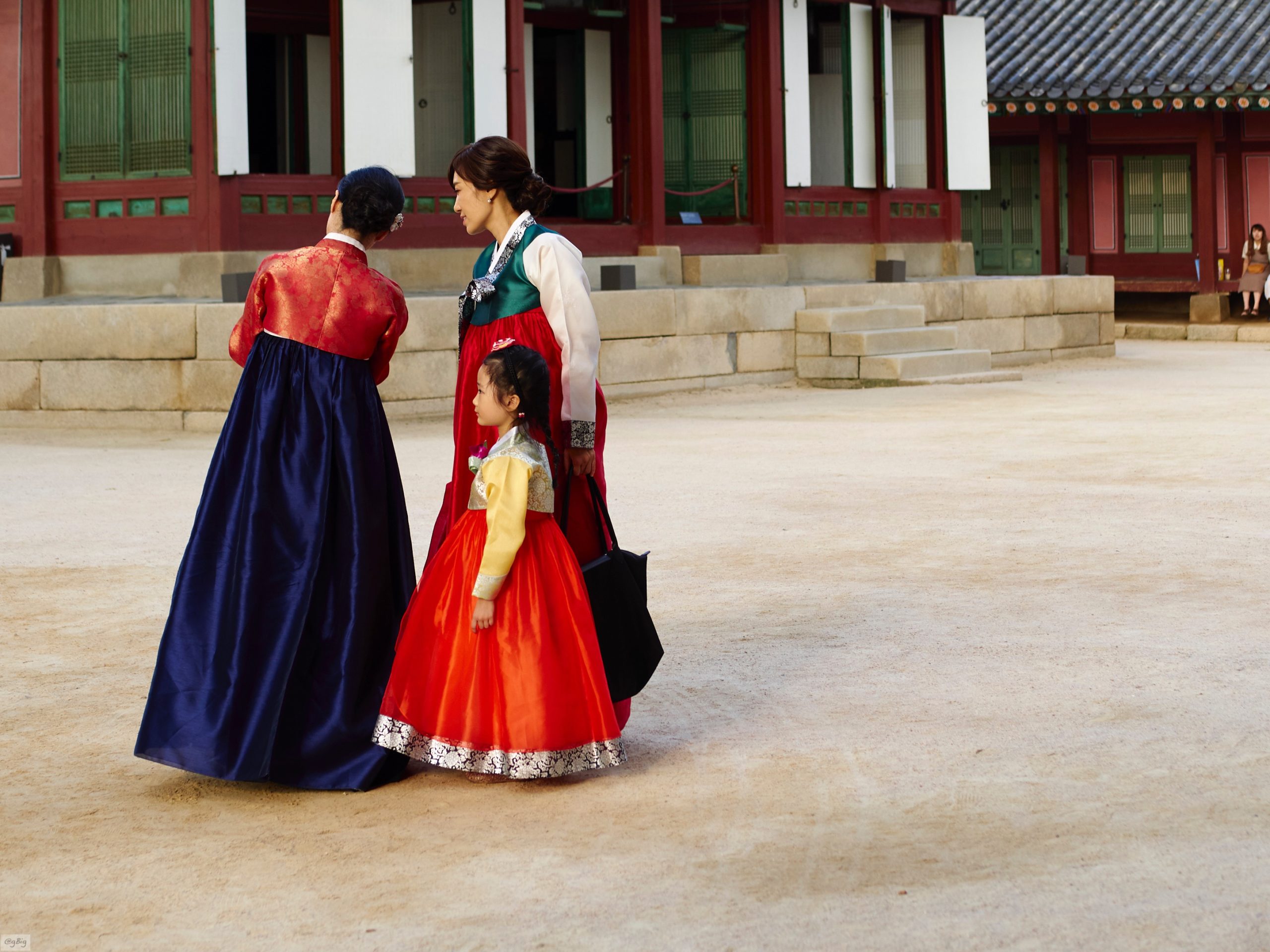
Online speculation around how different female celebrities may have voted reveals how partisans increasingly prioritize group loyalty over values.

South Korea has an industrial safety issue, but the new law which focuses on criminal prosecution after accidents does not address the heart of the problem.

The growing secondhand market offers younger generations of Koreas a way to demonstrate both style and substance through “value shopping”
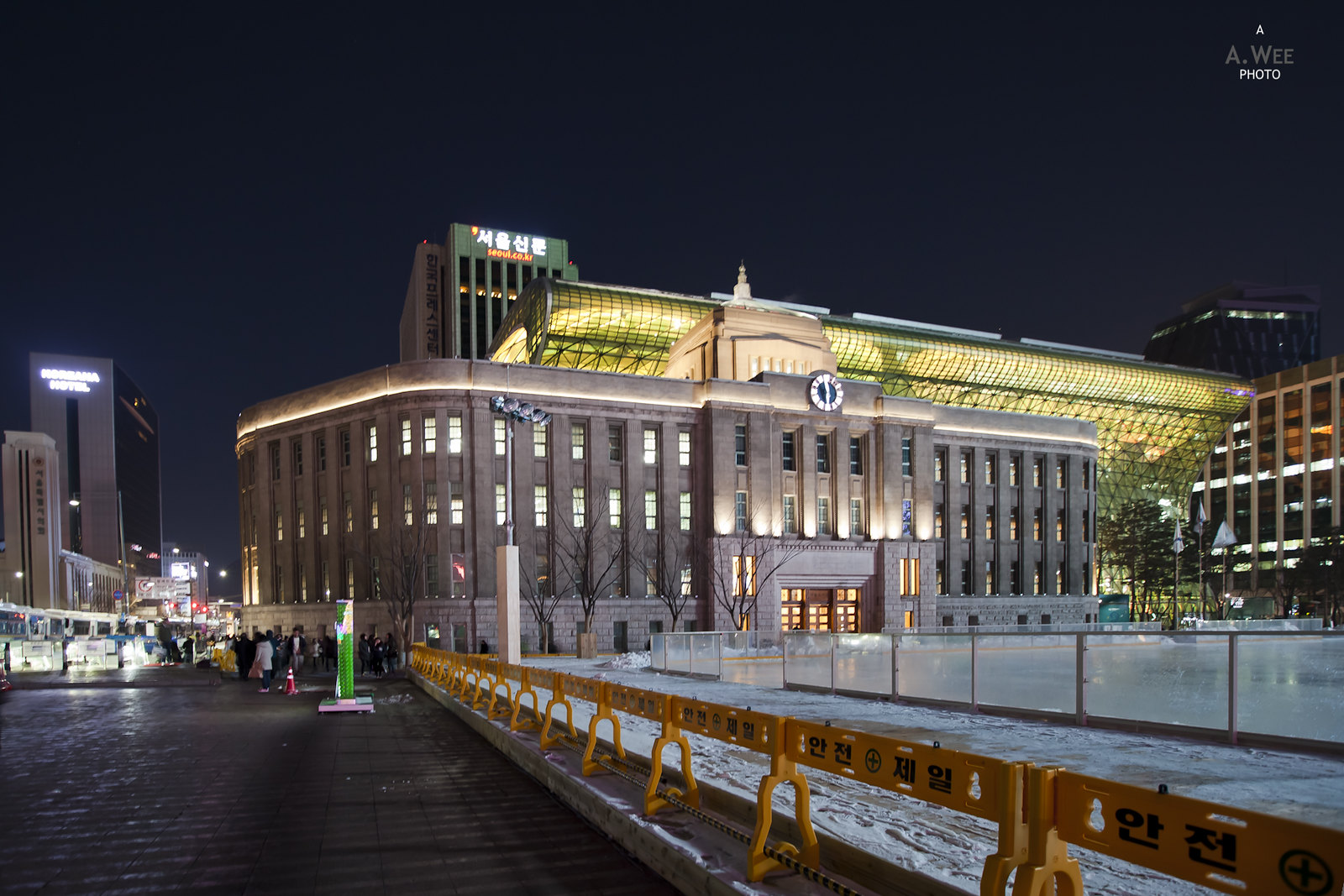
Although the income gap is a nationwide problem, Seoul municipal government is taking the initiative to put forward potential solutions.