Fine Dust Impedes South Korea’s Economic Growth
If the fine dust crisis is not resolved in the near future, its consequences will cripple South Korea’s economic growth prospects


If the fine dust crisis is not resolved in the near future, its consequences will cripple South Korea’s economic growth prospects

While there are reasons to be hopeful about the outcome of the summit, investing now in the resumption of Inter-Korean construction projects is premature even in the best case scenario.
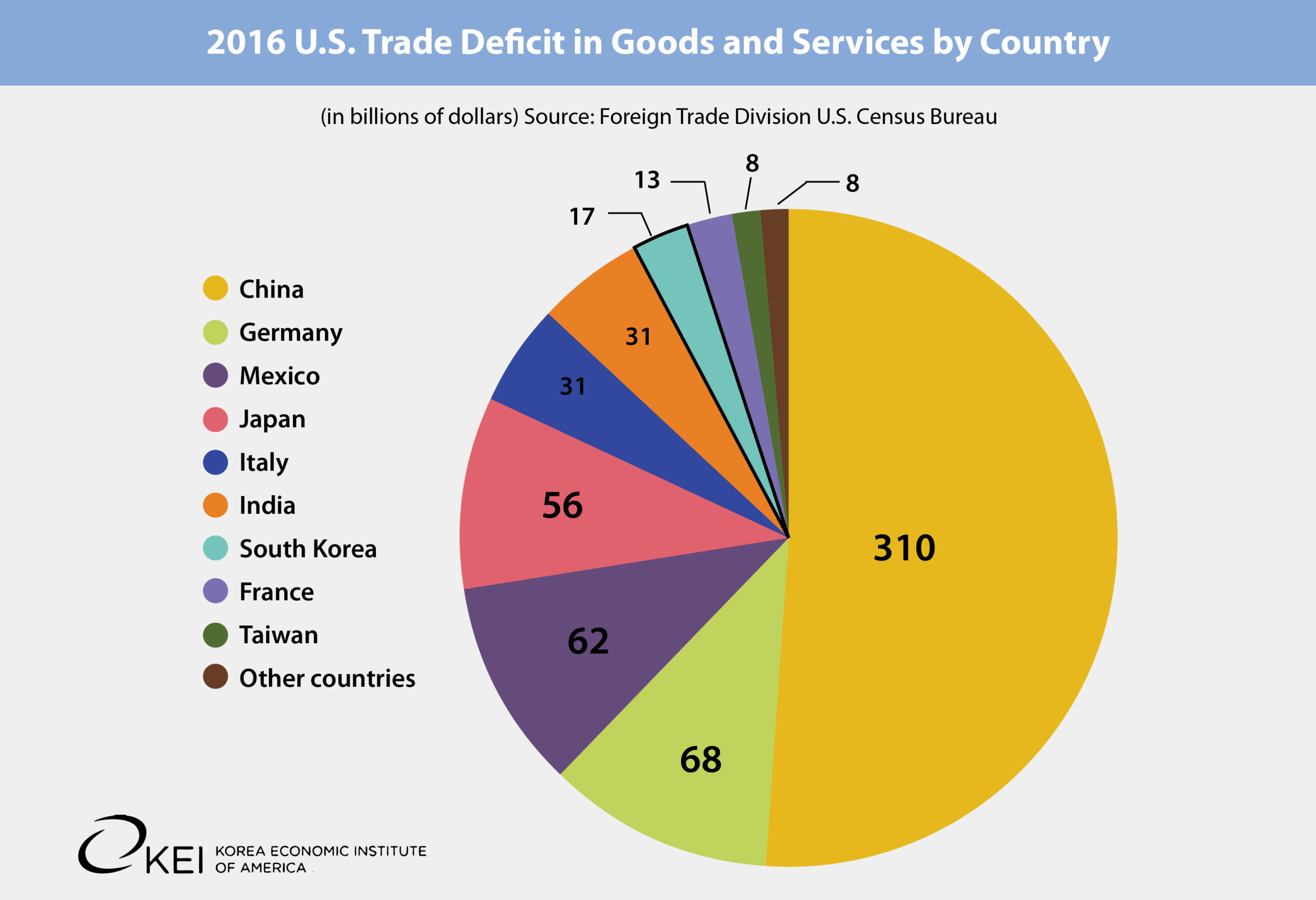
If present trends continue, the U.S. may experience a lower bilateral merchandise trade deficit with Korea in 2017 than we have seen for the past several years – all without any action by USTR.

More than any other sanction imposed on the country, a cutoff of Chinese crude oil, translated into price hikes, angry customers, and slashed revenues, would cause big problems for Kim Jong-un.
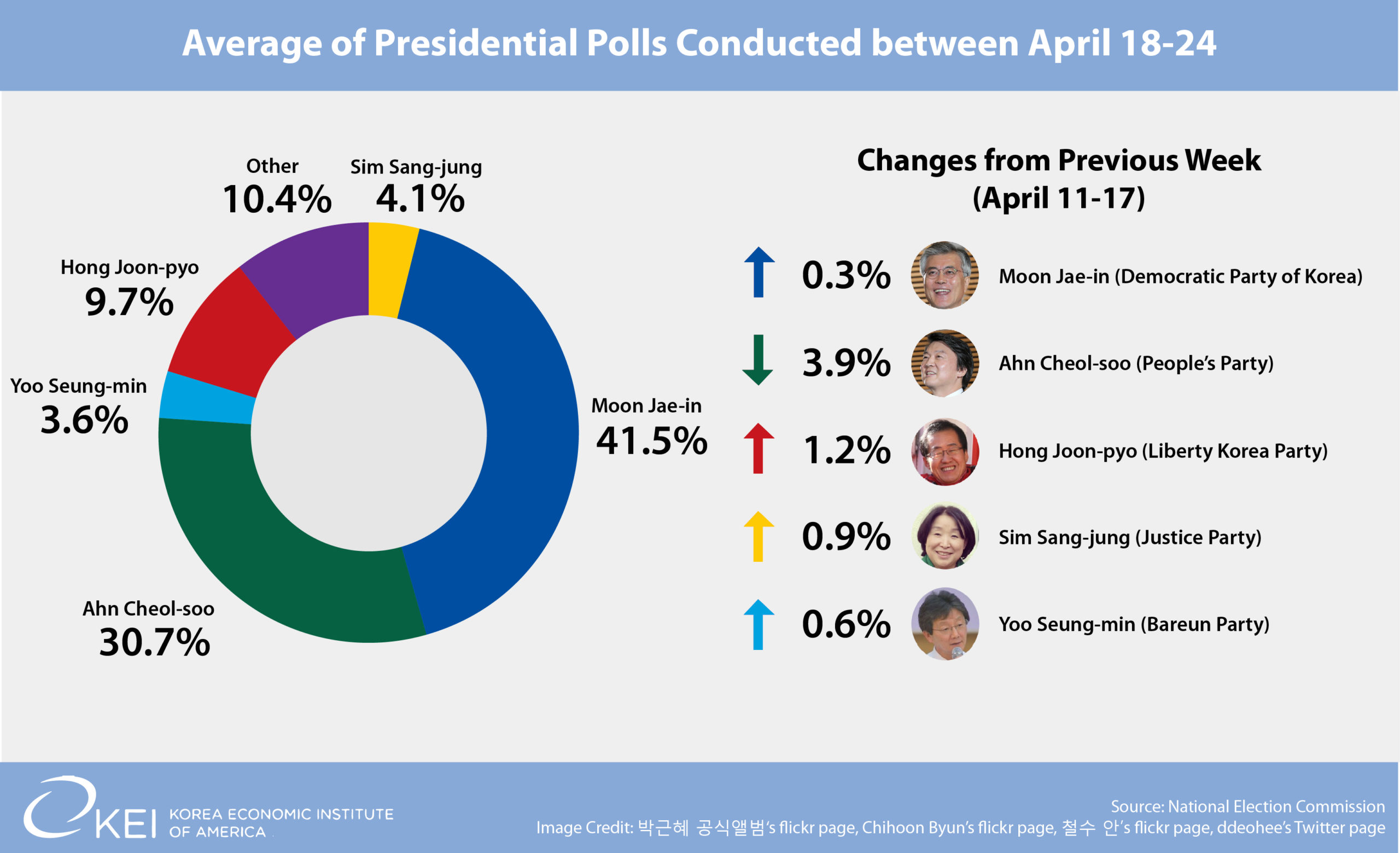
Our aggregate poll is an average of national polls conducted between April 18th and 24th.
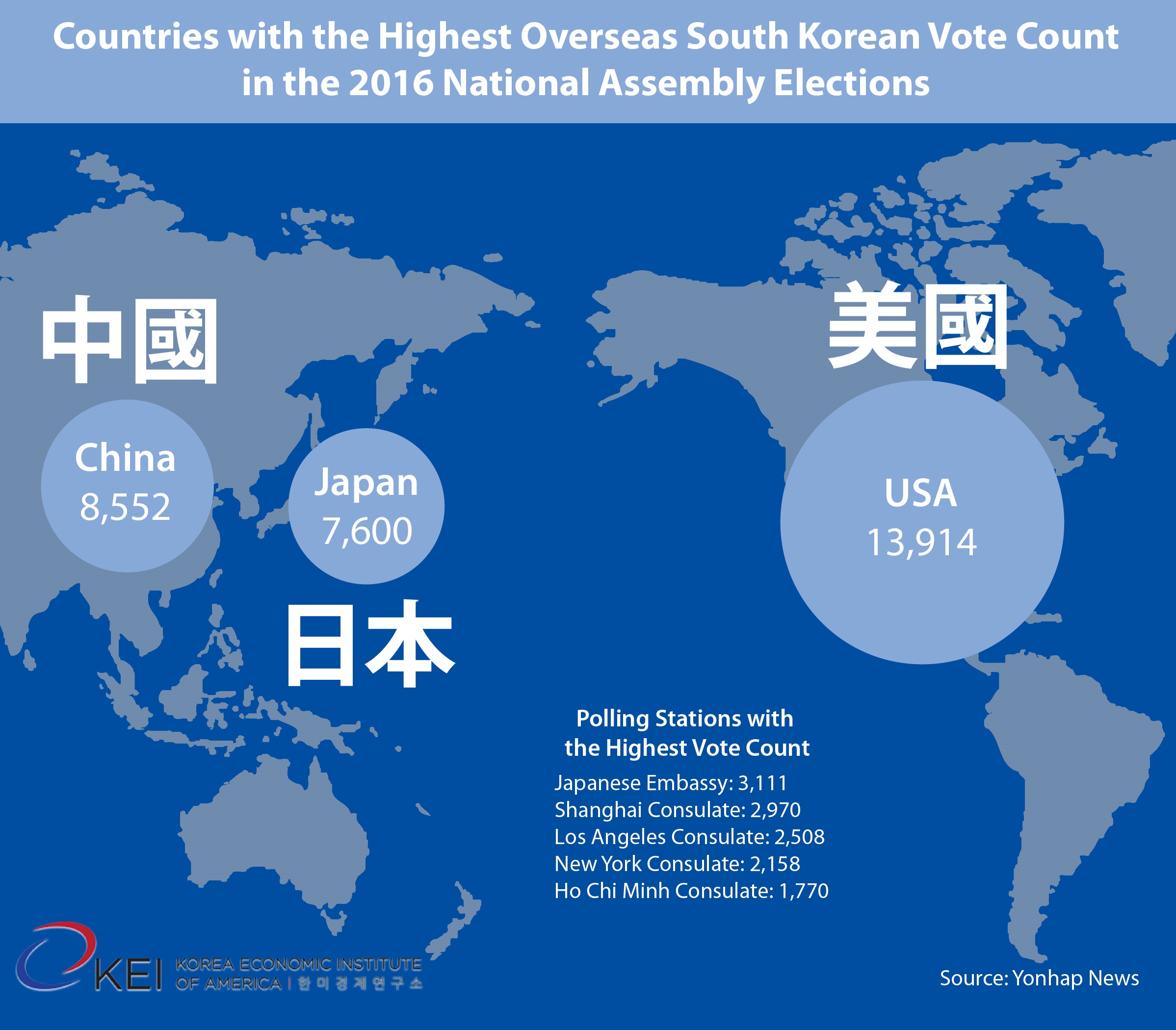
The larger voter registration numbers this year signal greater enthusiasm among Koreans abroad in participating in the upcoming election. While there are certainly a myriad of other factors that will shape the election narrative in the coming weeks, overseas voters will play an influential part of the election outcome.
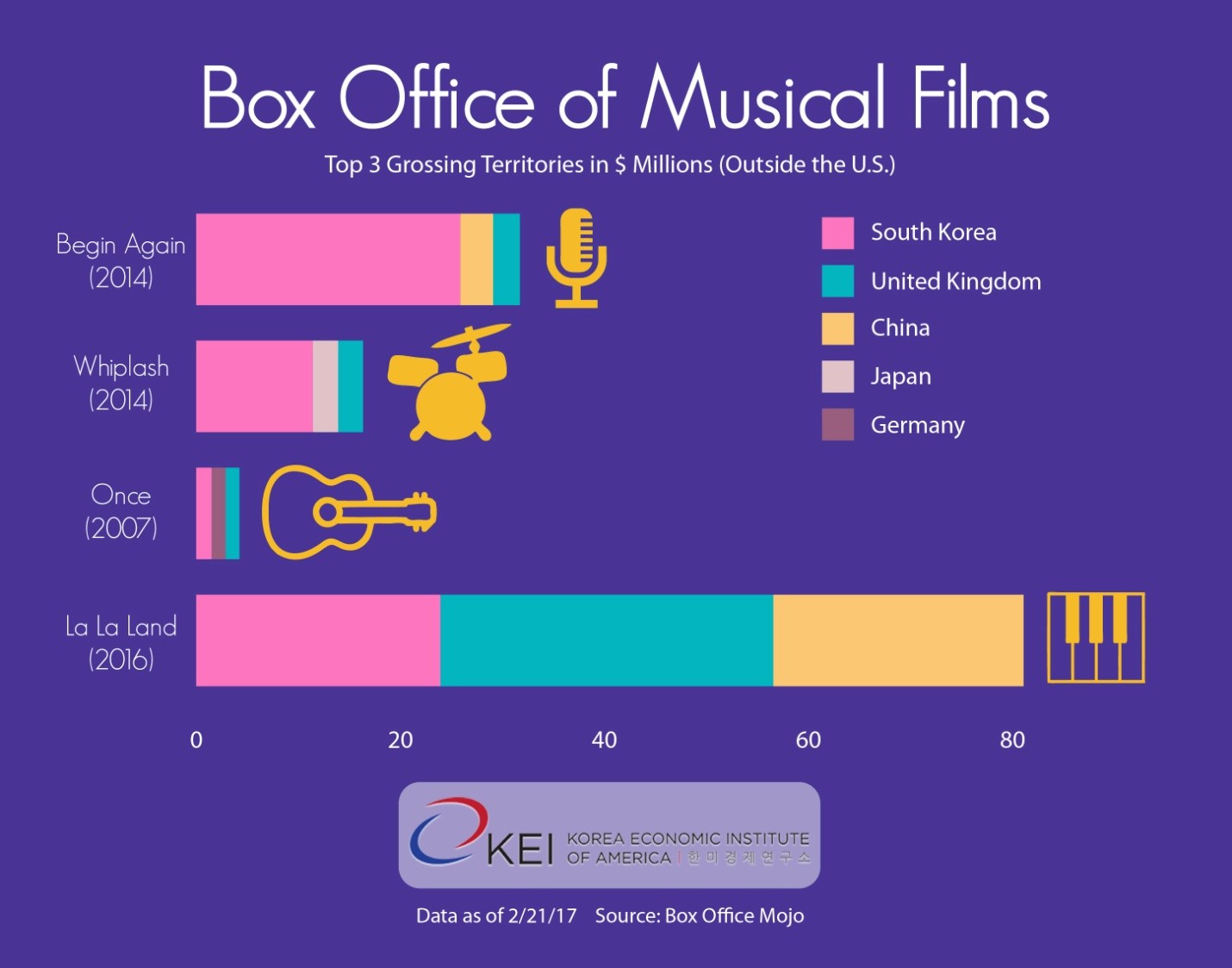
In a country known for its melodramatic soap operas and glitzy pop groups, Western heart-on-sleeve musicals have proven to be a natural fit for Korean entertainment preferences.

Here is a brief look at the current state of the four major political parties in South Korea today.
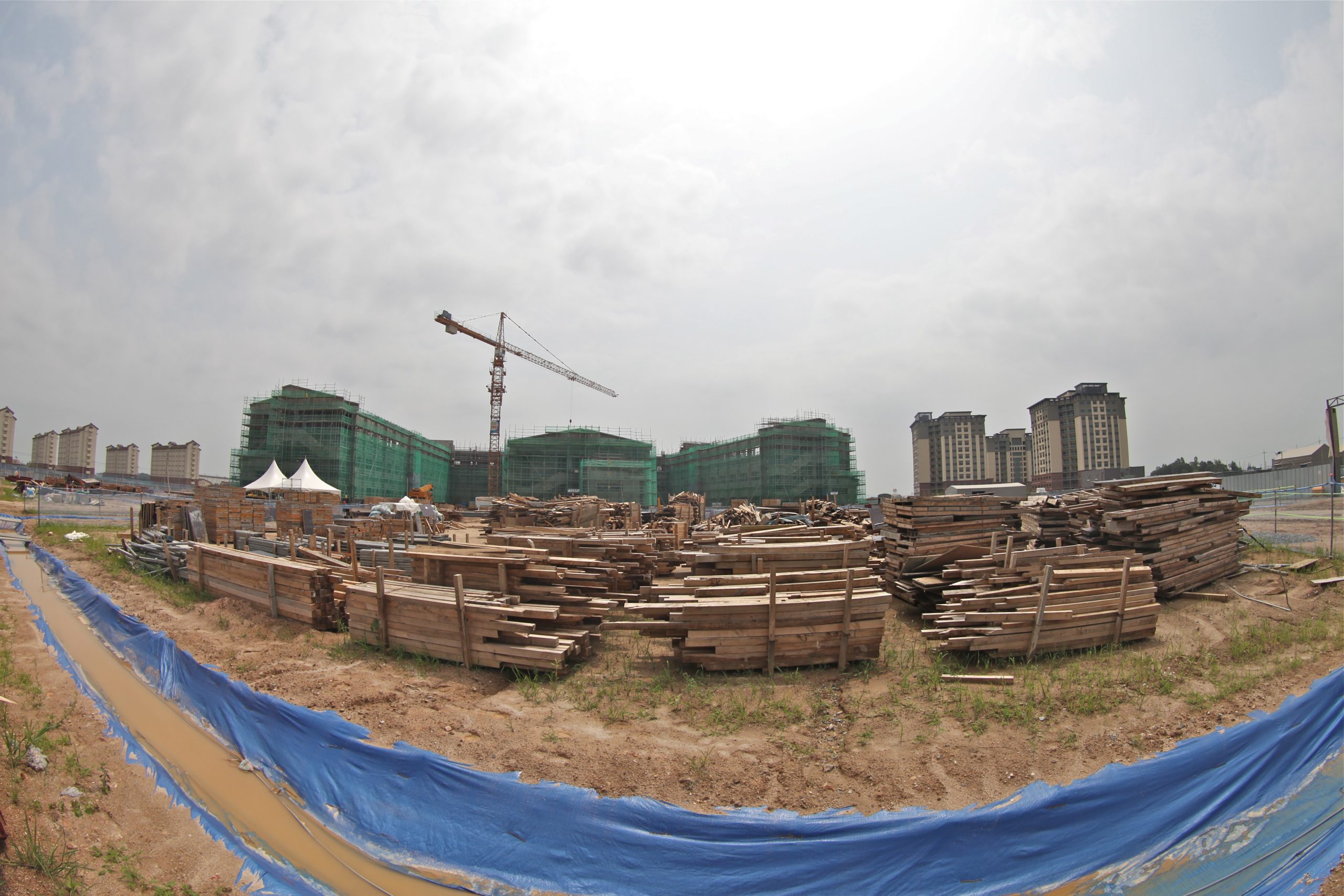
KEI Communications Director Jenna Gibson, host of the KEI podcast Korean Kontext, recently interviewed Major General James Walton, Director for Transformation and Restationing for U.S. Forces Korea (USFK).
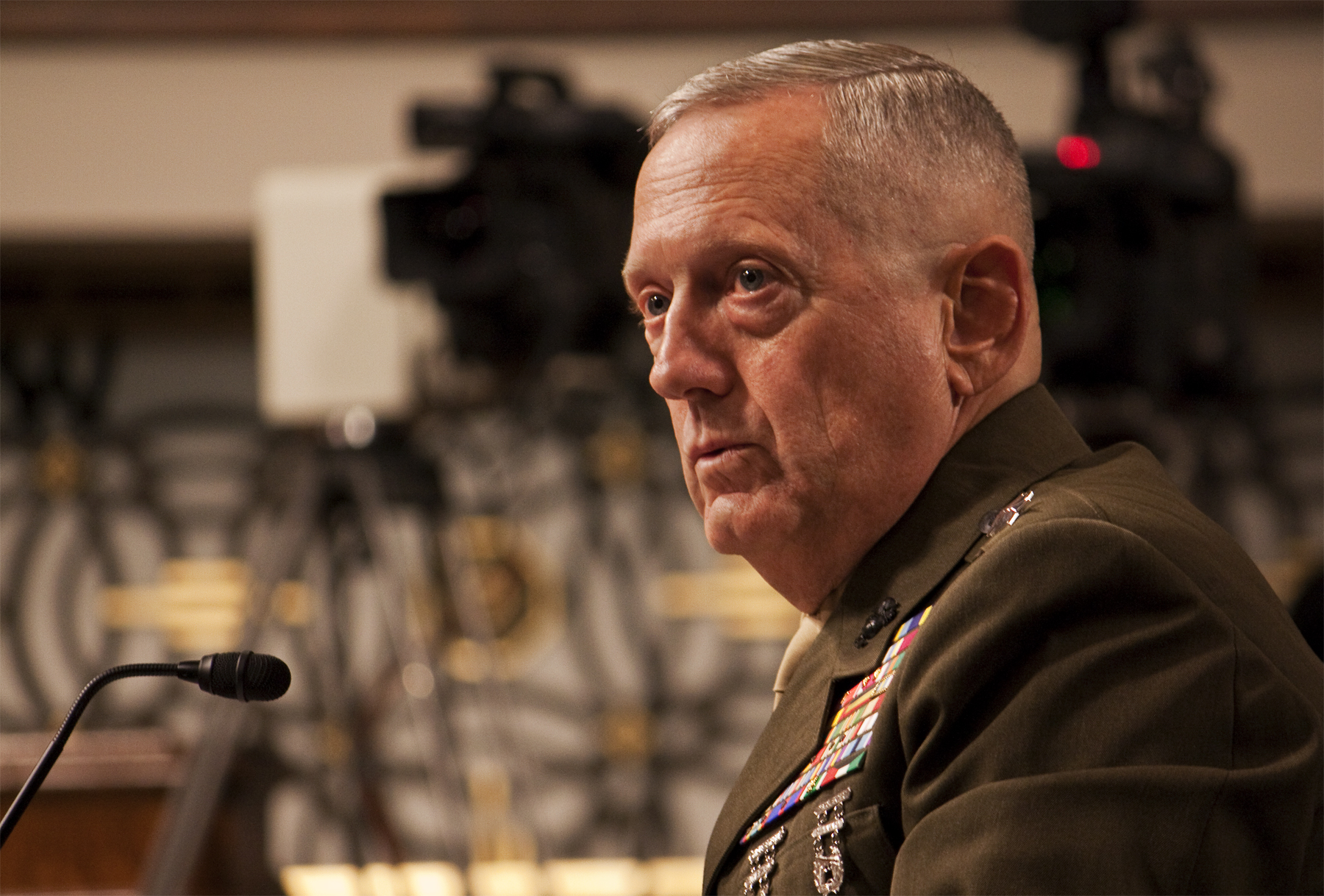
For the purposes of those with a particular interest in Northeast Asia, and Korea in particular, following are questions that we would love to see asked and answered during the upcoming confirmation hearings.