The Middle East War Starts and Ends With Iran’s Nuclear Program
Iran’s failure to achieve nuclear latency has significant implications for South Korea and Japan’s thinking on their own nuclear strategy.

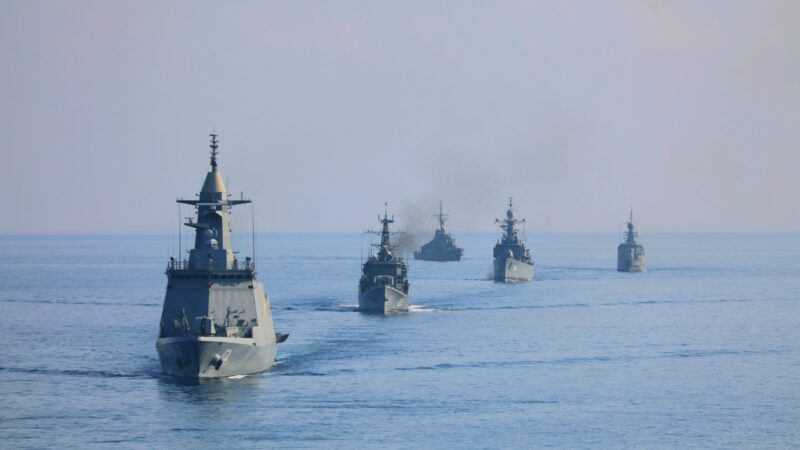
Iran’s failure to achieve nuclear latency has significant implications for South Korea and Japan’s thinking on their own nuclear strategy.
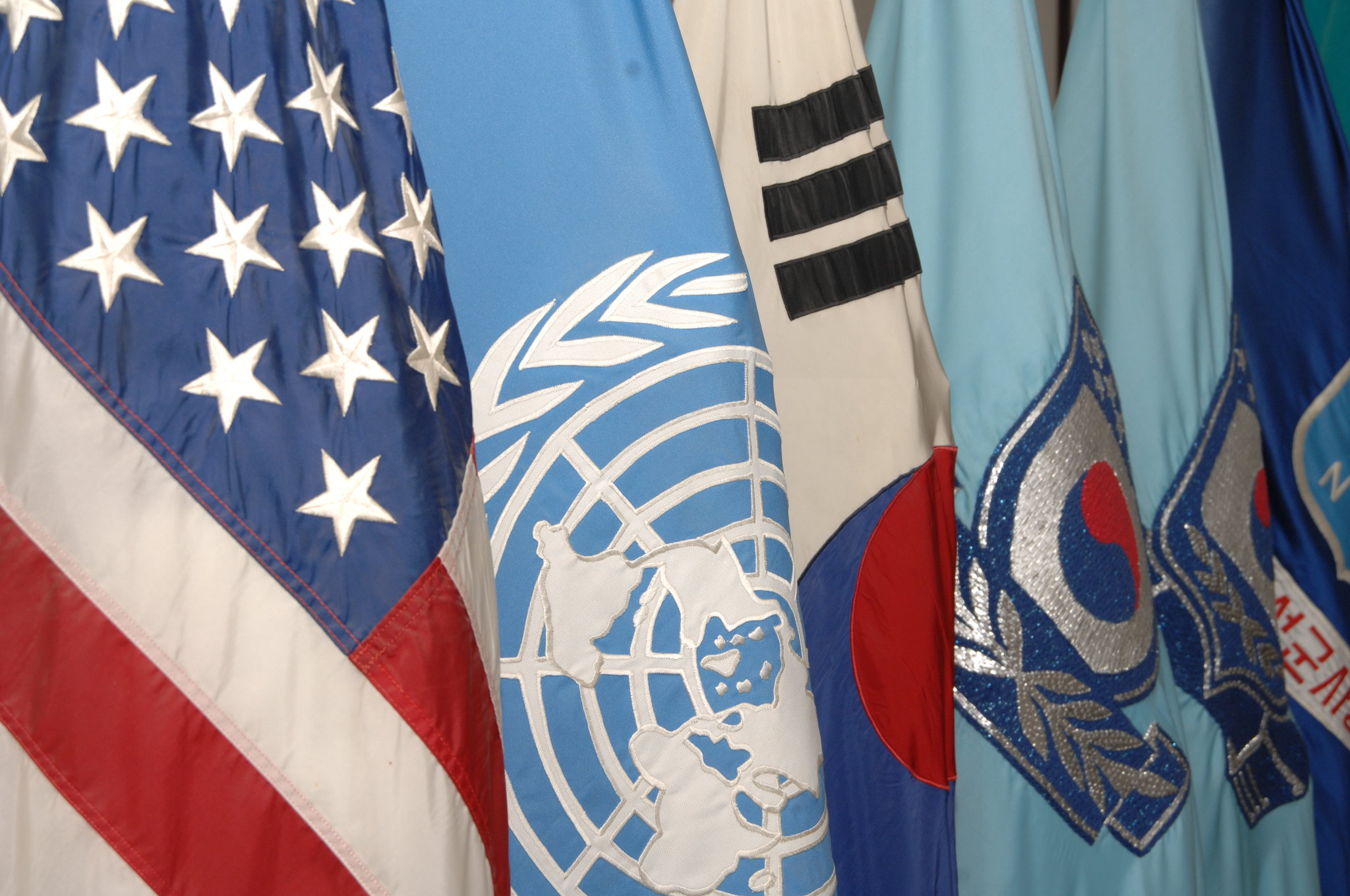
Data shows enduring support for South Korea as a partner and consistent preference for more open trade, investment, and cultural exchange.
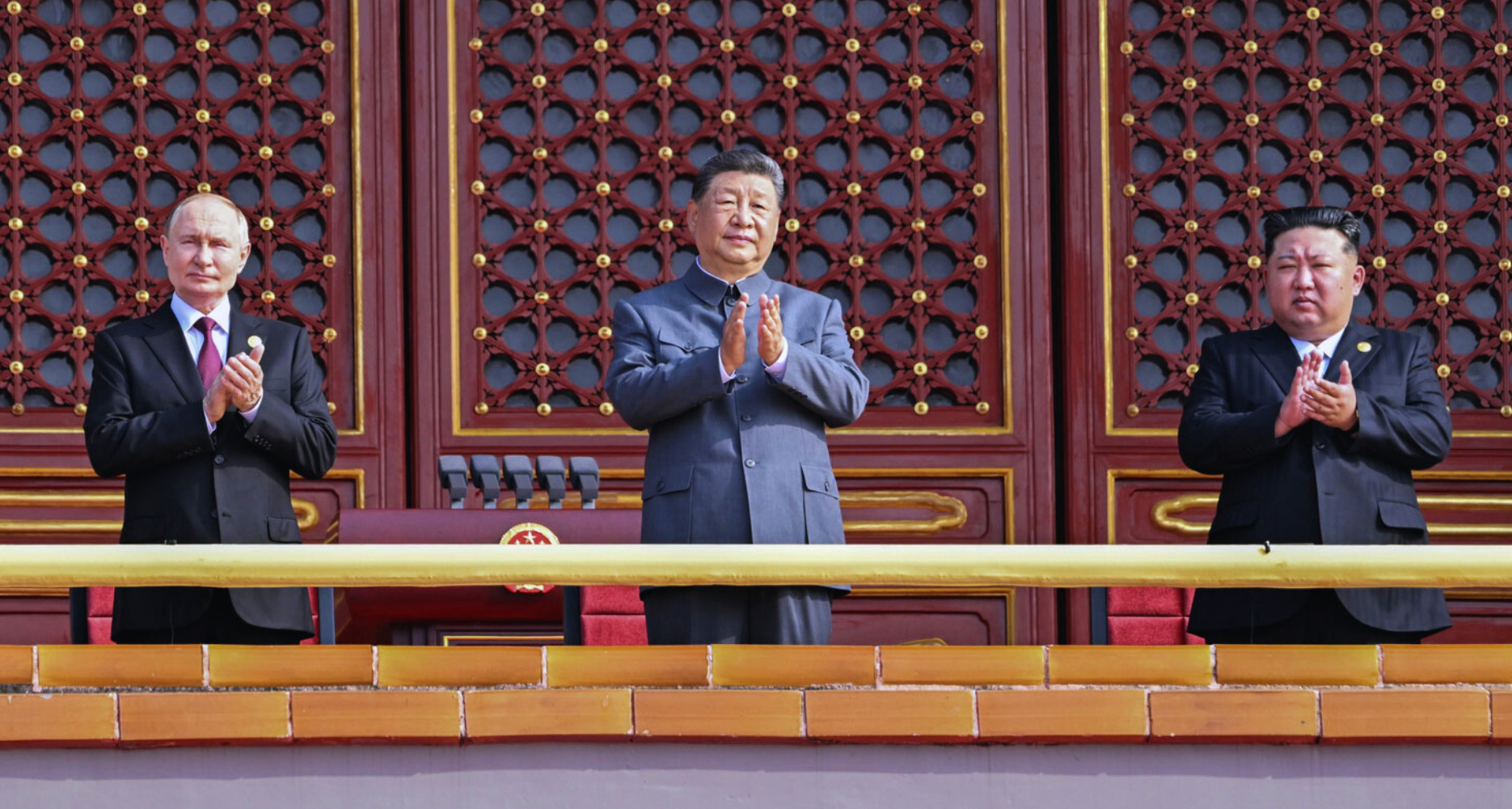
A new Cold War structure is materializing with the United States, South Korea, and Japan on one side and China, North Korea, and Russia on the other.

If Washington wants the strategic benefits that come with Korean FDI, it will need to align immigration policy with the industrial strategy it has chosen.

The opening of full diplomatic ties between Seoul and Havana is a clear reflection of the current economic and political realities on the Korean Peninsula.
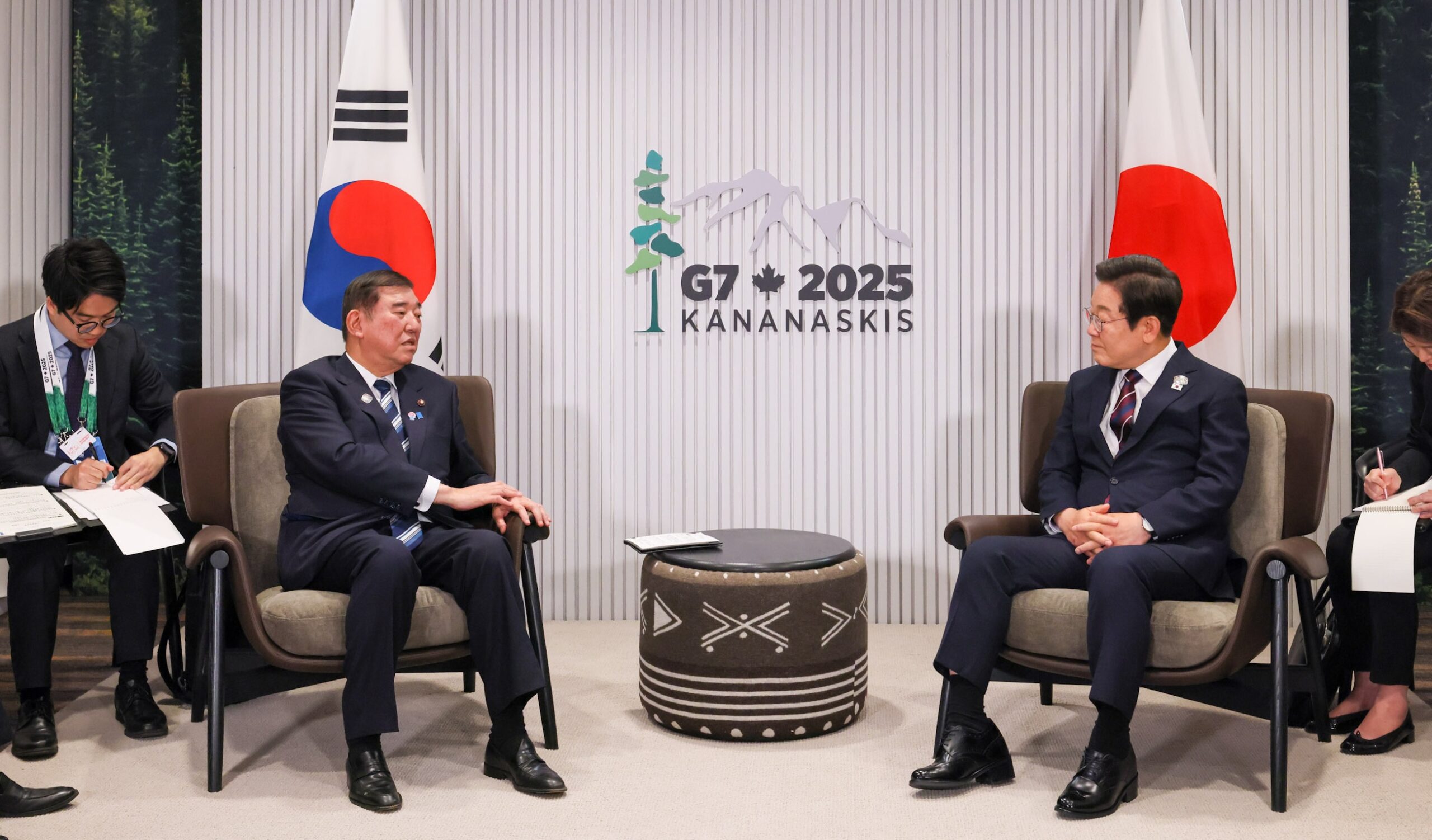
Leaders Lee and Ishiba emphasize overlapping concerns about global turmoil as their primary security partner turns inward.

President Lee’s participation demonstrates South Korea’s rising international stature and increasing role in global affairs.

The decision to shutter these agencies impacts their important role in the Indo-Pacific region broadly and on the Korean Peninsula.

States have enjoyed more than USD 130 billion from clean-energy investments, making the IRA’s full abrogation difficult to imagine.
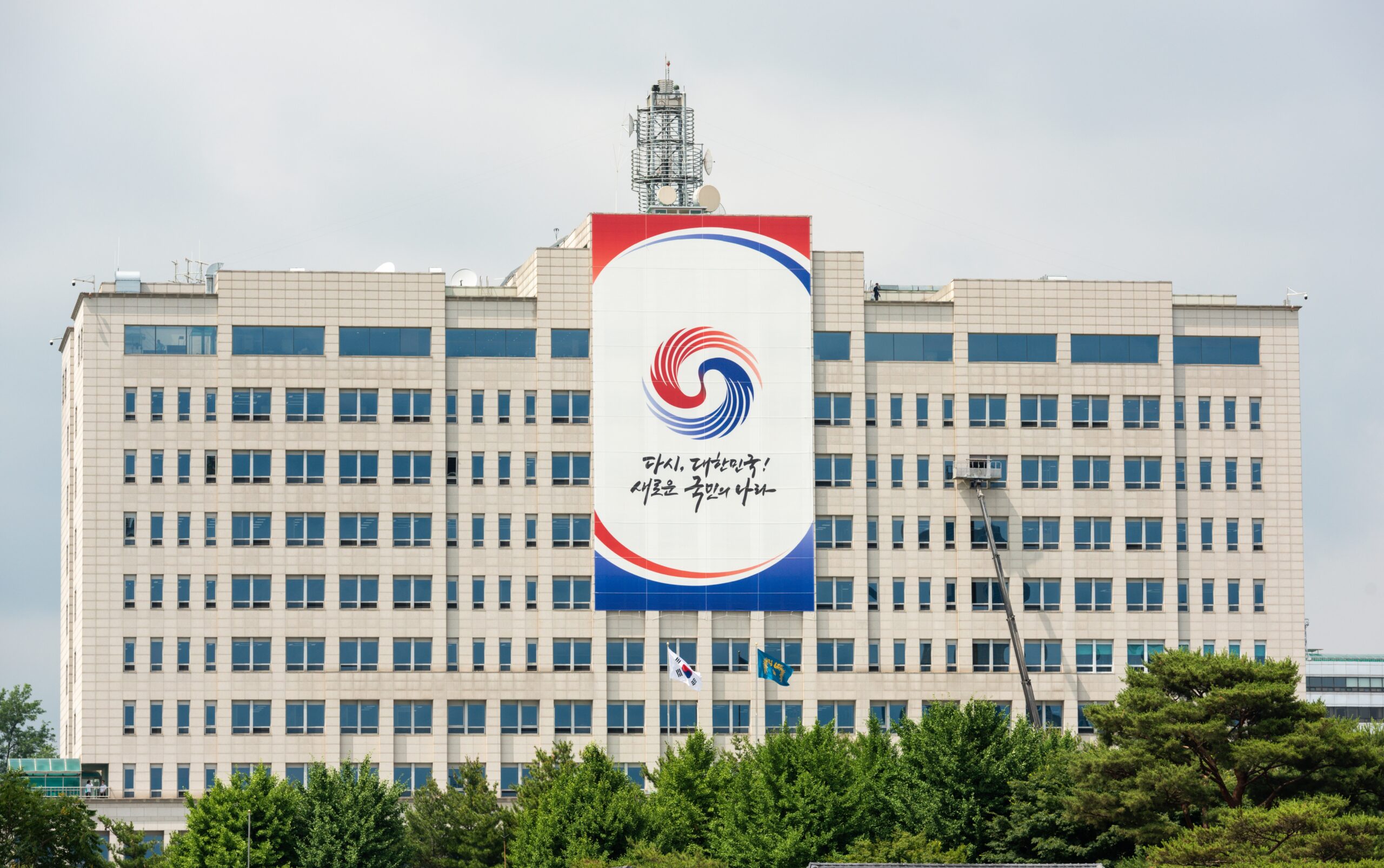
President Yoon’s impeachment marks the third instance in the last two decades in which impeachment articles have been brought against a sitting South Korean president.