Seoul Focuses Support on Young Adults
A new policy will subsidize public transportation fees for young adults, marking the first of many plans to support this cohort’s transition from childhood.

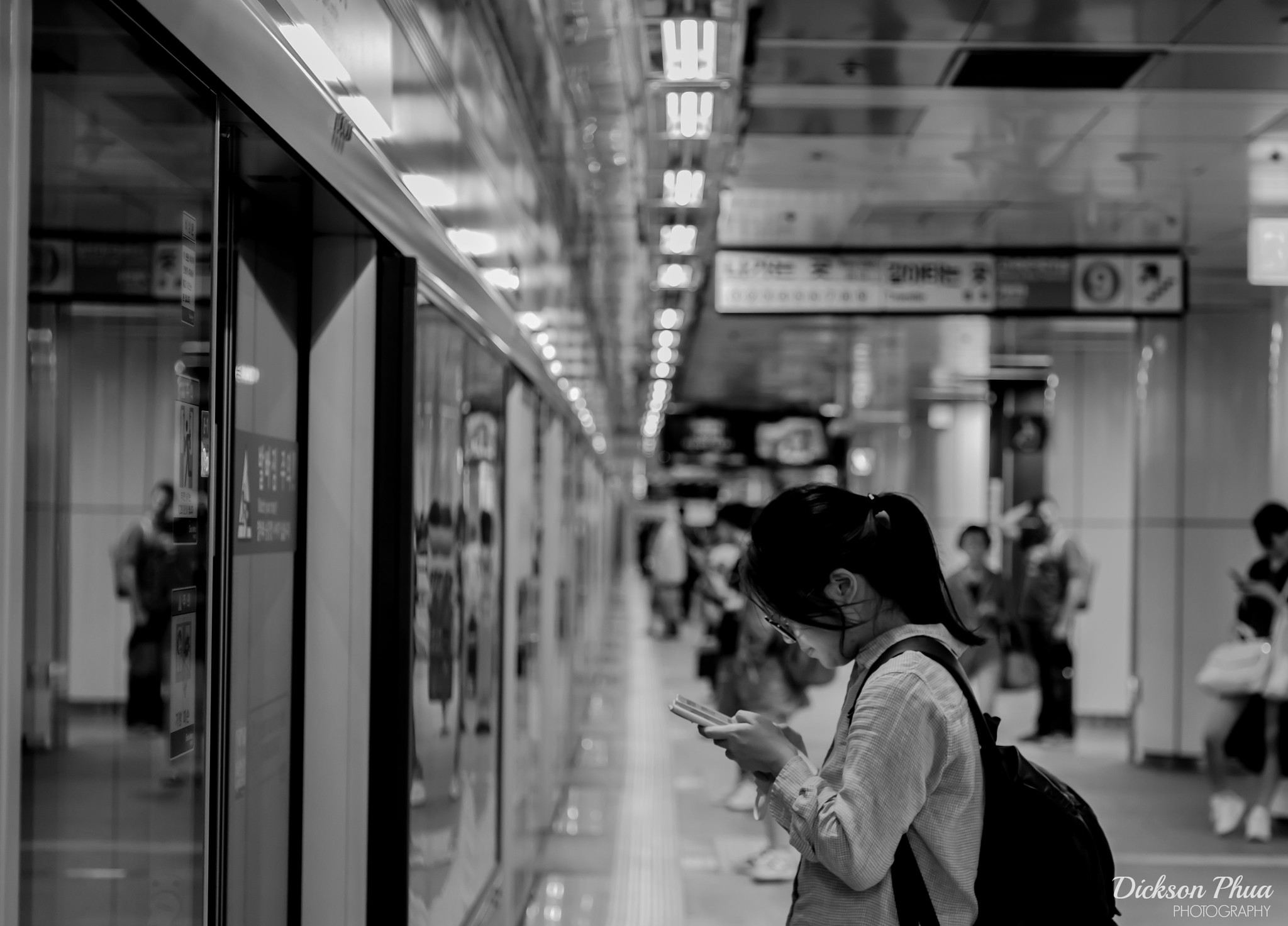
A new policy will subsidize public transportation fees for young adults, marking the first of many plans to support this cohort’s transition from childhood.

South Korean firms’ superficial efforts to change workplace culture by adopting English nicknames fail to address systemic structural issues.
Although small and medium enterprises (SMEs) welcomed the government’s decision to lift COVID-related restrictions, it comes after years of strained ties.

Many restaurants and stores have not adapted to the demographic transition, leading to inadequate nutritional intake for single-person households.

Despite past safety scandals and activists’ fear of disaster, the South Korean public finds nuclear power’s relatively low cost appealing.
South Korea’s previous responses to social isolation have not been successful, resulting in improvements in policy to address the root of the issue.

President-elect Yoon’s transition team announced a plan to reinstate North Korea as the “main enemy,” a move that has a long history.

Discourse over the treatment of BTS at the Grammys reignites a larger conversation about the awards show’s exploitation of minority artists.
As single-person households become increasingly common and birthrates continue to fall, lawmakers are forced to adapt to reverse demographic trends.
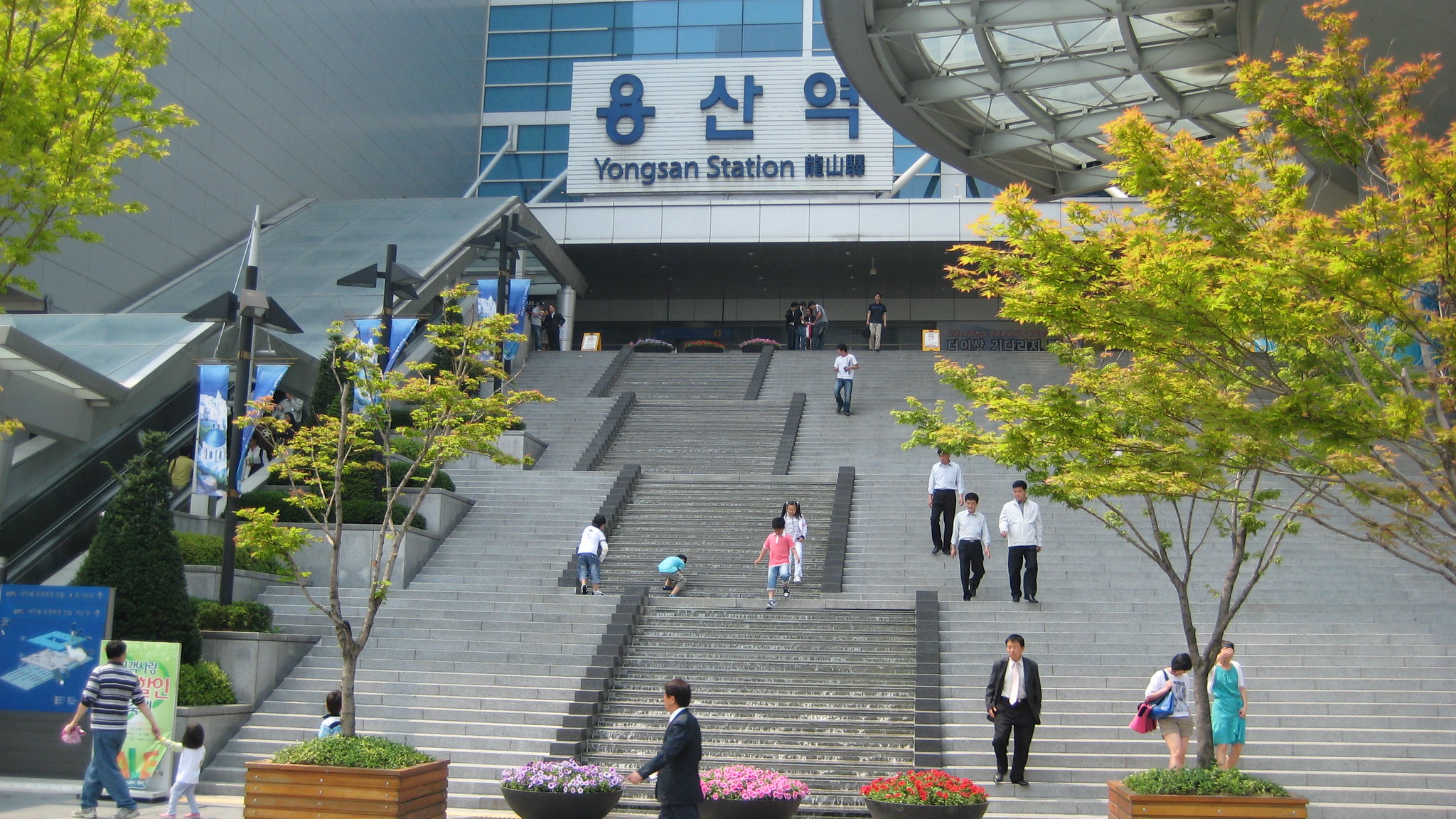
Poongsu – the practice of locating auspicious geography – has its origins in pre-modern times and continues to pop up in discussions even today.