Depreciating Currency Adds to Burden of Rising Oil Prices
For South Korea, geopolitical conflict and changes in U.S. monetary policy significantly impact the country’s ability to purchase oil.

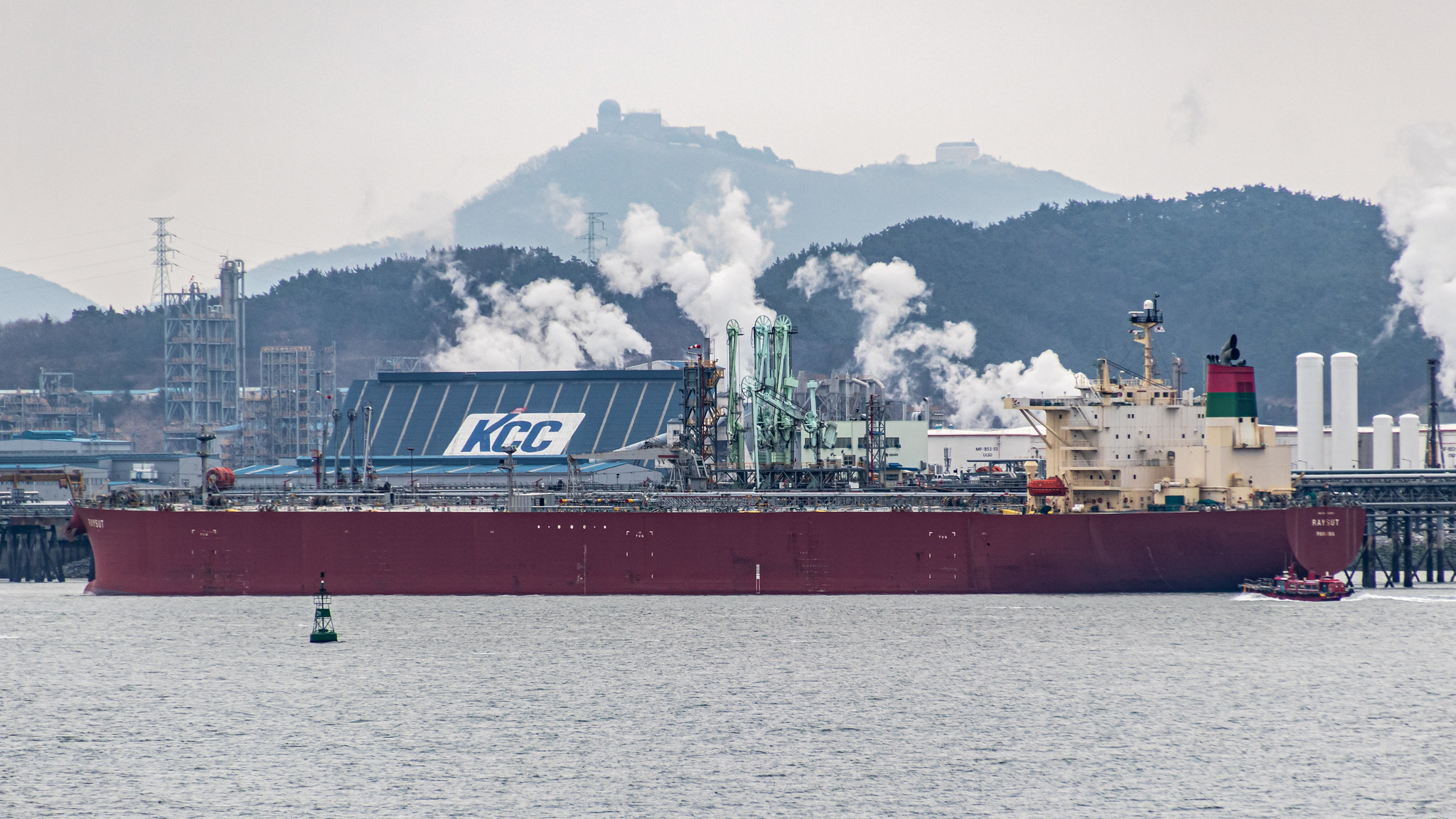
For South Korea, geopolitical conflict and changes in U.S. monetary policy significantly impact the country’s ability to purchase oil.
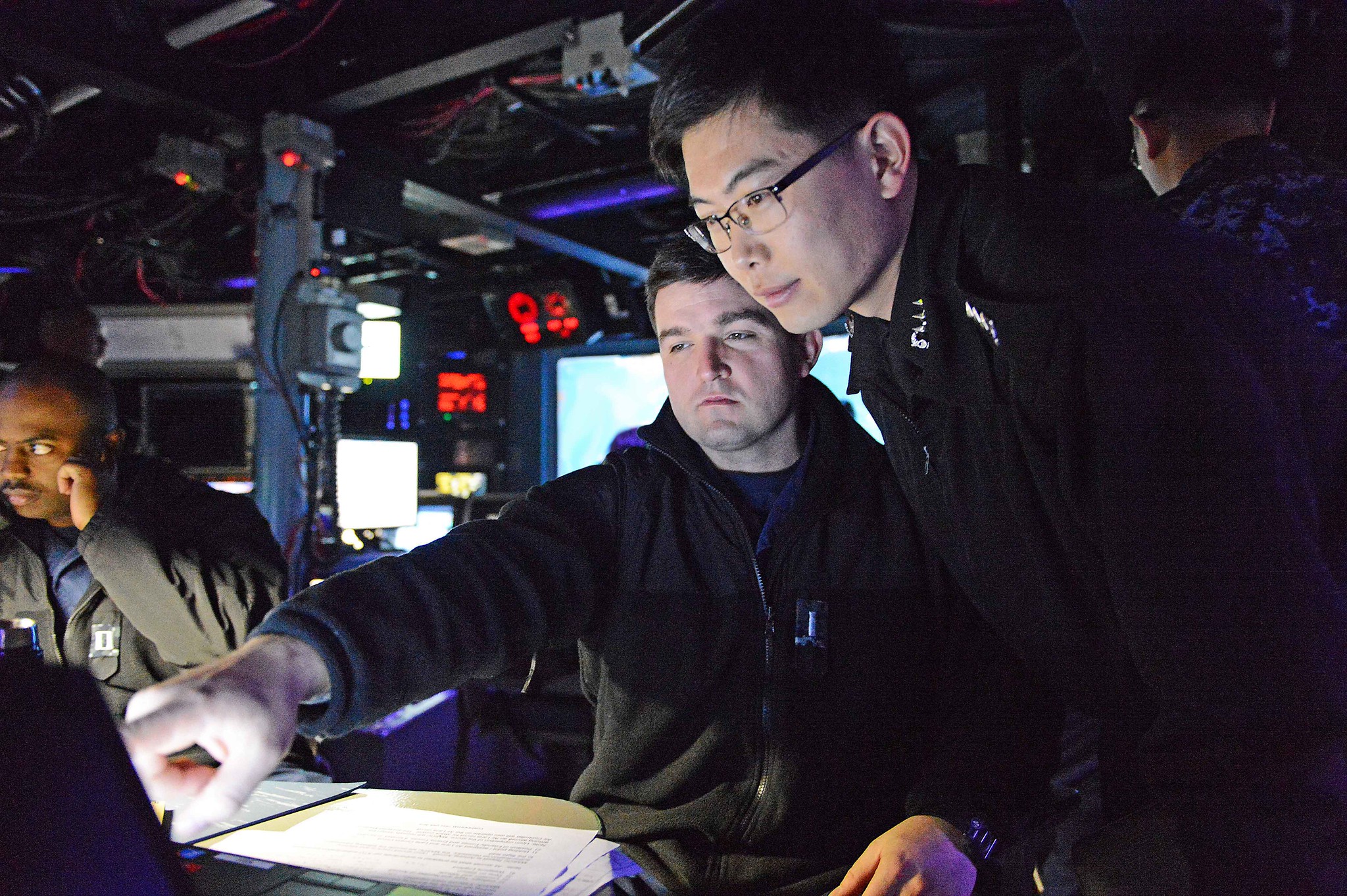
Security partnership between the United States, South Korea, and Japan remains reactive to North Korean threats, limiting the scope of cooperation.
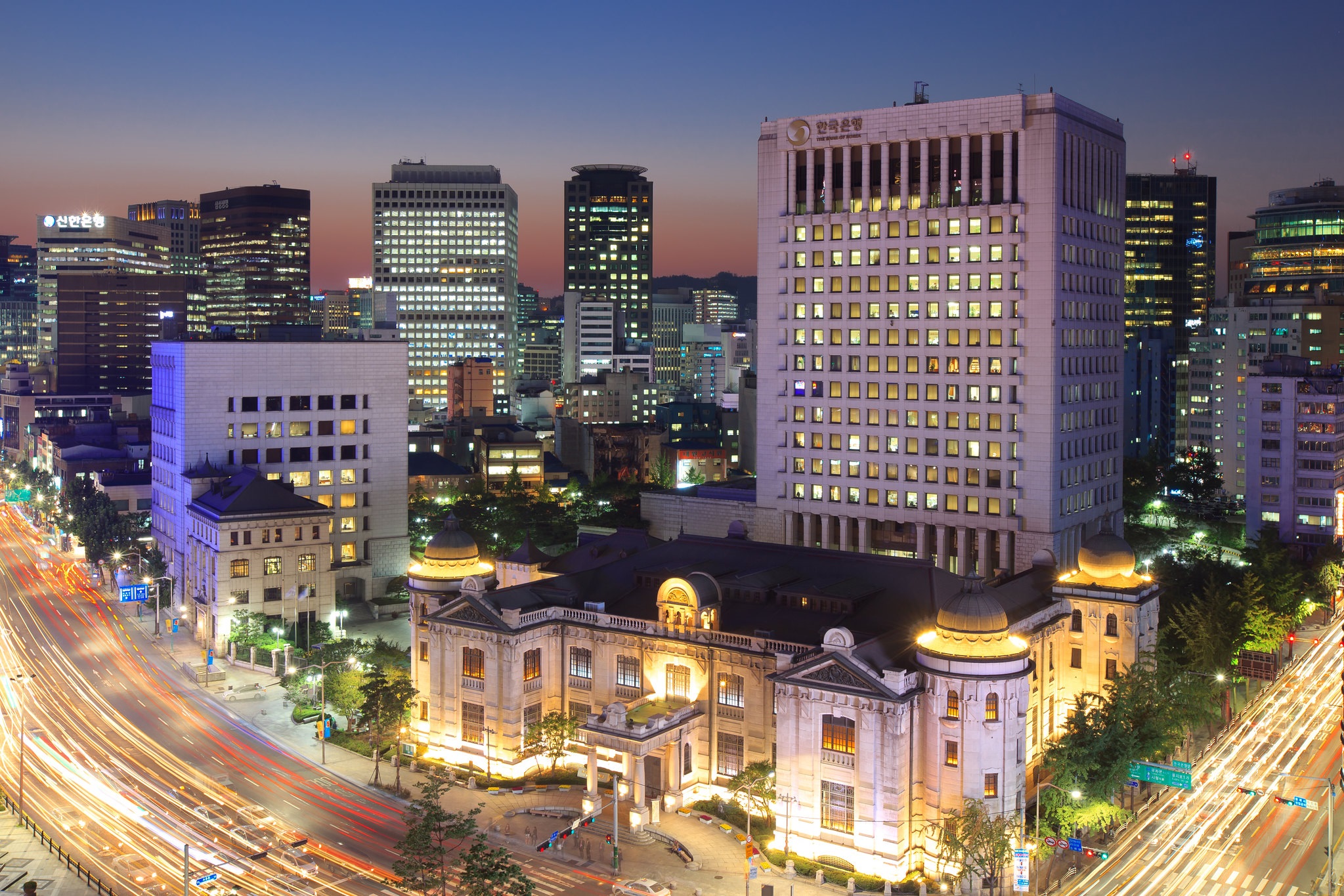
With inflation expected to rise, many forecasters warn that the global economy may be entering a period of stagflation. Will this curb Korea’s growth?

Although K-pop groups and fans promote progressive causes, the industry’s underlying consumerism counteract the push for sustainability.

The generalized labeling of anger-related crimes may prevent the government from devising a policy response that addresses any underlying social causes.

Benchmarking the example set by Sweden, bringing more women into the workforce may be the solution to reversing the fertility rate decline in South Korea.
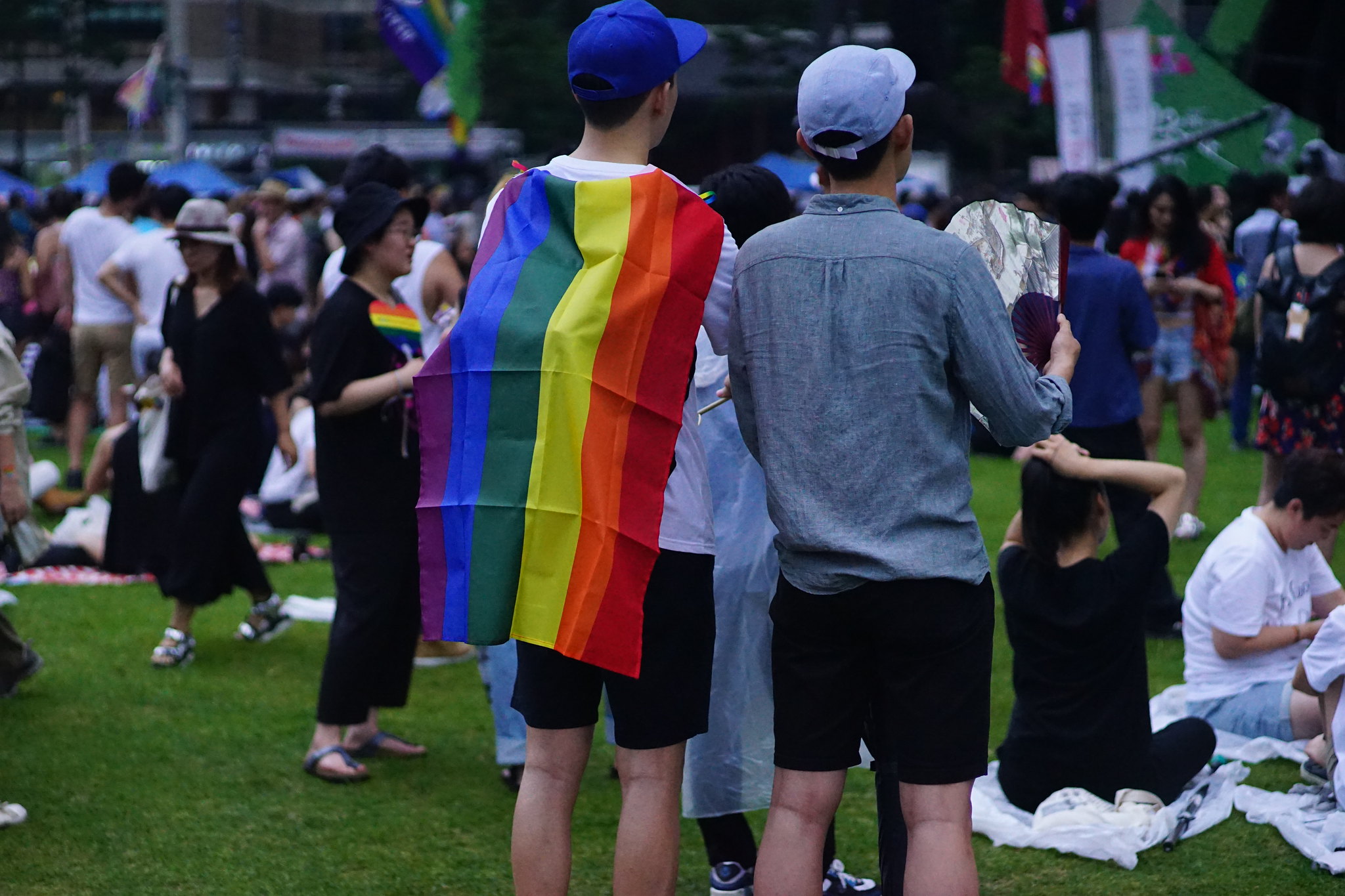
South Korea’s LGBTQ community continues to face barriers to enjoying full civil rights as ambivalence and homophobia embolden political discrimination.
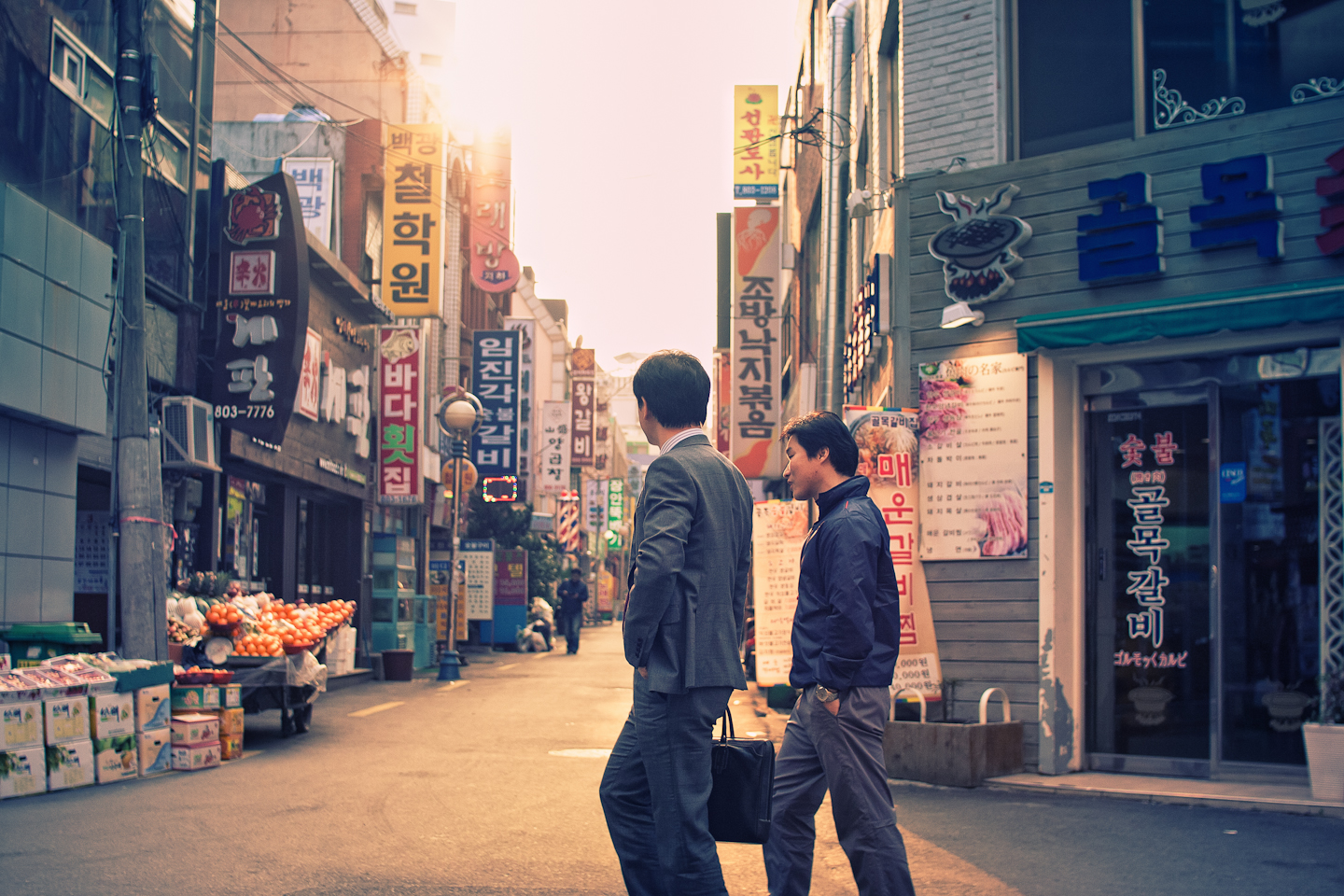
The system sought to free up private sector resources to hire more youths, but it has exacerbated insecurity of older workers.
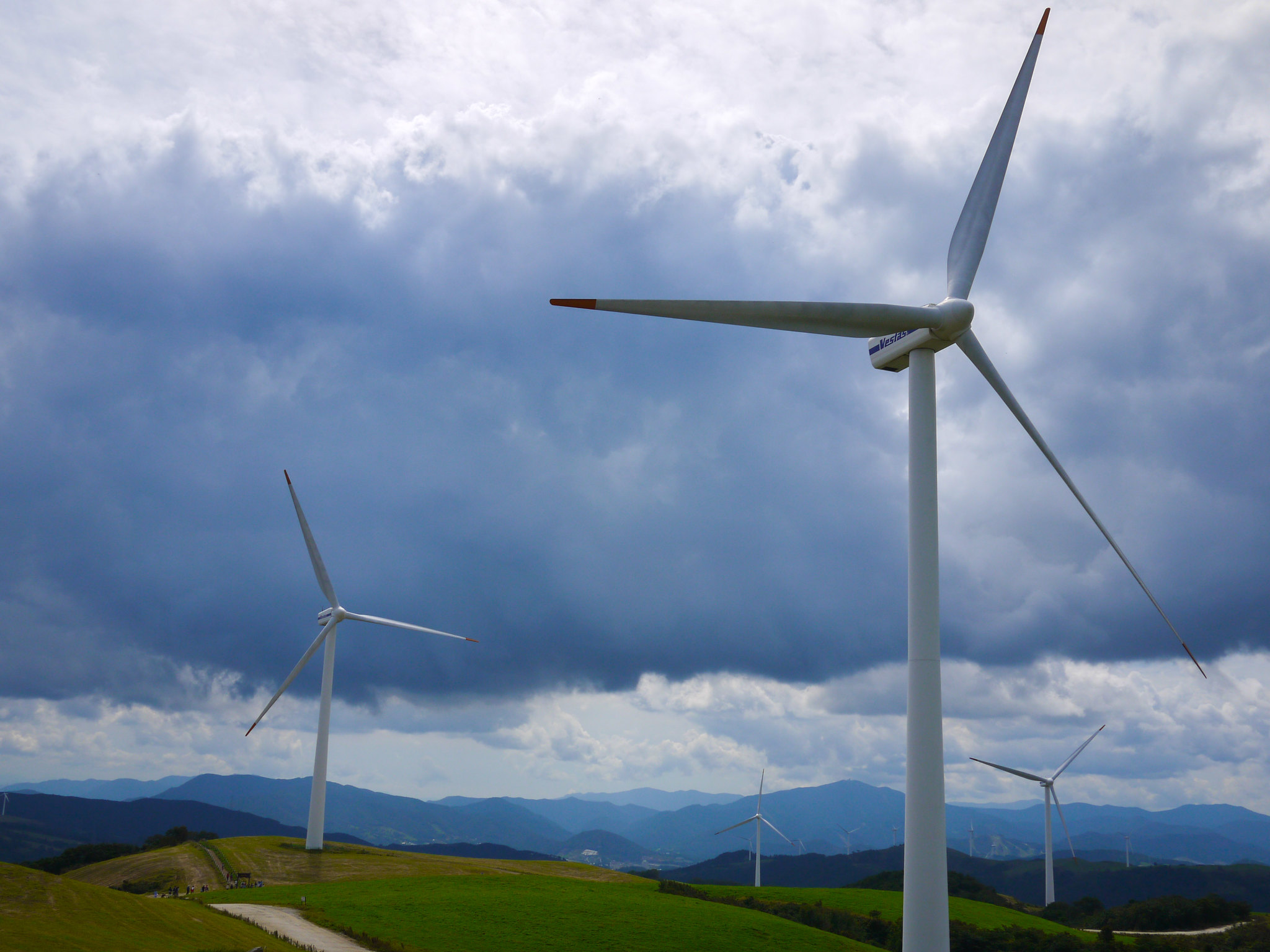
Despite South Korea’s growing green energy technology exports, its flagship corporations and the government are hesitant to make deeper commitments.
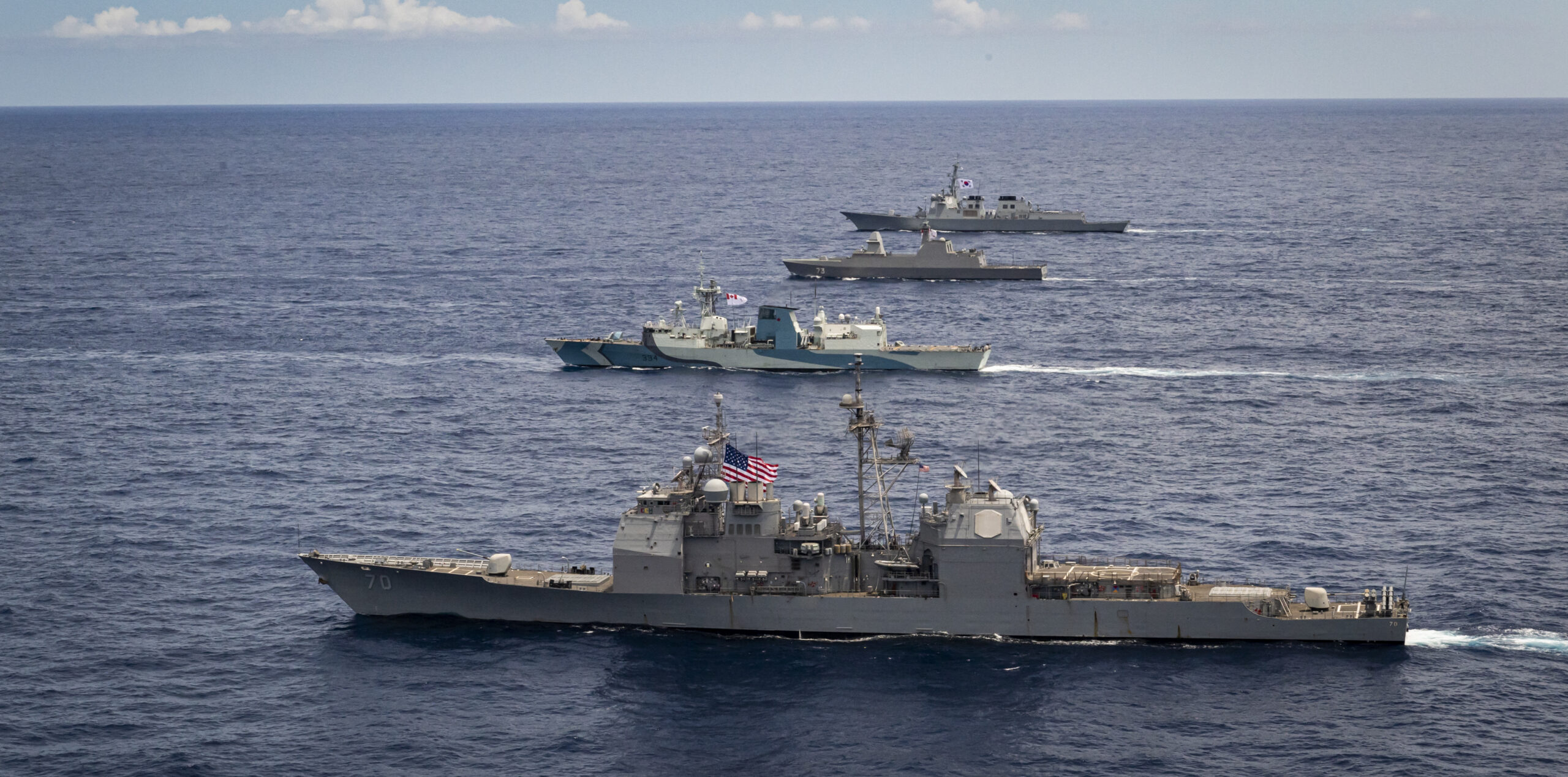
Seoul’s deployment of a larger naval force to the U.S.-led multilateral naval exercise may signal a shift from its traditional security posture.