What Happened to U.S.-Korea Trade One Year After Tariffs
Iran’s failure to achieve nuclear latency has significant implications for South Korea and Japan’s thinking on their own nuclear strategy.

Iran’s failure to achieve nuclear latency has significant implications for South Korea and Japan’s thinking on their own nuclear strategy.

South Korea’s largest online retailer suffered a massive data breach last year that exposed the personal information of more than 33 million users.

The Trump administration’s ability to levy tariffs in other ways will likely persuade South Korea to keep its investment commitments under the tariff deal.
Data shows that 2025 GDP rose 1 percent above 2024, but a surge in the third quarter did not continue through the end of the year.

South Korea and other important U.S. trade partners will likely seek to settle uncertainty around tariffs at the annual event.
Deep integration of U.S.-South Korean economic relations may not be enough to avoid significant challenges ahead.
Ending tax credits may hurt EV sales, but other aspects appear promising for Korean investment in the United States.

U.S. and South Korean companies continued to plow ahead and forge partnerships across several domains in Q2 despite trade and policy uncertainty.
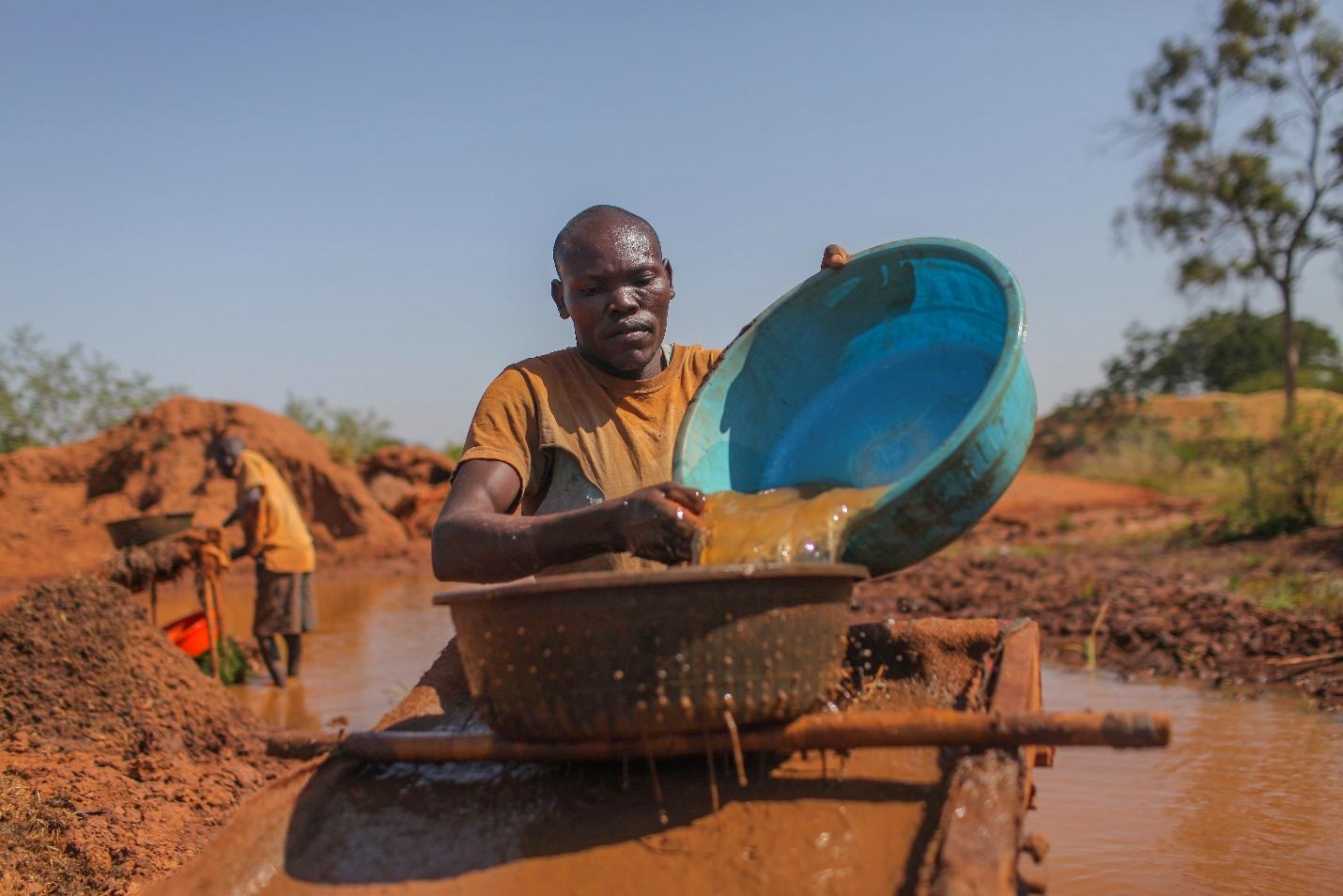
Sourcing critical minerals for the clean energy transition will be paramount to future economic success.

The opening of full diplomatic ties between Seoul and Havana is a clear reflection of the current economic and political realities on the Korean Peninsula.