Why Ukraine Matters for the Korean Peninsula
No matter the immediate posture of North and South Korea, the Ukraine crisis has already informed new security realities on the Korean Peninsula.

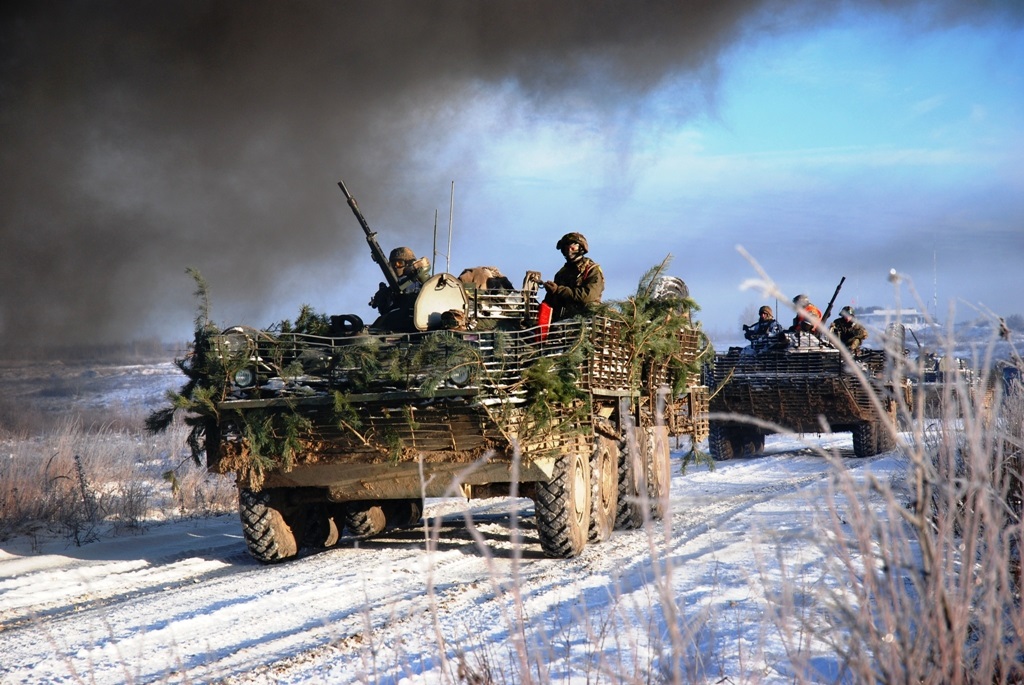
No matter the immediate posture of North and South Korea, the Ukraine crisis has already informed new security realities on the Korean Peninsula.
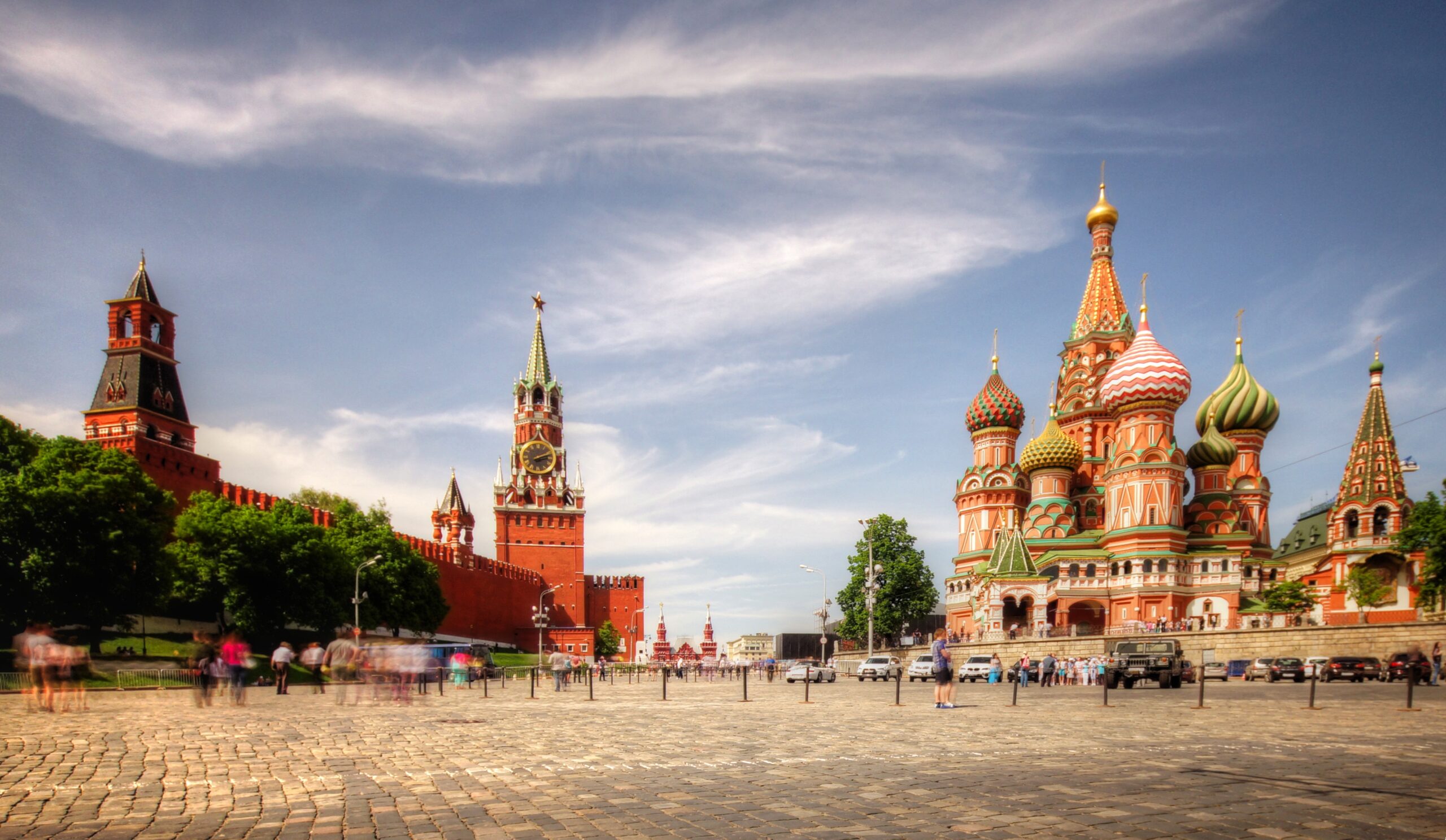
Despite President Joe Biden’s previous description of Russia as an “opponent” and the regime of President Vladimir Putin as “KGB thugs”, it remains possible for…
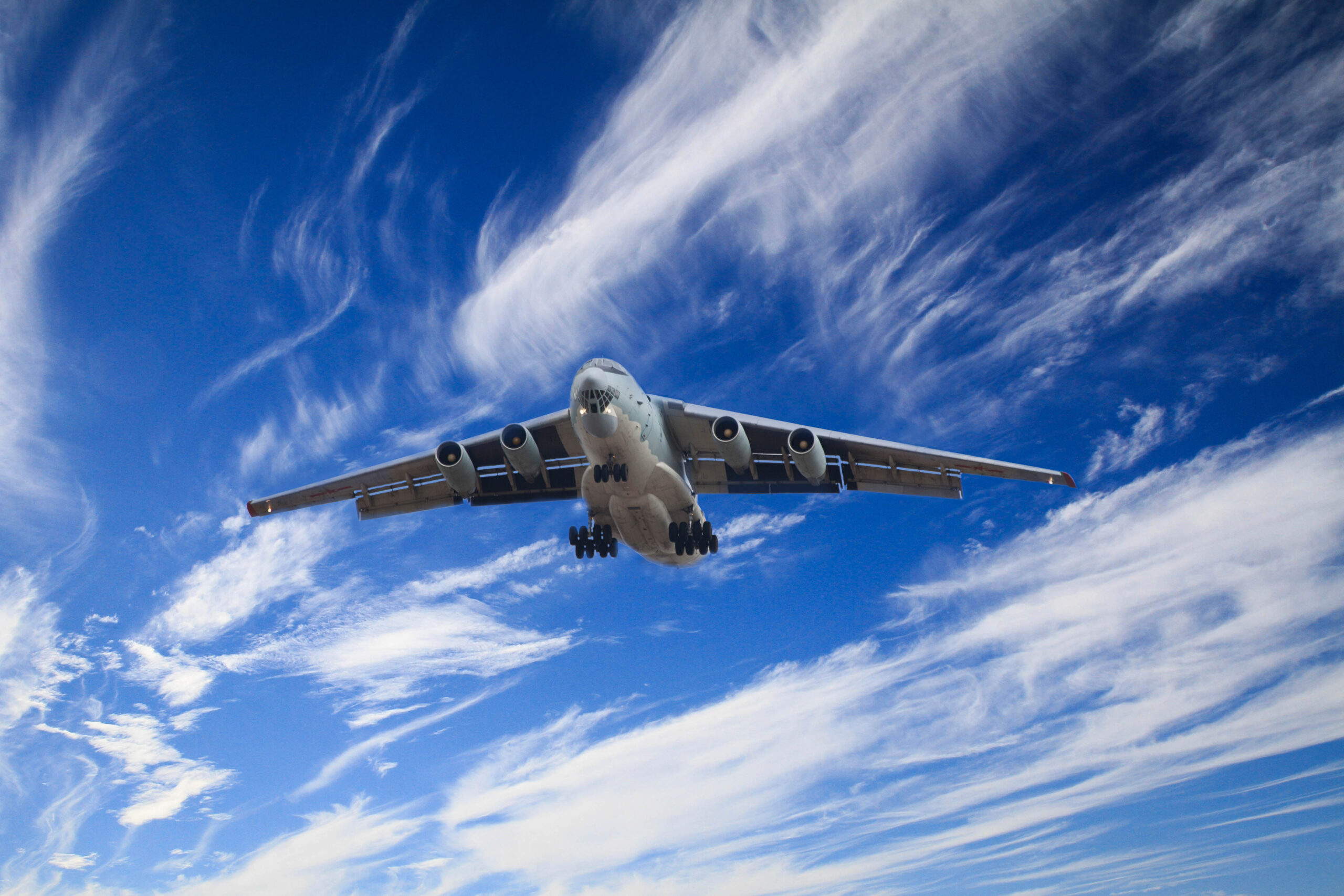
Repeated Chinese intrusions into South Korea’s air defense identification zone led to the establishment of two new military hotlines between the two countries.

While the United States looks to address shared global challenges, South Korea sees multilateralism as a vehicle to advance its national interest.
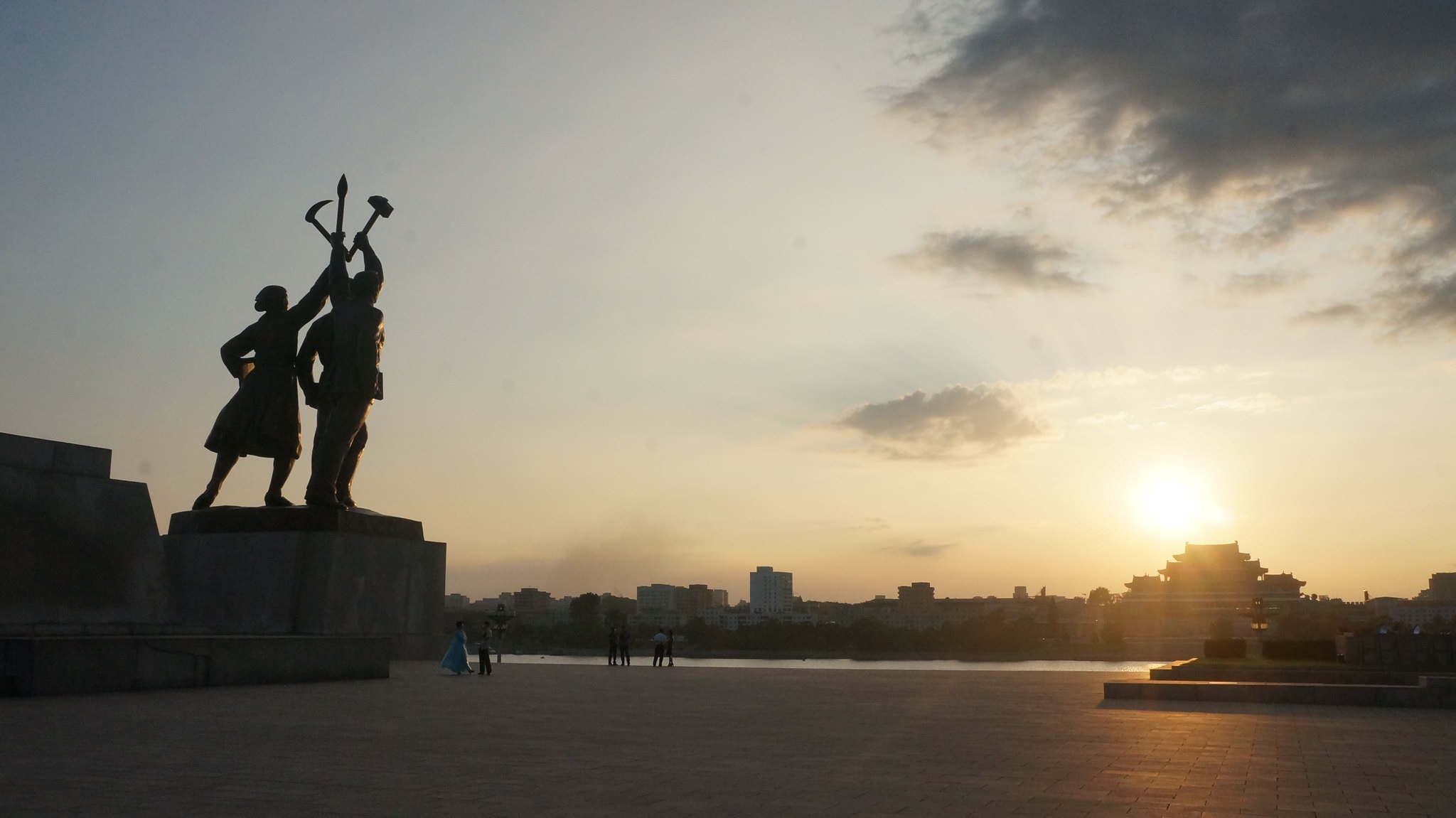
A delegation of top Russian media representatives visited Pyongyang where TASS, the largest Russian news agency and KCNA signed a new cooperation agreement.
North Korean laborers in Russia are a serious issue related to the UN sanctions on North Korea because of its nuclear and missile programs.

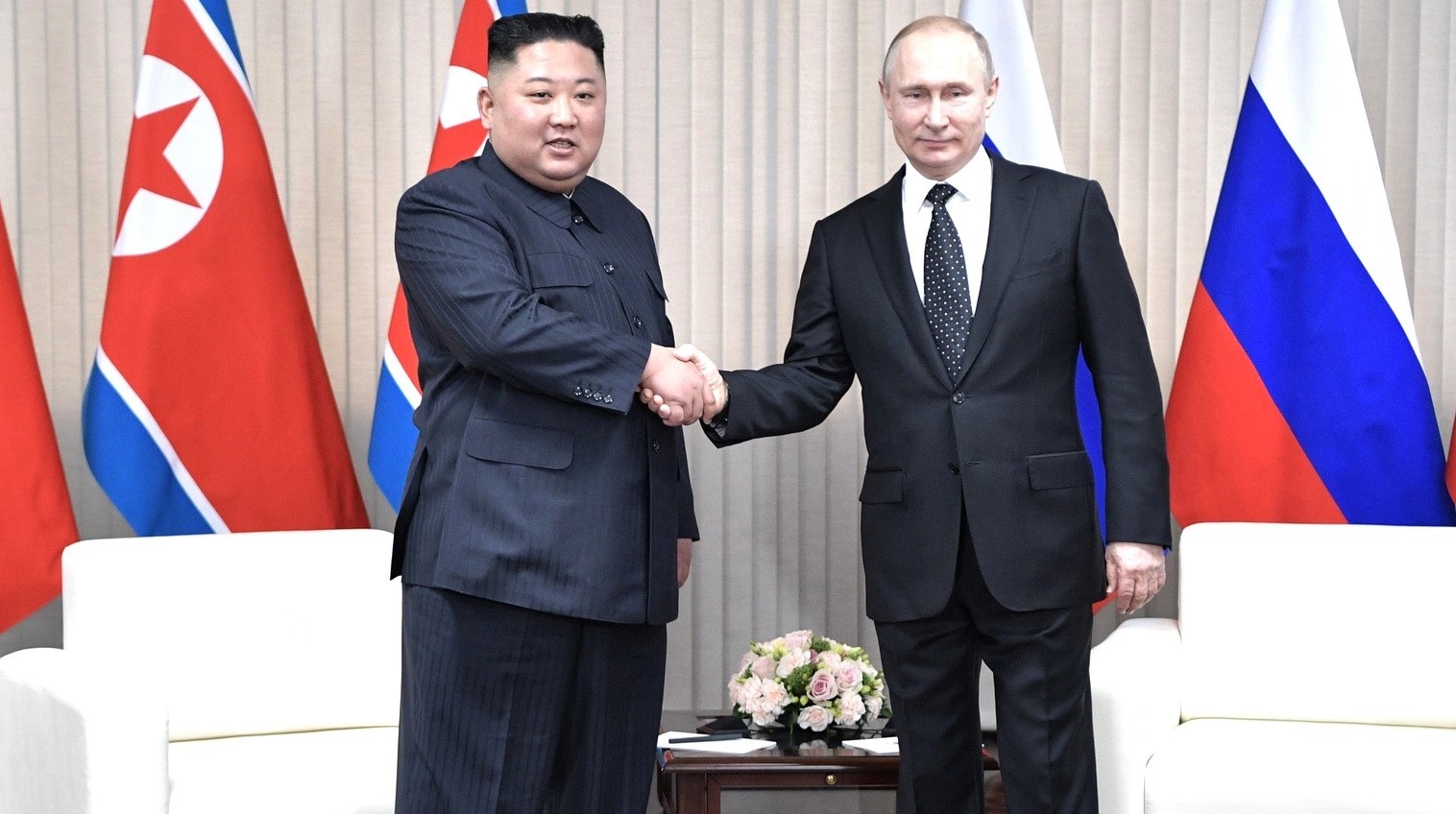
By Yonho Kim The recent North Korea-Russia summit in Vladivostok drew keen attention from the international society in the sense that it was North Korean…
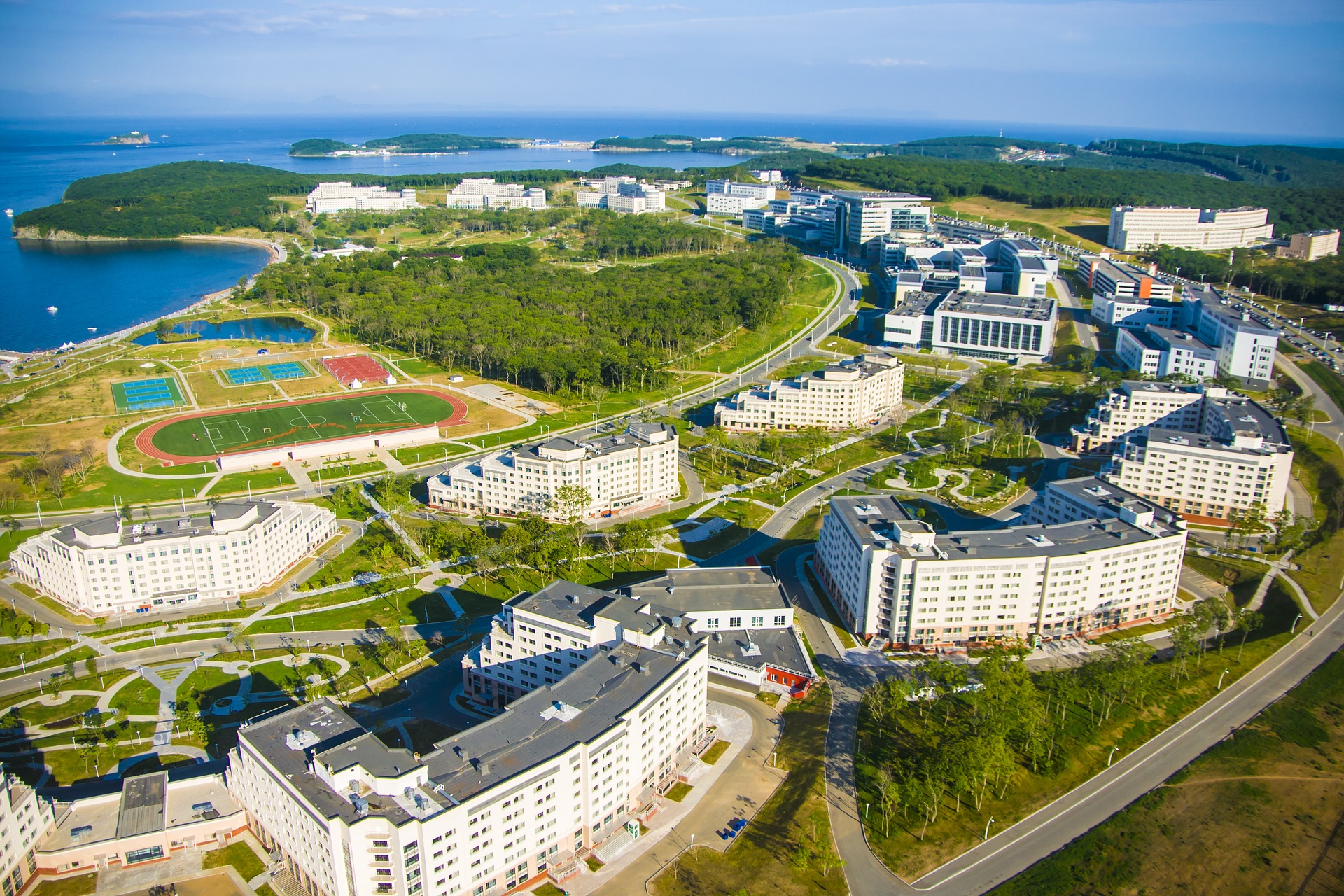
In the wake of Putin-Kim summit, in order to understand the meaning and its possible implications for Northeast Asia, I suggest a Russian perspective.
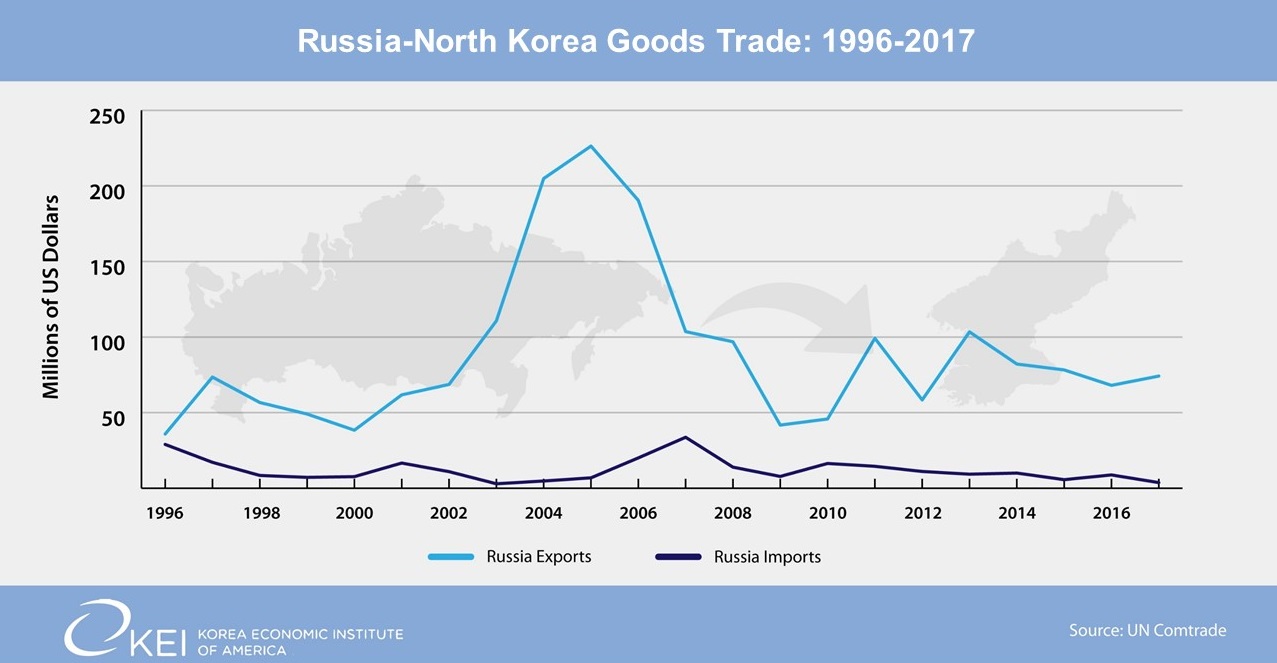
A Putin-Kim summit suggests that North Korea’s options are limited if talks with the U.S. fail, as its unclear how much support Russia could provide.
Congress is showing greater assertiveness in shaping U.S. foreign policy, but concerns arise that this could also complicate talks with North Korea.