North Korea Doubles Down on Its Alliance With Russia, For Now
North Korean leader Kim Jong Un has doubled down on his military and strategic alliance with Vladimir Putin and the Russian regime, betting that this…

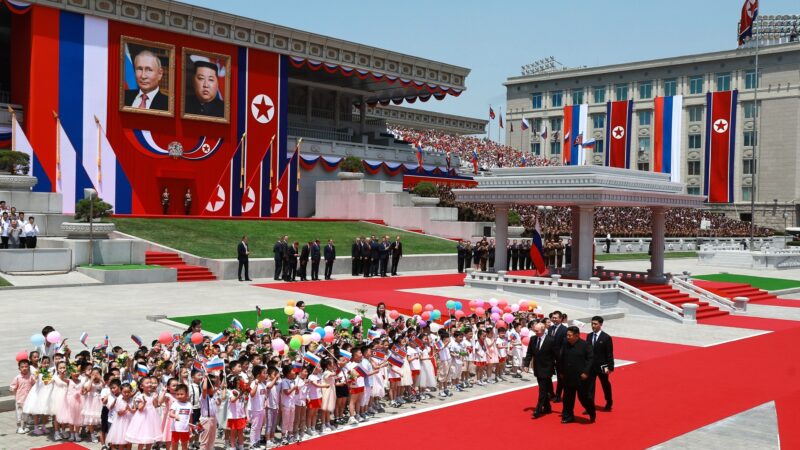
North Korean leader Kim Jong Un has doubled down on his military and strategic alliance with Vladimir Putin and the Russian regime, betting that this…
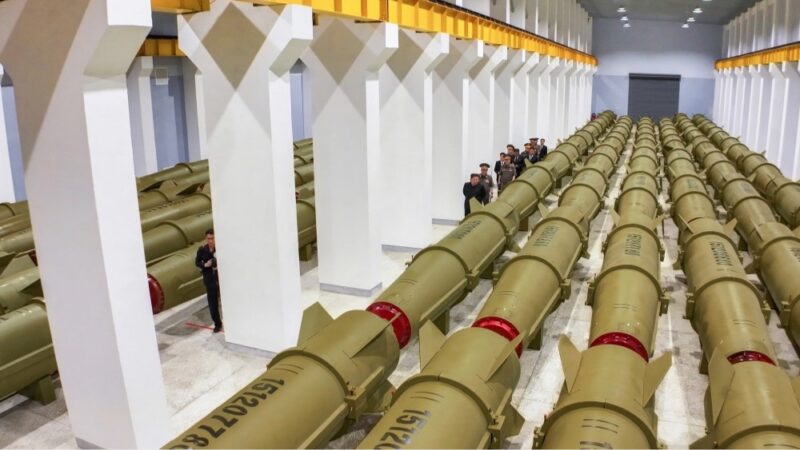
State-sanctioned violence and militarism form the foundation of the rejuvenated North Korea-Russia partnership, and that should shape how U.S. and South Korean alliance planners read…
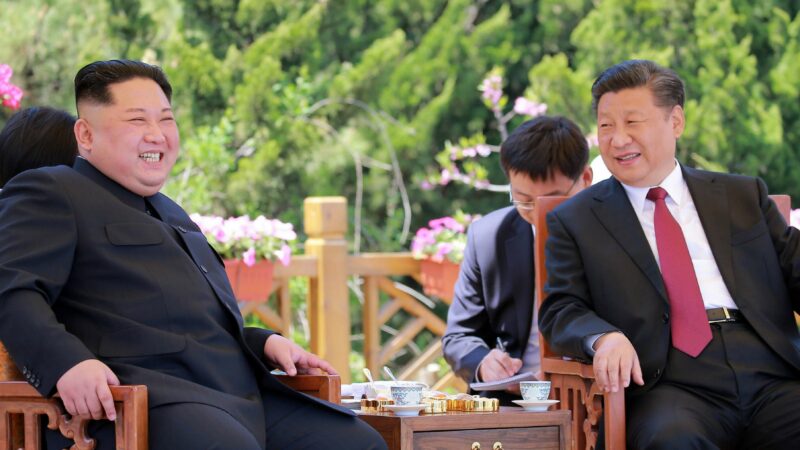
Chinese President Xi Jinping visited North Korea this month to try to pull the Kim Jong Un regime back toward Beijing at a moment when…
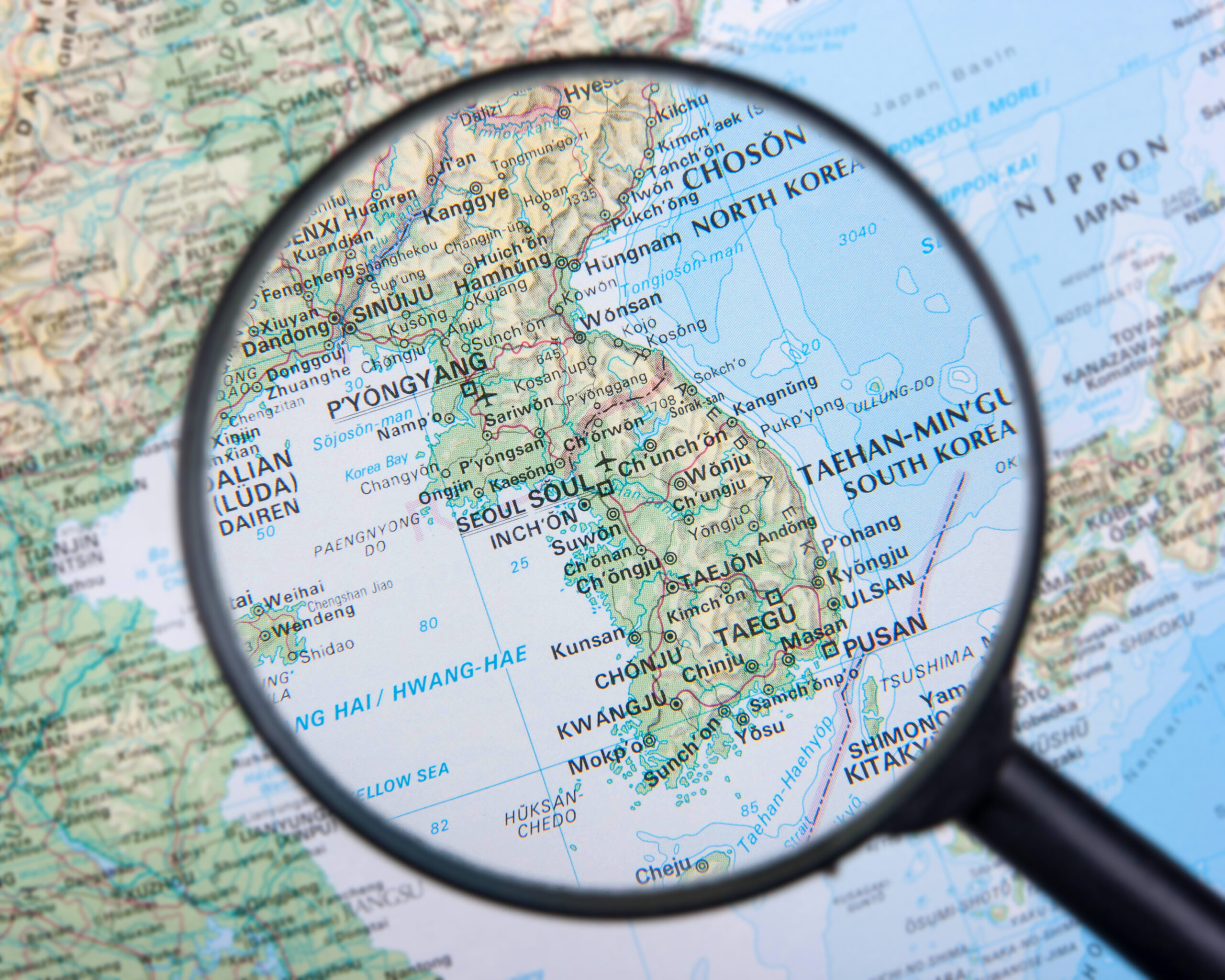
The year 2024 ended with South Korean President Yoon Suk Yeol’s declaration of martial law, his impeachment by the National Assembly, and the ensuing political turmoil and uncertainty. While 2025 will be largely defined by South Korean efforts to regain normalcy and stability in its domestic and global affairs, as well as the inauguration of the Donald Trump administration, other key issues will define and impact the Korean Peninsula this year.

The evidence of a deepening military axis between North Korea and Russia has been mounting in recent days, causing alarm from Kyiv to Seoul.
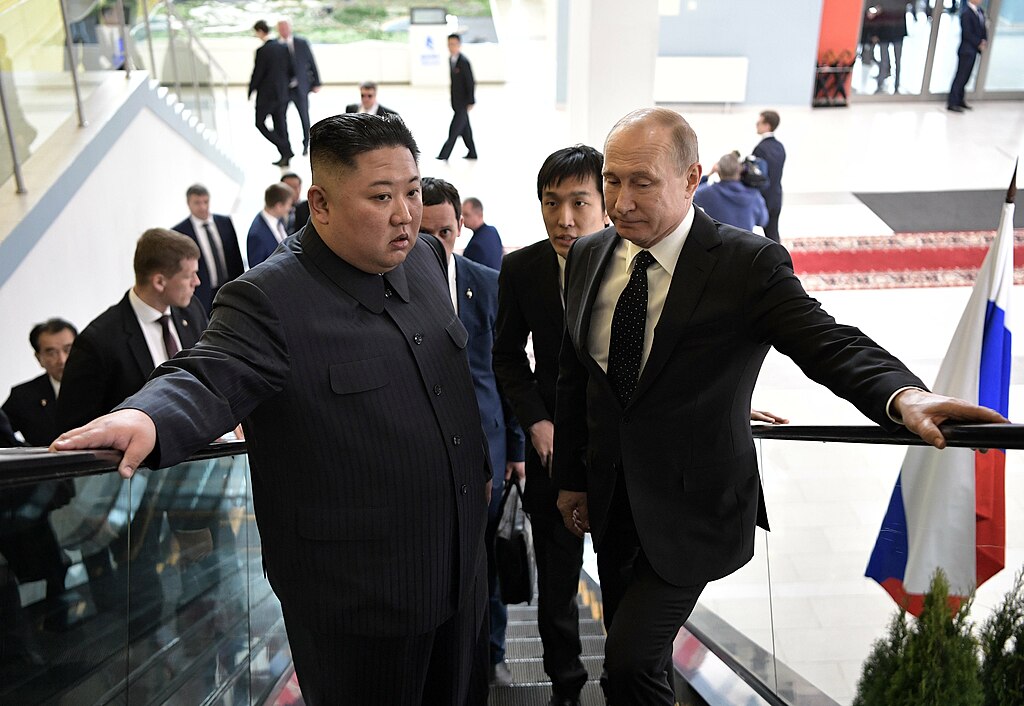
South Korea should adopt a calibrated response based on how cooperation between North Korea-Russia develops under the new treaty.
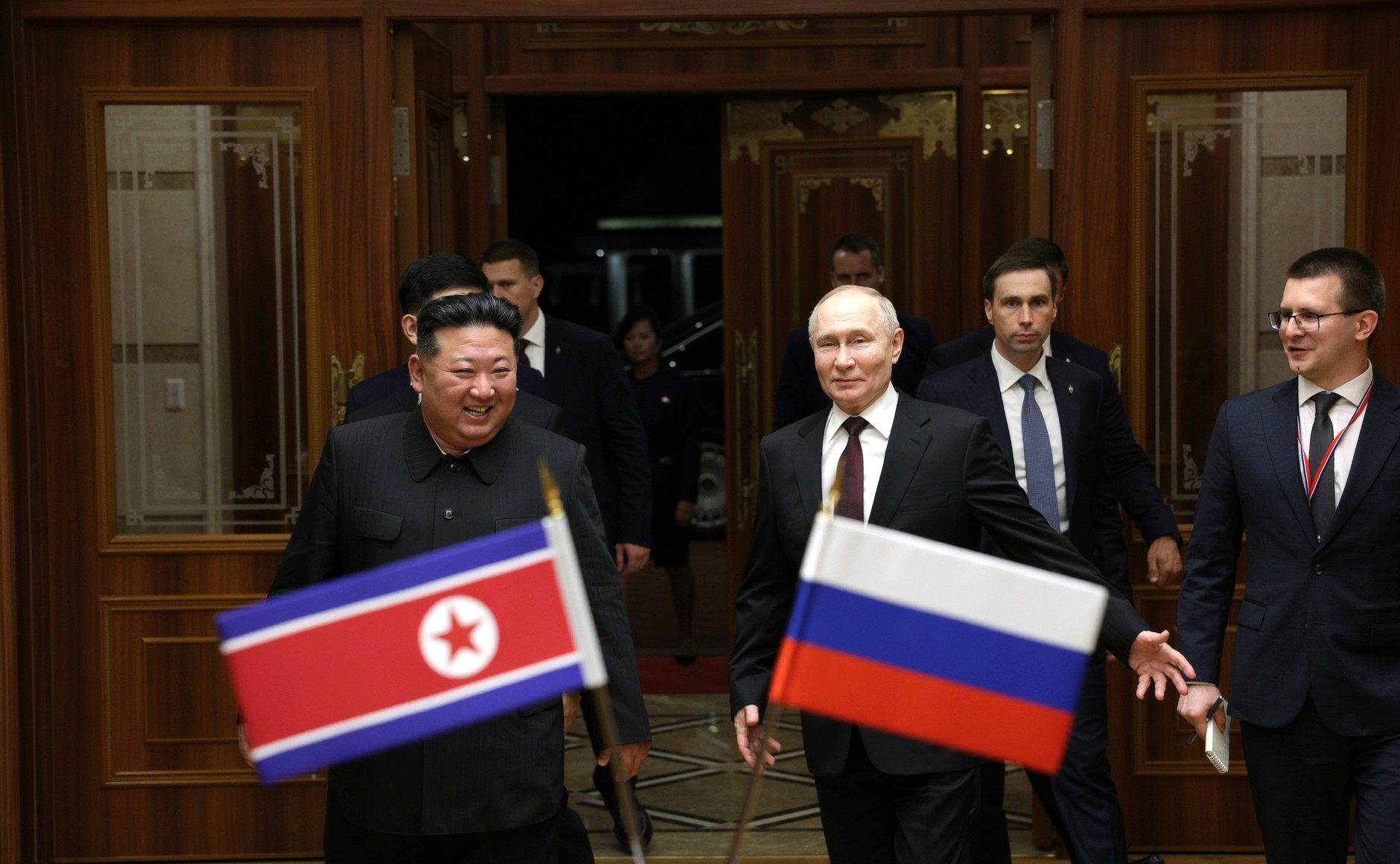
Putin’s decision to sign a comprehensive mutual defense pact with North Korean leader Kim Jong Un may ultimately be an own-goal.
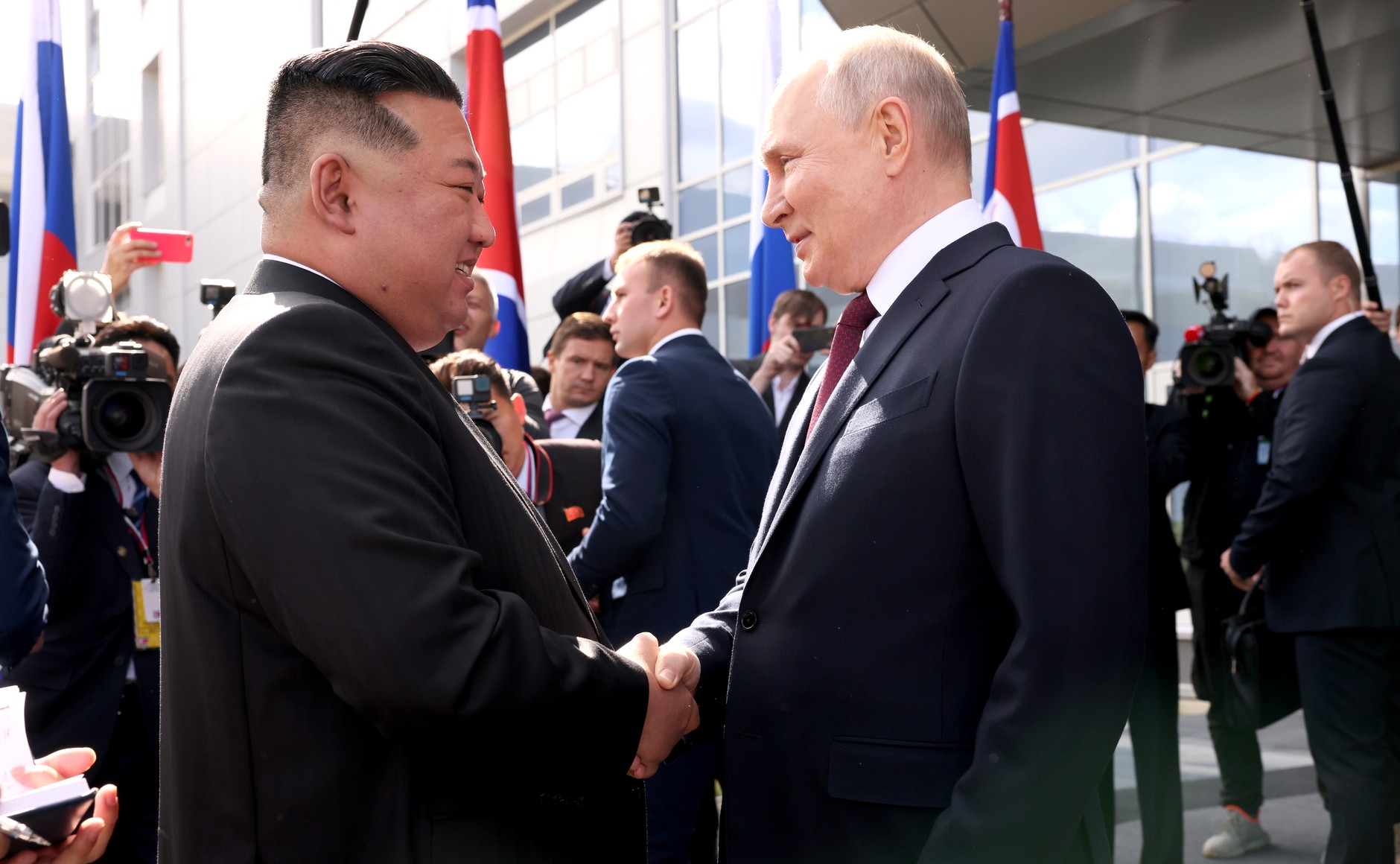
The highly orchestrated imagery of Russian dictator Vladimir Putin standing next to his North Korean counterpart, Kim Jong Un, on the reviewing stand in Pyongyang’s…
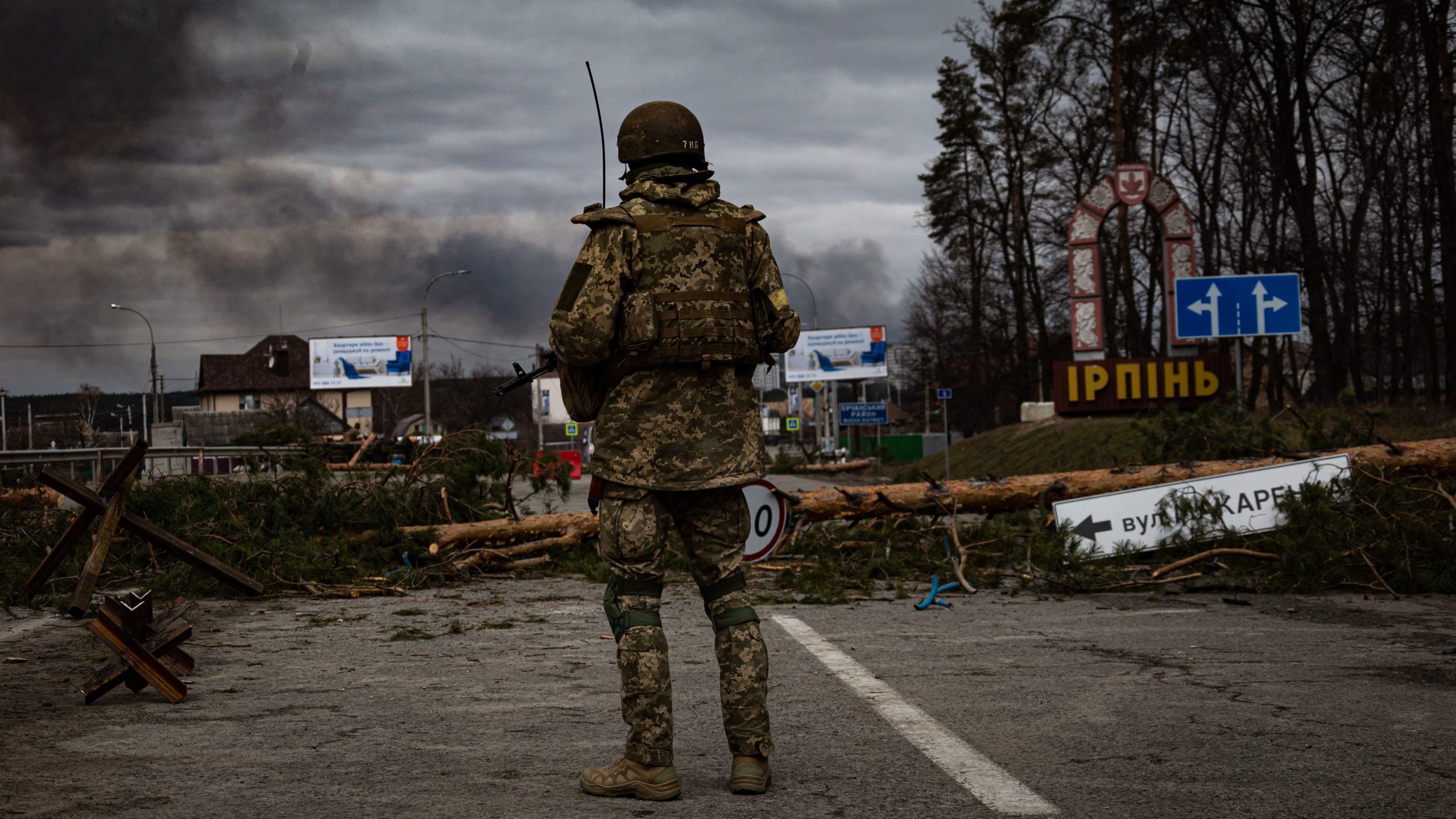
The impact of Russia’s February 2022 full-scale invasion of Ukraine on the Korean Peninsula has been profound.
North Korea’s support for Russia’s war in Ukraine completed its turn away from efforts to normalize relations with the United States.