China Courts a More Confident North Korea
Chinese President Xi Jinping visited North Korea this month to try to pull the Kim Jong Un regime back toward Beijing at a moment when…

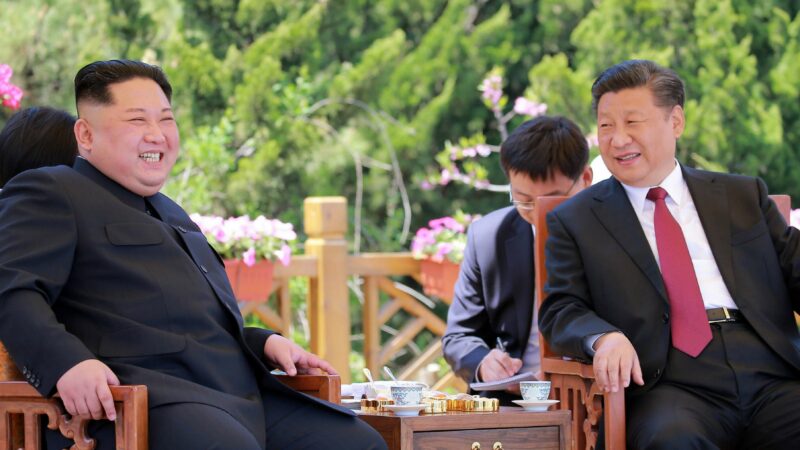
Chinese President Xi Jinping visited North Korea this month to try to pull the Kim Jong Un regime back toward Beijing at a moment when…
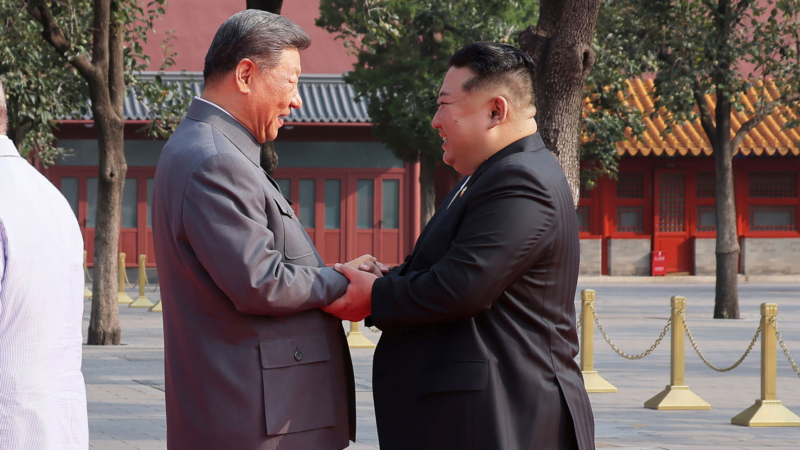
Chinese President Xi Jinping will make a rare visit to North Korea on June 8—his first international trip this year—weeks after hosting U.S. President Donald…
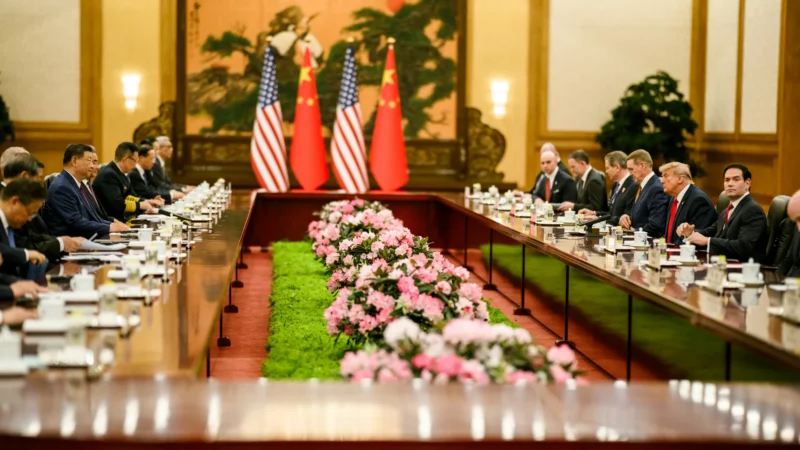
The White House recently announced that during the U.S.-China summit, U.S. President Donald Trump and Chinese President Xi Jinping confirmed their shared goal of denuclearizing North Korea….
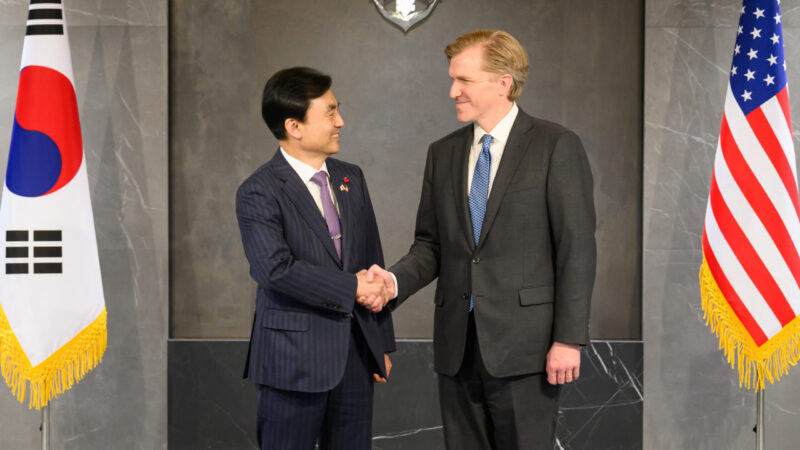
The Trump administration’s attempts to redraw the security bargains with South Korea and Japan are creating growing tension and uncertainty.
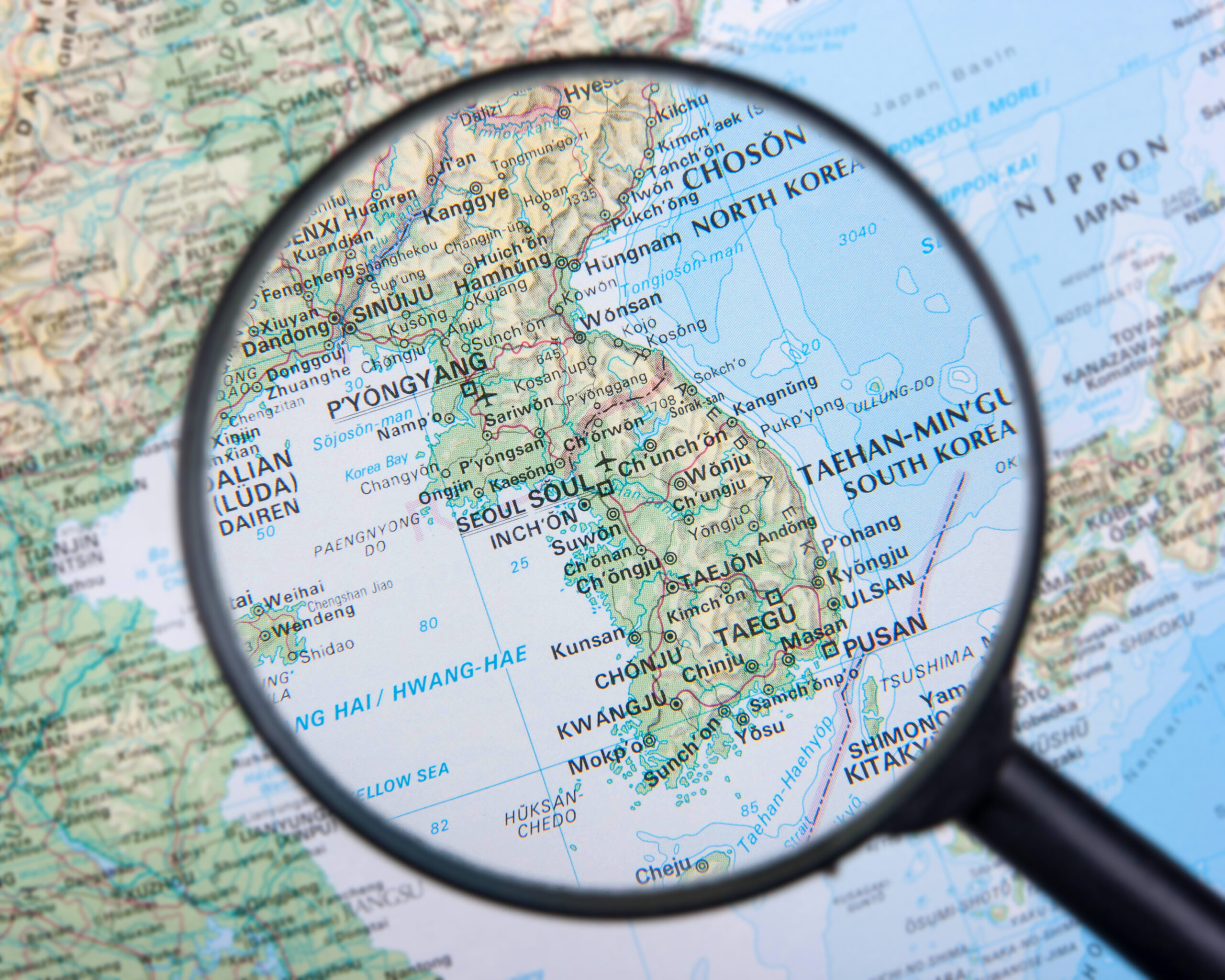
The year 2024 ended with South Korean President Yoon Suk Yeol’s declaration of martial law, his impeachment by the National Assembly, and the ensuing political turmoil and uncertainty. While 2025 will be largely defined by South Korean efforts to regain normalcy and stability in its domestic and global affairs, as well as the inauguration of the Donald Trump administration, other key issues will define and impact the Korean Peninsula this year.
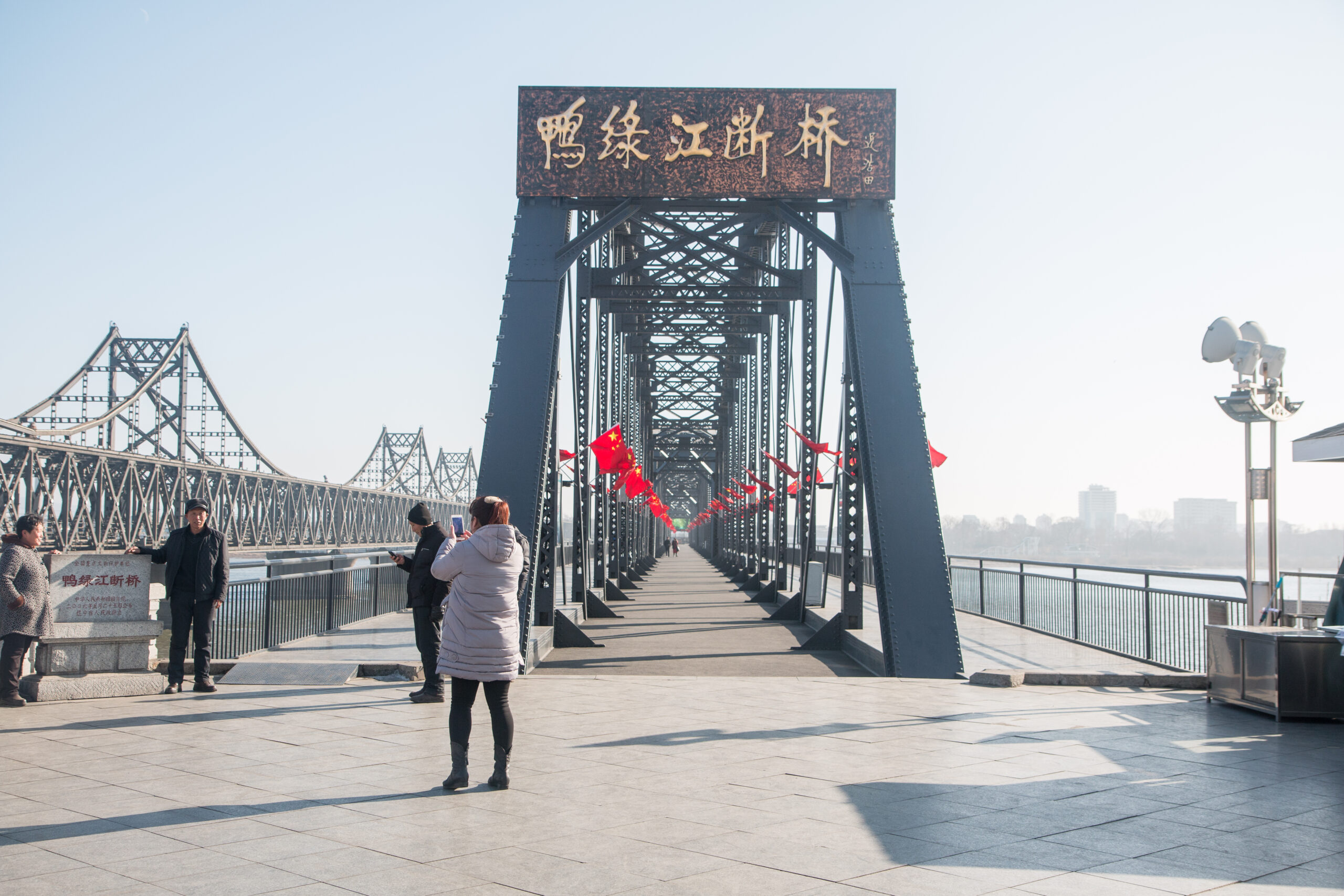
China-North Korea relations remain stable to some extent, but they have also weathered perennial strains and an enduring mutual distrust.
What is certain is that US defense and military officials will increasingly view the alliance through the lens of US-China competition.
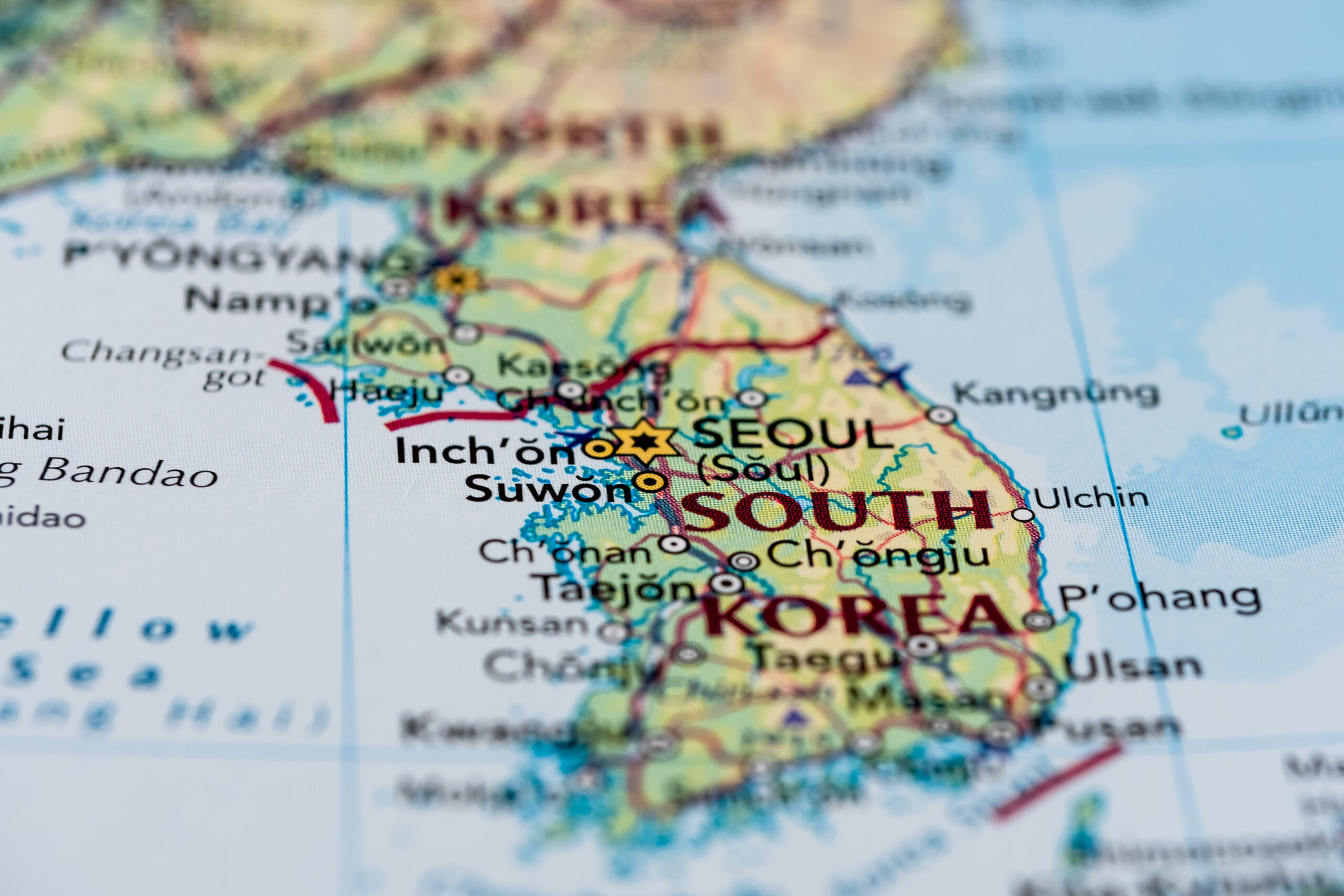
Historically, the Korean Peninsula has acted as a pivot over which continental and maritime powers vie for control and influence.

US policymakers are concerned about the competition that Chinese electric vehicles (EVs) may pose in the US and global economy.
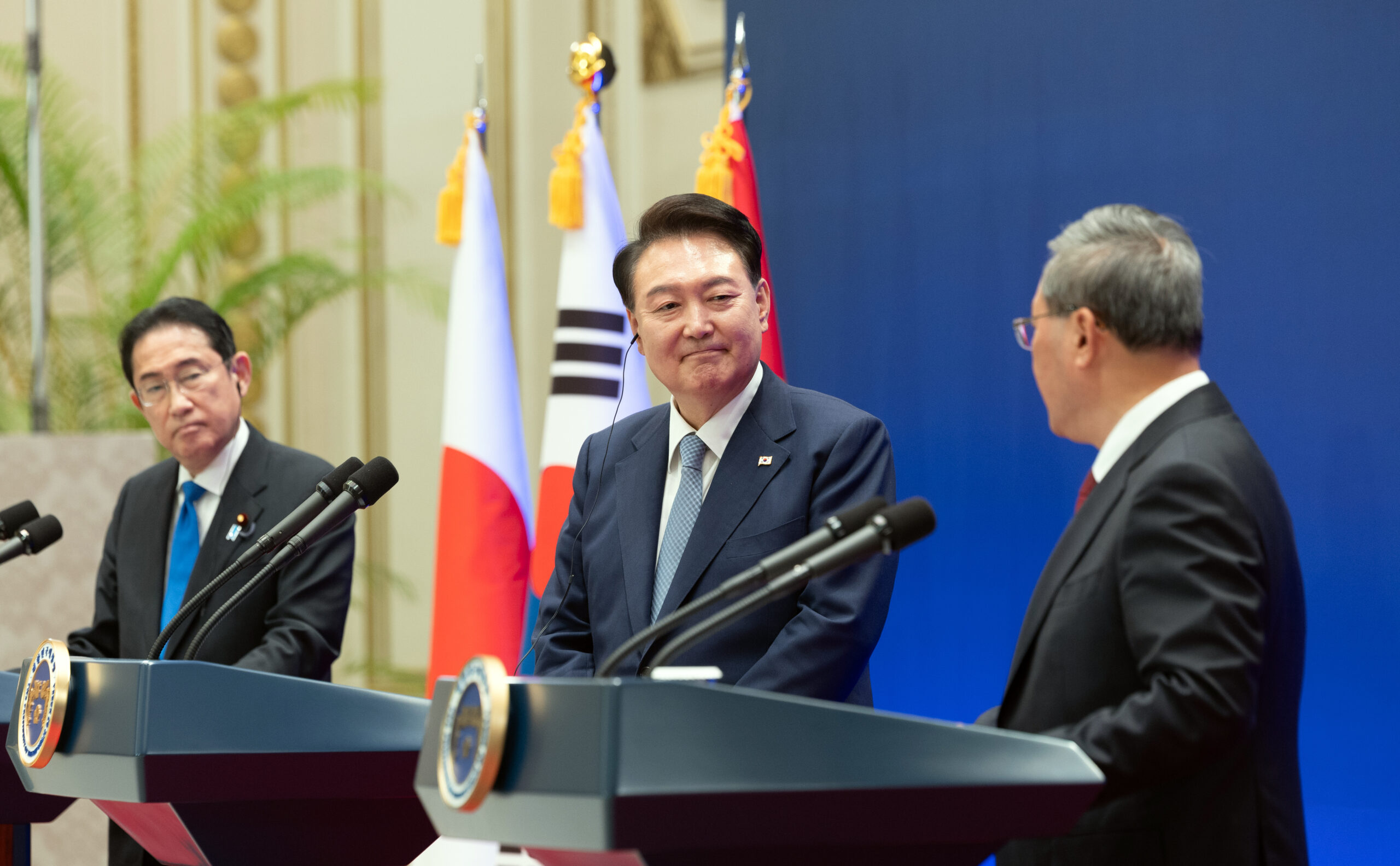
The section of the trilateral joint statement focusing on North Korea underlines the distance between Seoul, Tokyo, and Beijing.