Public Opinion and the Future of US-Korea-Japan Trilateral Cooperation
Iran’s failure to achieve nuclear latency has significant implications for South Korea and Japan’s thinking on their own nuclear strategy.

Iran’s failure to achieve nuclear latency has significant implications for South Korea and Japan’s thinking on their own nuclear strategy.
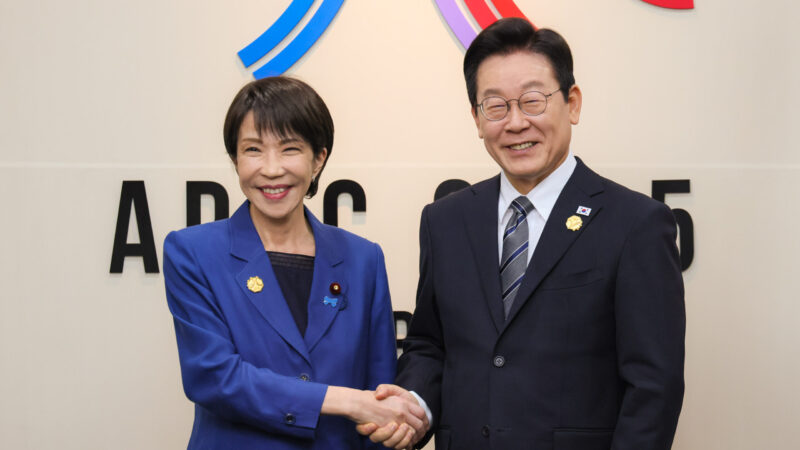
2025 was always going to be significant because it was the fiftieth anniversary of the two countries establishing diplomatic relations.
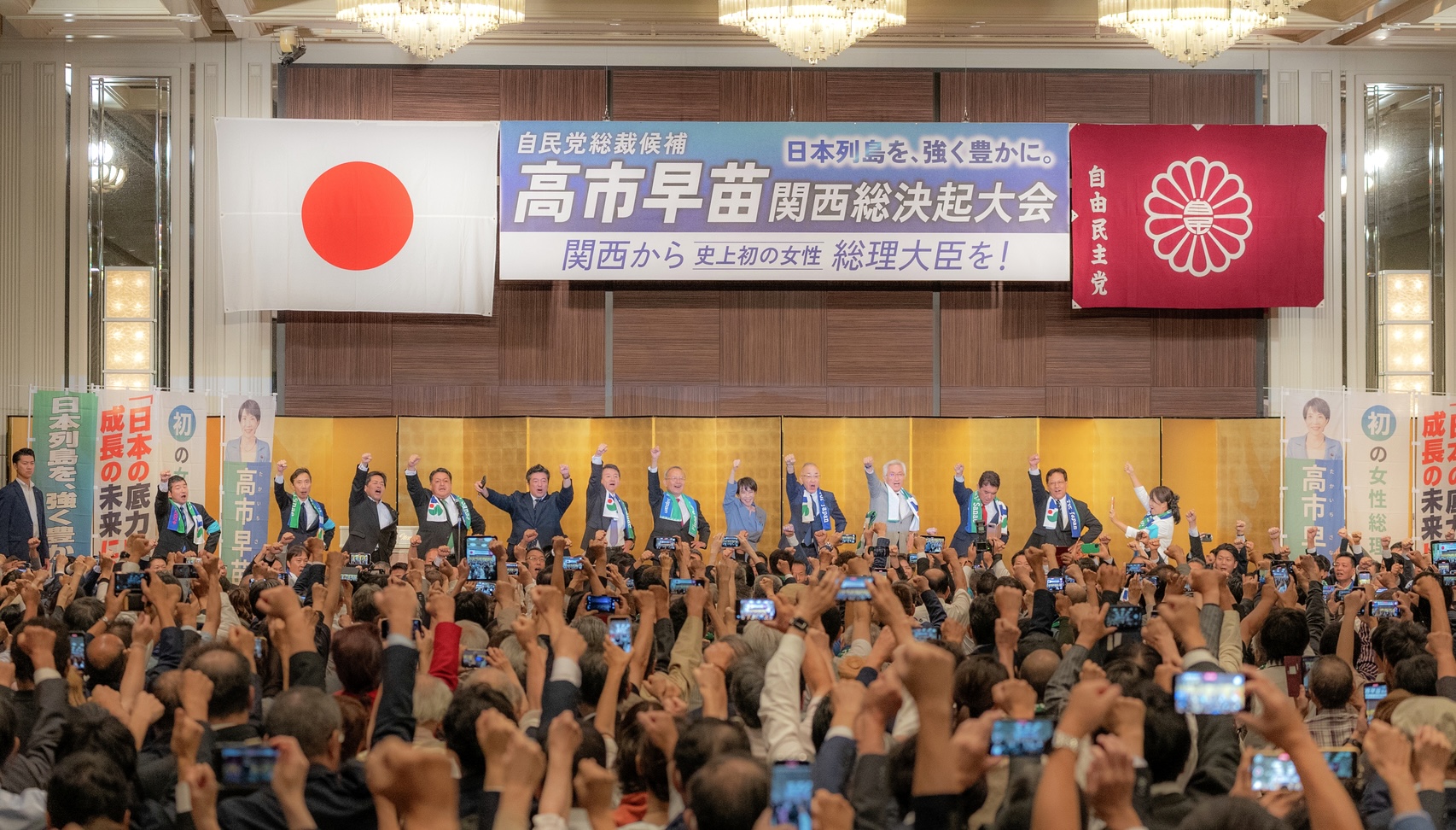
South Korea faces the prospect of a new Japanese government less inclined to confront historical issues.
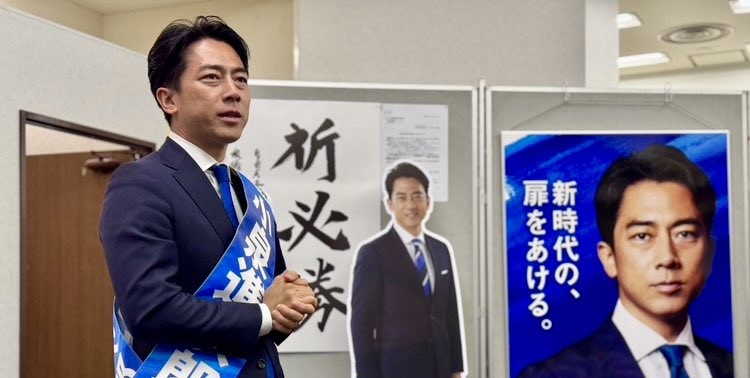
The path ahead in Japan is likely to be fraught with ongoing political instability until the party wins a new election and regains its majority.
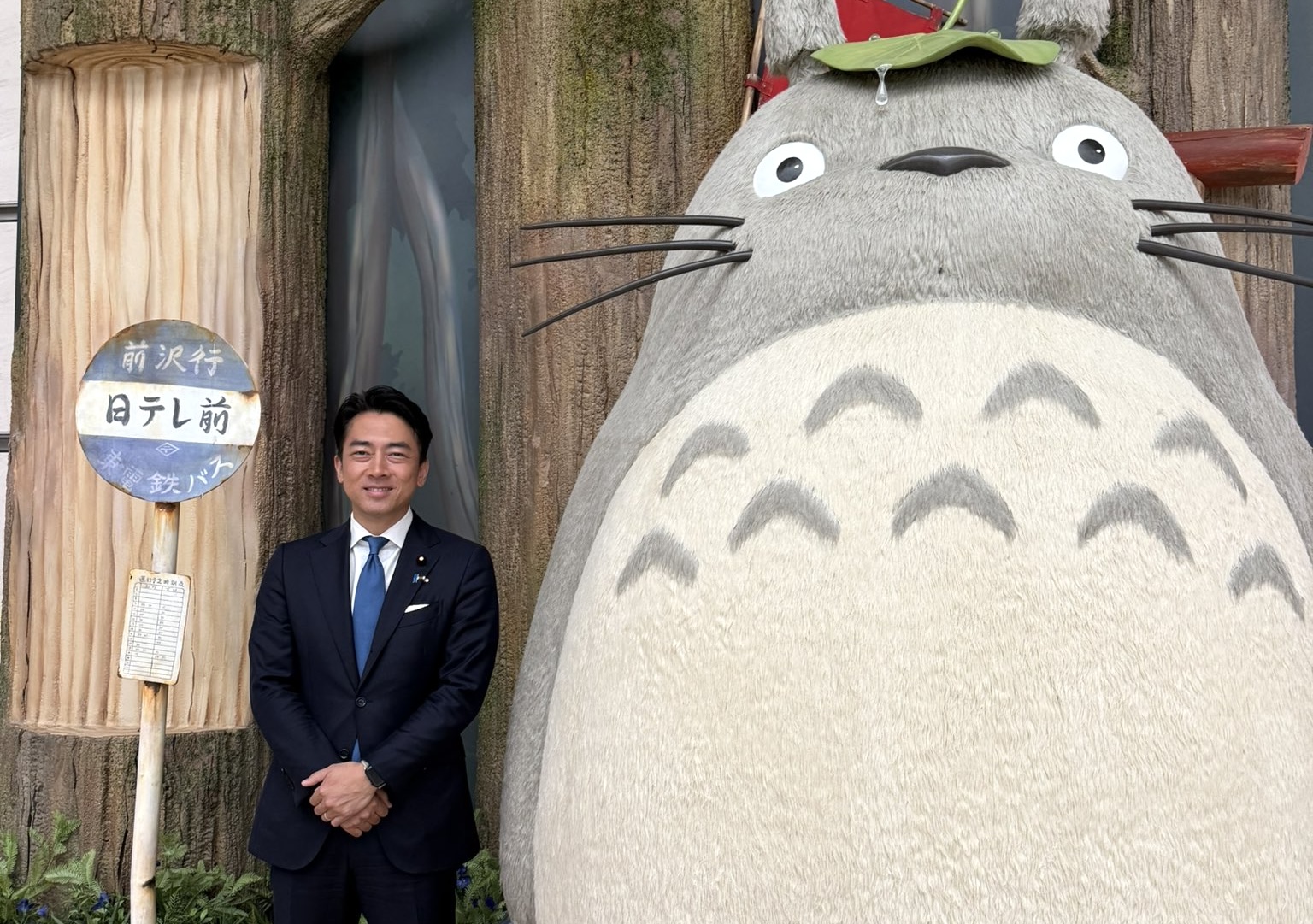
The upcoming LDP leadership race will test whether Seoul and Tokyo can preserve the fragile progress made in recent years.
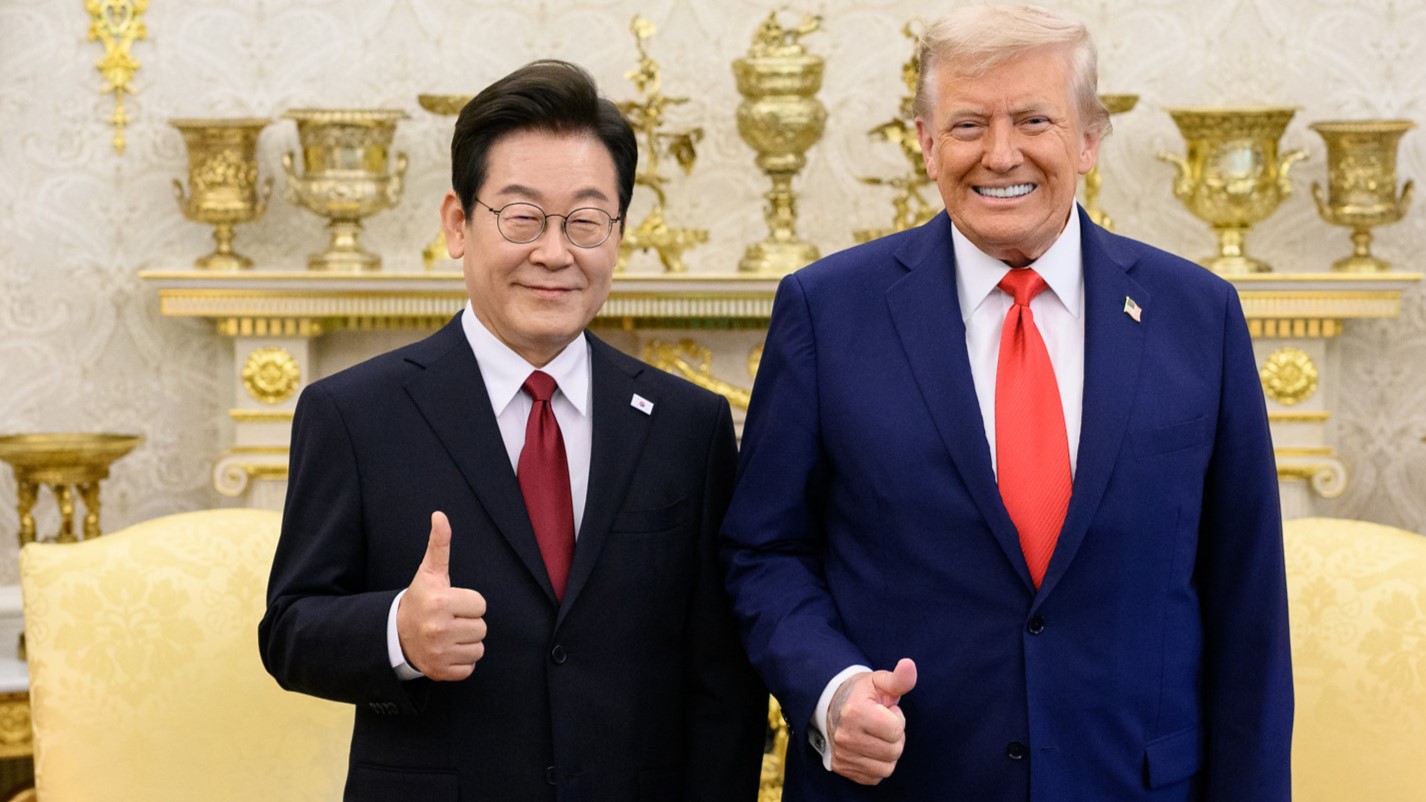
Trump and Lee are off to a good start, but it’s crucial for both that substantive discussions and agreements are codified in writing.

The president’s speech revealed true pragmatism on trade and foreign policy, but early signs suggest Seoul clings to other familiar narratives.
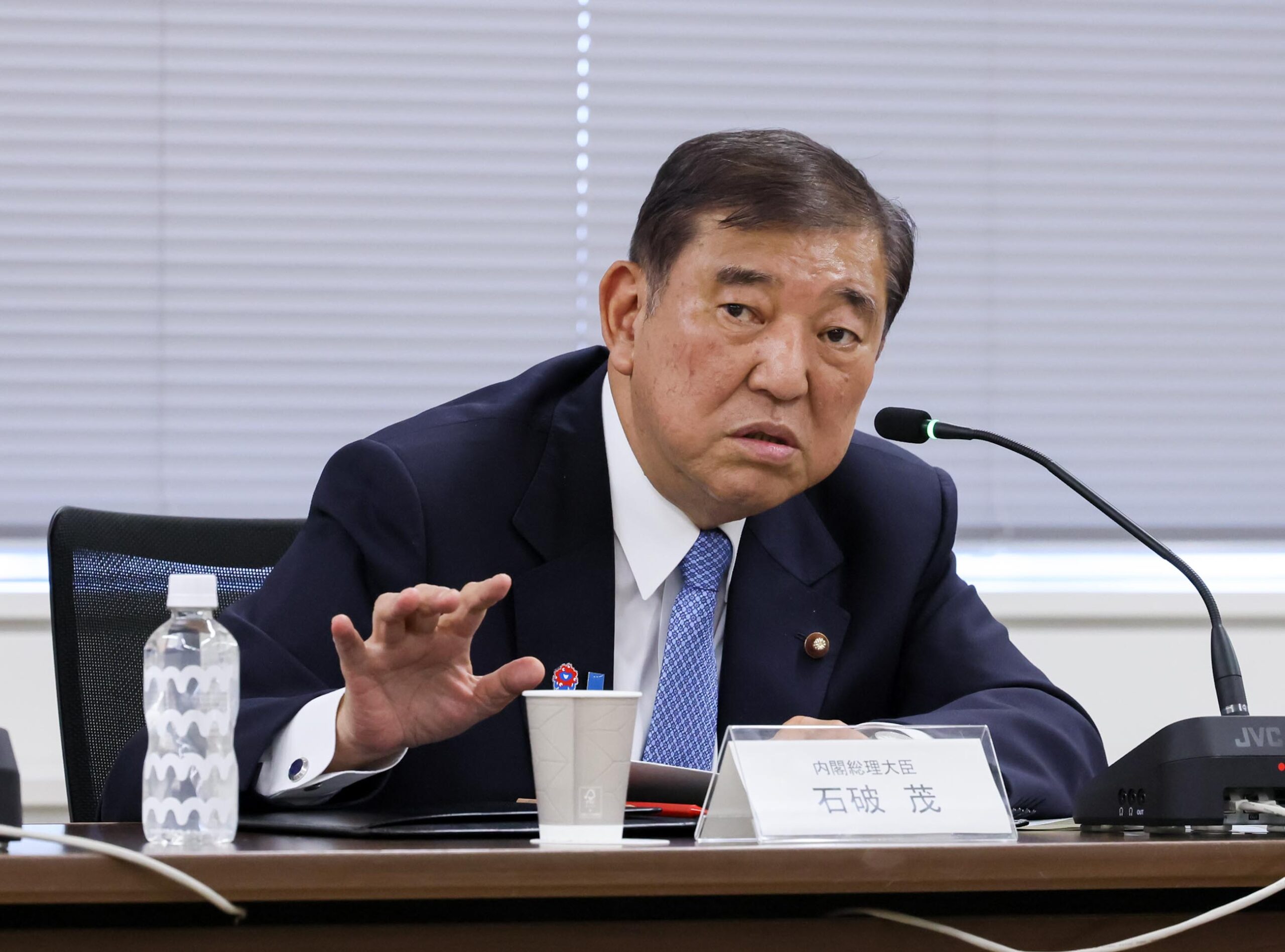
For the first time since 1994, the ruling LDP coalition controls neither chamber of the Japanese legislature.
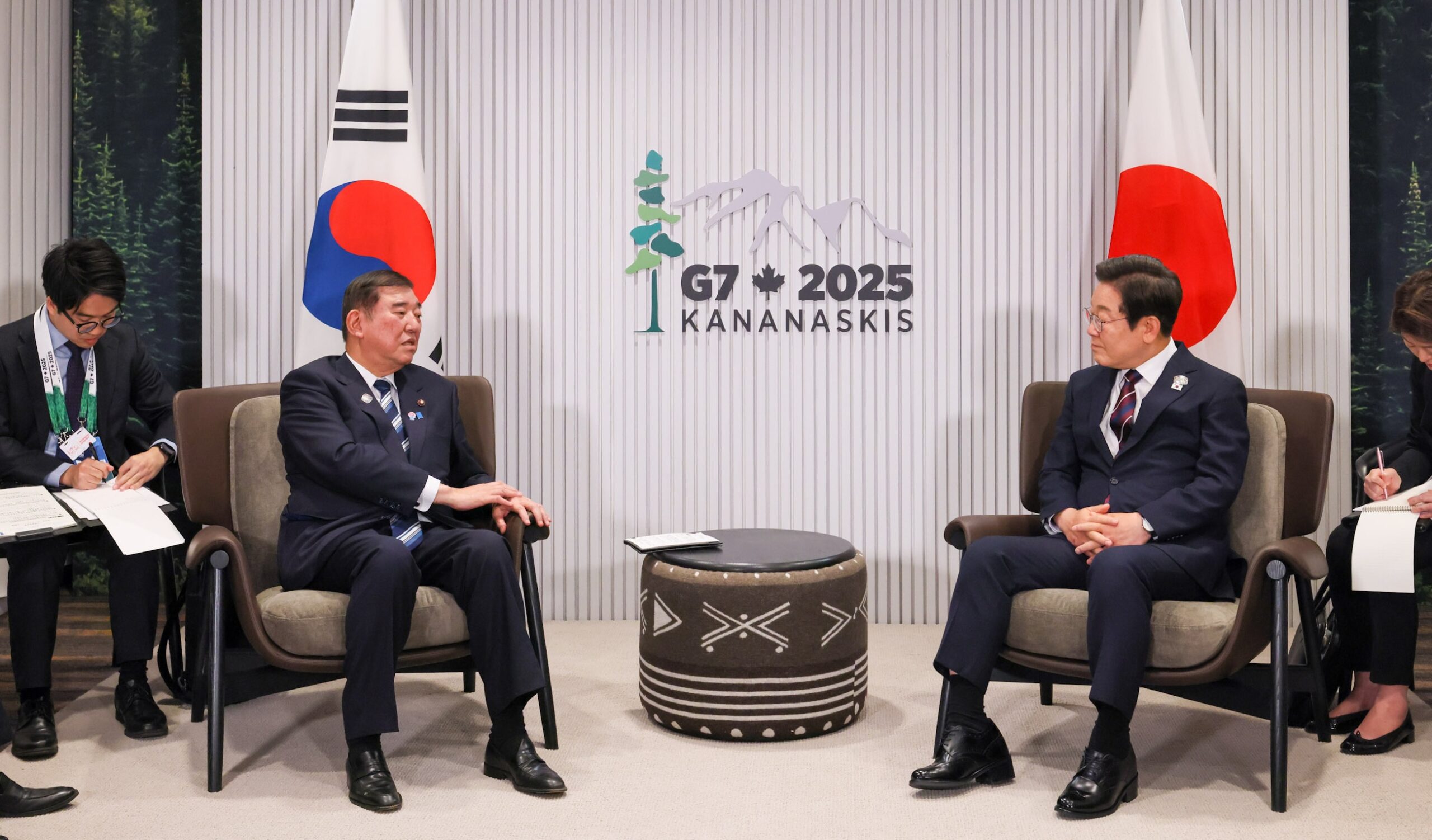
Leaders Lee and Ishiba emphasize overlapping concerns about global turmoil as their primary security partner turns inward.

Although the US-Korea-Japan trilateral relationship may face new challenges under the incoming Donald Trump administration, cooperation between the three countries will likely persist.