Presidential Hopefuls Should Book Seoul Before They Book Iowa
Would-be 2028 presidential candidates should book a trip to Seoul in 2026. Once the November midterms clear, the calendar belongs to Iowa diners and New…

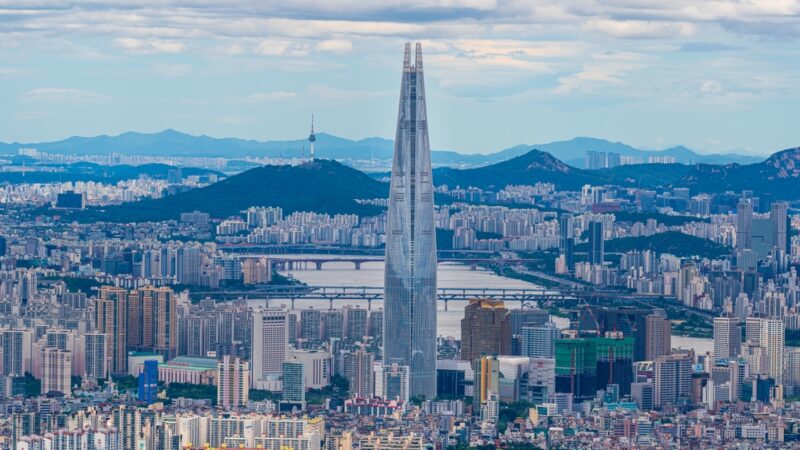
Would-be 2028 presidential candidates should book a trip to Seoul in 2026. Once the November midterms clear, the calendar belongs to Iowa diners and New…
Iran’s failure to achieve nuclear latency has significant implications for South Korea and Japan’s thinking on their own nuclear strategy.
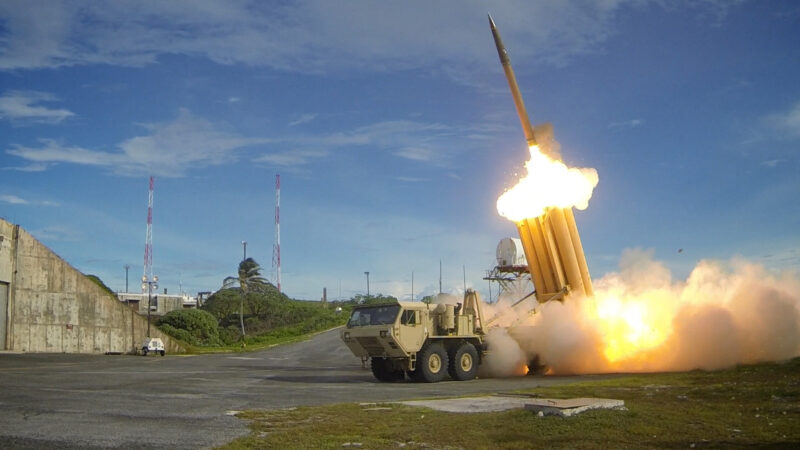
Iran’s failure to achieve nuclear latency has significant implications for South Korea and Japan’s thinking on their own nuclear strategy.

The deal may not only help Korea avoid higher tariffs, but also lower the cost of capital for strategic investments in the United States.
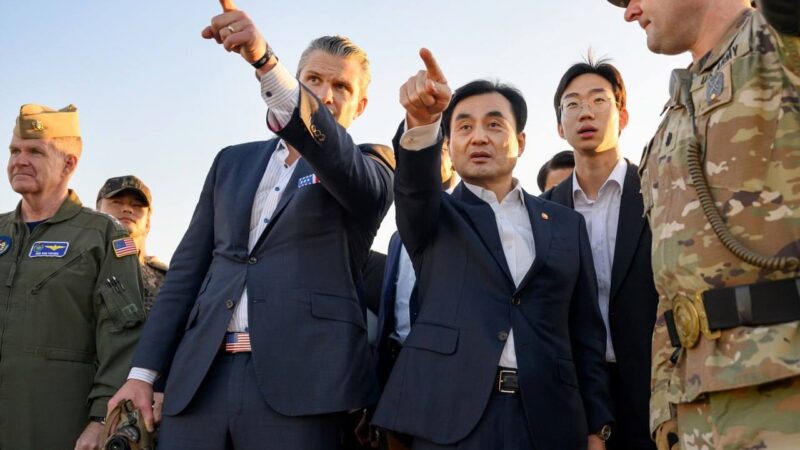
From alliance recalibration to the “Korea Discount,” KEI experts analyze the critical issues shaping U.S.–South Korea relations in 2026.
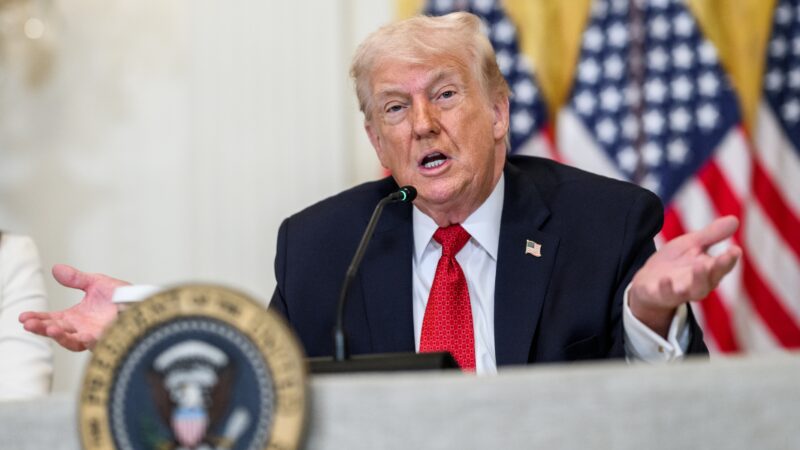
Investment commitments, tariff deals, and bilateral MOUs may now have to be completed with the caveat in mind that anything can change at a moment’s notice.
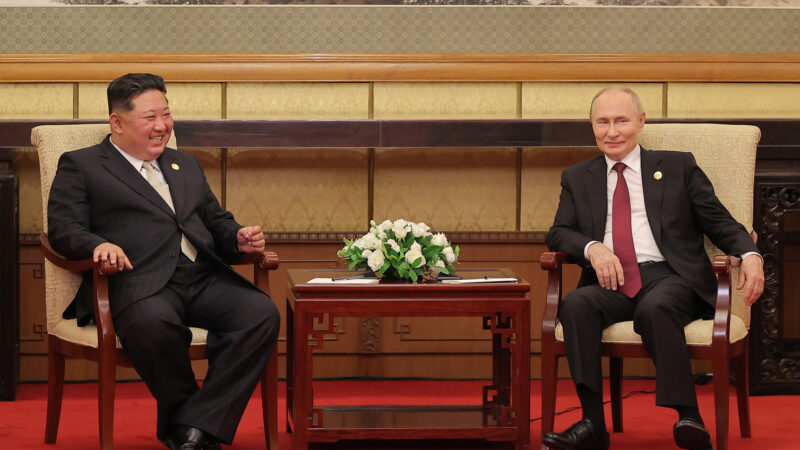
The two nations are steeped in the same ideological brew of ultra-nationalism, hyper-militarism, and illiberalism.
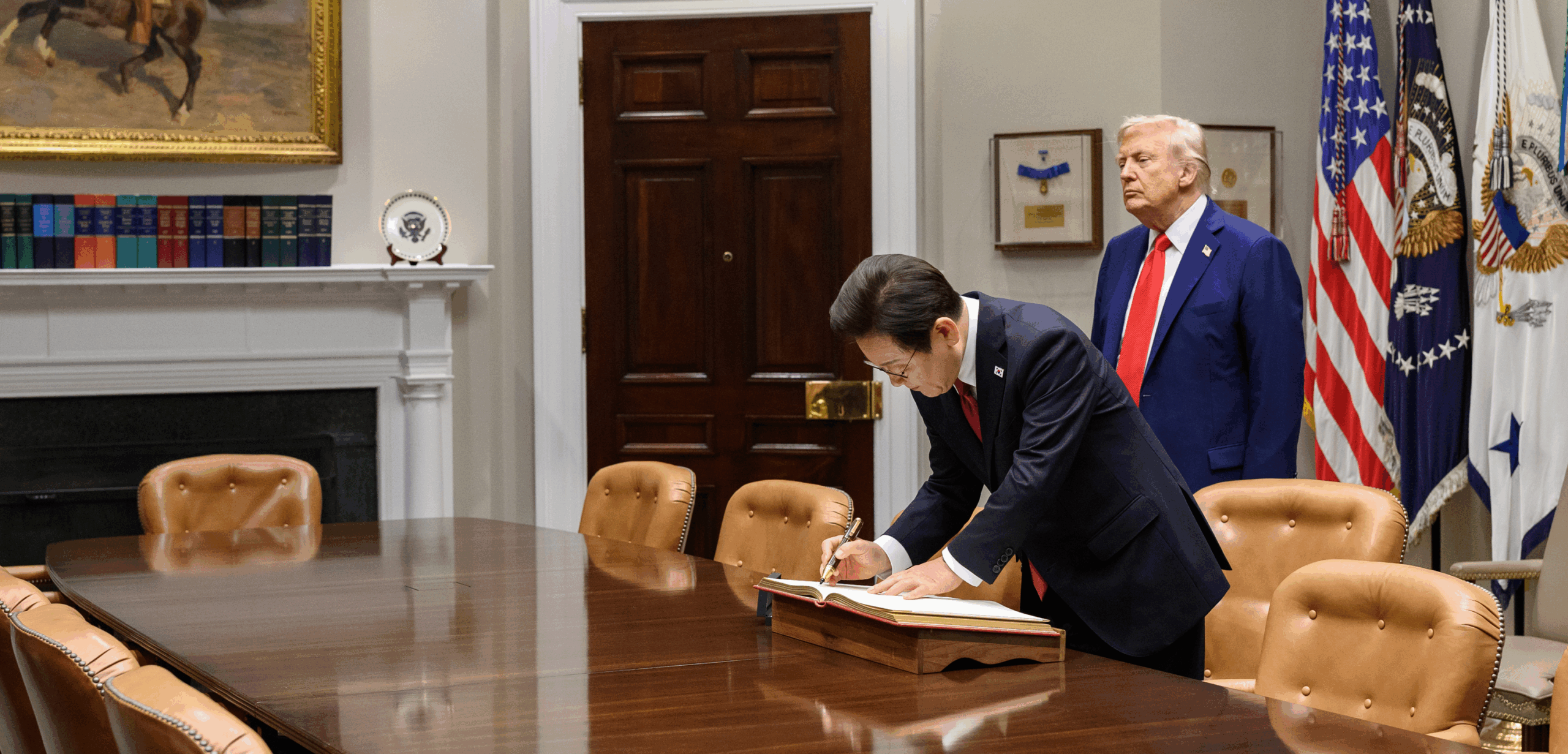
The U.S. push for allies to shoulder greater security burdens converges with South Korean efforts to deepen autonomy.
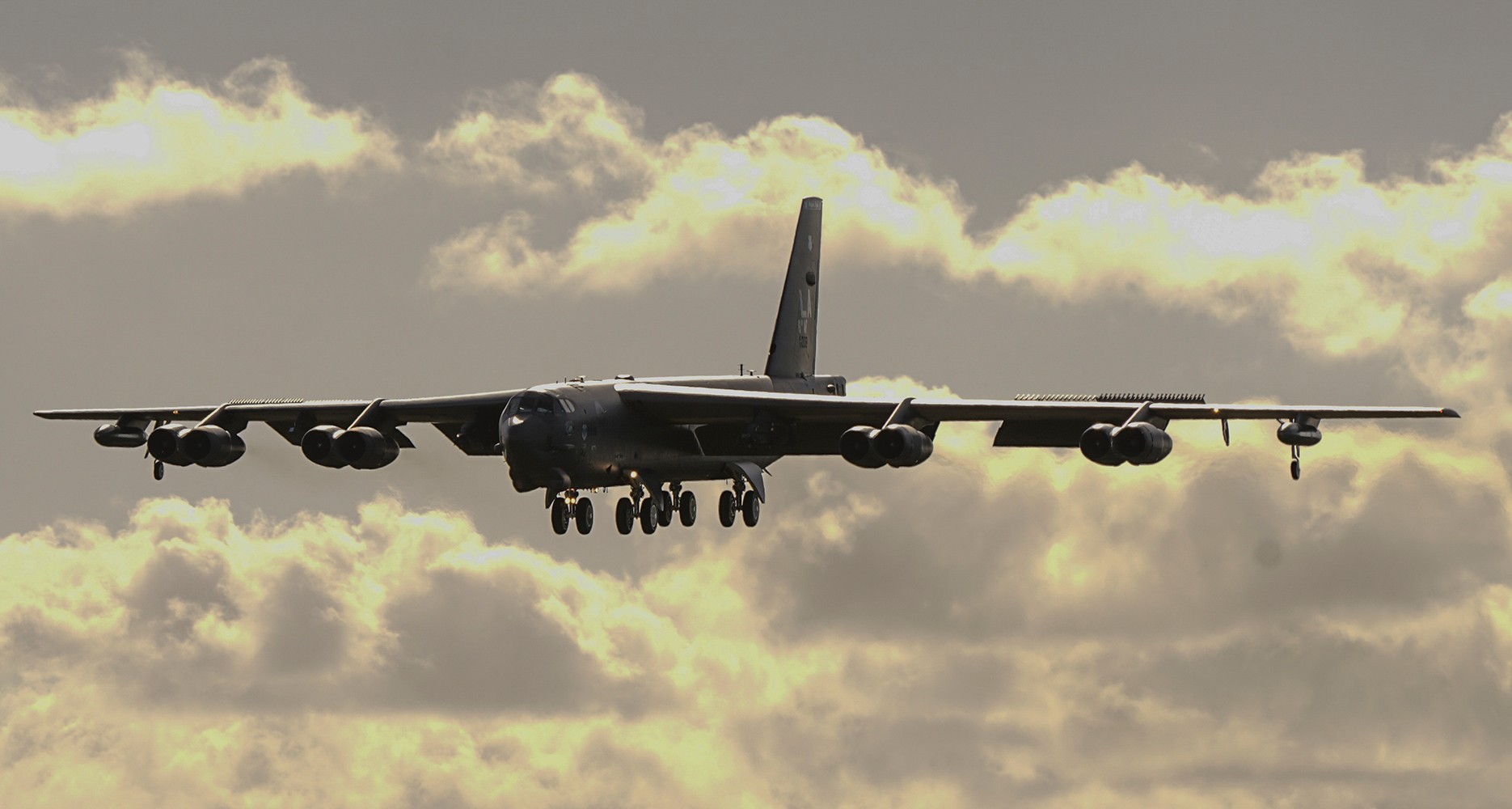
Americans may debate trade, tariffs, and troop deployments, but they agree that more nuclear weapons make the world less secure.

The Trump administration is asking Asian allies to contribute more to their defense and collectively step up military coordination to deter China.