
Presidential Hopefuls Should Book Seoul Before They Book Iowa
Would-be 2028 presidential candidates should travel to Seoul in 2026 to build foreign policy credentials before the primary calendar closes the window.
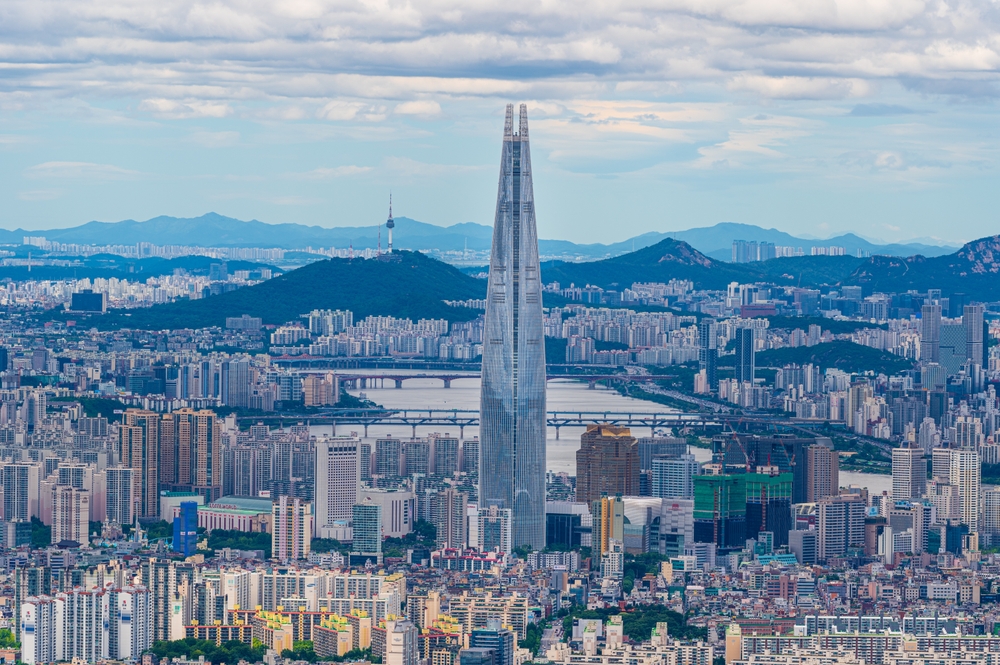
Would-be 2028 presidential candidates should book a trip to Seoul in 2026. Once the November midterms clear, the calendar belongs to Iowa diners and New Hampshire town halls, and serious foreign travel—the kind that helps build policy credentials—becomes politically untenable. South Korea offers more substantive ground than almost any destination on the map: the inter-Korean border, U.S. troops on the peninsula, U.S. strategy toward China, civil nuclear cooperation, shipbuilding, and a cultural pull on young voters that Europe cannot match.
The case starts with a question about the issues that will shape 2028. If foreign policy and national security become more dominant or significant issues in the 2028 presidential campaign due to the conflict in Iran or otherwise, candidates who do not have executive branch experience with a foreign policy focus (e.g., anyone who is not JD Vance or Marco Rubio) on either side of the aisle would do well to travel overseas and build foreign policy credentials.
South Korea offers a more compelling case than any peer destination on the calendar. First, South Korea would allow candidates to travel to the demilitarized zone (DMZ) and “face off” with North Korea from the overlook where presidents and vice presidents have gone to burnish their cold warrior credentials. Second, it would offer time with troops serving overseas away from the Iran conflict, giving candidates deeper insight into soldiers’ support, deployment, and broader strategic thinking in the Indo-Pacific. Third, and linked to this, a trip to South Korea offers a chance to discuss China and China policy, both economically and in terms of Taiwan, the South China Sea, and the U.S.-China competition.
Fourth, South Korea has the potential to be a key partner to the United States and U.S. companies in developing the U.S. civil nuclear energy industry to power data centers across the United States and provide power to developing countries, rather than China and Russia. Who wins and provides the bulk of new energy supplies over the next twenty years via nuclear power could be one of the most significant factors shaping how relations develop between the West and the Global South. Fifth, a candidate could discuss the U.S. shipbuilding industry and how the United States could cooperate with South Korea to build more ships and create more high-paying jobs for American workers, checking off national and economic security concerns.
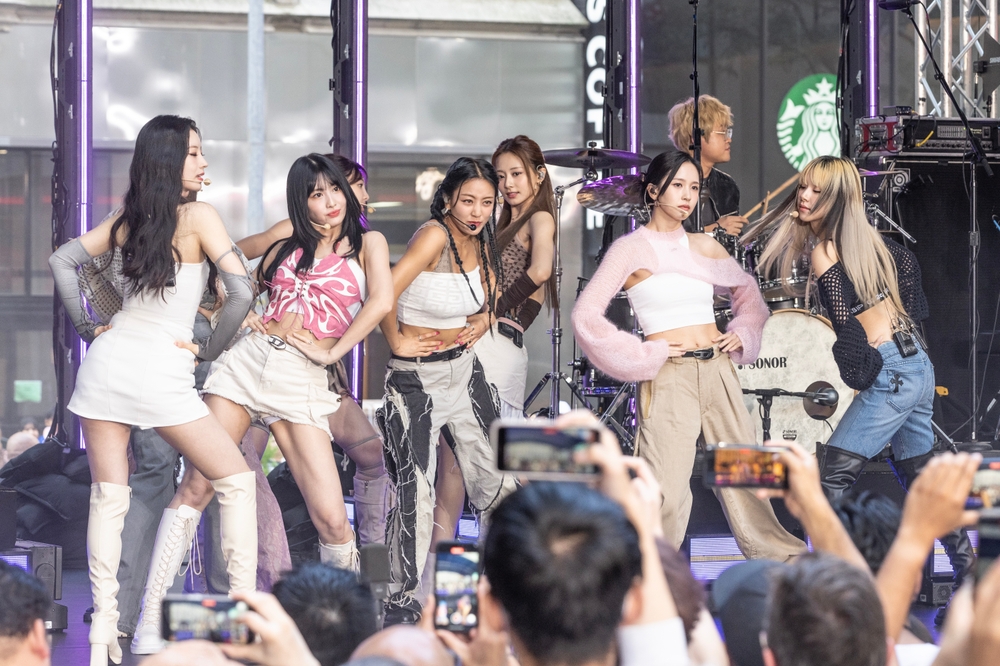
Sixth, and maybe most importantly, South Korea is cool in a way that separates it from other destinations. Europe has a lot of historical and cultural baggage and does not offer dynamism or partnership in every security and economic realm as South Korea does. And South Korea is cool. Get on the BTS bandwagon. Or Stray Kids, or Blackpink, or any of the many bands that no U.S. voter over forty knows about, but every sixteen-year-old would-be first-time voter in 2028 does.
The destination matters, but the timing matters as much. A trip to Seoul in 2026 offers the candidate a low-pressure opportunity to add serious policy experience to their quiver. Even if foreign policy does not feature prominently during the campaign, it is still a good investment. And if a global approach and understanding of the world become a key differentiator, a trip to Seoul will enrich a would-be president with stories and experiences to draw on across all fronts in a way that is additive and less charged than what trips to Europe or other possible destinations offer.
As the primary cycle approaches, the window for substantive international engagement will close, replaced by trips to Des Moines and Manchester. If a candidate has not put some foreign policy experience into the hopper before the campaign starts, it is hard to imagine any advisor supporting even a brief trip overseas, let alone to Asia.
By locking in a high-level, multi-day trip to South Korea now, a candidate secures a policy reservoir they can tap into for months. When a debate moderator inevitably asks about the fragility of global supply chains or the specificities of the Indo-Pacific security architecture, the candidate who has walked the floor of a Samsung semiconductor plant or sat with Hyundai’s shipbuilders can reply with confidence based on direct experience.
Leaning into the Korean wave provides a rare bridge to a demographic that remains notoriously difficult to capture: Gen Z and first-time voters. While traditional foreign policy discussions seem soporific to young voters at best, South Korea’s cultural vibrancy offers a modern, fun entry point. A candidate who can talk global trade agreements and BTS in the same breath would highlight a worldview that lives outside the beltway.
South Korea fits what voters want from an ally: pushback on China without another open-ended war in the Middle East. It is a story of a thriving democracy, a technological powerhouse, and a reliable security partner. For any serious contender looking to prove they can lead on the world stage without losing sight of American jobs and interests, the road to the White House has few better starting points than Seoul. A trip not only will prepare a candidate for policy debates, but it could also be part of a boost that secures the candidacy or even an electoral victory.
Henry Haggard is Senior Visiting Fellow at KEI. The views expressed are the author’s alone.
This material is distributed by KEI on behalf of the Korea Institute for International Economic Policy. Additional information is available at the Department of Justice, Washington, DC.