Toward a U.S.–South Korea Alliance Renaissance
Washington and Seoul must cast their vision to the broader challenge of shaping regional peace and prosperity.


Washington and Seoul must cast their vision to the broader challenge of shaping regional peace and prosperity.

If Washington wants the strategic benefits that come with Korean FDI, it will need to align immigration policy with the industrial strategy it has chosen.
It is likely that the Senate will fail to act on the North Korean Human Rights Act before adjourning in December.
Unfortunately, one of the unfinished agenda items for Congress is reauthorizing the North Korean Human Rights Act.
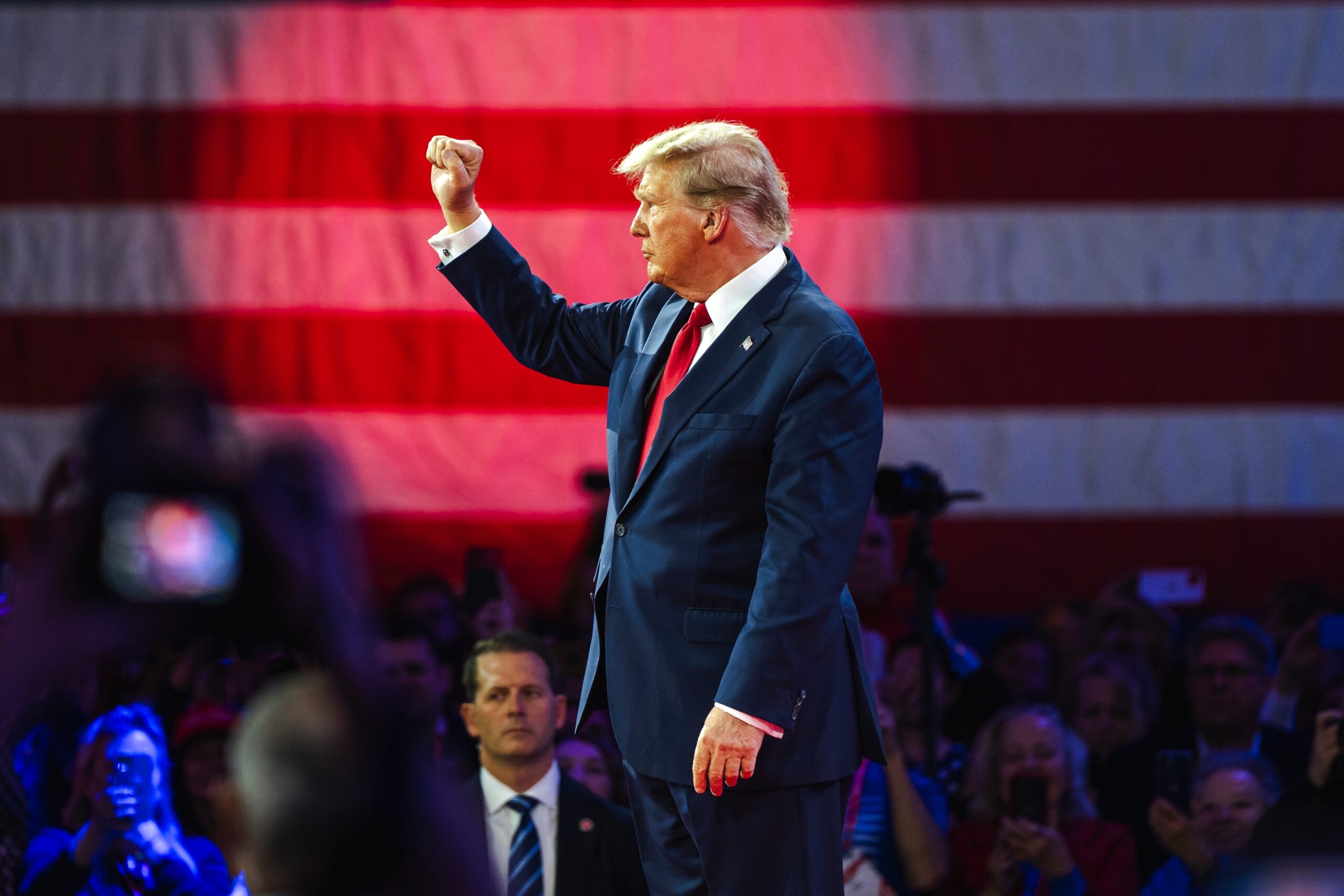
It is worth reviewing the roots of Donald Trump’s foreign policy and seeing what lessons might be learned from his Presidency.
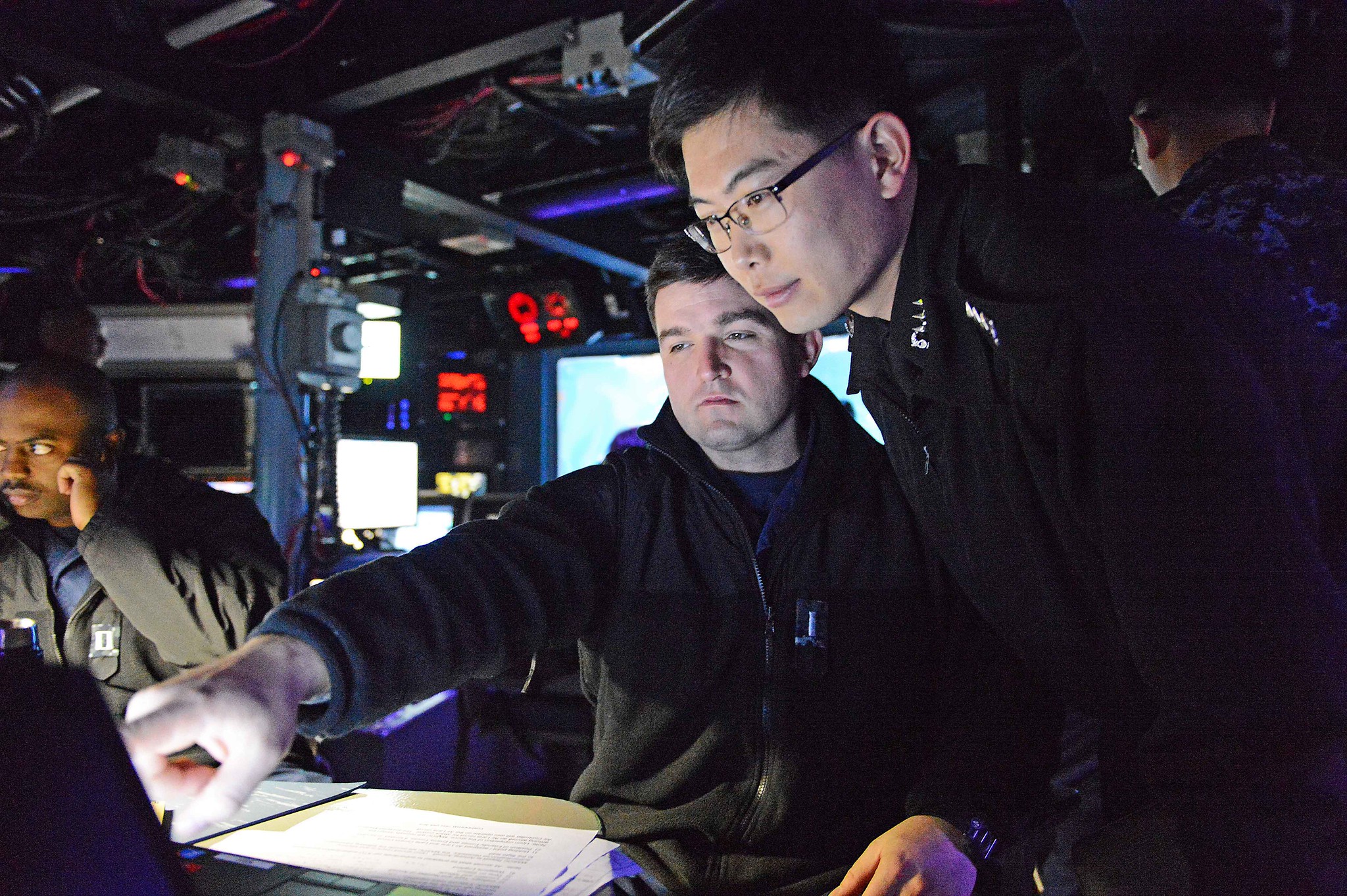
Security partnership between the United States, South Korea, and Japan remains reactive to North Korean threats, limiting the scope of cooperation.

Seoul’s deployment of a larger naval force to the U.S.-led multilateral naval exercise may signal a shift from its traditional security posture.
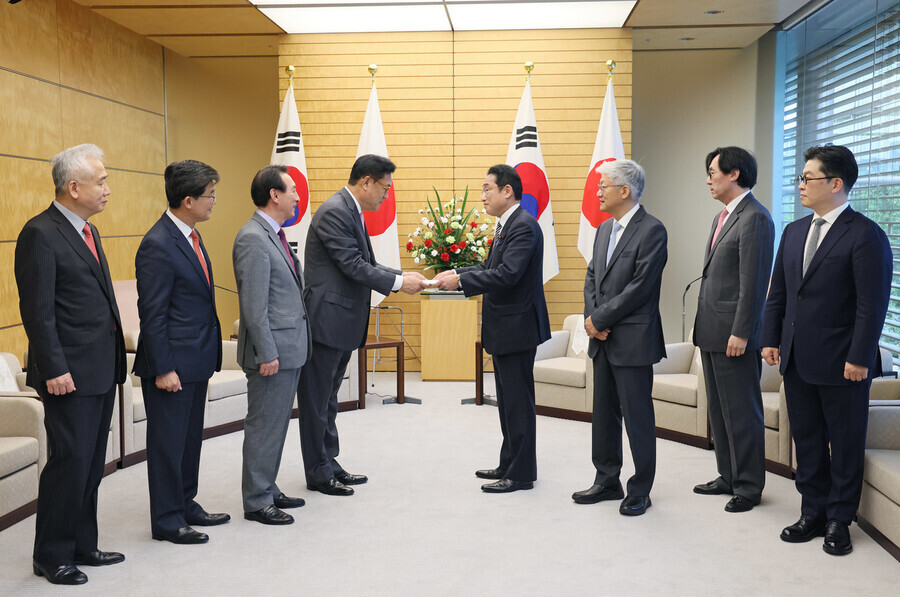
President-elect Yoon Suk-yeol’s delegates to Japan reaffirmed Yoon’s pledge to rebuild bilateral relations and improve US-ROK-Japan trilateral cooperation.
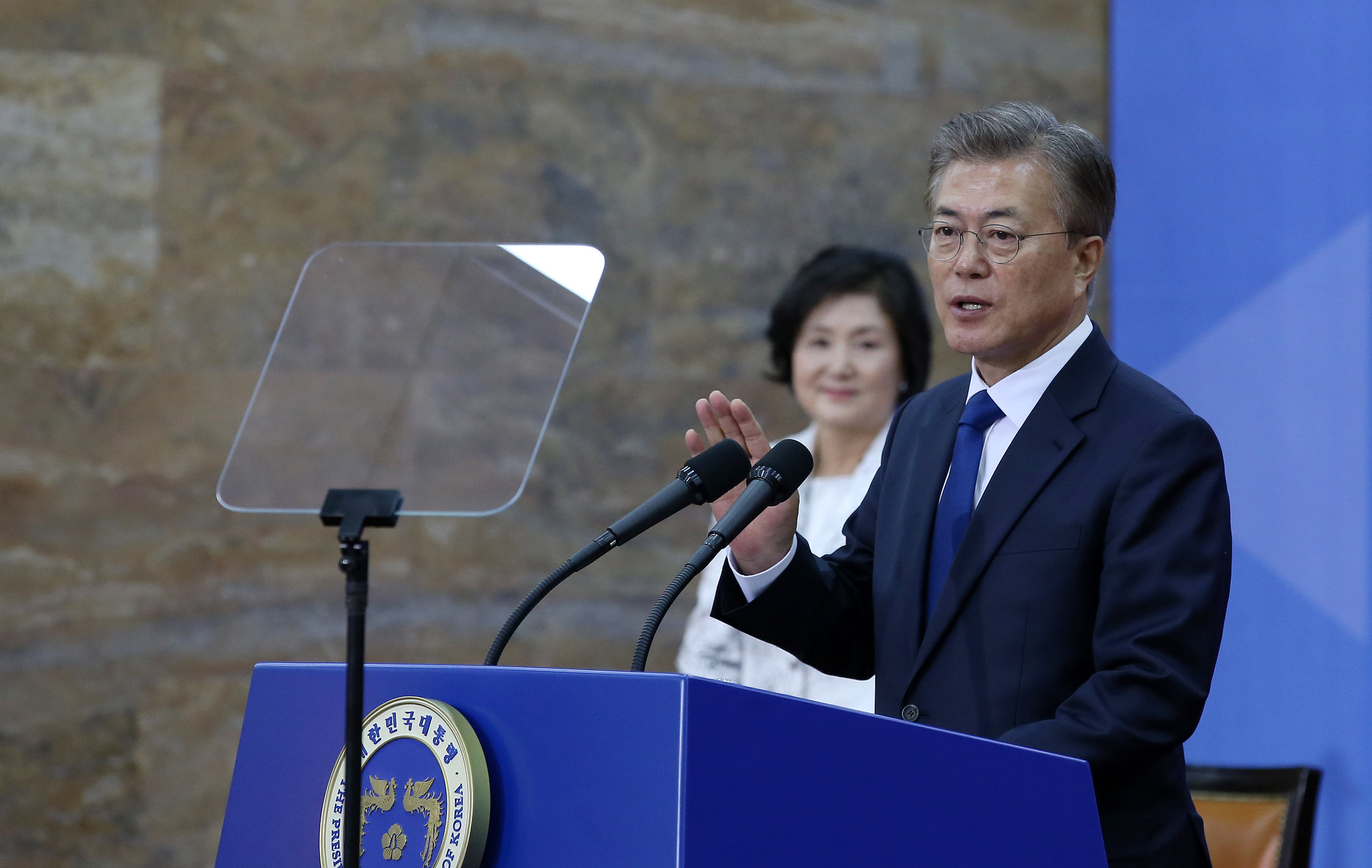
By paying little attention to South Korea’s domestic politics, foreign policy circles in Washington carry a distorted understanding of Korea’s progressives.

South Korea’s decision to conduct a joint military exercise despite North Korea’s warning reiterate the priority placed on national security.