Xi’s North Korea Visit Puts a Trump-Kim Summit Back in Play
Chinese President Xi Jinping will make a rare visit to North Korea on June 8—his first international trip this year—weeks after hosting U.S. President Donald…

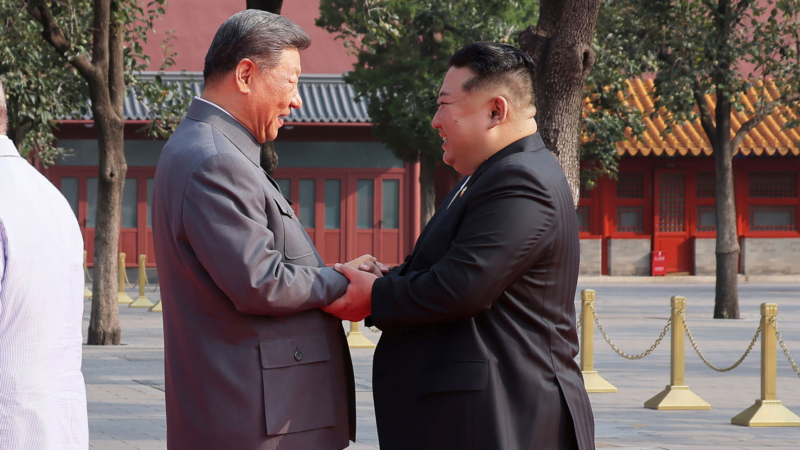
Chinese President Xi Jinping will make a rare visit to North Korea on June 8—his first international trip this year—weeks after hosting U.S. President Donald…
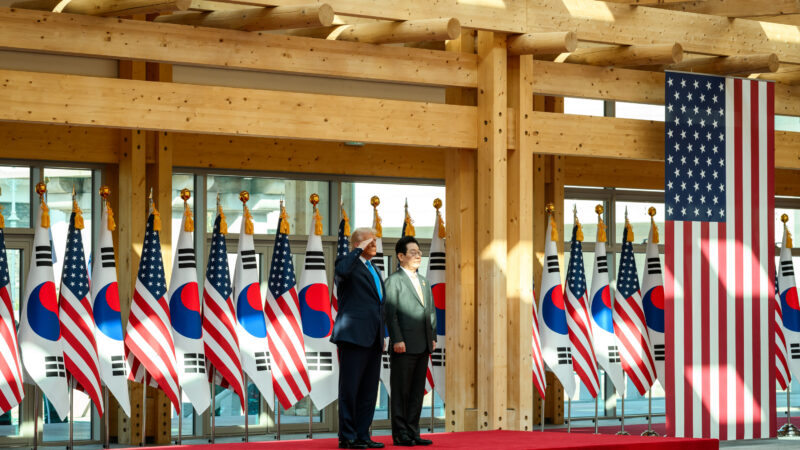
It is the best of times and the worst of times for the future of the U.S.-South Korea alliance. South Korean perceptions of economic coercion…
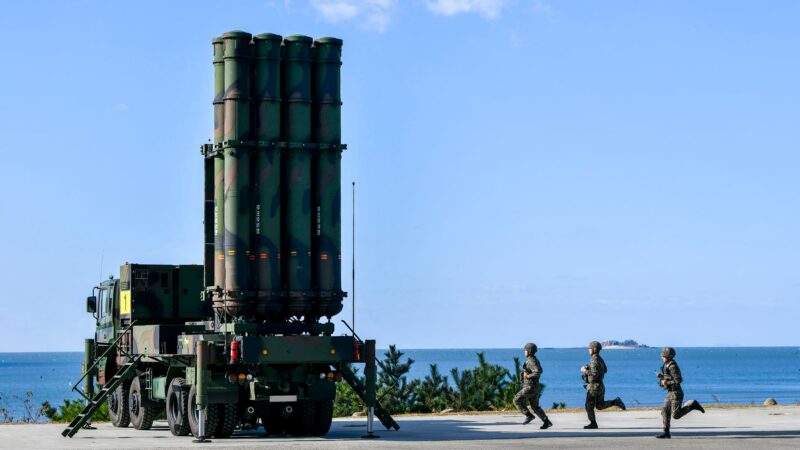
The Iran war has rapidly depleted the Middle East’s missile defenses. With uncertainty surrounding whether the current U.S.-Iran truce will hold, governments across the region are looking to restock interceptor inventories. The strong battlefield performance of South Korea’s Cheongung‑II ballistic missile defense…
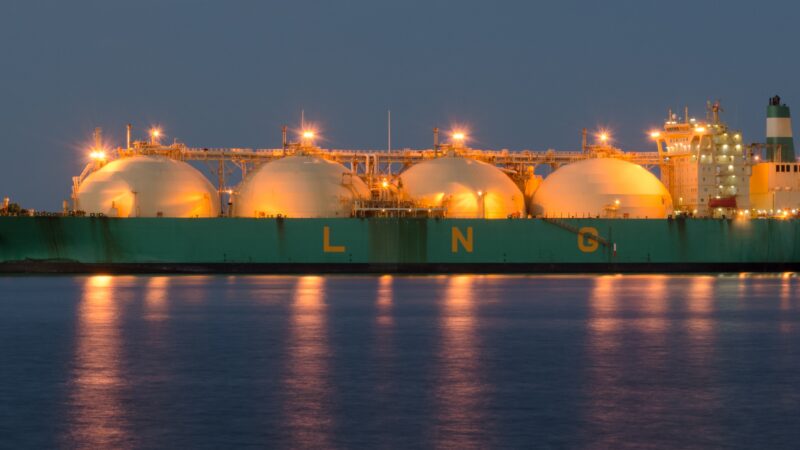
The 2026 Iran war and the closure of the Strait of Hormuz have upended global trade and energy access, prompting governments in Asia and around…
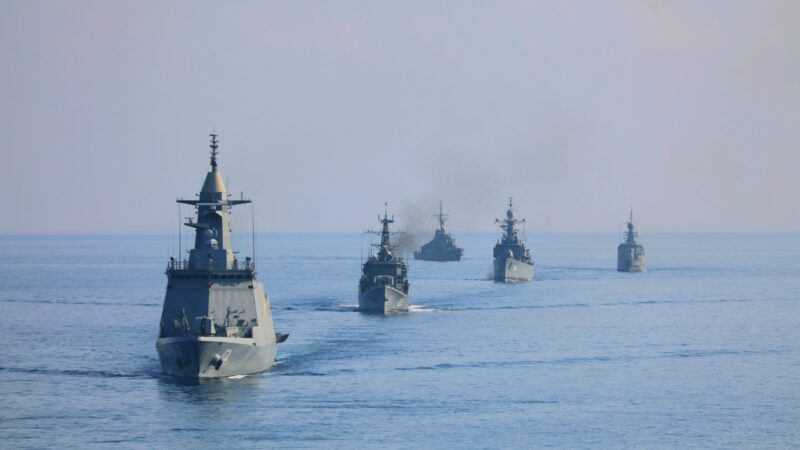
Iran’s failure to achieve nuclear latency has significant implications for South Korea and Japan’s thinking on their own nuclear strategy.
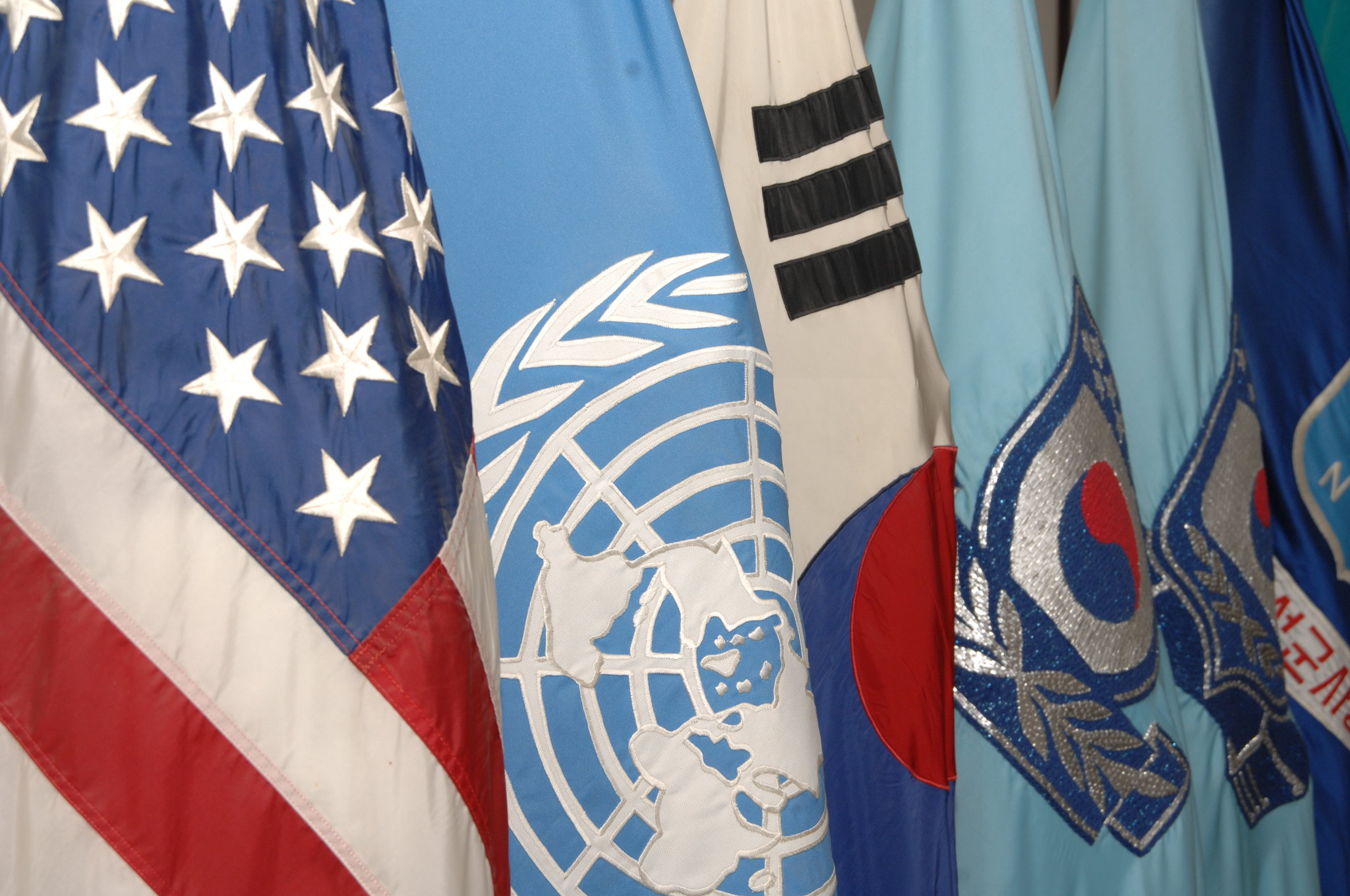
Data shows enduring support for South Korea as a partner and consistent preference for more open trade, investment, and cultural exchange.
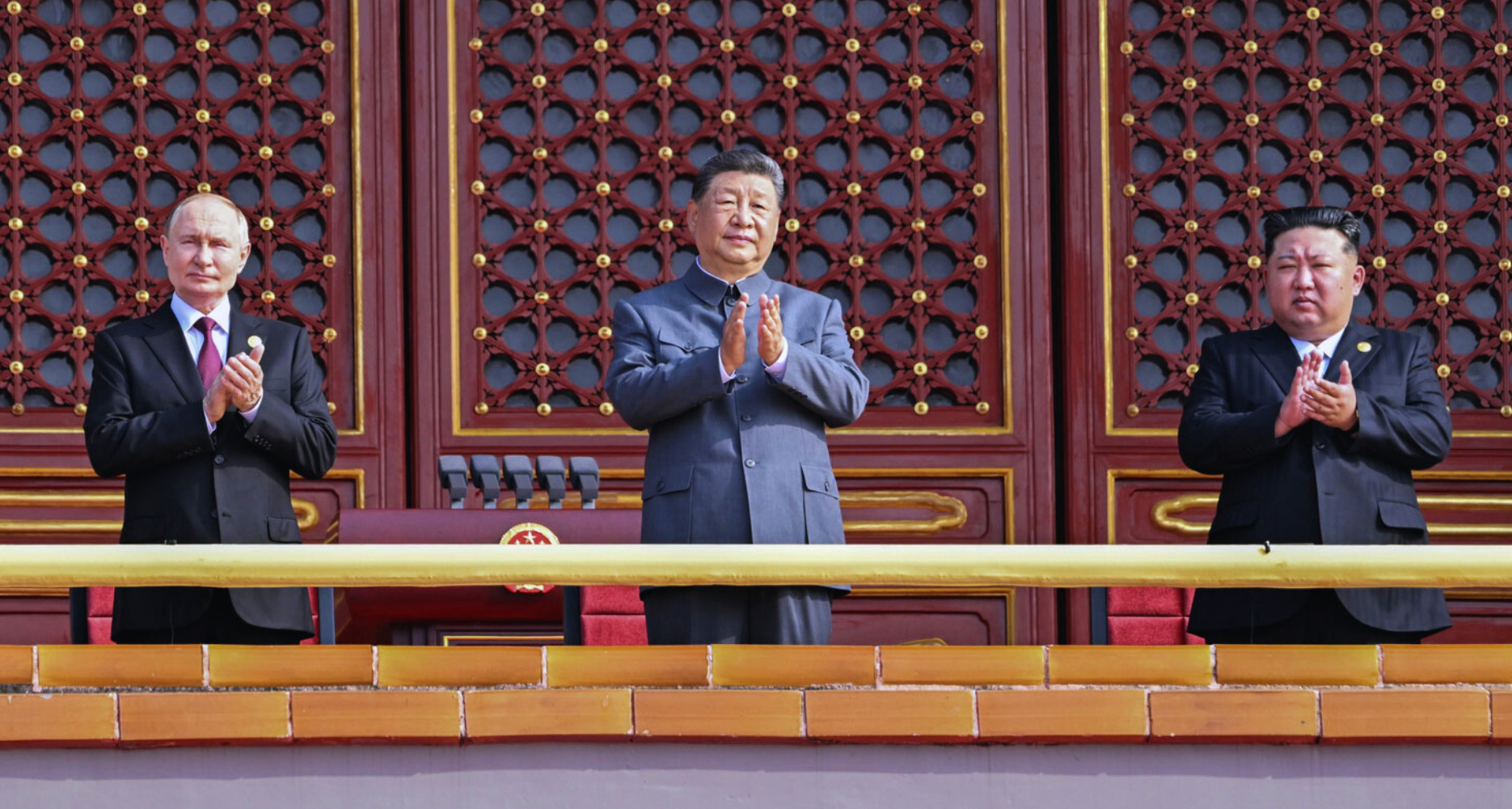
A new Cold War structure is materializing with the United States, South Korea, and Japan on one side and China, North Korea, and Russia on the other.
If Washington wants the strategic benefits that come with Korean FDI, it will need to align immigration policy with the industrial strategy it has chosen.

The opening of full diplomatic ties between Seoul and Havana is a clear reflection of the current economic and political realities on the Korean Peninsula.
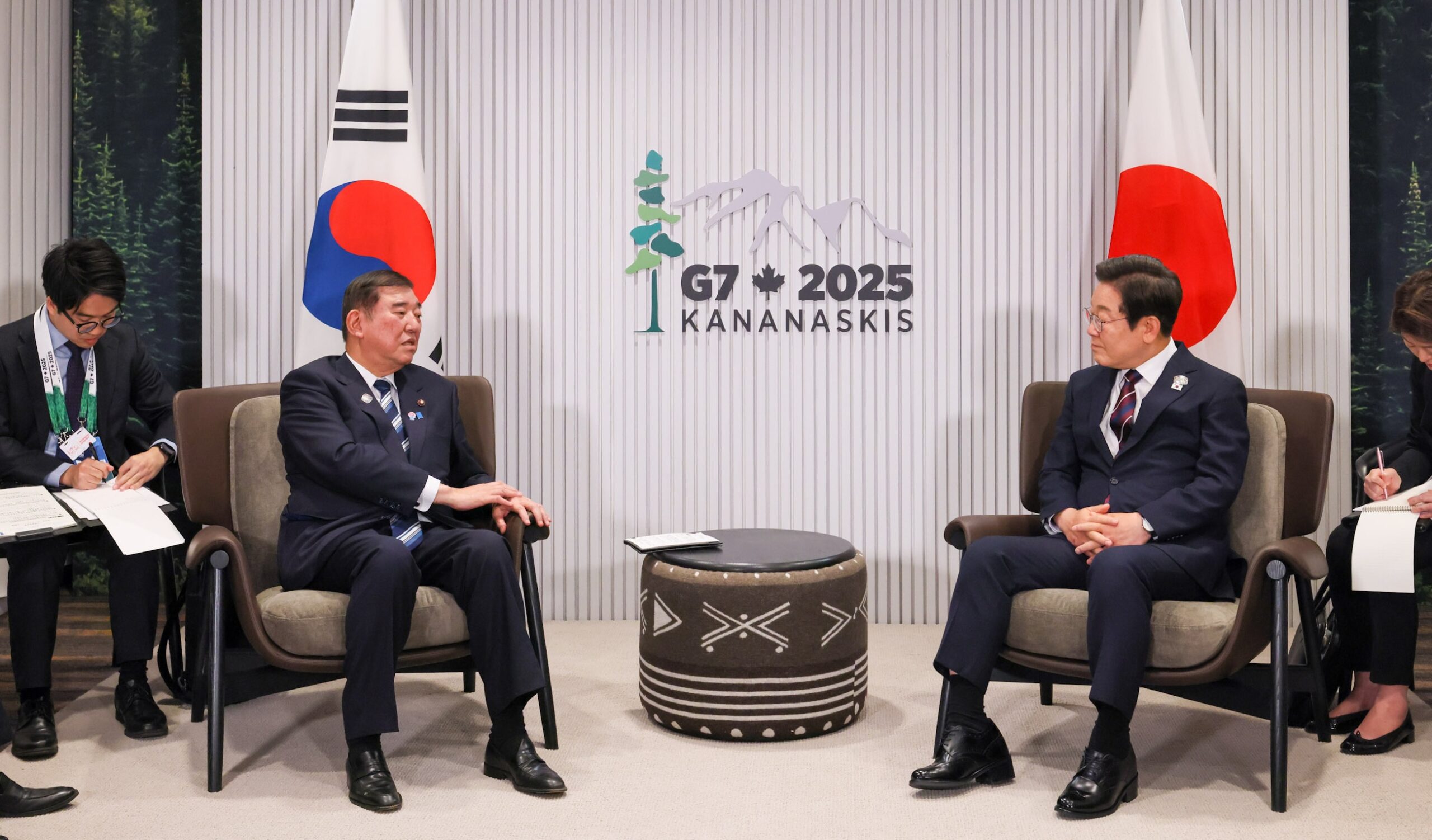
Leaders Lee and Ishiba emphasize overlapping concerns about global turmoil as their primary security partner turns inward.