
Korea’s Potential Growth Rate has Fallen to Around 2%
South Korea's potential growth rate has slowed as its economic performance has approached that of high-income countries and its population ages.
Showing 89 items
South Korea's potential growth rate has slowed as its economic performance has approached that of high-income countries and its population ages.
A “new” generation of South Koreans may prove critical to driving the country's digital transformation.
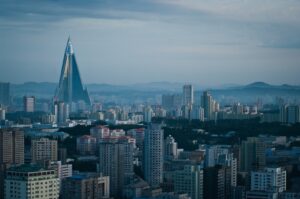
North Korea’s real GDP fell by 4.5% in 2020, the steepest decline since 1997 during the “Arduous March,” when North Korea was hit by famine.
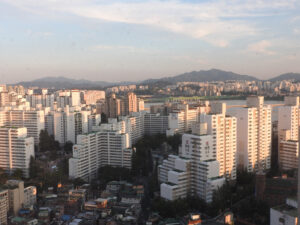
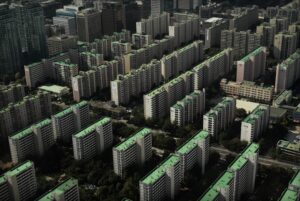
Policies intended to encourage spending amid the pandemic may have exacerbated South Korea’s housing market crisis.
An anxious public becomes increasingly opposed to punishing companies that are seen as growth leaders.
The government focuses on housing issues after the ruling Democratic Party’s loss in the Seoul and Busan mayoral elections, but bigger challenges remain.
The government’s new proposal to protect Small and Medium-sized Enterprises (SMEs) comes into conflict with property owners.
Seoul's near-optimal metro system was not built by accident. Seoul adopted tools that facilitated people’s ability to access the public transportation system, most notably a...
Seoul's near-optimal metro system was not built by accident. The government made an early commitment to building an extensive network of tracks.
Although the government promotes bio-health as a growth industry, the regulator’s warning to investors suggests t r y rket stability.
South Korean government is under pressure to come up with a “win-win” solution that accommodates innovation and employment.
Despite its limits, the new anti-harassment law appears to be having a positive impact on South Korea's workplace culture.
As countries deal with the change changes from Brexit, South Korea has taken a decidedly more trade friendly approach than Japan.