What U.S.-Iran Tensions Mean for South Korea
South Korea could find itself facing both rising energy prices and an energy shortage if supplies from the Middle East were disrupted over an Iran conflict.

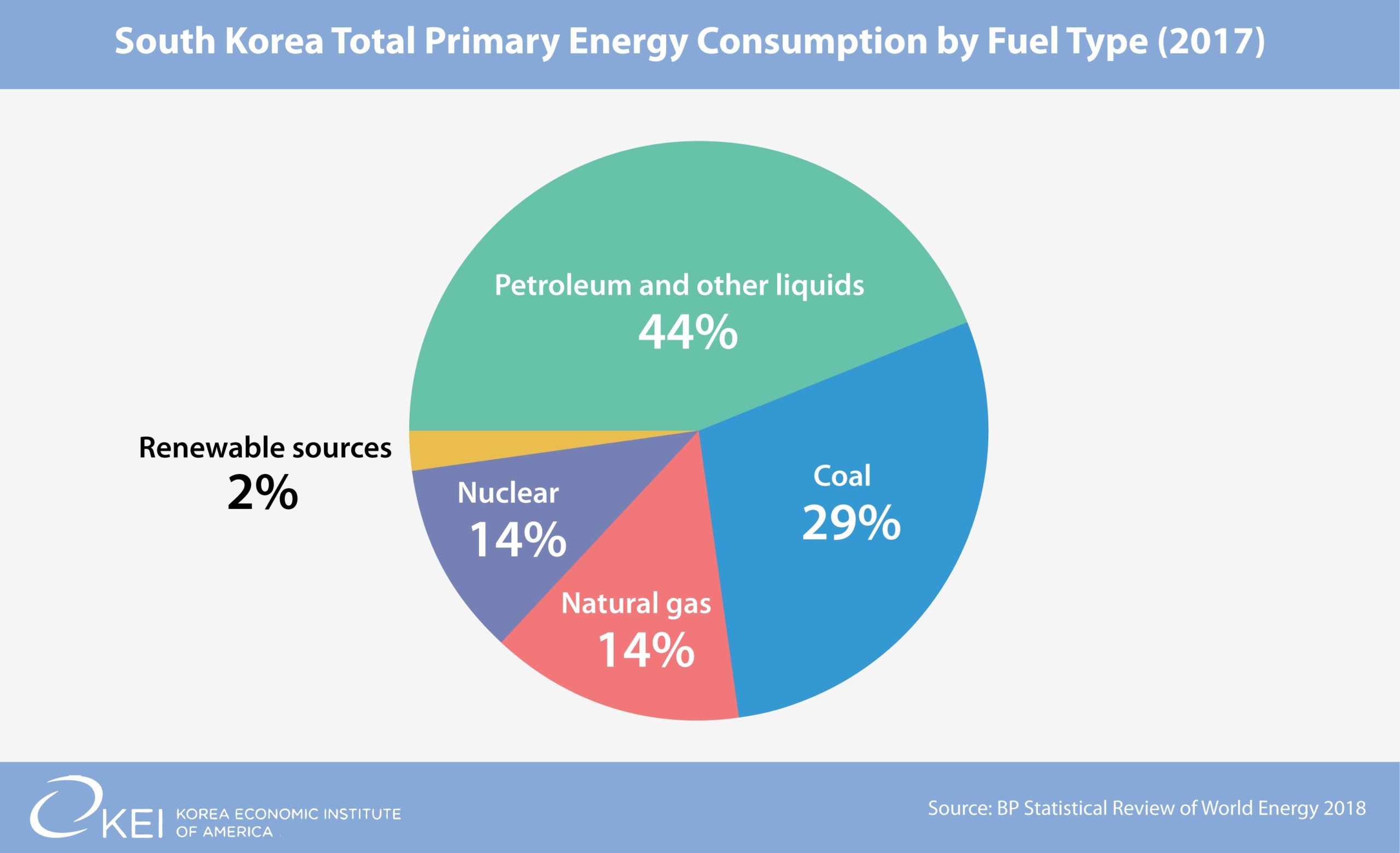
South Korea could find itself facing both rising energy prices and an energy shortage if supplies from the Middle East were disrupted over an Iran conflict.

U.S. restriction on Huawei could be a boon to Korea’s struggling export industry, but potential gains may be erased by China’s retaliatory measure.
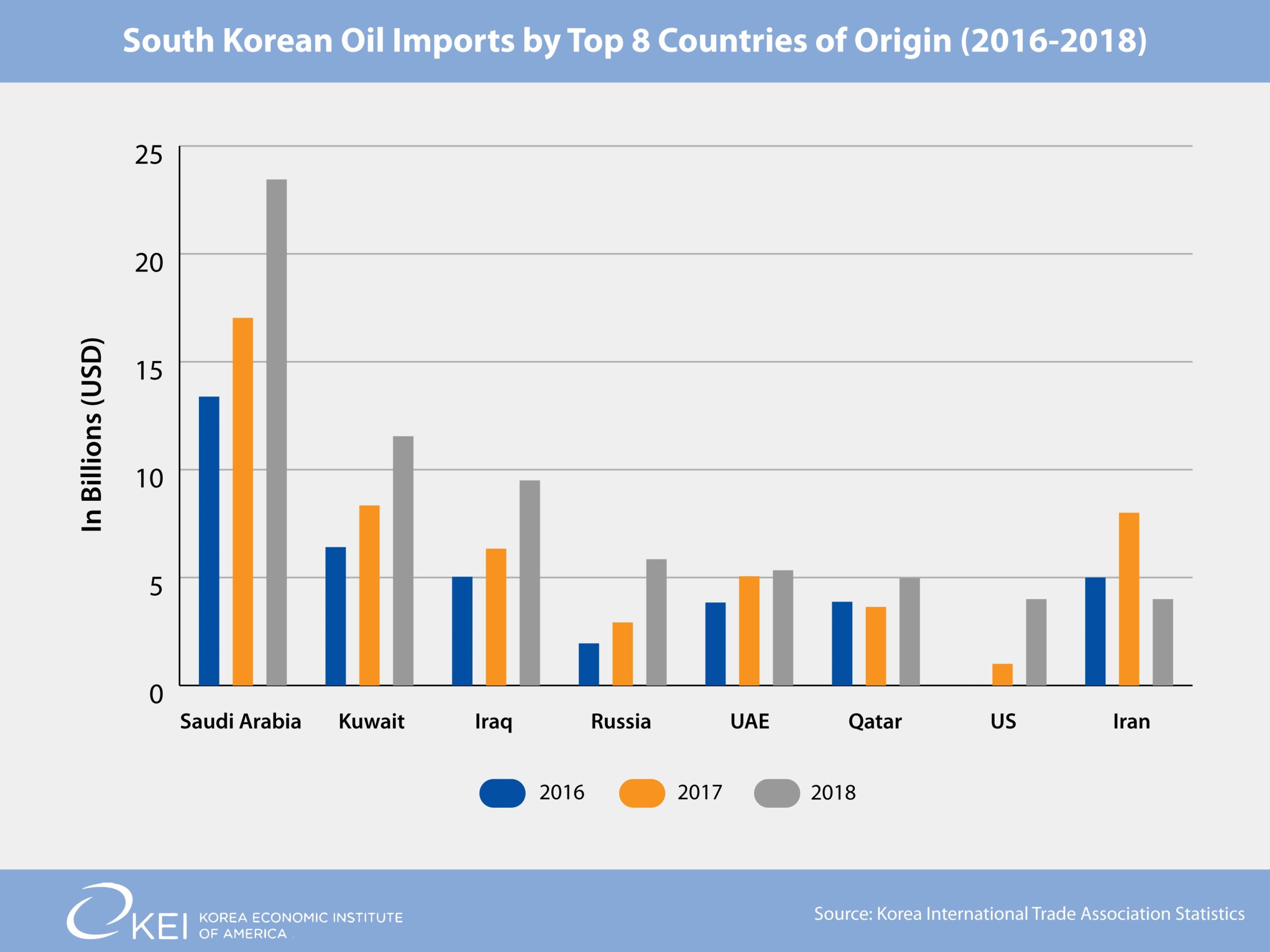
The growing demand for oil in South Korea and the removal of a major competitor in Iran bodes well for American producers.
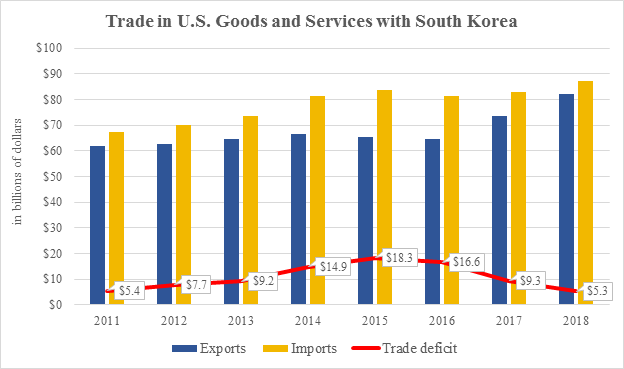
The U.S.-Korea bilateral trade deficit has declined by 71 percent from its height in 2015 to below its pre-KORUS FTA level.

Whirlpool, which petitioned for the safeguard, saw its market share drop from 17.3% to 15.7%, falling from 2nd to the third place followed in the market.

Korea should be provided an exemption from any proposed tariffs on imported motor vehicles and parts from the recent Section 232 investigation.
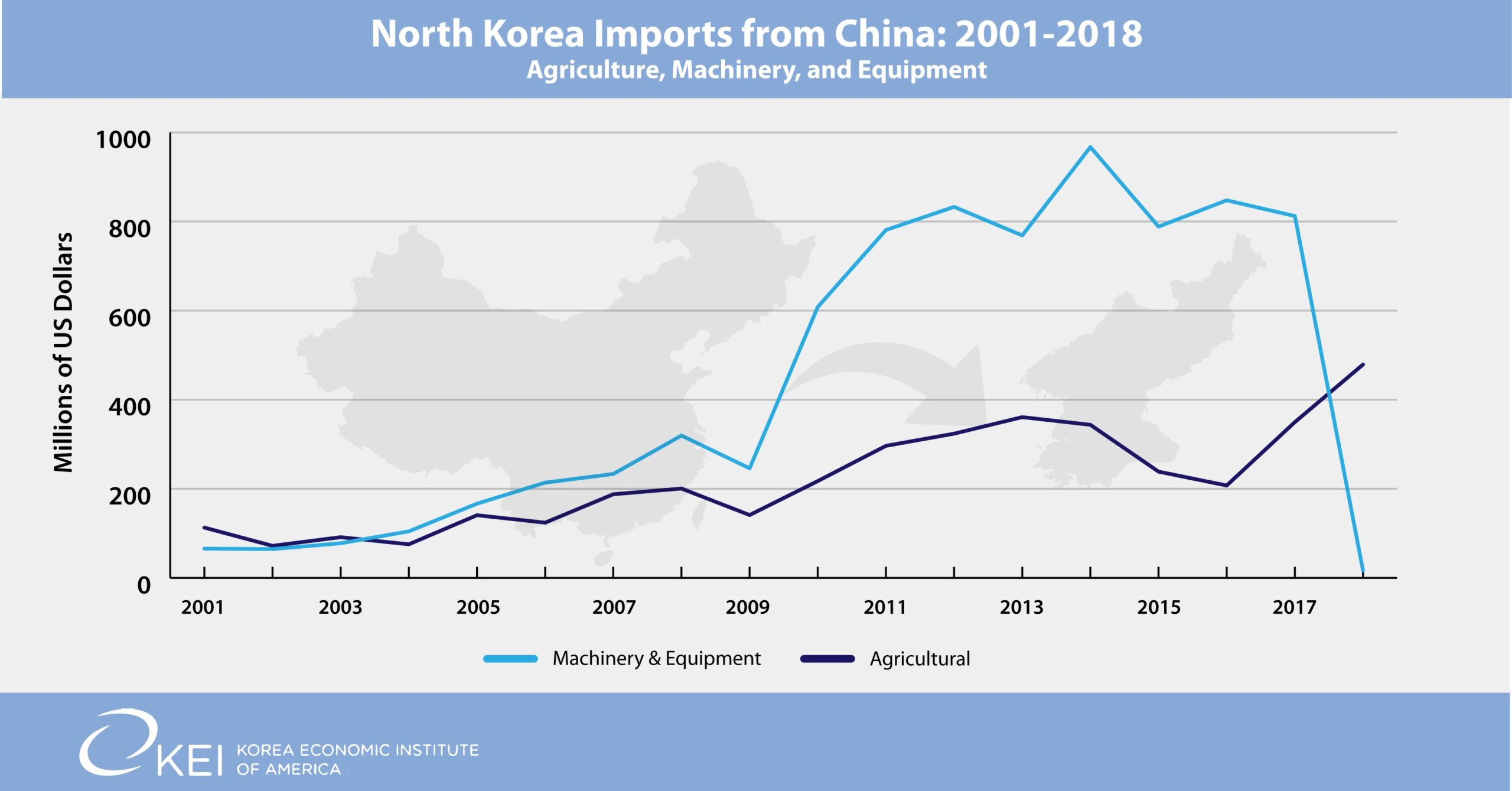
Can sanctions be wiggled like a wrench back and forth to get what we need from North Korea, not only on nuclear issues but economic reforms as well.
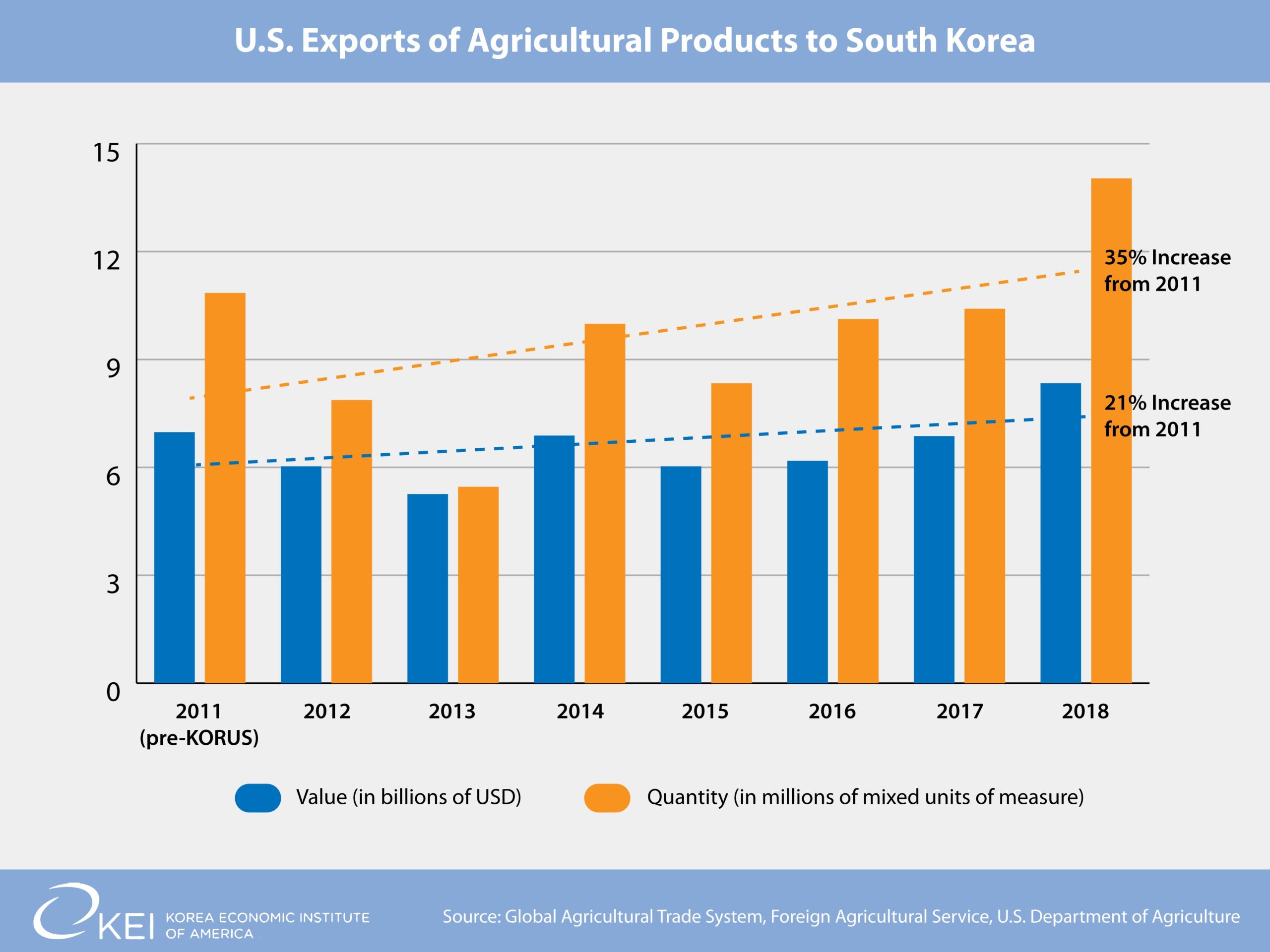
The U.S. exported record levels of agricultural products to Korea, going from nearly $7 billion in 2011 to a record $8.3 billion in 2018.

As we reflect on the success of the KORUS FTA, it is important to also remember that other factors may influence future economic behavior.
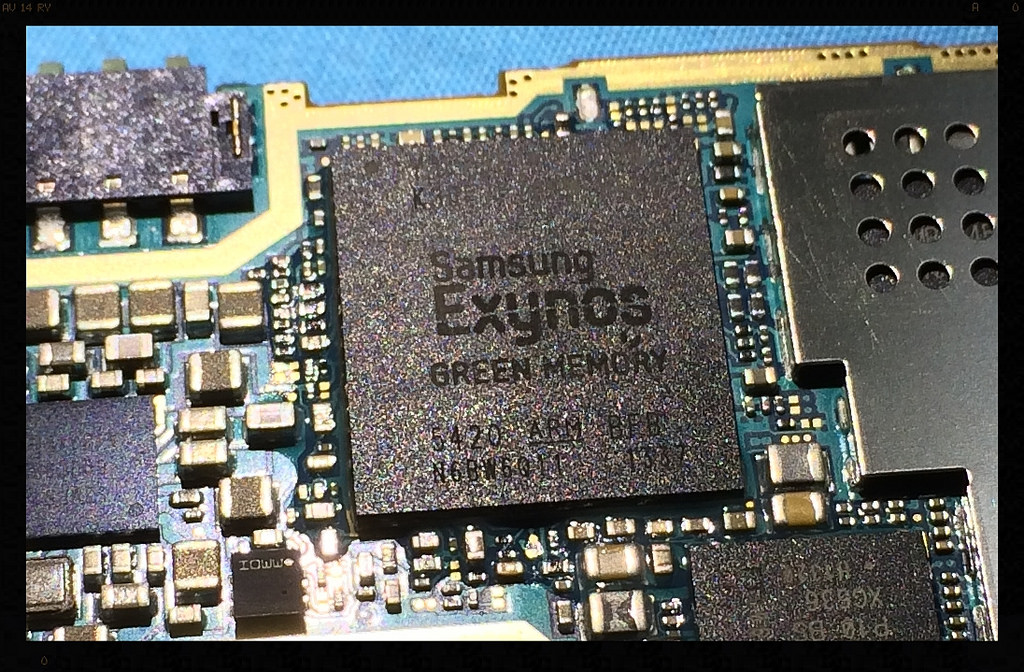
Samsung has taken a step toward supplying processing chips for next-generation vehicles, which also lessens U.S.-China trade war risks for the company