Views on the Upcoming Moon-Biden Summit from KEI Advisory Council
By KEI Advisory Council President Joe Biden and President Moon Jae-in are scheduled to meet in Washington D.C. on May 21. For President Biden, this…

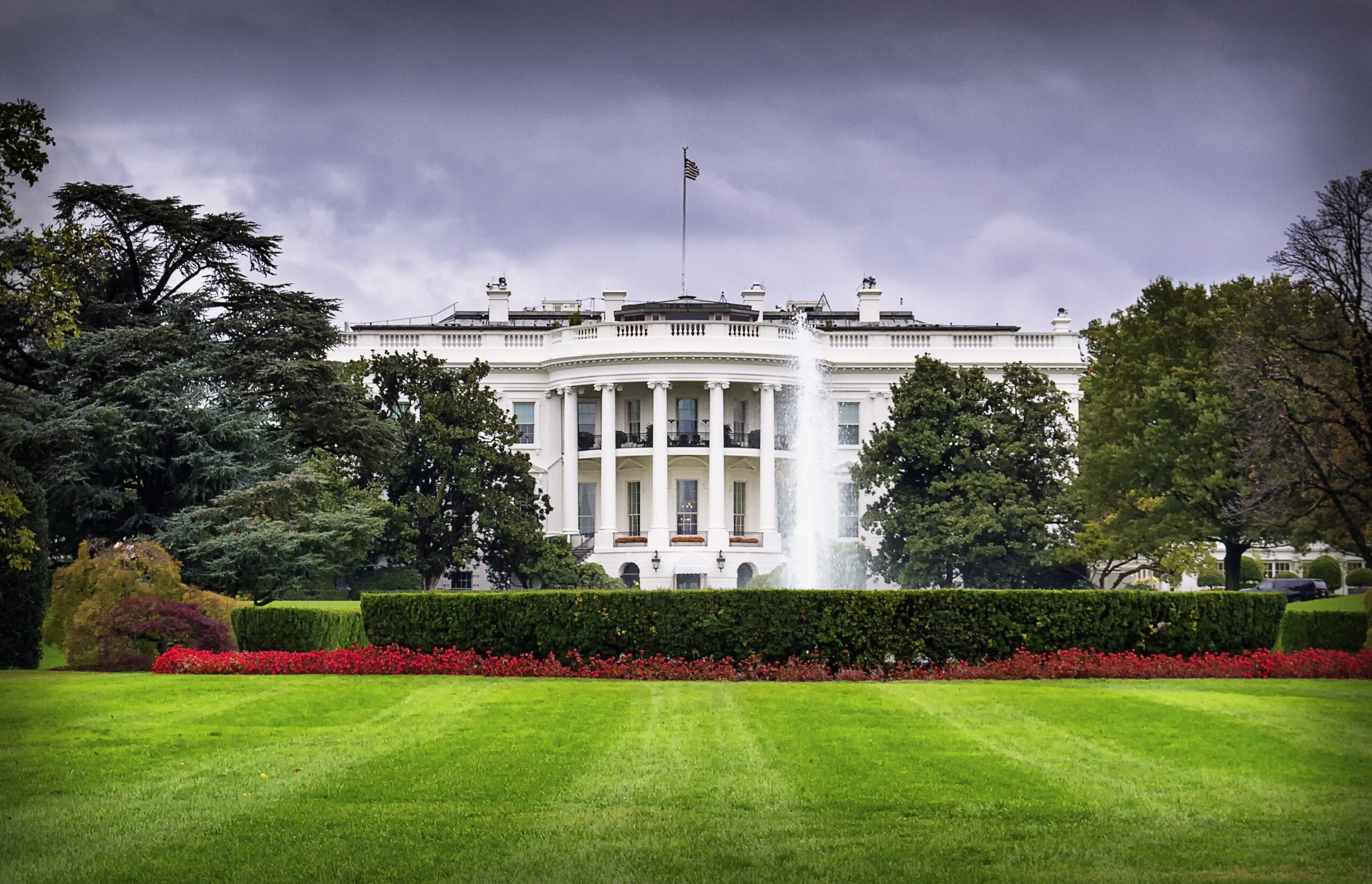
By KEI Advisory Council President Joe Biden and President Moon Jae-in are scheduled to meet in Washington D.C. on May 21. For President Biden, this…

The government of North Korea continues to report that it has no cases of COVID-19. In its most recent submission to the World Health Organization…

South Korea aims to expand trade partnerships with South American countries, building on ongoing efforts to diversify the number of trade partners.

On November 15th, fifteen countries signed the Regional Comprehensive Economic Partnership (RCEP), the world’s largest free trade agreement. It includes the ten ASEAN countries and some…

On Sunday November 15 the countries party to the Regional Comprehensive Economic Partnership (RCEP) announced that trade negotiations had successfully concluded after several years of…

North Korea’s decision to enact strict border controls at the onset of the COVID-19 outbreak in China continues to have a significant effect on trade.
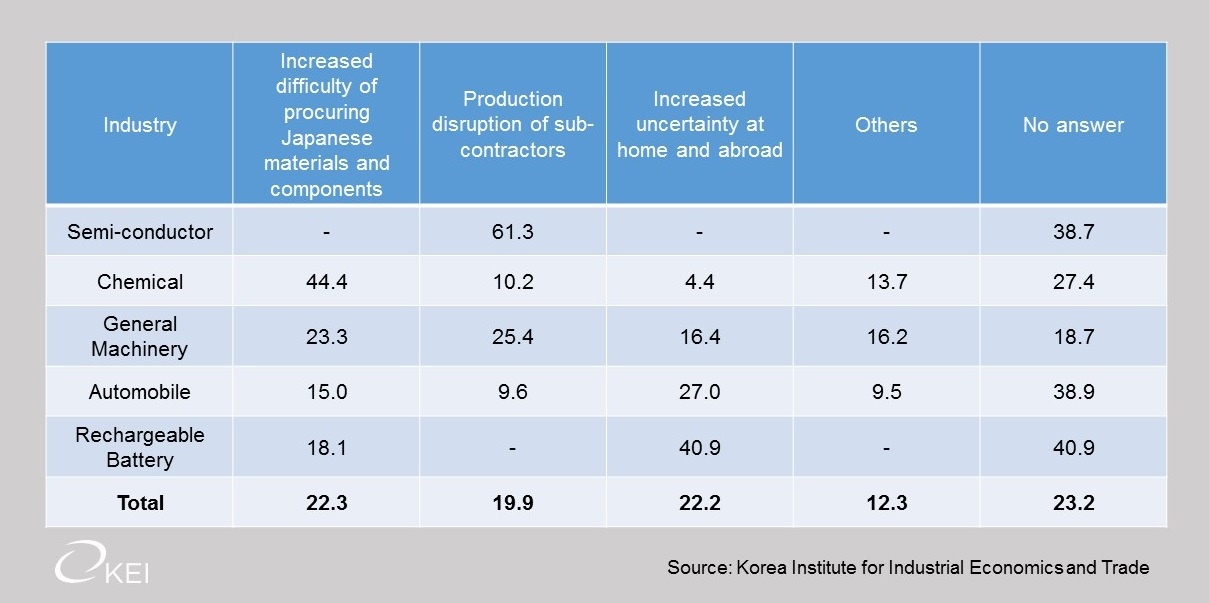
The economic success of the Asia-Pacific has rested in no small measure on its finely-tuned supply chains.
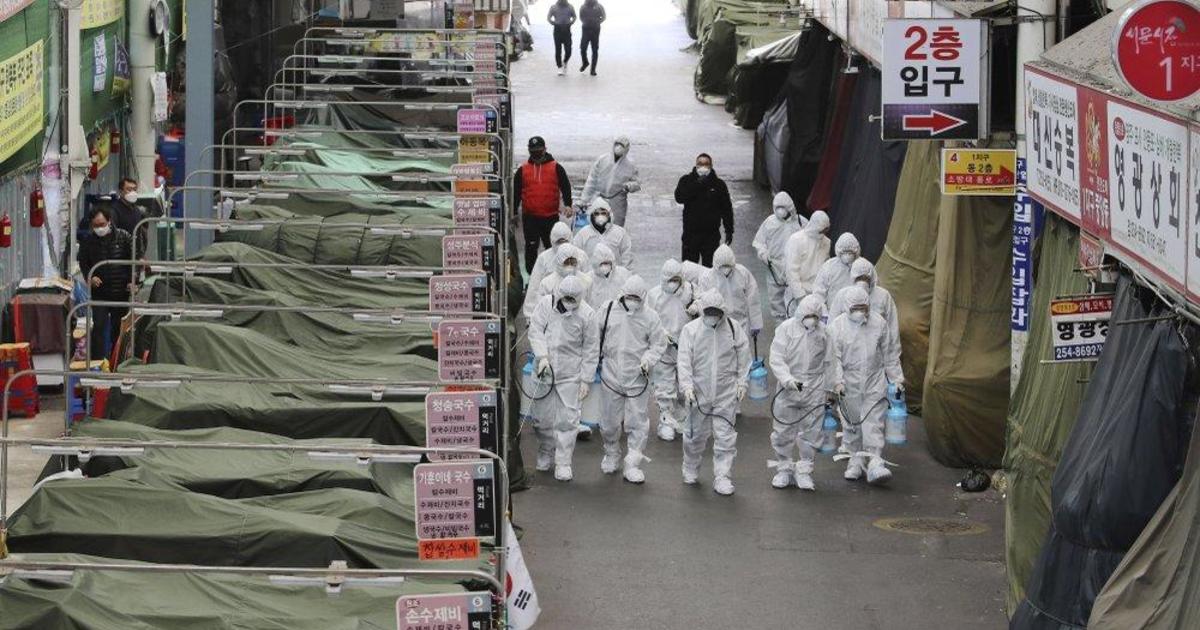
The response to the global pandemic has helped shift the narrative around small and medium enterprises, presenting them as more efficient exporters than their larger peers.
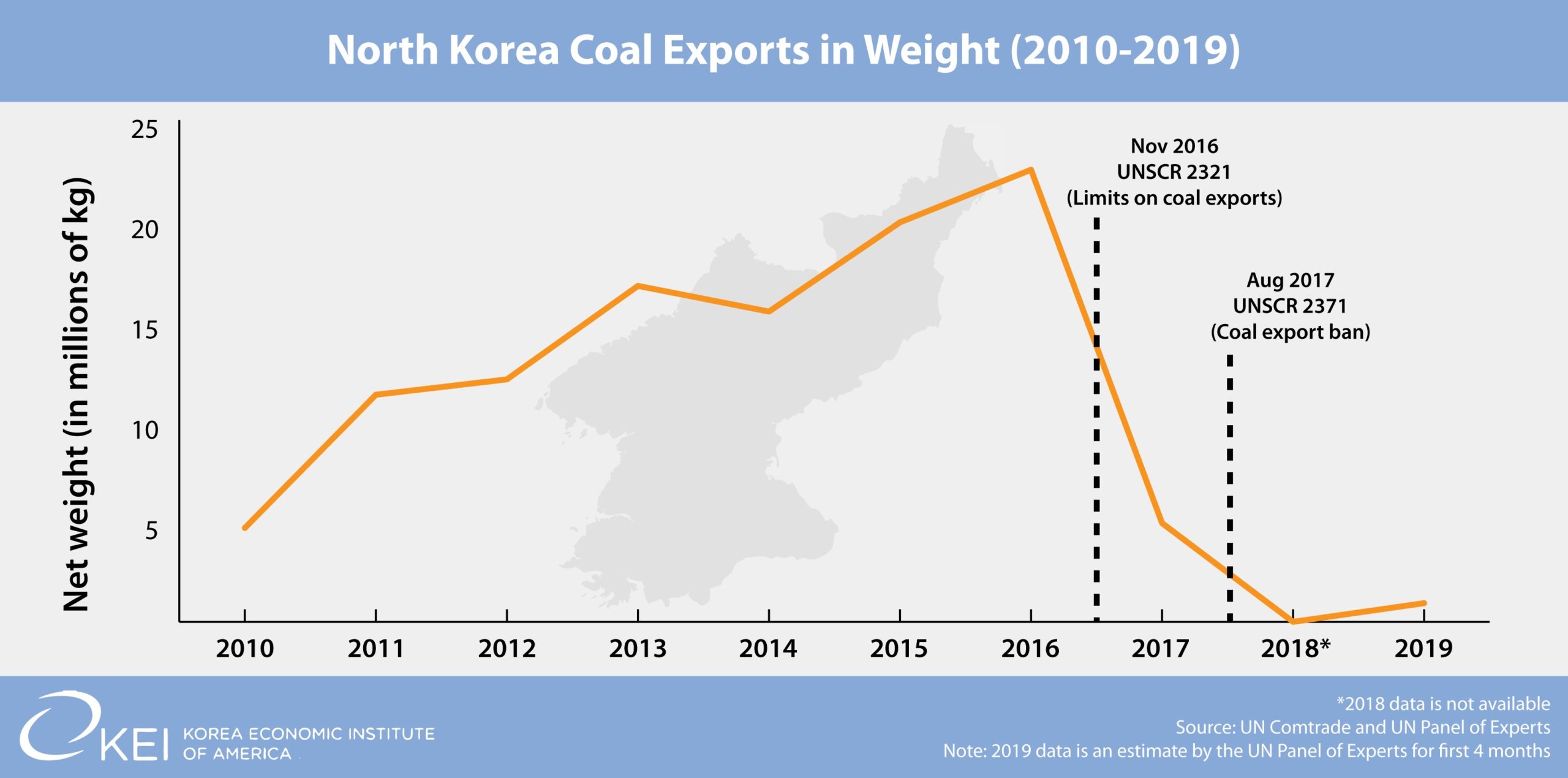
North Korea’s trade deficit can be partially explained by the revenue generated from Pyongyang’s illicit exports of coal exports.
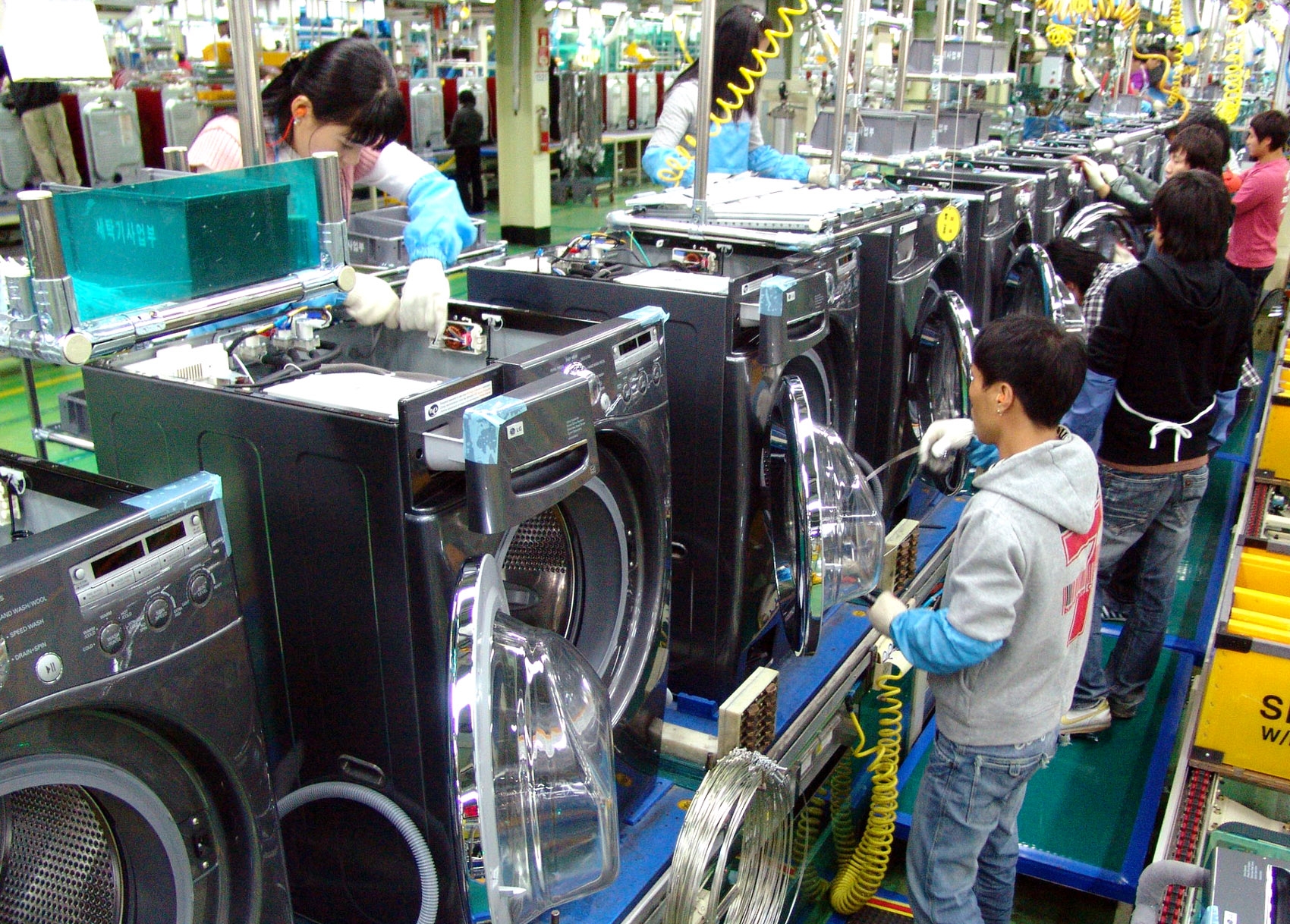
Economic uncertainties created by the coronavirus revealed that skilled workers in the manufacturing sector face more risks than other groups in the labor market.