The Next South Korean Administration and Relations with Latin America
From both strategic and economic stances, it is critical that the future South Korean administration continue to expand trade and investments in Latin America.


From both strategic and economic stances, it is critical that the future South Korean administration continue to expand trade and investments in Latin America.
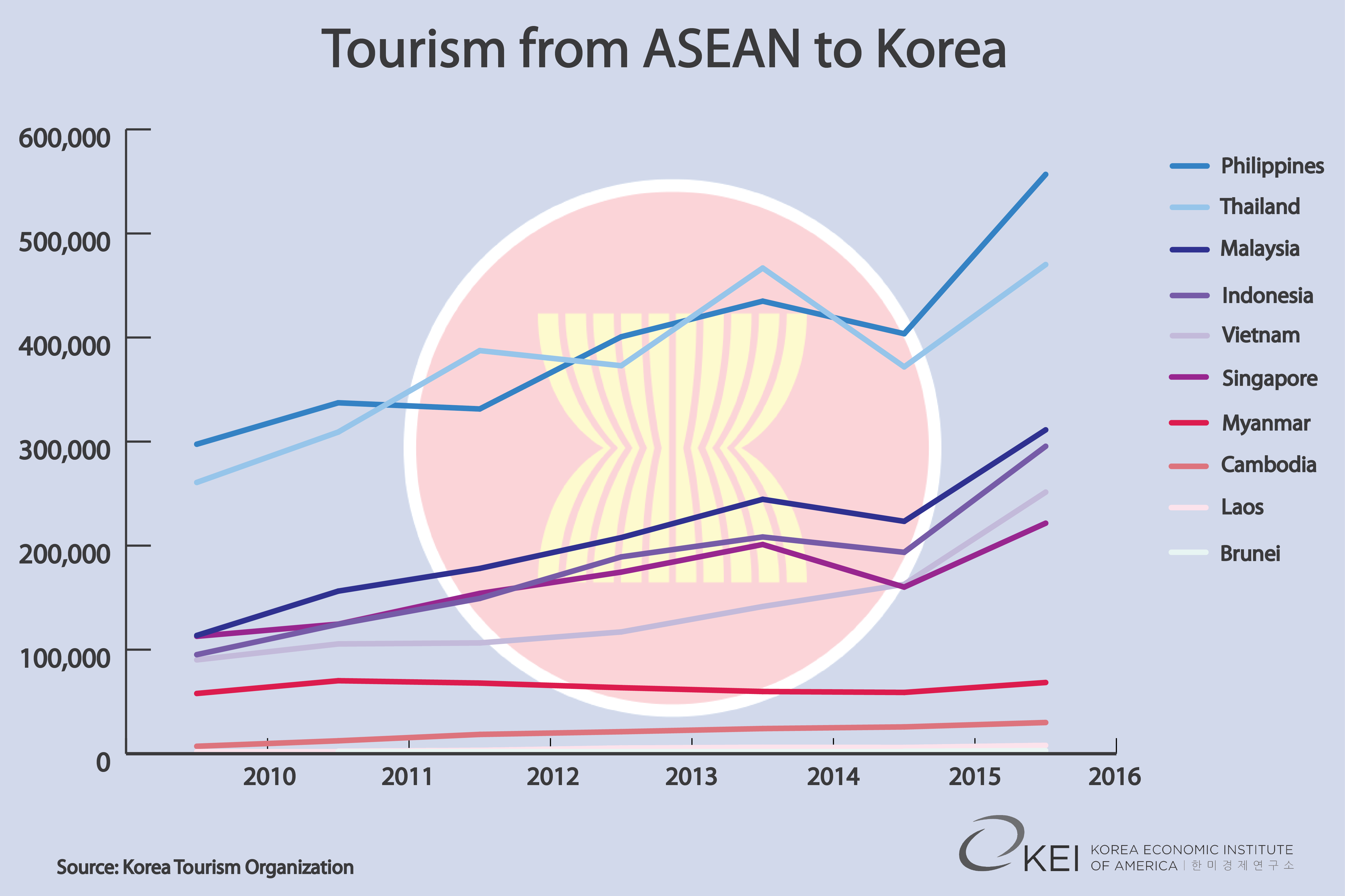
Since establishing a Sectoral Dialogue Partnership with the Association of Southeast Asian Nations (ASEAN) in 1989, South Korea has rapidly expanded its diplomatic ties, economic partnerships, and development assistance efforts in Southeast Asia.
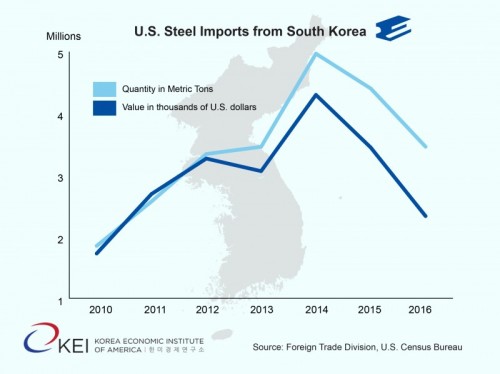
On April 20, 2017, President Donald Trump signed a memorandum for the Secretary of Commerce, Wilbur Ross, directing him to conduct a “Section 232” investigation into the national security implications of steel imports.
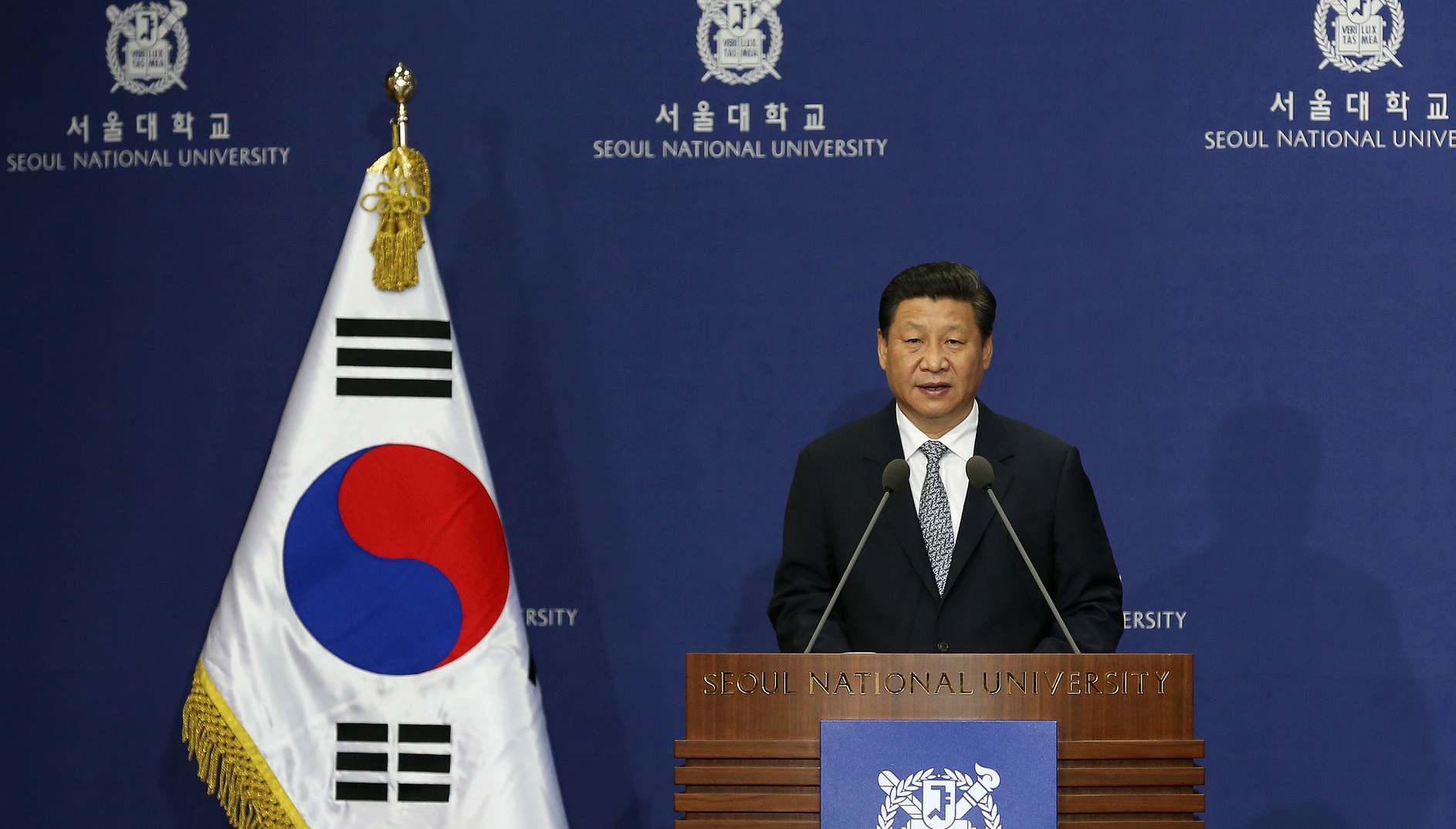
A question frequently asked is whether the next South Korean administration will tilt towards China and away from the United States, based on Seoul’s purportedly shifting perception of the relative importance of the two countries. In reality, it is not helpful to judge whether the United States or China are more important to the Republic of Korea. There is no simple reply to the general question and, honestly, there is no reason to answer it.
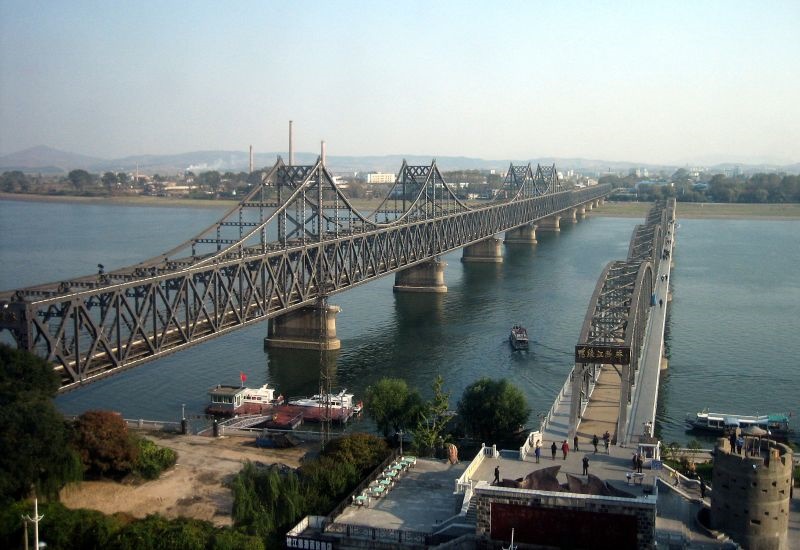
Full first quarter data on trade between North Korea and China is not yet available, but data released by China’s General Administration of Customs raises interesting questions in regards to ongoing trade between China and North Korea.
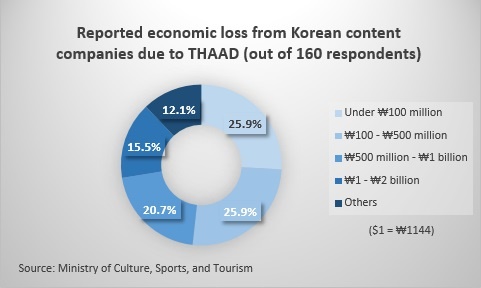
Ever since the decision last summer to install THAAD on the Korean peninsula, China has strongly opposed the system. But instead of keeping the dispute in the political sphere, China has started to show its ire by imposing sanctions on Korean pop culture (Hallyu) content.
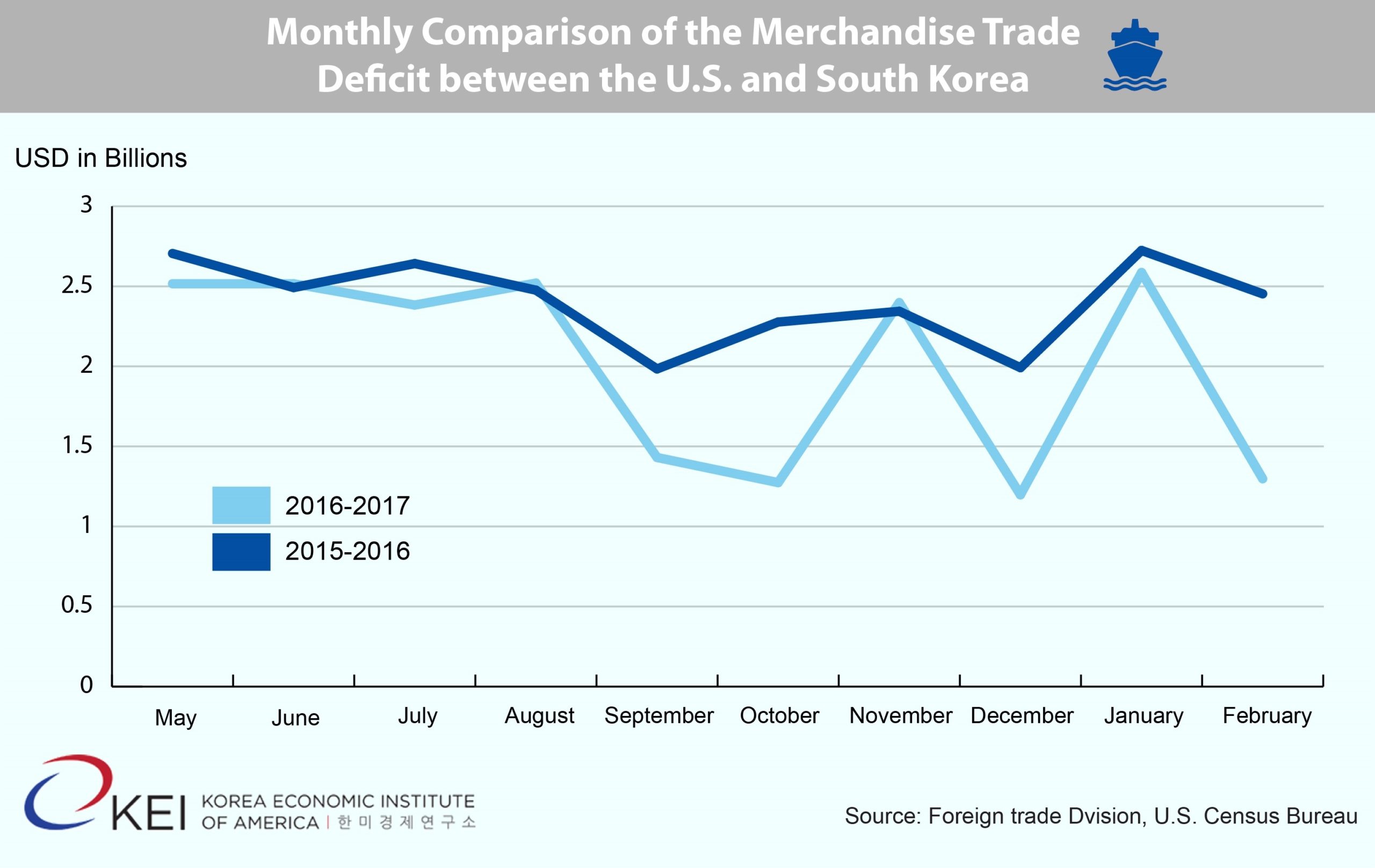
Recent statistics released by the Foreign Trade Division of the U.S. Census Bureau show an improvement in the trade balance with South Korea in favor of the United States.
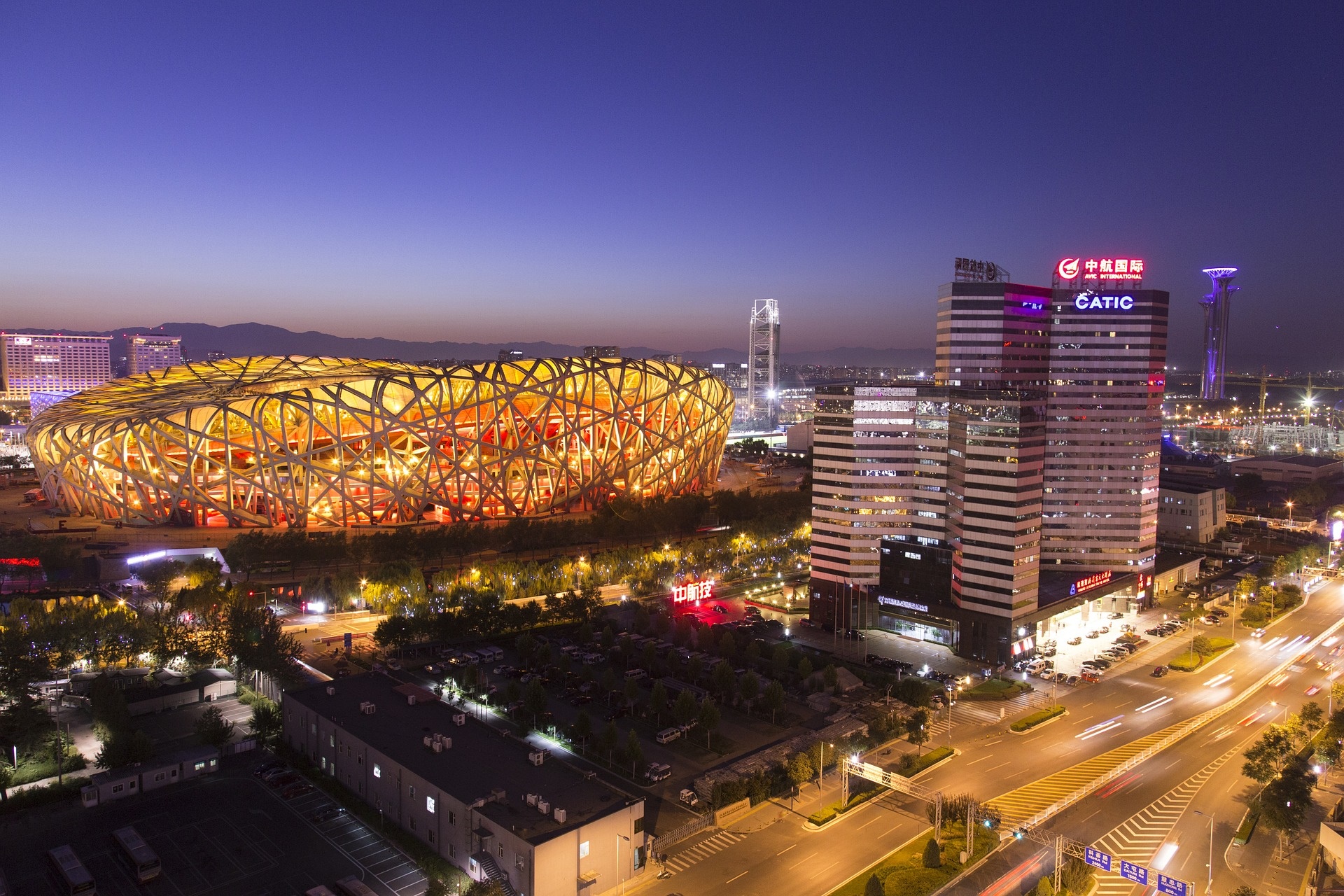
Since South Korea announced the deployment of THAAD, China has been harassing South Korea through various channels.
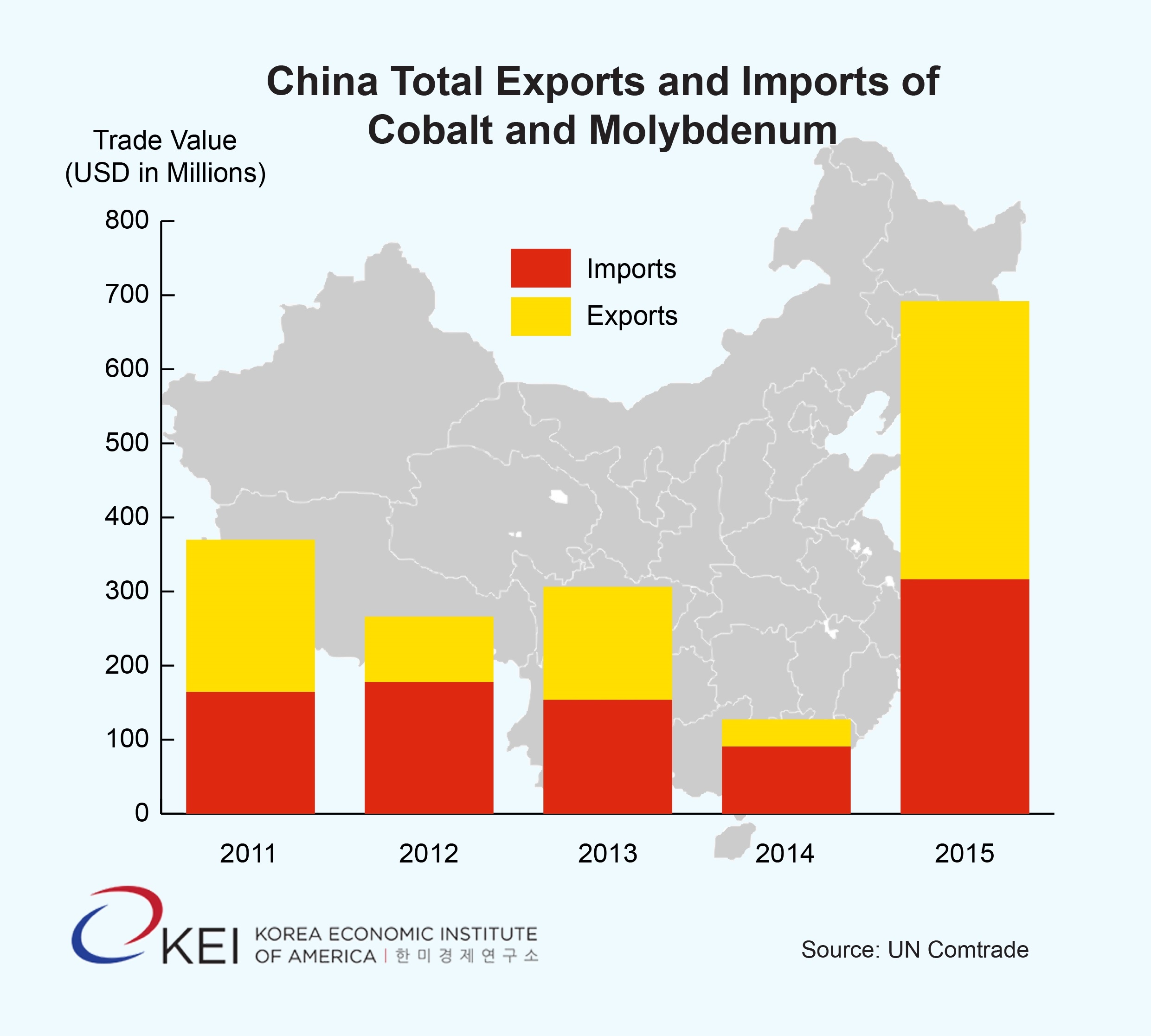
Much like China’s undeclared sanctions against South Korea for the deployment of THAAD (Terminal High Altitude Area Defense), North Korea may be doing the same to China.
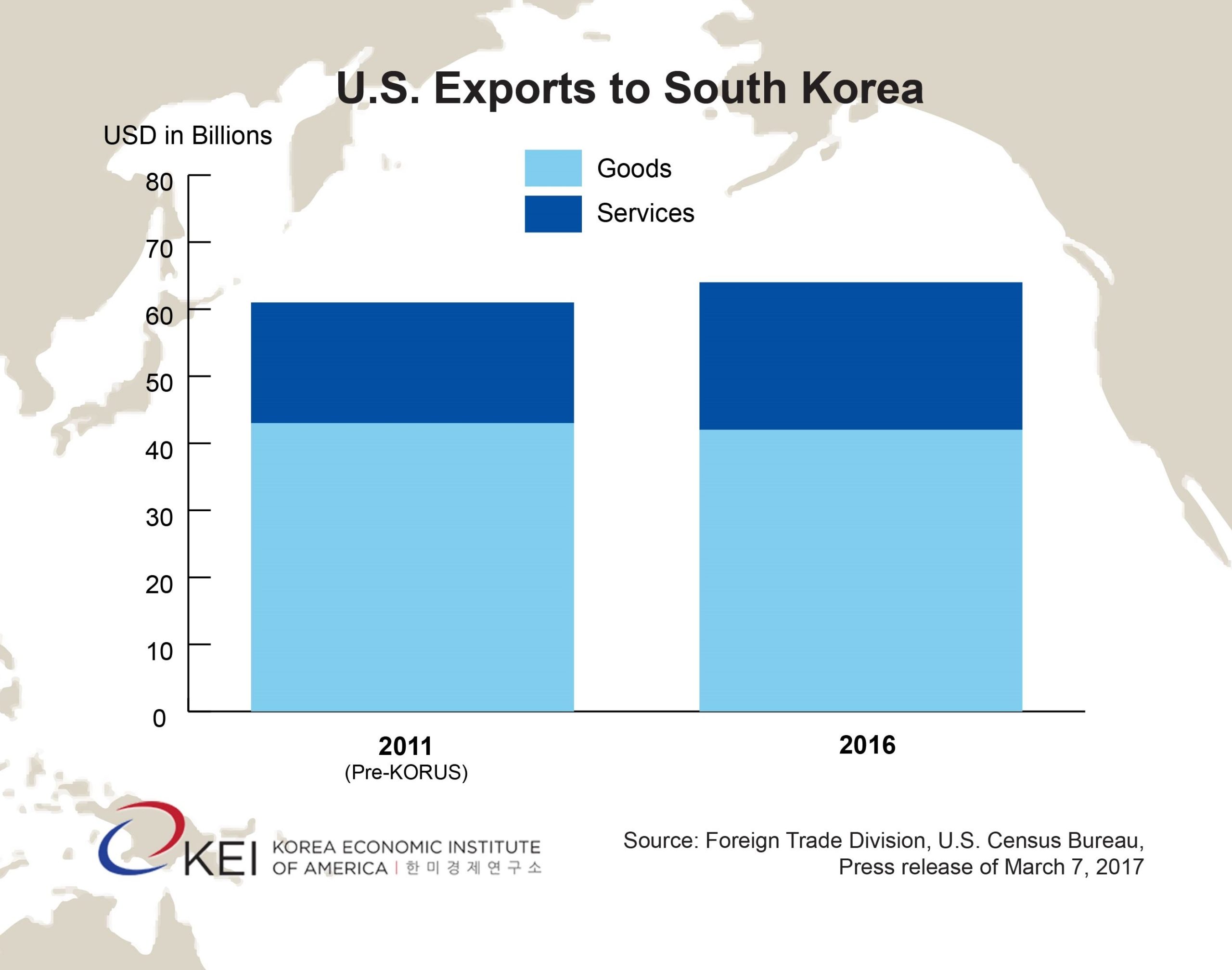
U.S. services exports to Korea hit a record level of $21.55 billion in 2016, which contributed to producing the highest trade surplus in services ($10.7 billion) for the United States in the history of U.S.-South Korea trade relations.