New Year’s 2017 in Pyongyang: Self-Reliance by Necessity or Design?
Even Kim Jong-un seemed a little melancholy in his New Year’s speech, reflecting perhaps the sad state of international affairs everywhere this winter.
After the U.S. presidential election, many experts were concerned about the policies of the new U.S. administration and how they might affect East Asia and the Korean economy in particular.
Whether it was the British vote to leave the European Union in June or the impeachment of the South Korean President Park Geun-hye in December, 2016 will be remembered for a series of unexpected events and the questions they have raised about how they may shape the future.
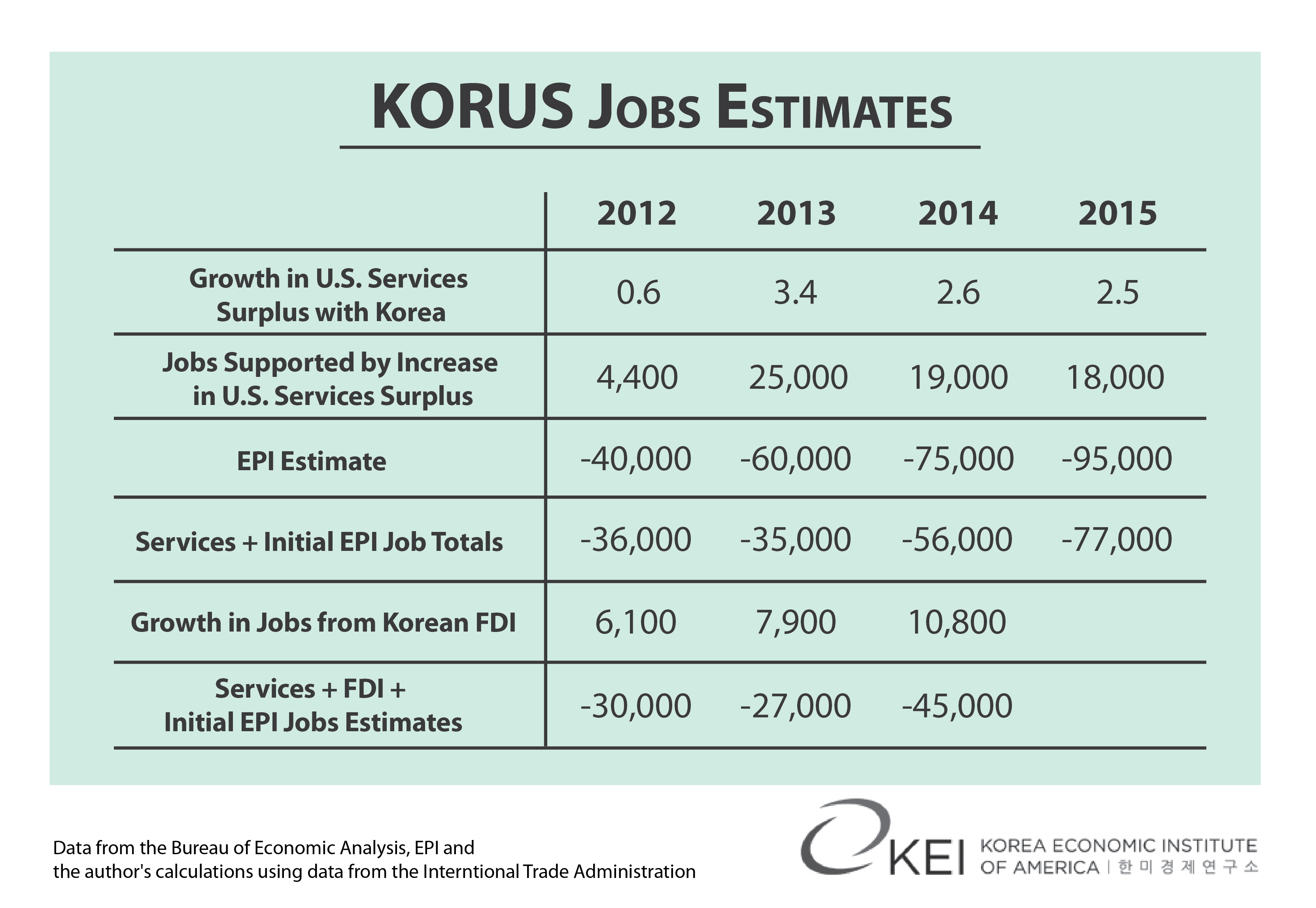
When looking at jobs and the KORUS FTA there are three additional factors to consider – trade in services, foreign direct investment, and items covered by the KORUS FTA.
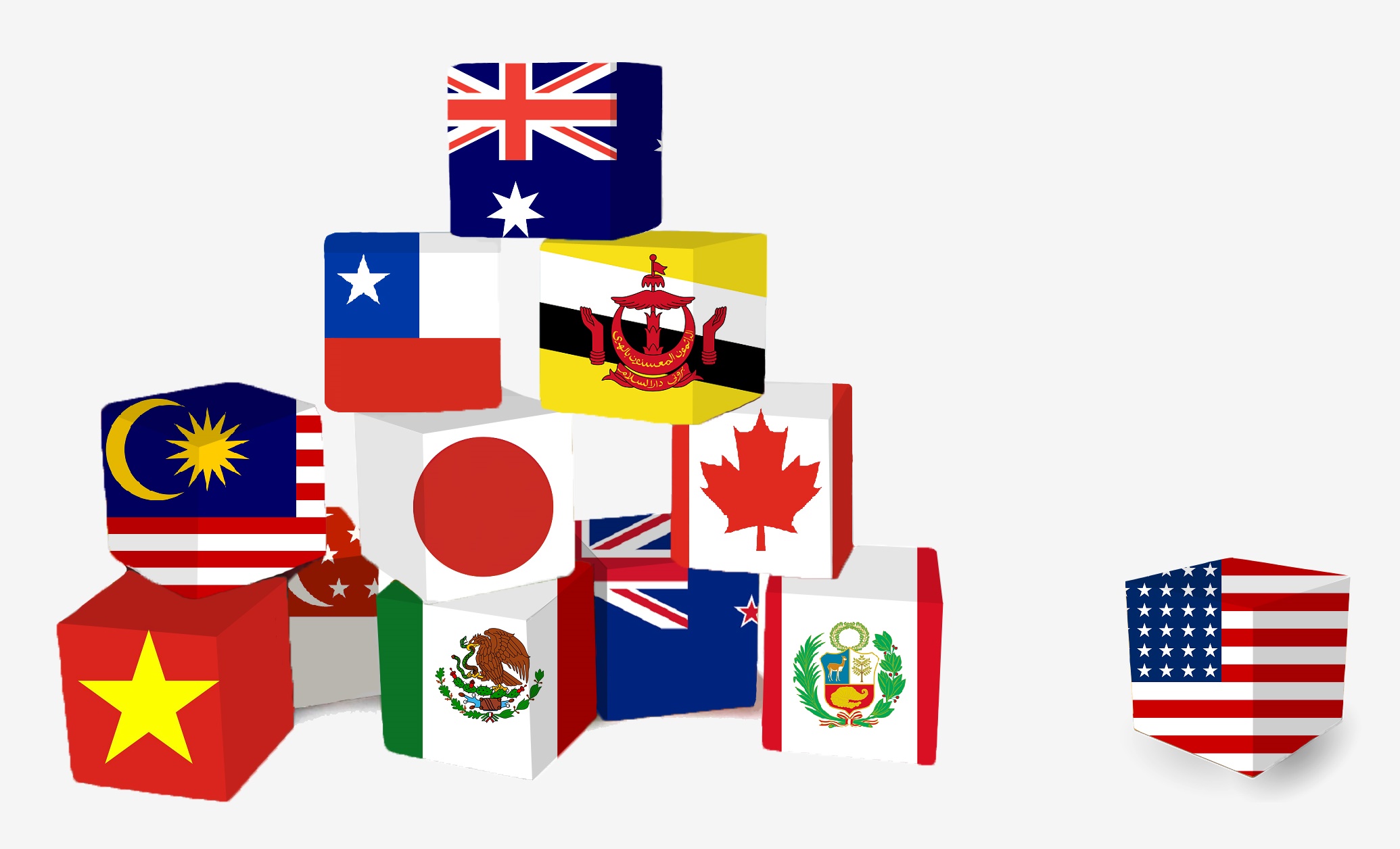
Fulfilling its role as a leading “middle power,” Korea should move to join a rump Trans-Pacific Partnership agreement that would include the eleven nation states who negotiated the TPP with the United States.
Not all is easy for Kim Jong-un as he must soon make important and probably irrevocable decisions with respect to how far he will allow the market economy to expand.
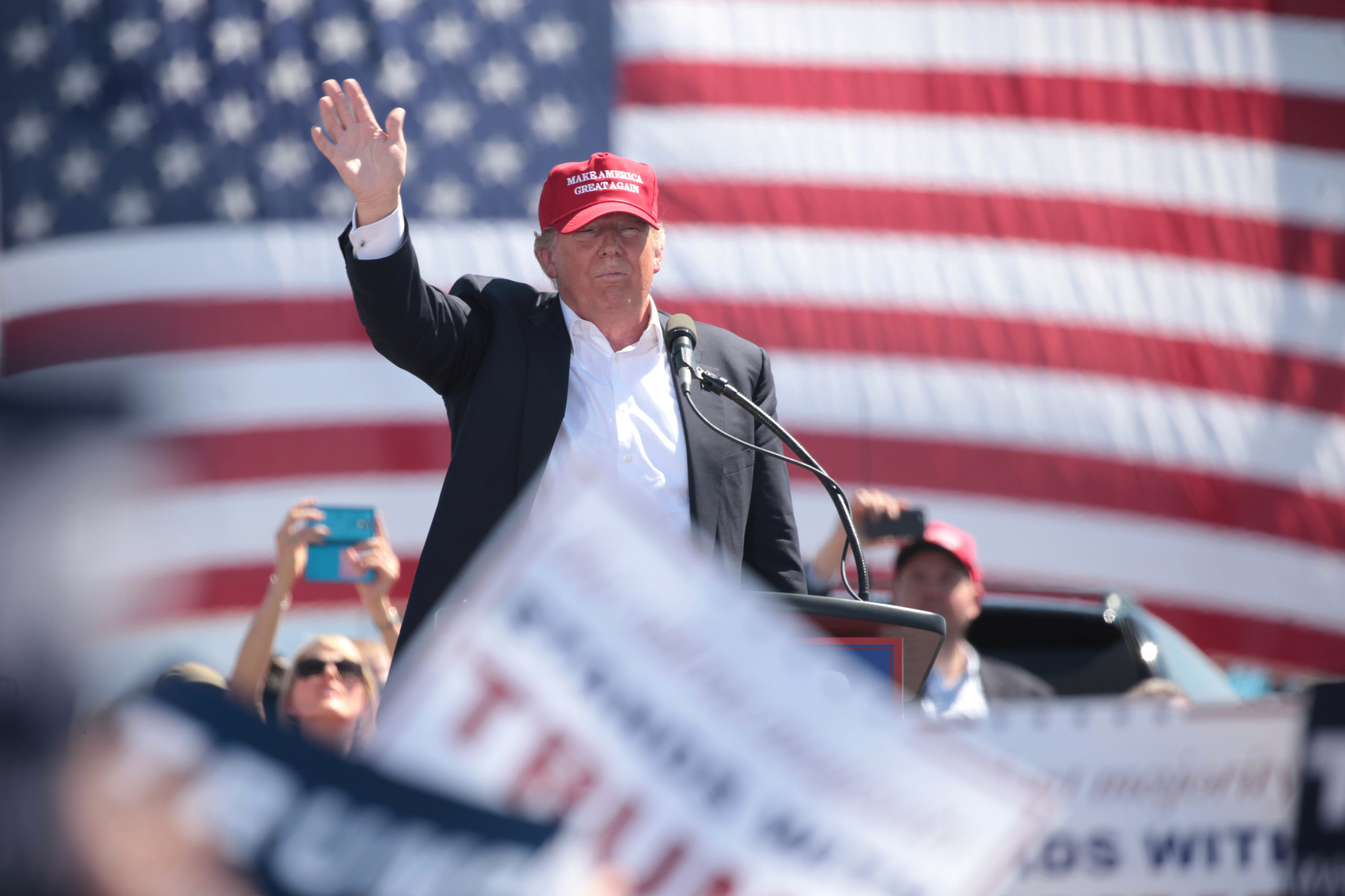
Unlike past U.S. elections, President-elect Donald Trump has made trade a centerpiece of his campaign.
Do claims of the KORUS FTA costing the United States 100,000 jobs hold up?
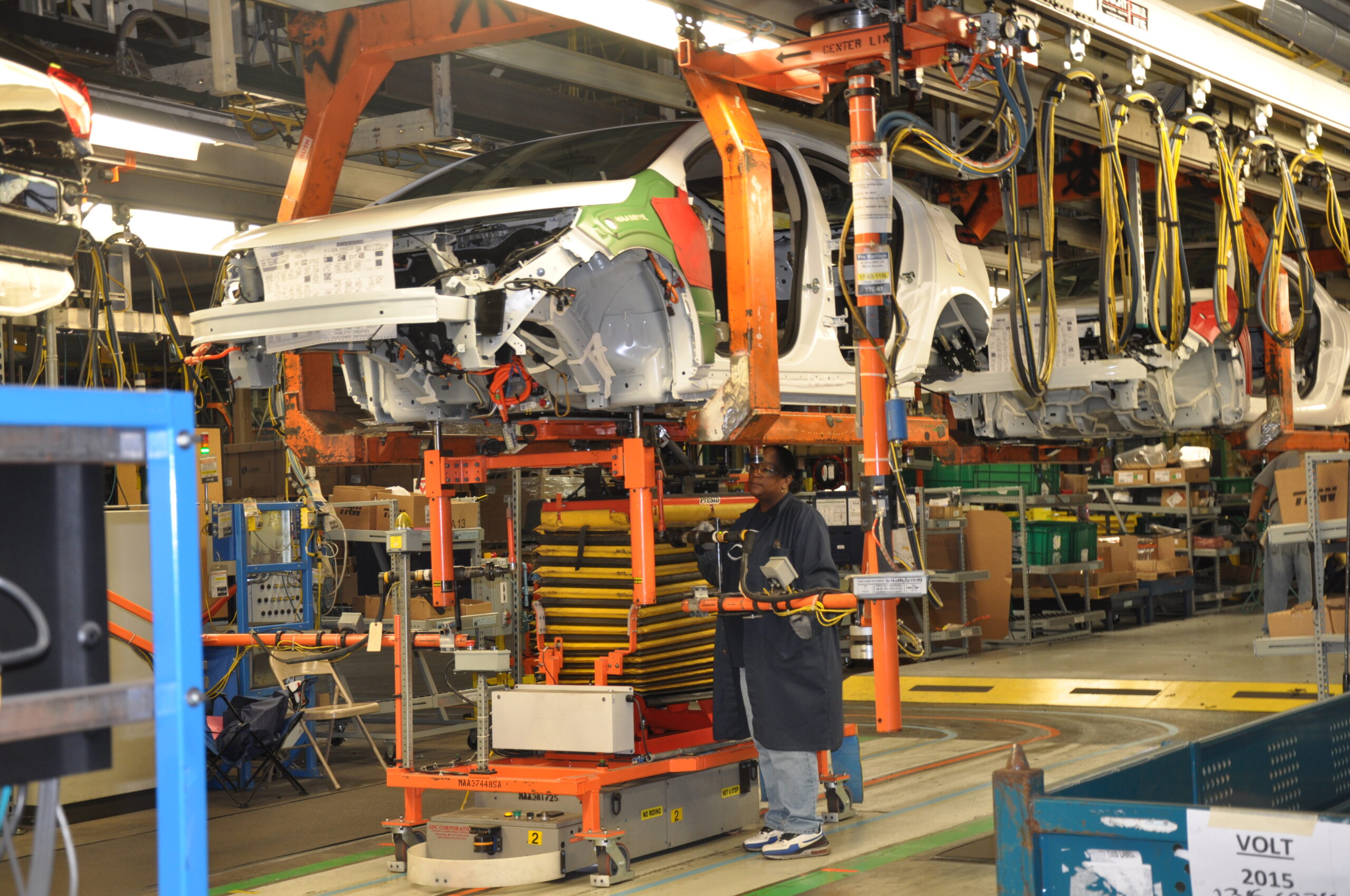
International trade has become a top-tier political issue during this U.S. election cycle that has come together to create a “perfect storm” for candidates at all levels in both political parties.
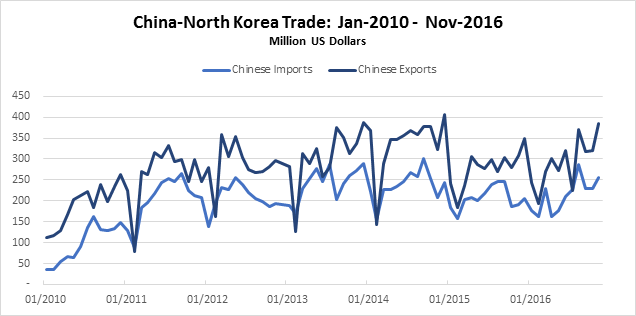
Any hopes that last spring’s “toughest ever” UN Security Council sanctions would cripple North Korea’s economy are likely to be dashed by recently released Chinese customs data.