“Crap Attack” Against South Korea: North Korea Sends Balloons Carrying Trash Across the DMZ
The polemics over leafletting and the “crap attack” balloons are more likely a symptom than a cause of increased inter-Korean tension.

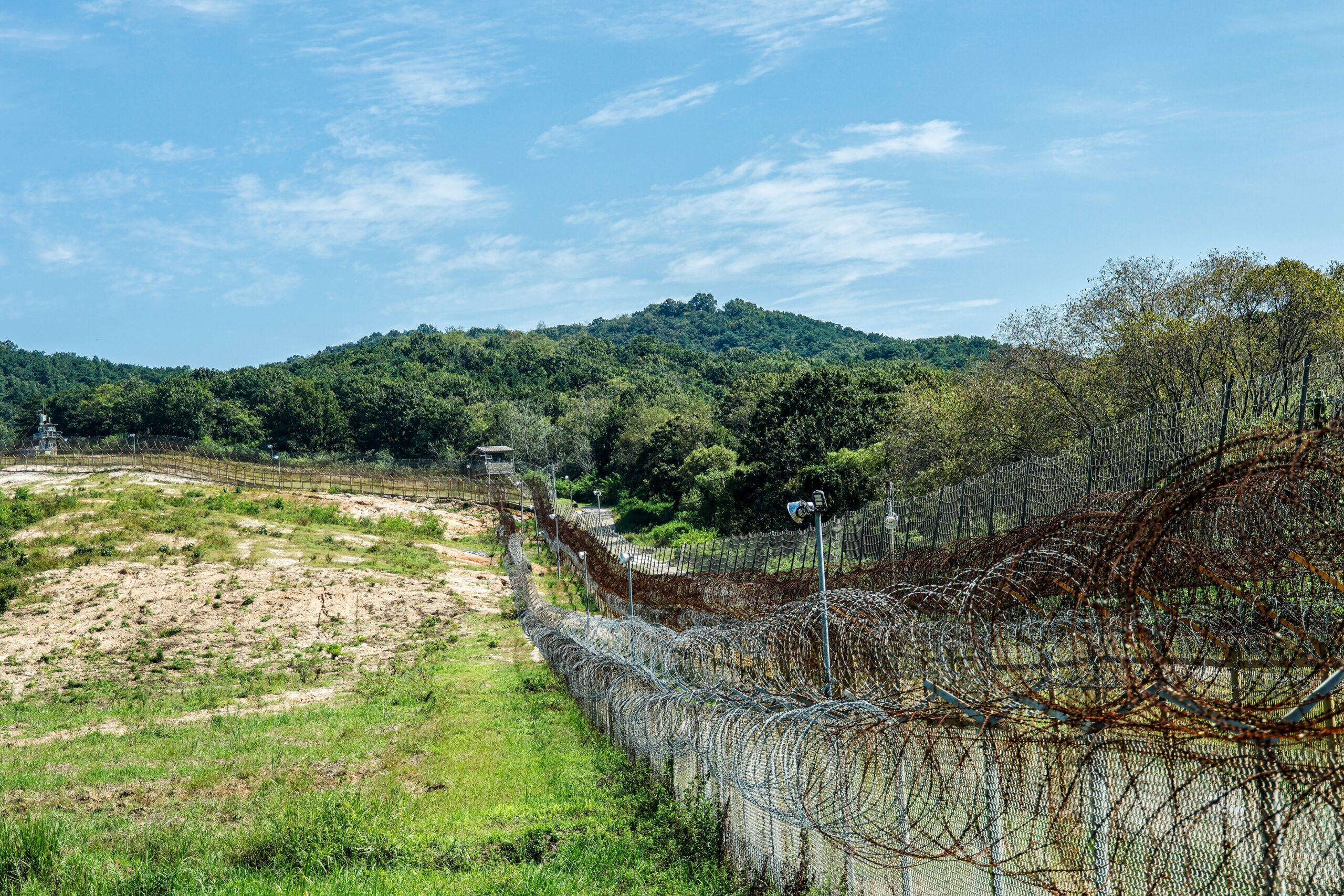
The polemics over leafletting and the “crap attack” balloons are more likely a symptom than a cause of increased inter-Korean tension.
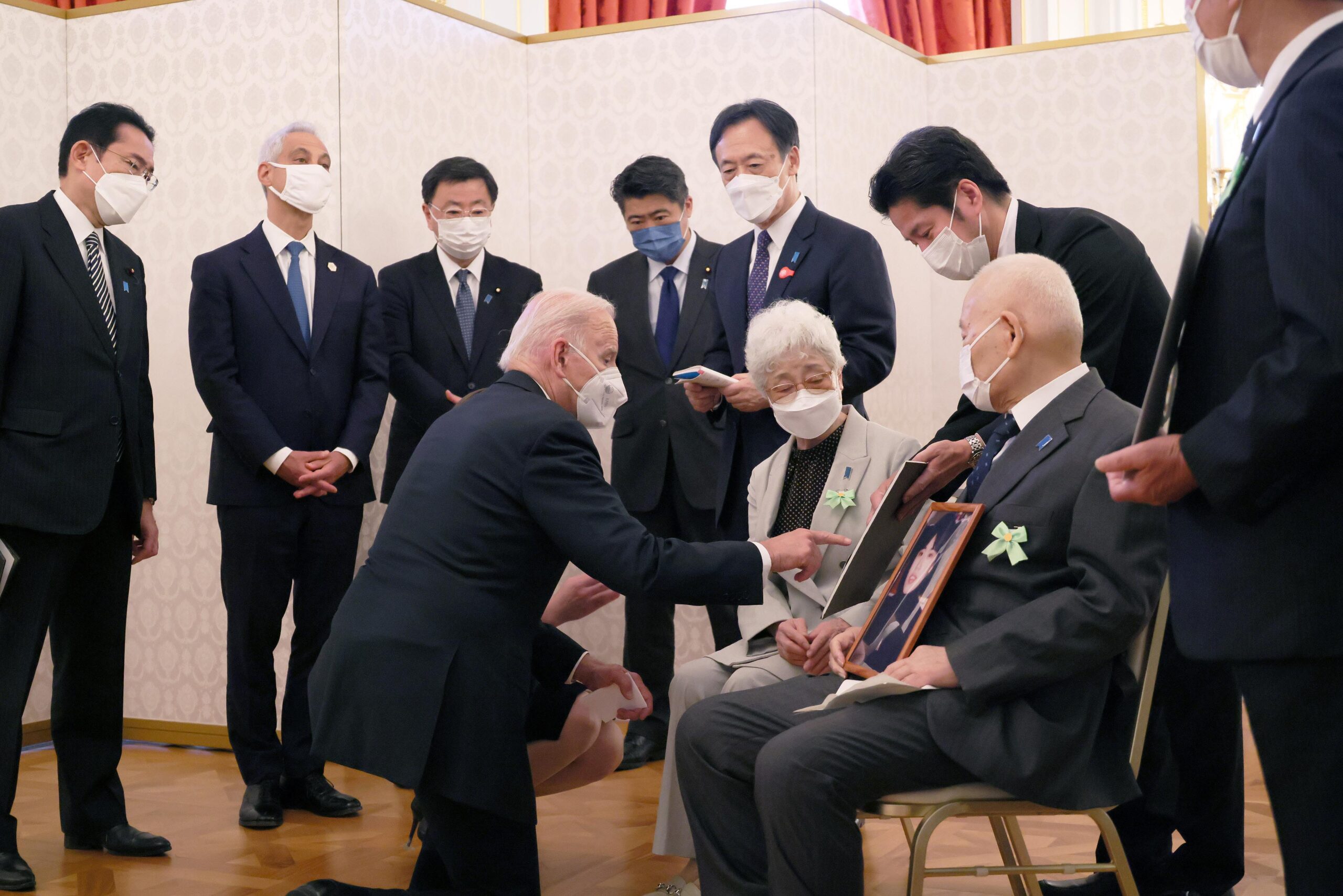
The blatant abduction of Japanese citizens by North Korea around 40 years ago continues to be a sensitive and controversial issue.

The North Korean Human Rights Act reaffirms US policy on North Korea information programs, refugee programs, and humanitarian aid.
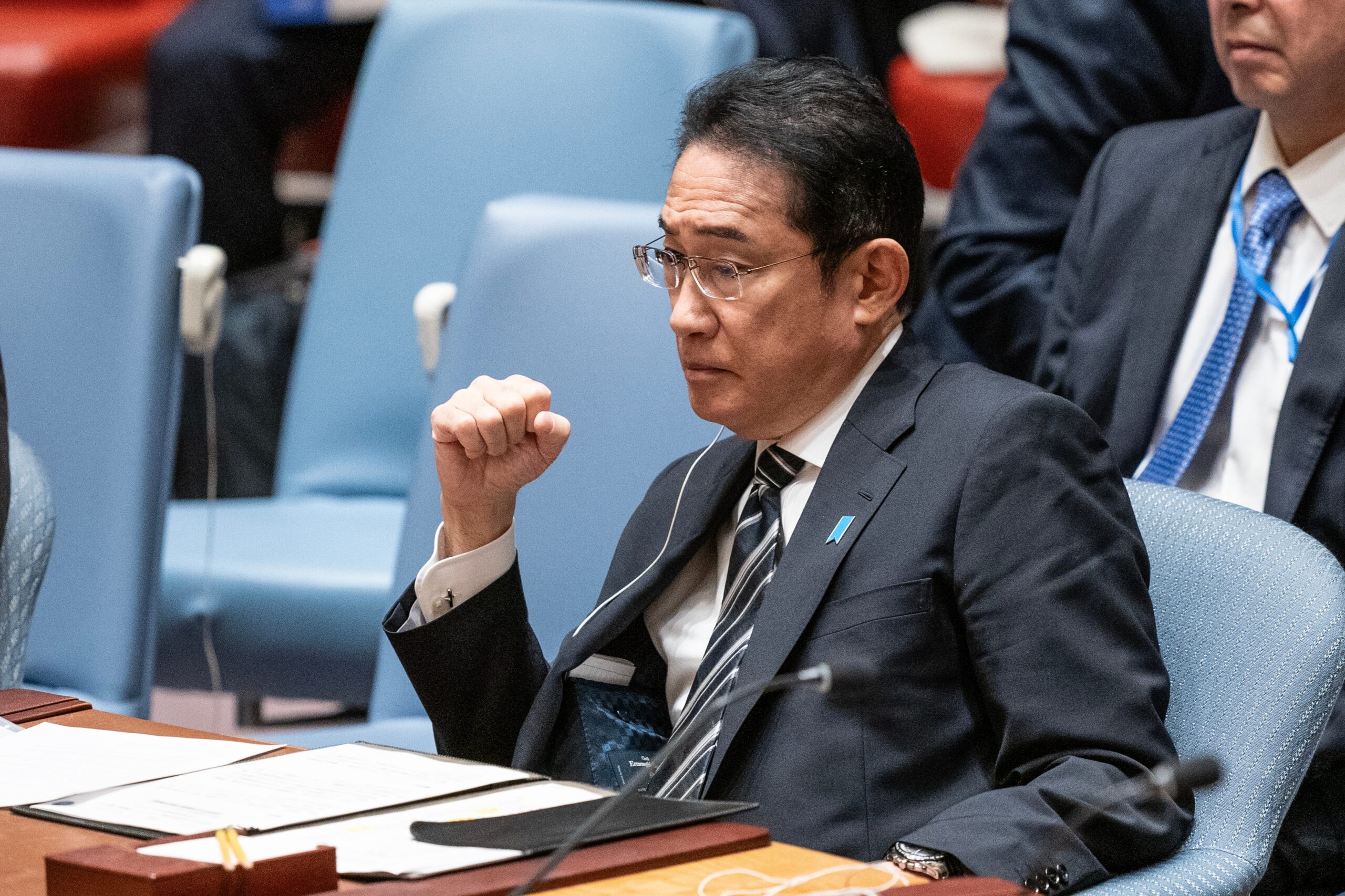
Diplomacy with Pyongyang should be welcomed, but it is difficult to foresee how Japan can realize actual negotiations with North Korea.
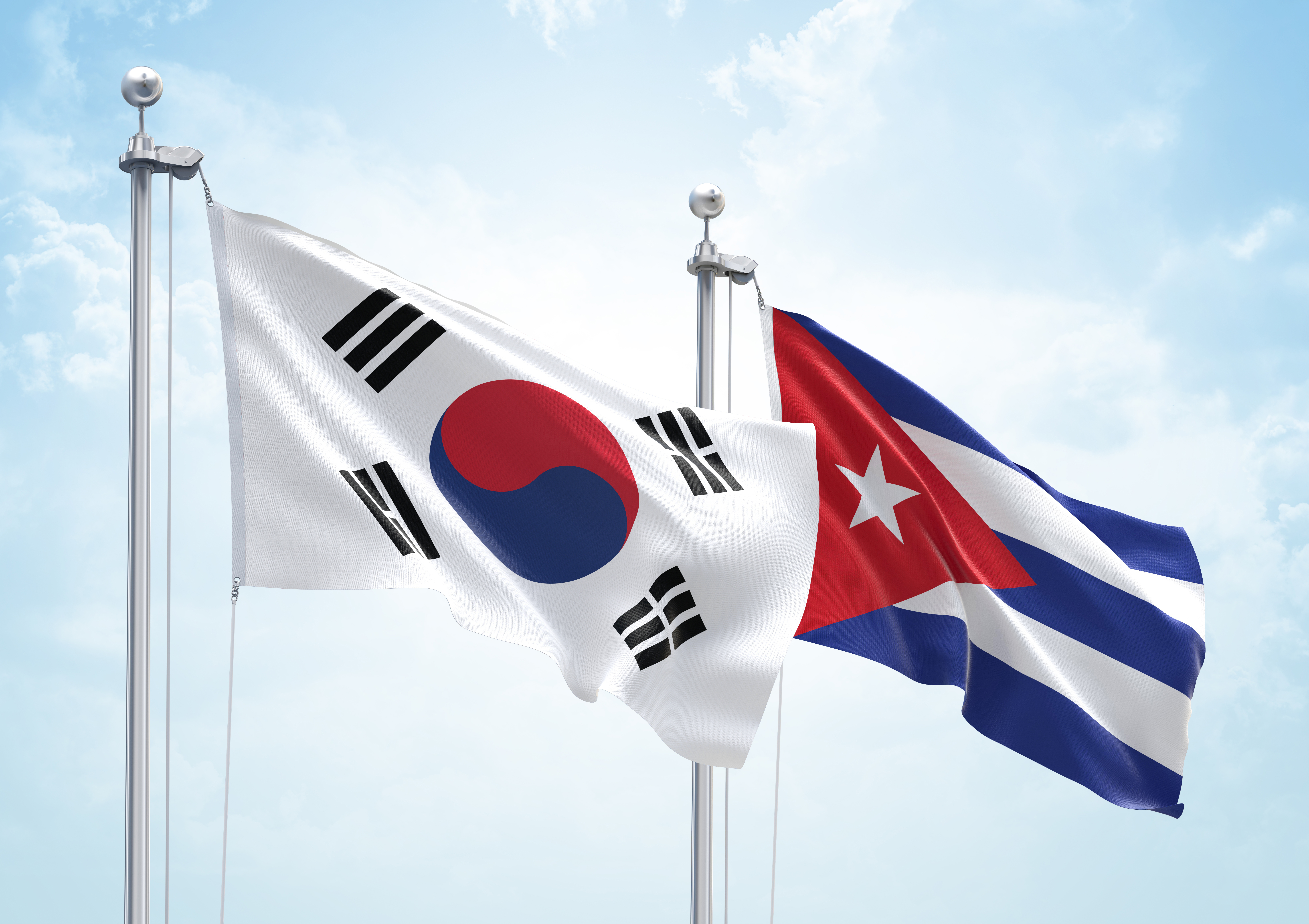
The opening of formal diplomatic contacts between Cuba and South Korea could create problems for the Cuba-North Korea relationship.
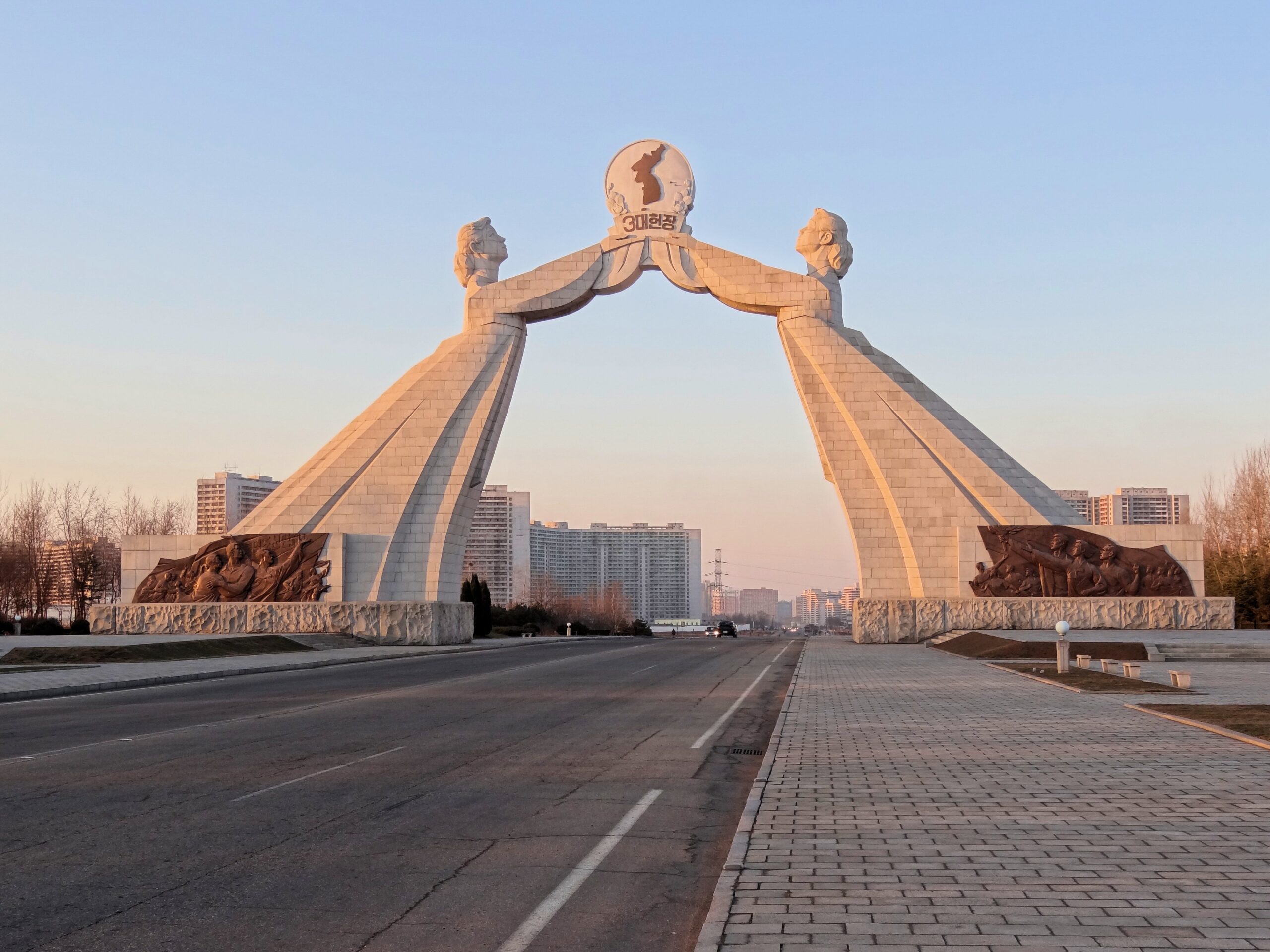
For seventy years, one of the few things agreed upon was the goal of reunifying the Korean Peninsula. No more, at least for now.
In a historic break with a policy of most of the past eight decades, Kim Jong-un’s speech made clear a different policy toward South Korea.
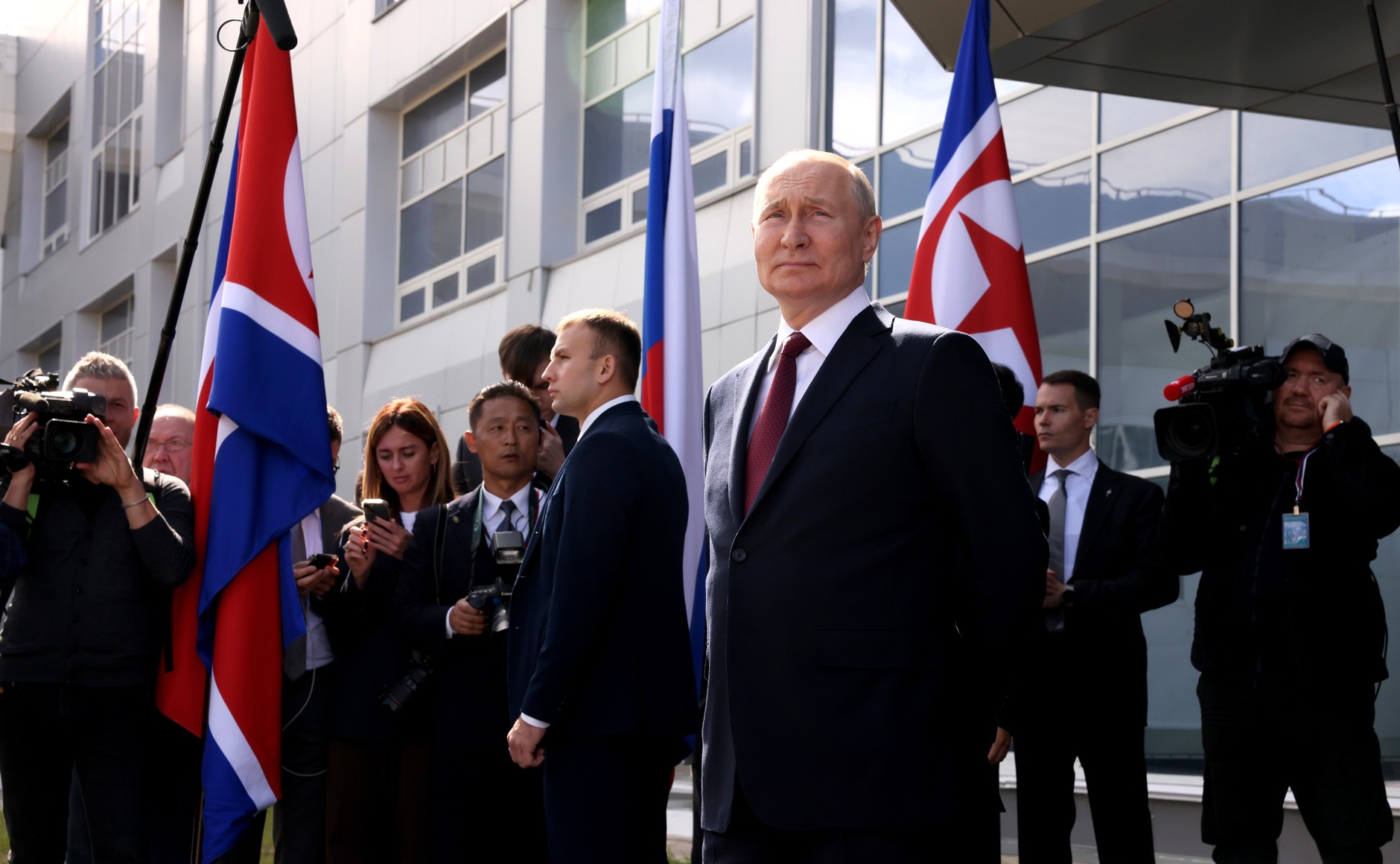
Washington and Seoul must carefully watch how this partnership evolves, and prepare for an even less inhibited North Korea.

China’s forced repatriation of North Koreans who fled their country is a violation of international human rights law.
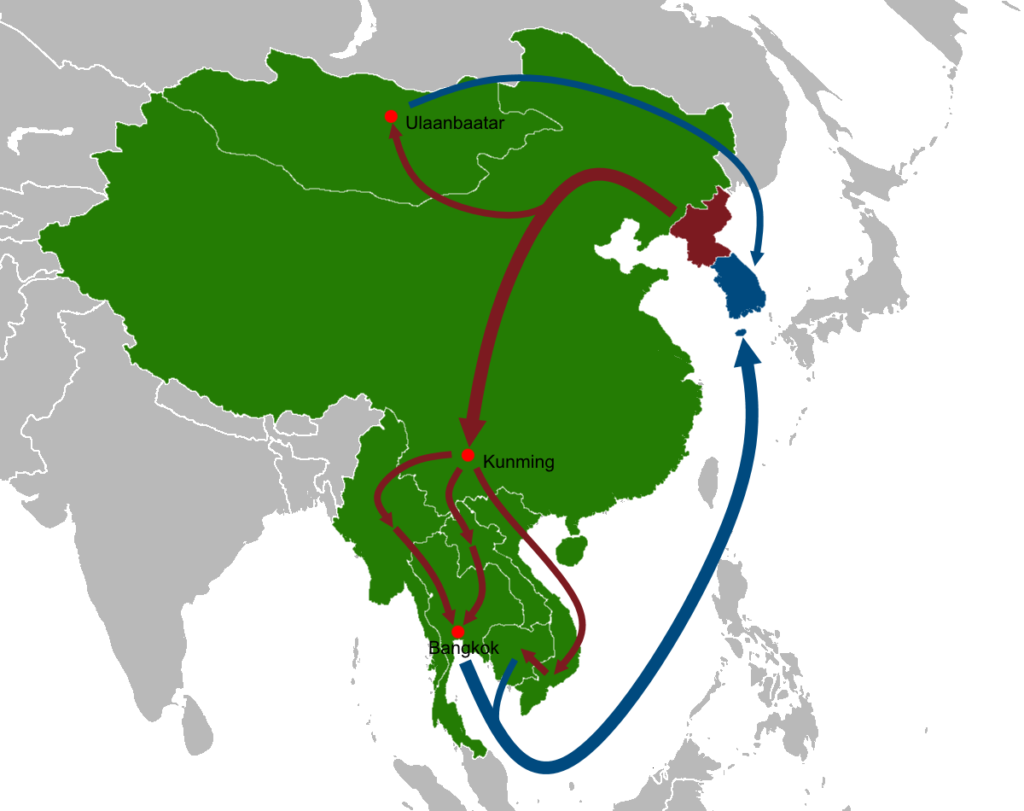
The number of North Korean refugees reaching South Korea has increased; at the same time, China is forcibly returning many to North Korea.