Korea’s Strategic Futures Between Continental and Maritime Powers
Historically, the Korean Peninsula has acted as a pivot over which continental and maritime powers vie for control and influence.

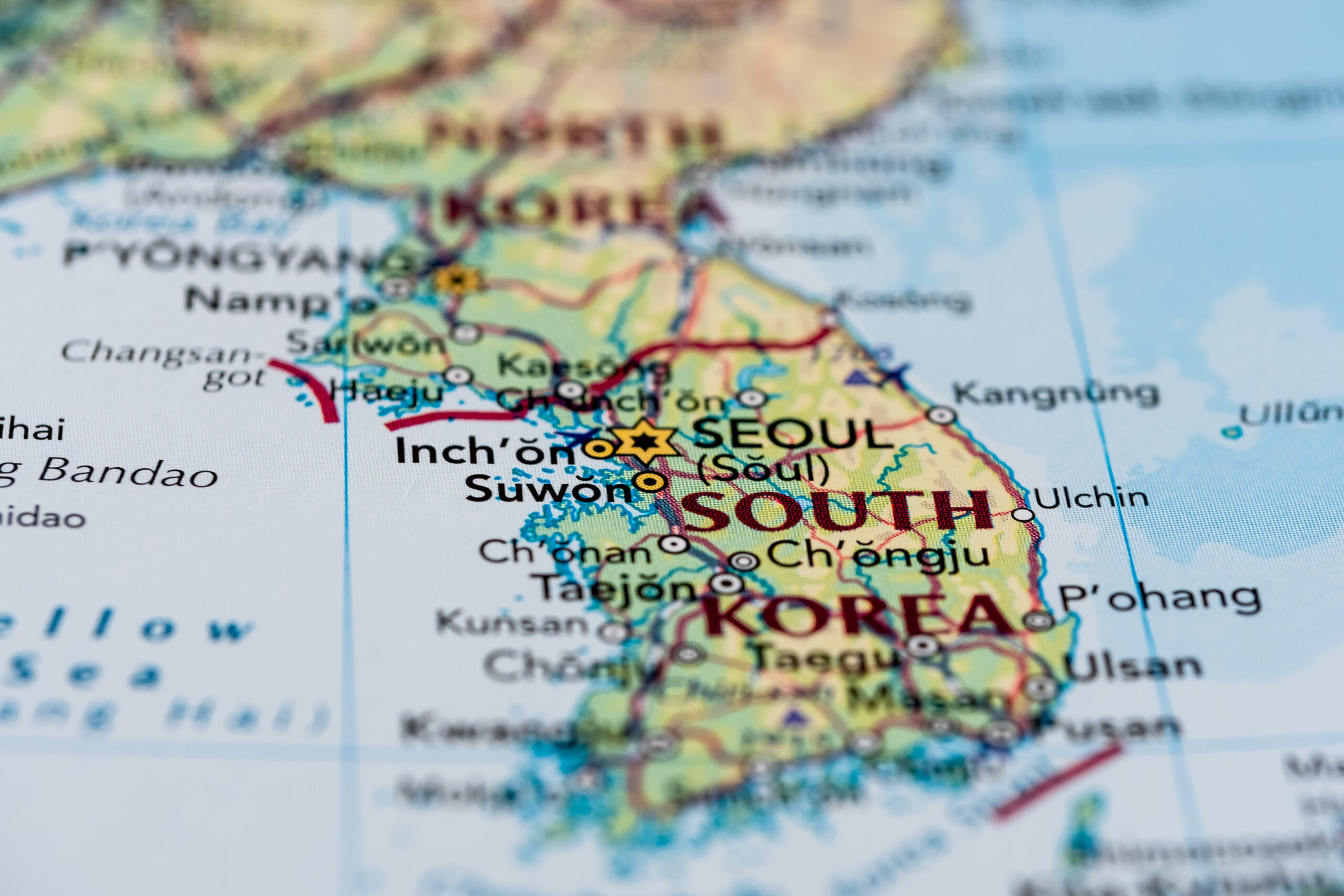
Historically, the Korean Peninsula has acted as a pivot over which continental and maritime powers vie for control and influence.

Difficult economic reforms are needed for North Korea to stabilize its currency.

Unfortunately, one of the unfinished agenda items for Congress is reauthorizing the North Korean Human Rights Act.
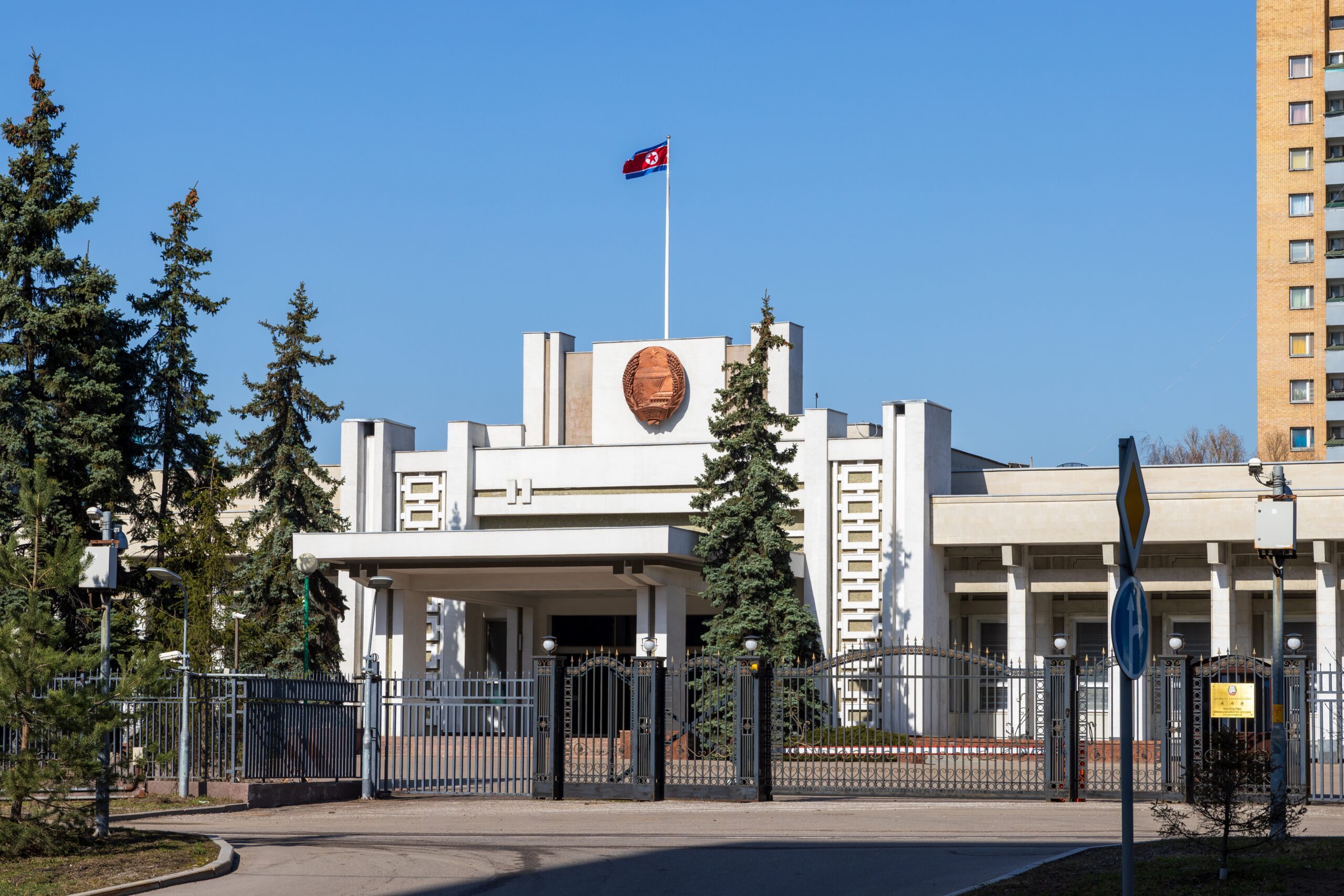
The few North Korean government officials who have managed to defect are generally officials working abroad on diplomatic assignments.
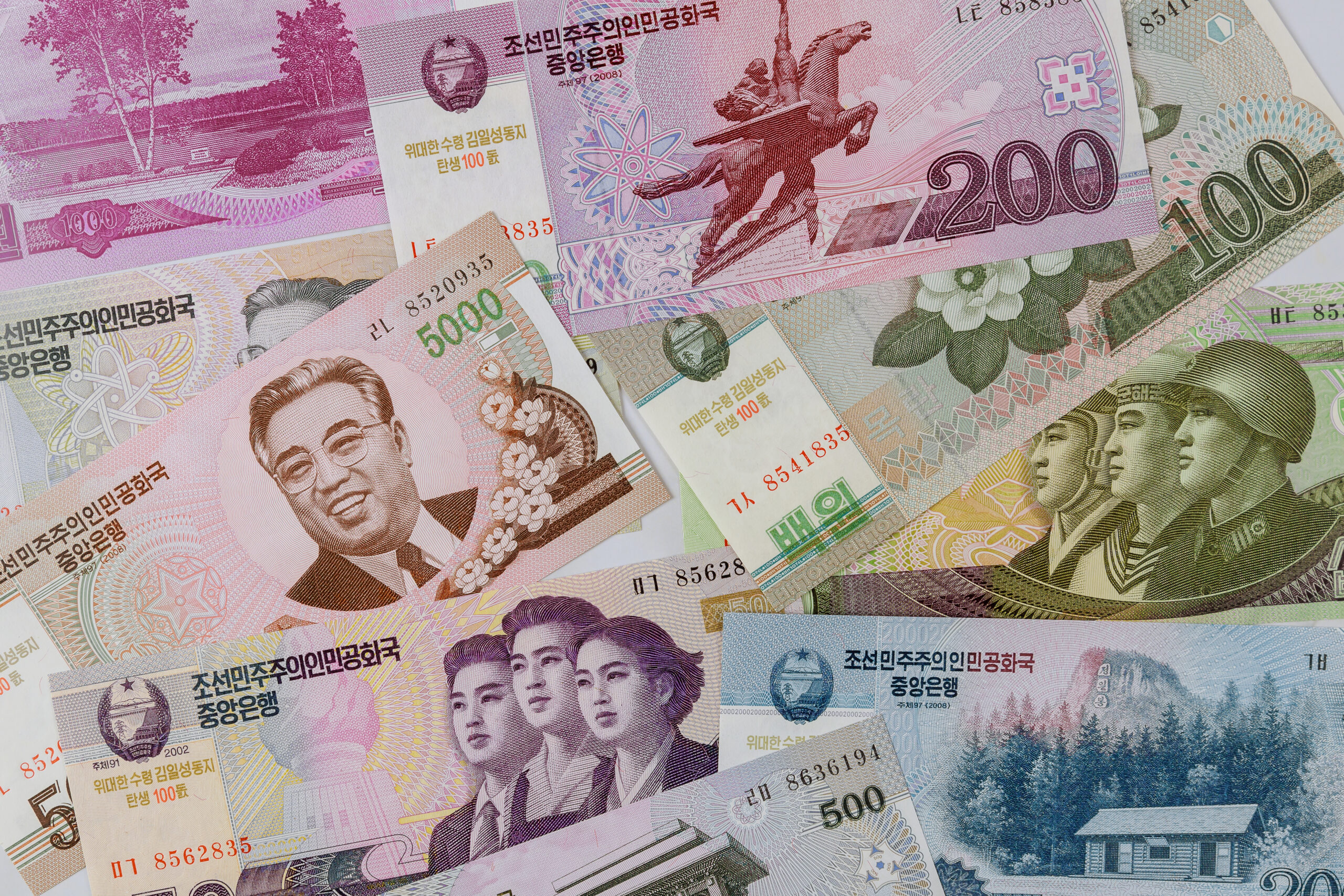
The North Korean won has fallen, which suggests inflation is on the way in North Korea, and marketplace panic could follow.

The MZ Generation’s preferences and perceptions will have considerable influence over South Korea’s policies on unification.
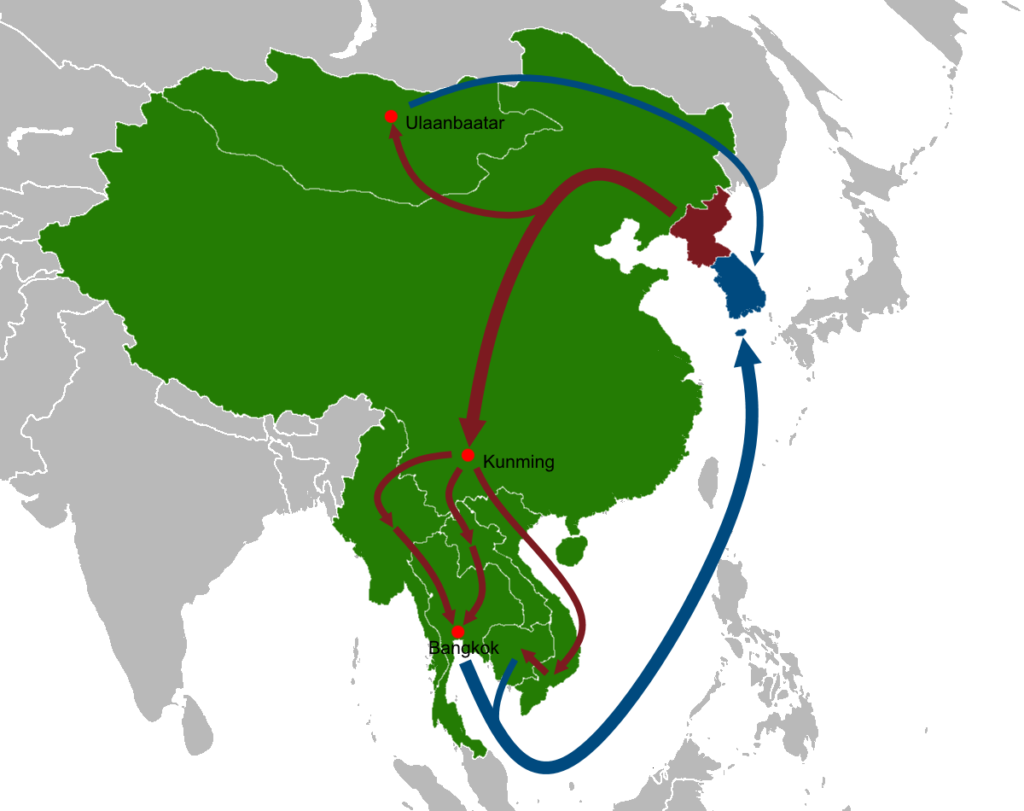
While defections have decreased, defectors have been elevated within South Korea by an administration intent on emphasizing human rights.
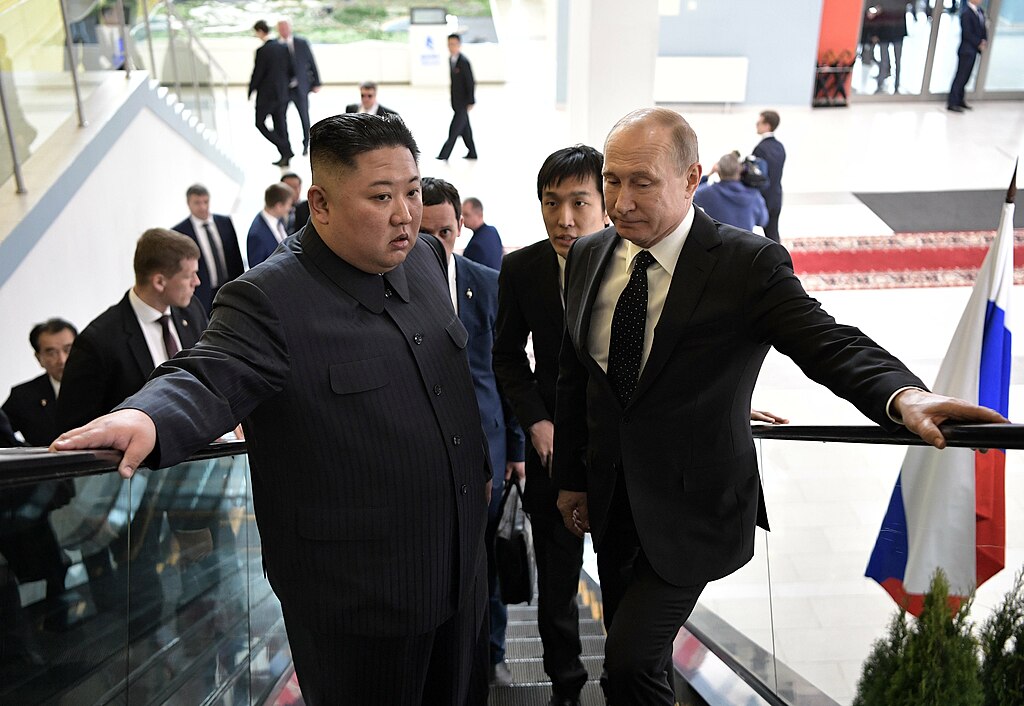
South Korea should adopt a calibrated response based on how cooperation between North Korea-Russia develops under the new treaty.
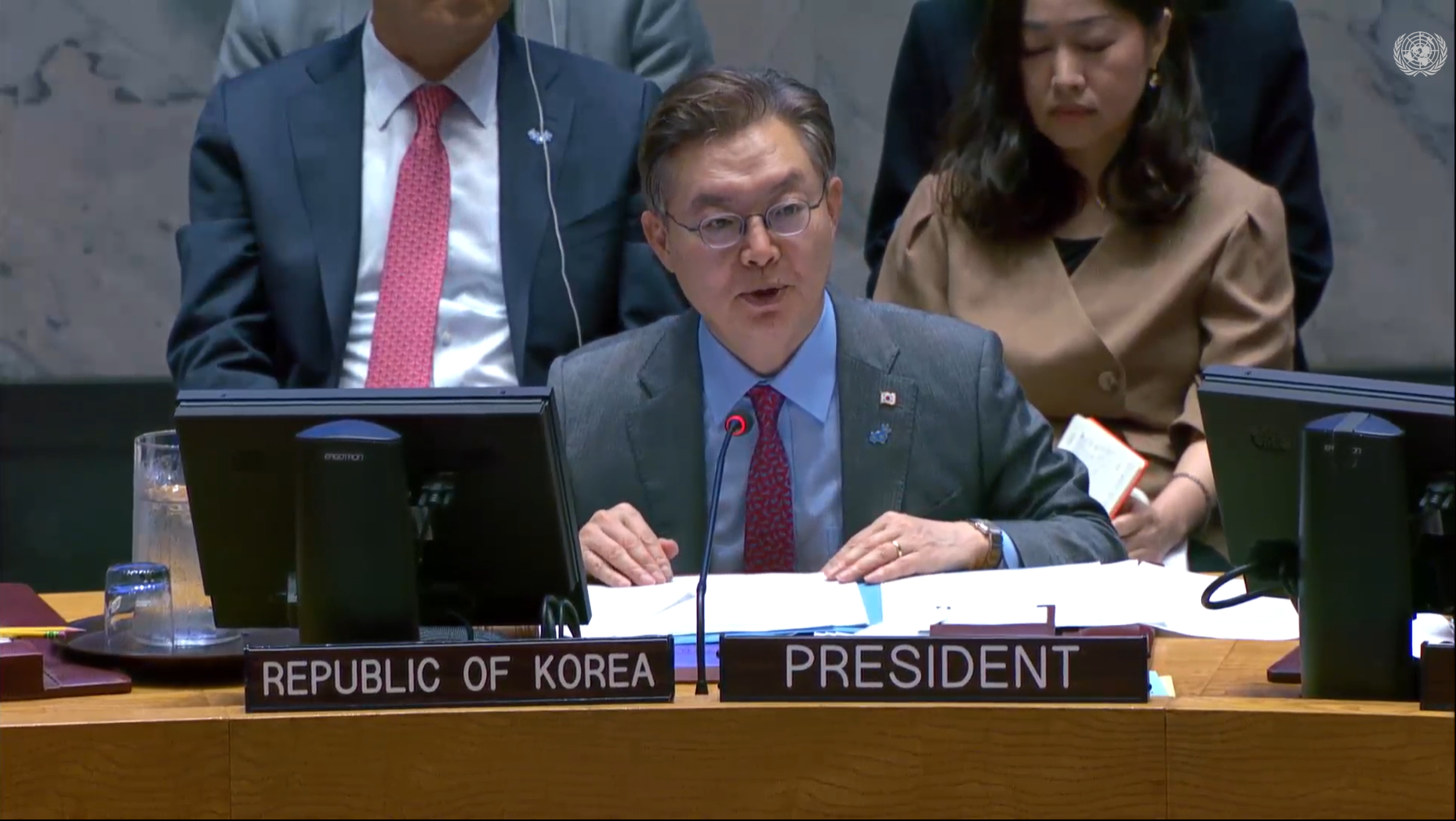
The roles of North and South Korea at the UNSC meeting highlight the stark differences between the two Korean states at the United Nations.
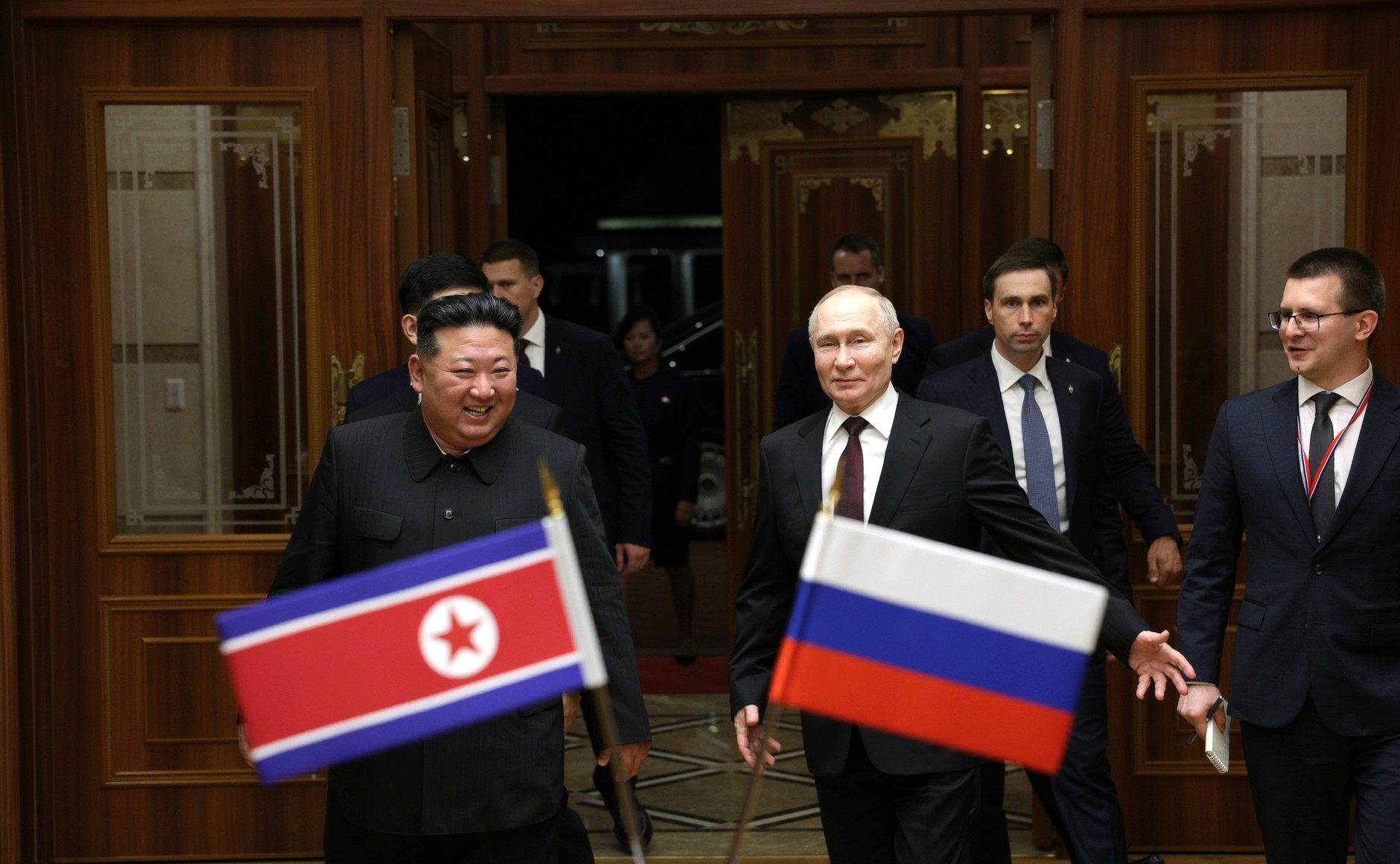
Putin’s decision to sign a comprehensive mutual defense pact with North Korean leader Kim Jong Un may ultimately be an own-goal.