The Enduring Consequences of South Korea’s National Security Law
At the end of July, the Yoon government announced its intention to relax South Korea’s prohibition on North Korea media.


At the end of July, the Yoon government announced its intention to relax South Korea’s prohibition on North Korea media.

YouTube provides a vehicle for South Korea’s hyper-nationalist movement and demonstrates society’s vulnerability to misinformation.
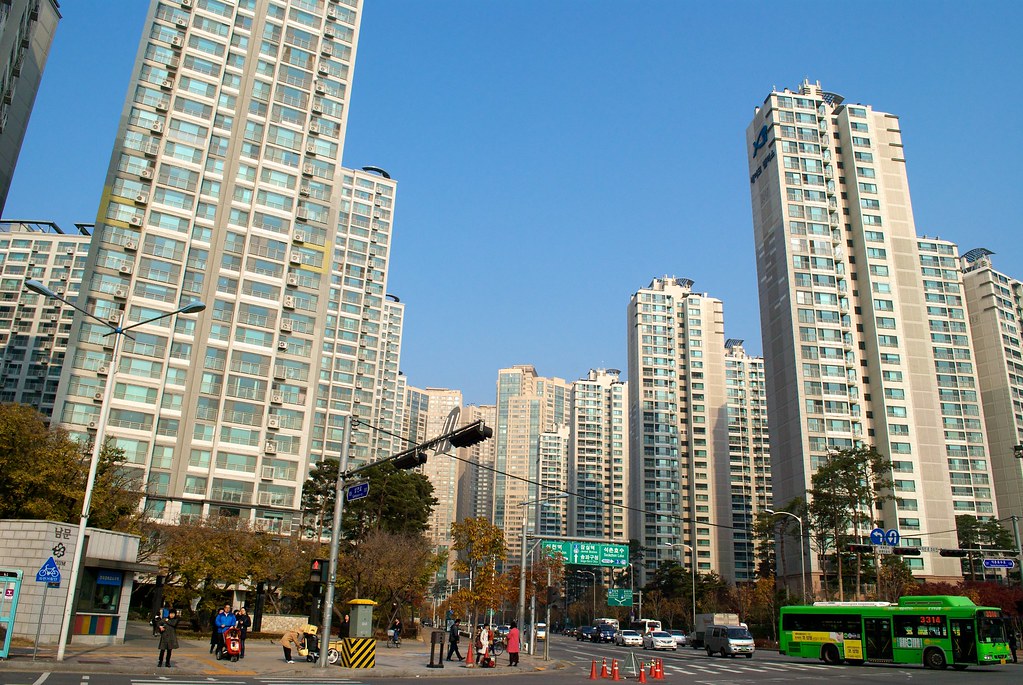
The government’s focus on attracting media cooperation reveals the administration’s belief that previous real estate policies had been scuttled by bad publicity.

A delegation of top Russian media representatives visited Pyongyang where TASS, the largest Russian news agency and KCNA signed a new cooperation agreement.

Many partisan internet users are engaging in an arms race to manipulate search tools rather than engaging in substantive policy discussions.

Kim’s statement on the need for a “telling blow” may reveal that sanctions are having an effect on North Korea.
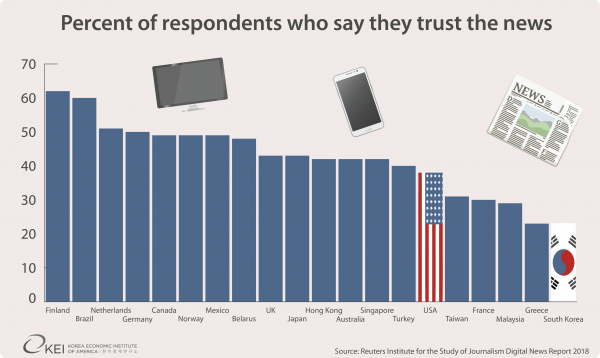
Americans have been grappling recently over media trustworthiness. But when it comes to distrust in the news, the U.S. has nothing on South Korea.
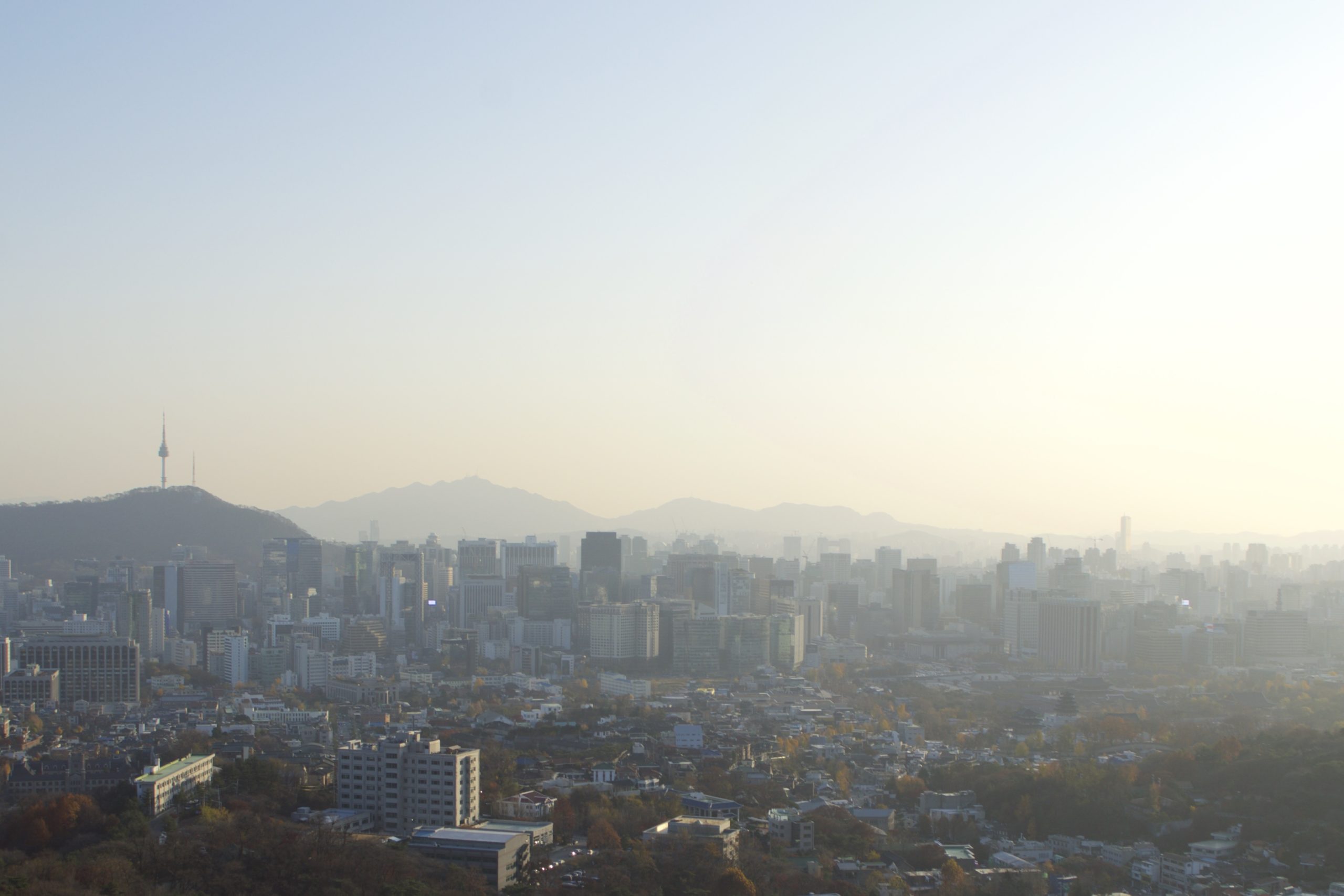
Dangerously high levels of particulate matter in the air prompted emergency measures from the Seoul city government this week.
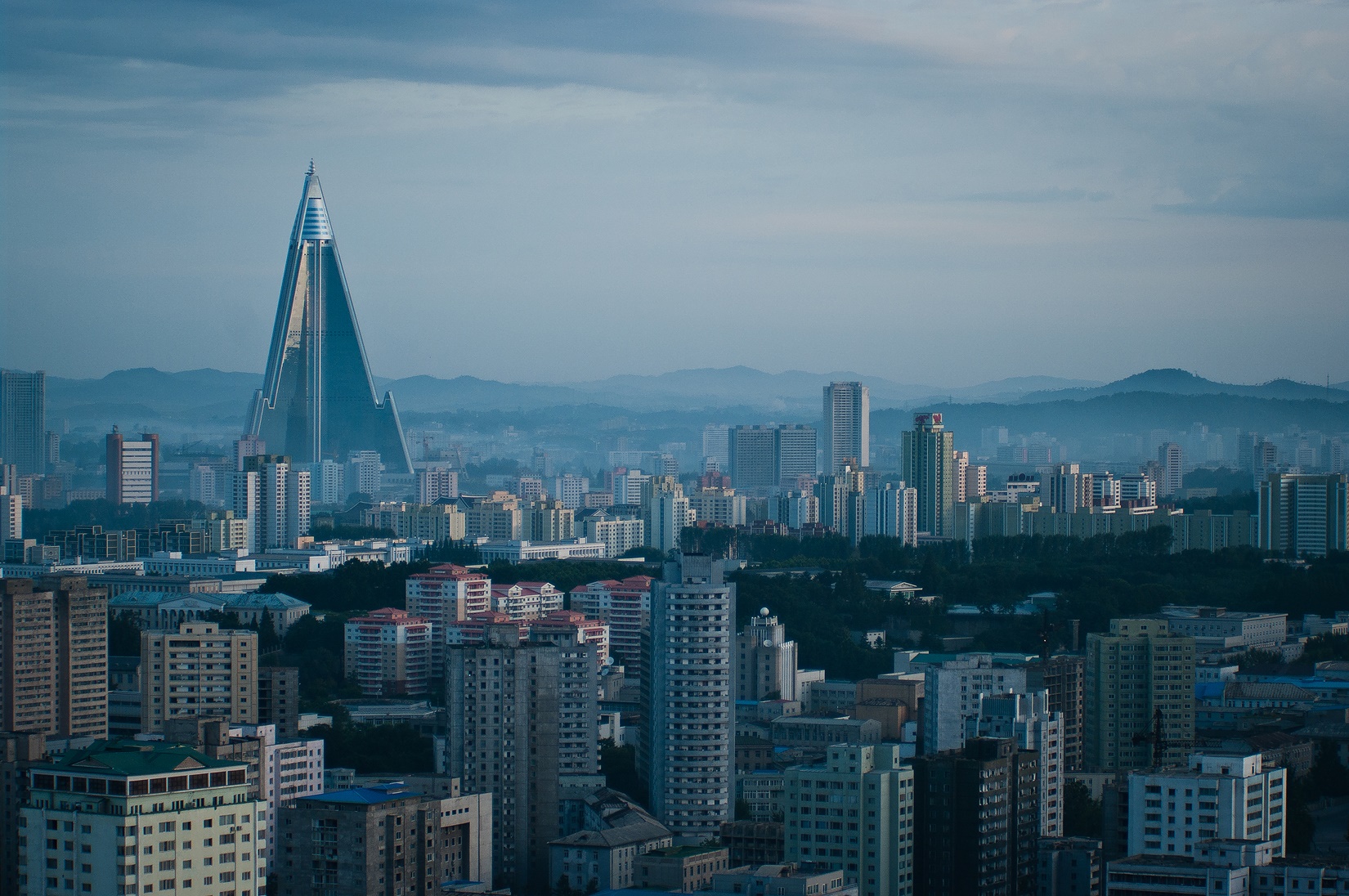
The beginning of radio broadcasts in Korea by the BBC is a welcome addition to the sources of news and information reaching North Korea.

The BBC may have just put the North Korean regime in a jam. As one of its 12 new language services, BBC Korea is now up and running.