Legislative Diplomacy Represents a New Frontier of US-South Korea-Japan Trilateral Cooperation
A stronger relationship between the US, Korean, and Japanese legislatures will ensure that this critical framework survives and prospers.

A stronger relationship between the US, Korean, and Japanese legislatures will ensure that this critical framework survives and prospers.
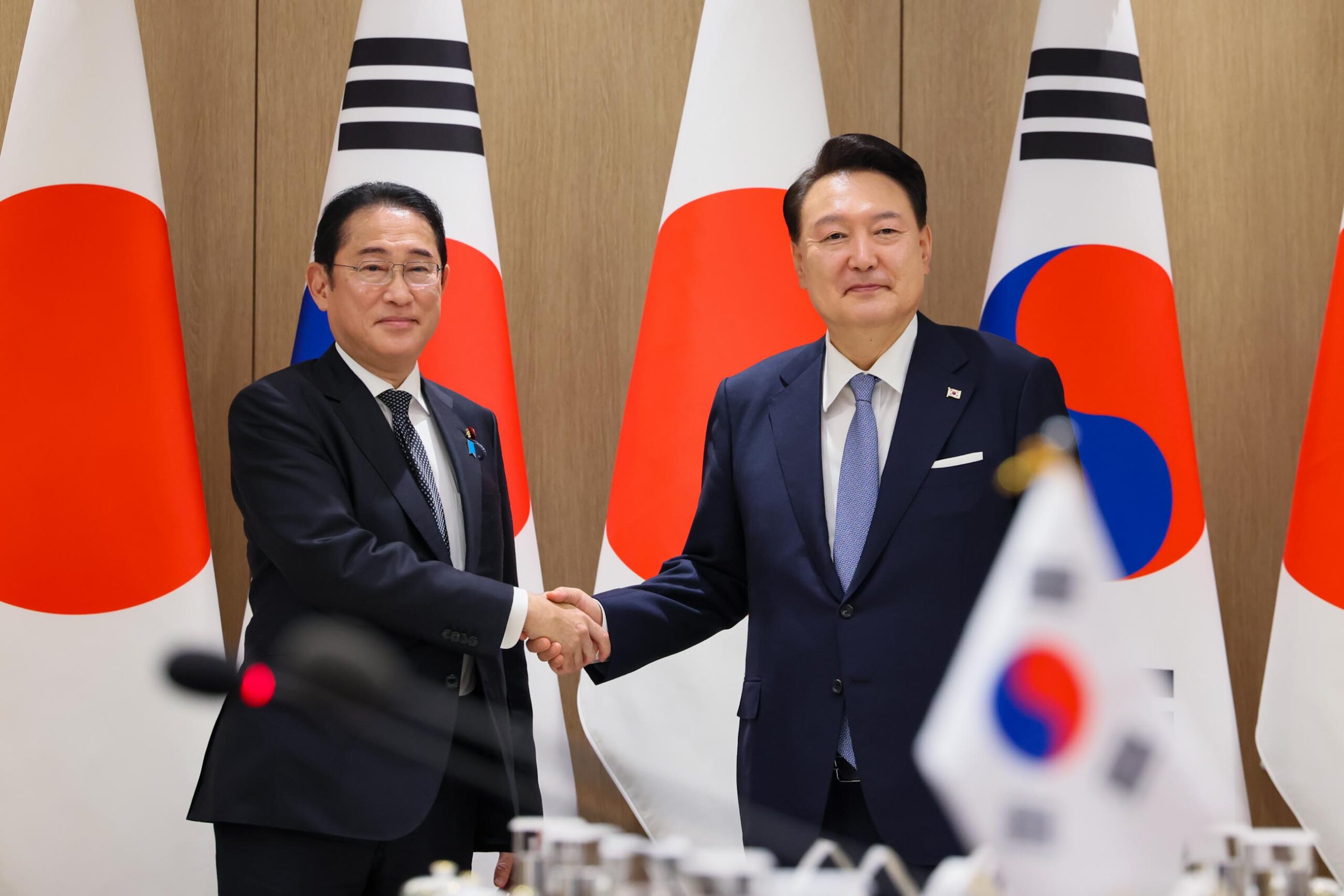
Amid Japanese Prime Minister Kishida Fumio’s decision to not run for re-election, the sustainability of improved Korea-Japan relations and the future of bilateral ties is uncertain.
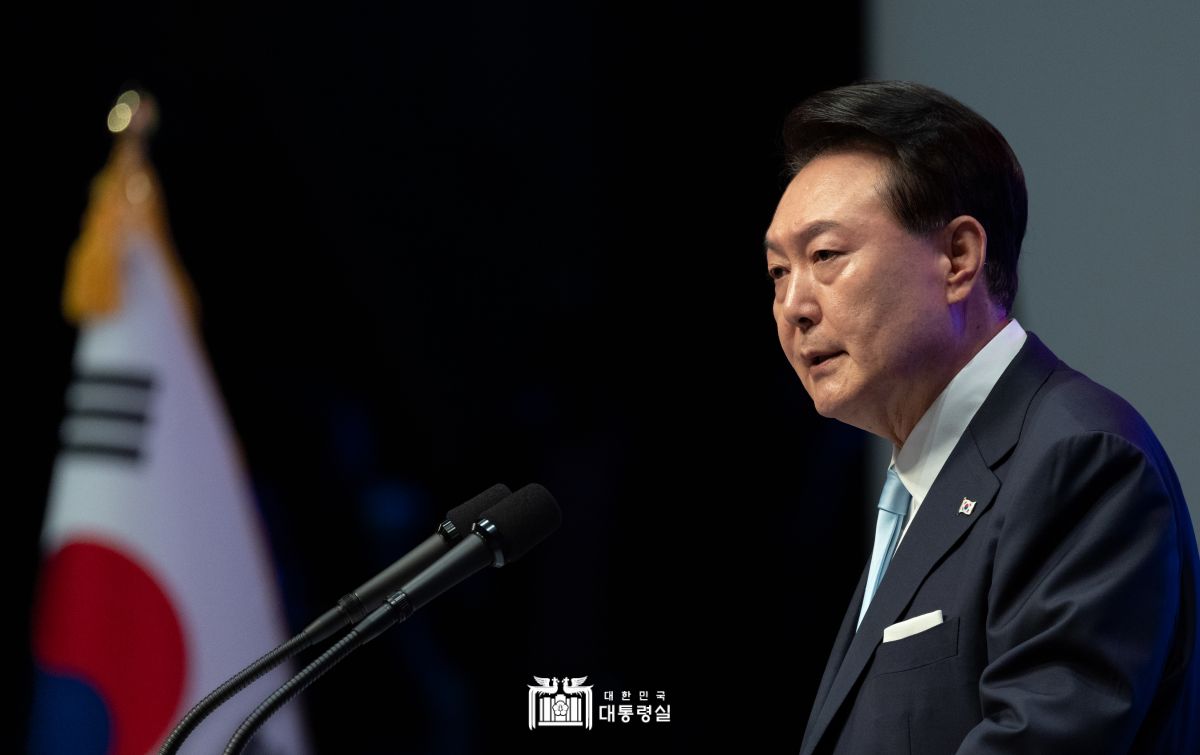
South Korean President Yoon Suk-yeol offered a dramatically different vision of Korean unification in his Liberation Day speech on August 15.

A troubling question remains whether the historical past of Japan’s colonial rule over Korea will again roil relations.
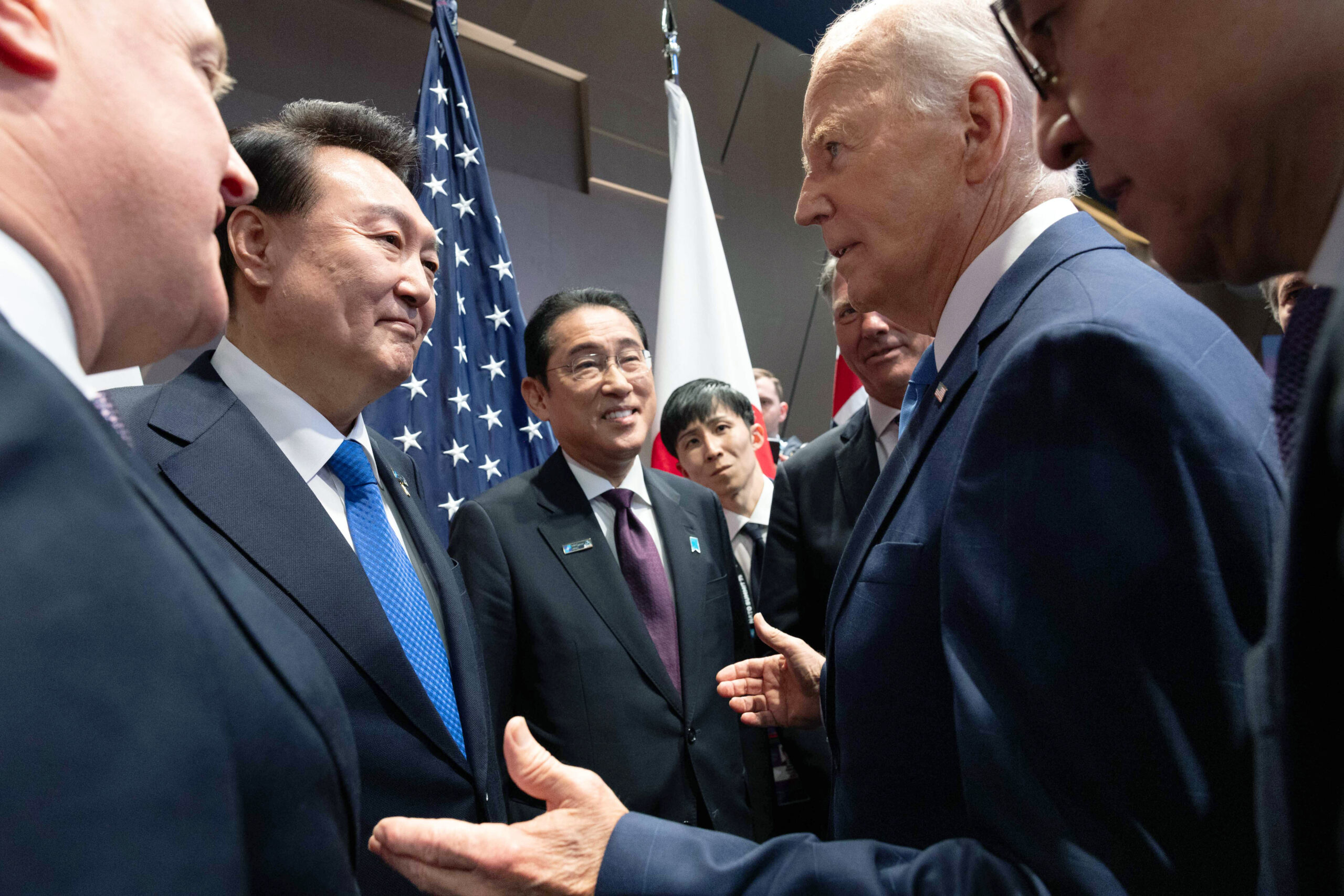
While political leaders should be proud of trilateral progress, lingering historical resentments means the Korea-Japan leg remains tenuous.
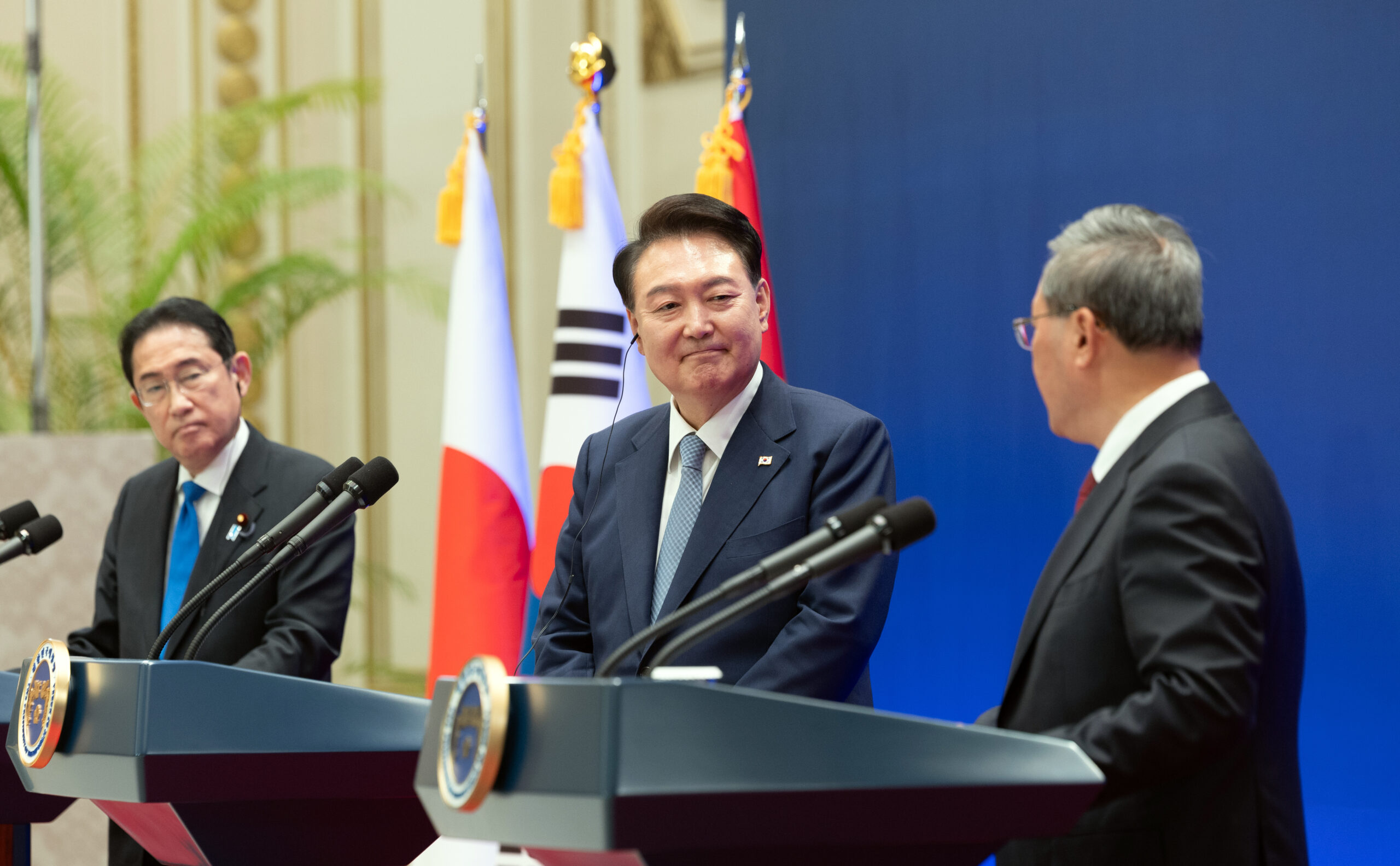
The section of the trilateral joint statement focusing on North Korea underlines the distance between Seoul, Tokyo, and Beijing.
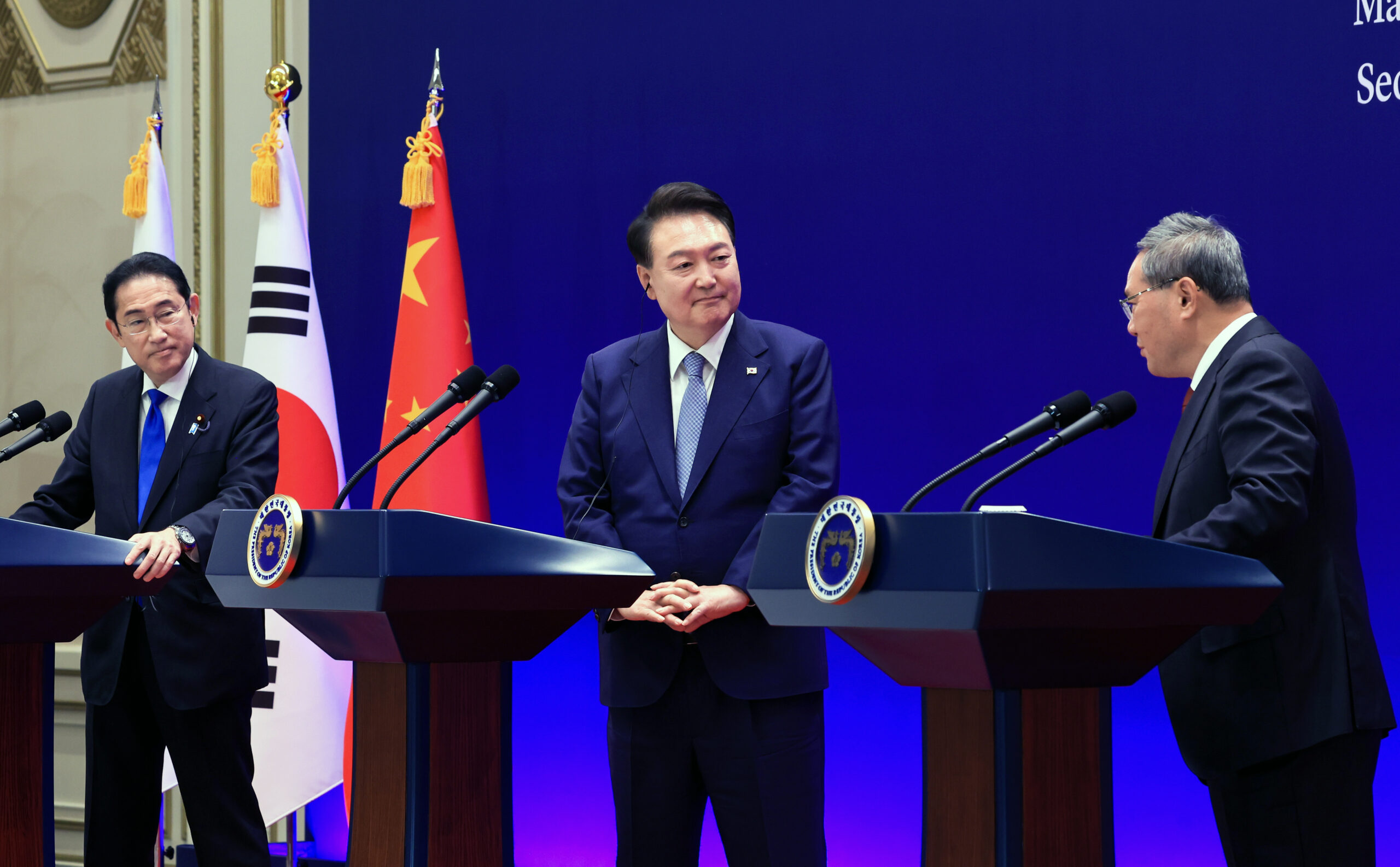
Amidst a shifting global economic order, the meeting brought a new sense of dynamism to economic cooperation among the three countries.

International rules can help sort out disagreements on protectionism and security, and avoid a spiral of accusations and retaliation.
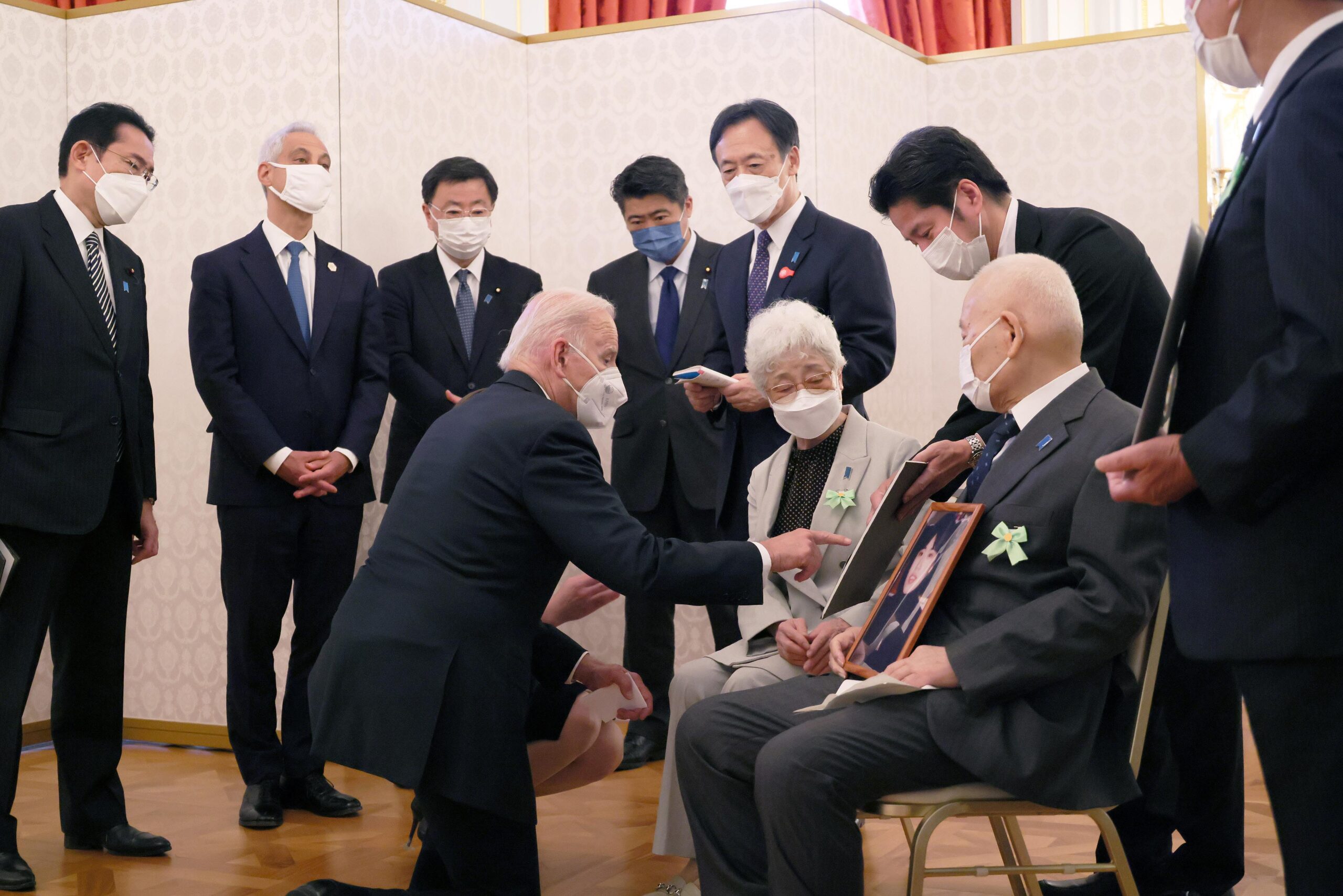
The blatant abduction of Japanese citizens by North Korea around 40 years ago continues to be a sensitive and controversial issue.
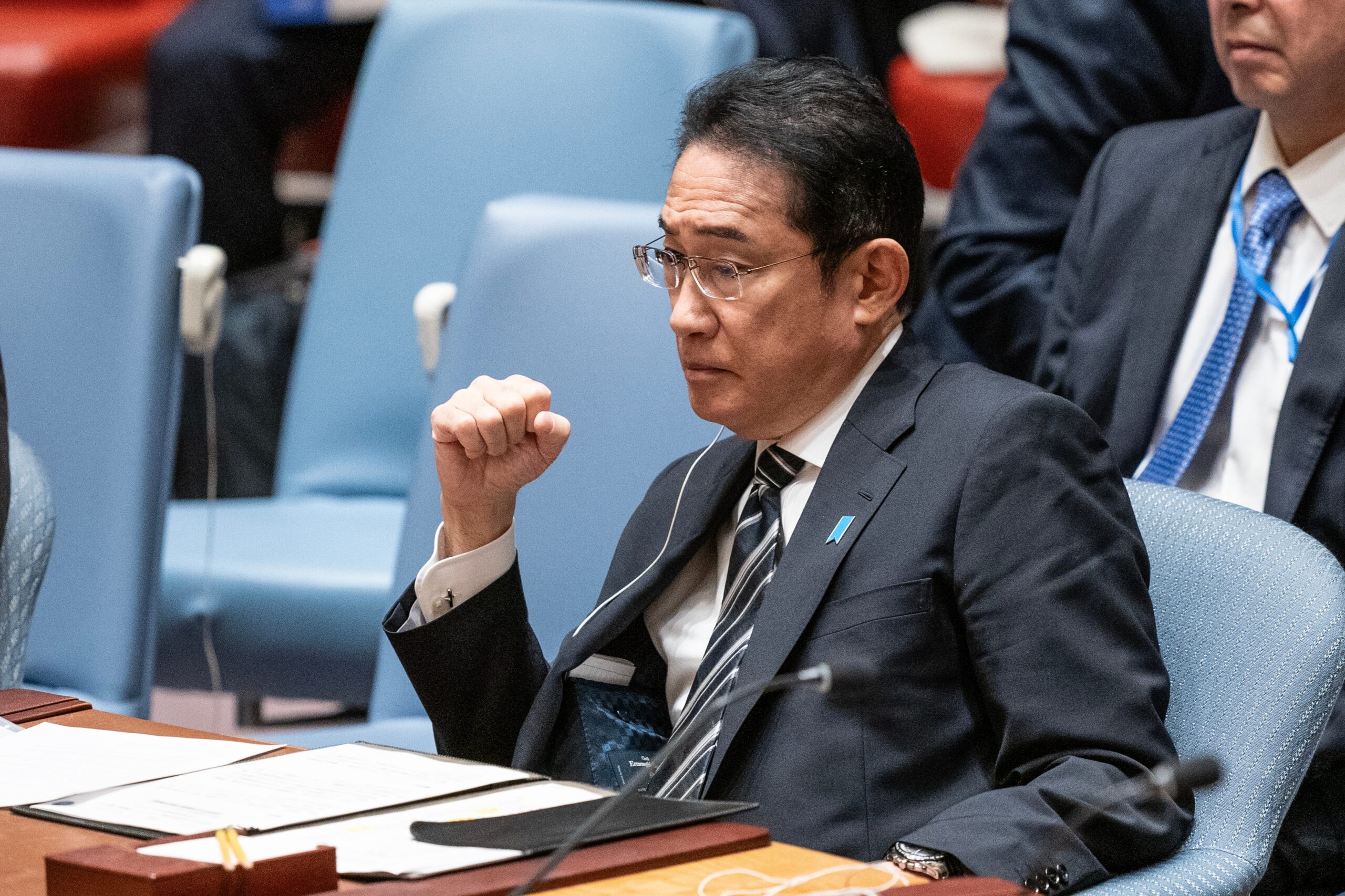
Diplomacy with Pyongyang should be welcomed, but it is difficult to foresee how Japan can realize actual negotiations with North Korea.