What Japan’s 2026 Defense White Paper Says About South Korea
Japan will rewrite three core security documents before the end of the year, and its 2026 defense white paper, released August 4, is the last…

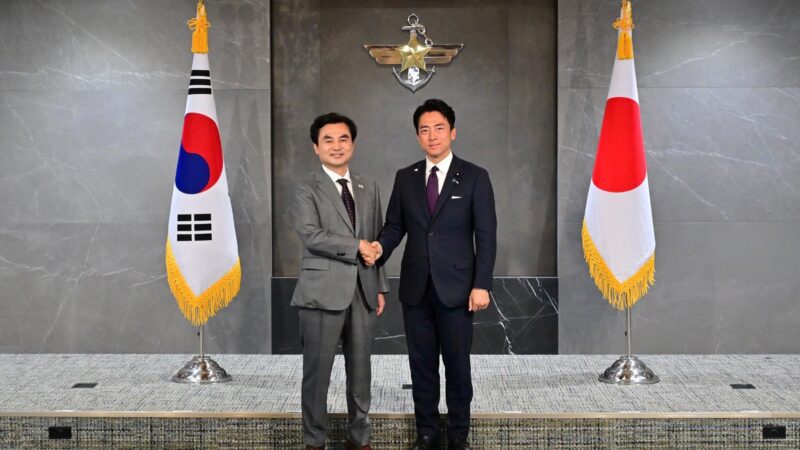
Japan will rewrite three core security documents before the end of the year, and its 2026 defense white paper, released August 4, is the last…
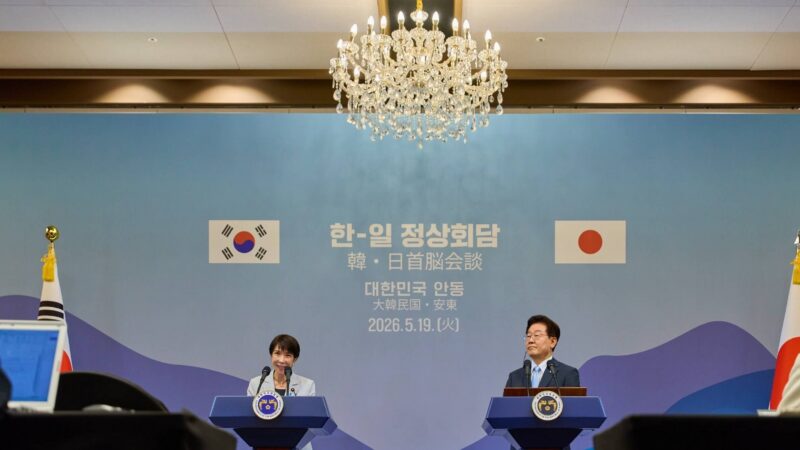
The August 2023 U.S.-South Korea-Japan trilateral summit at Camp David provided powerful impetus for Seoul and Tokyo to restore warm ties, an undertaking initiated by…
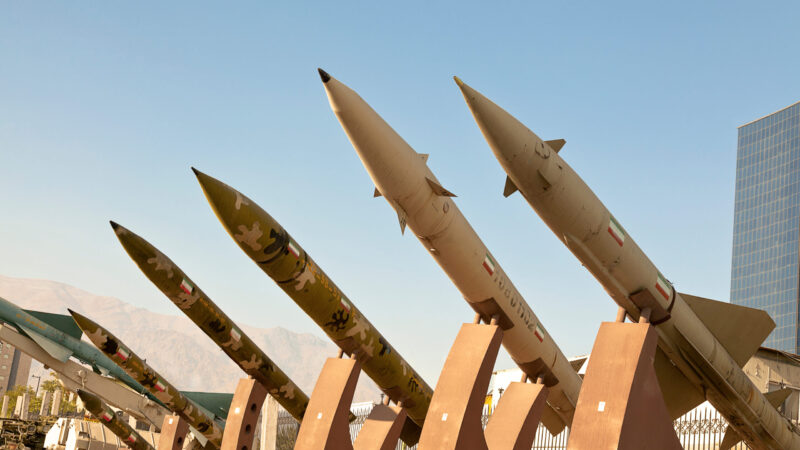
Iran’s failure to achieve nuclear latency has significant implications for South Korea and Japan’s thinking on their own nuclear strategy.
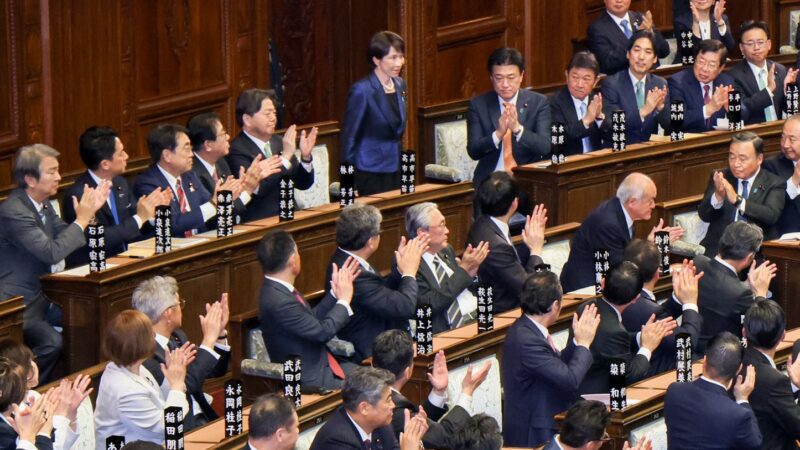
Japanese Prime Minister Sanae Takaichi’s victory in the lower house elections poses both opportunities and risks for the Korea-Japan relationship.

The leading candidate’s attempts to moderate his position suggest Japan may not be as controversial in domestic politics as it has been.
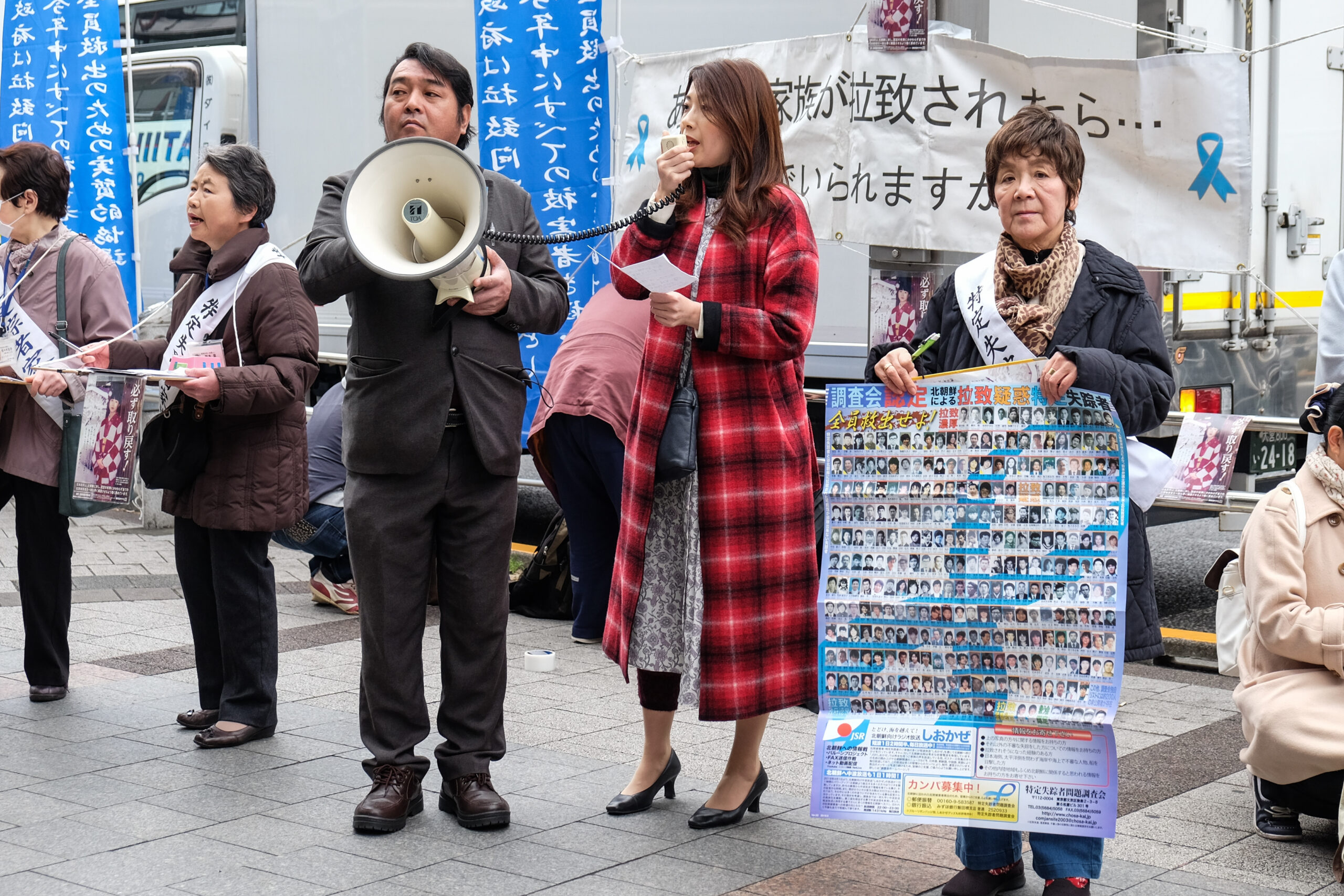
All indications are the abduction issue will continue to define Japan-North Korea relations for at least the rest of this decade.

Japanese observers have become increasingly apprehensive of deepening division within Korea, with growing worries about an absence of order.
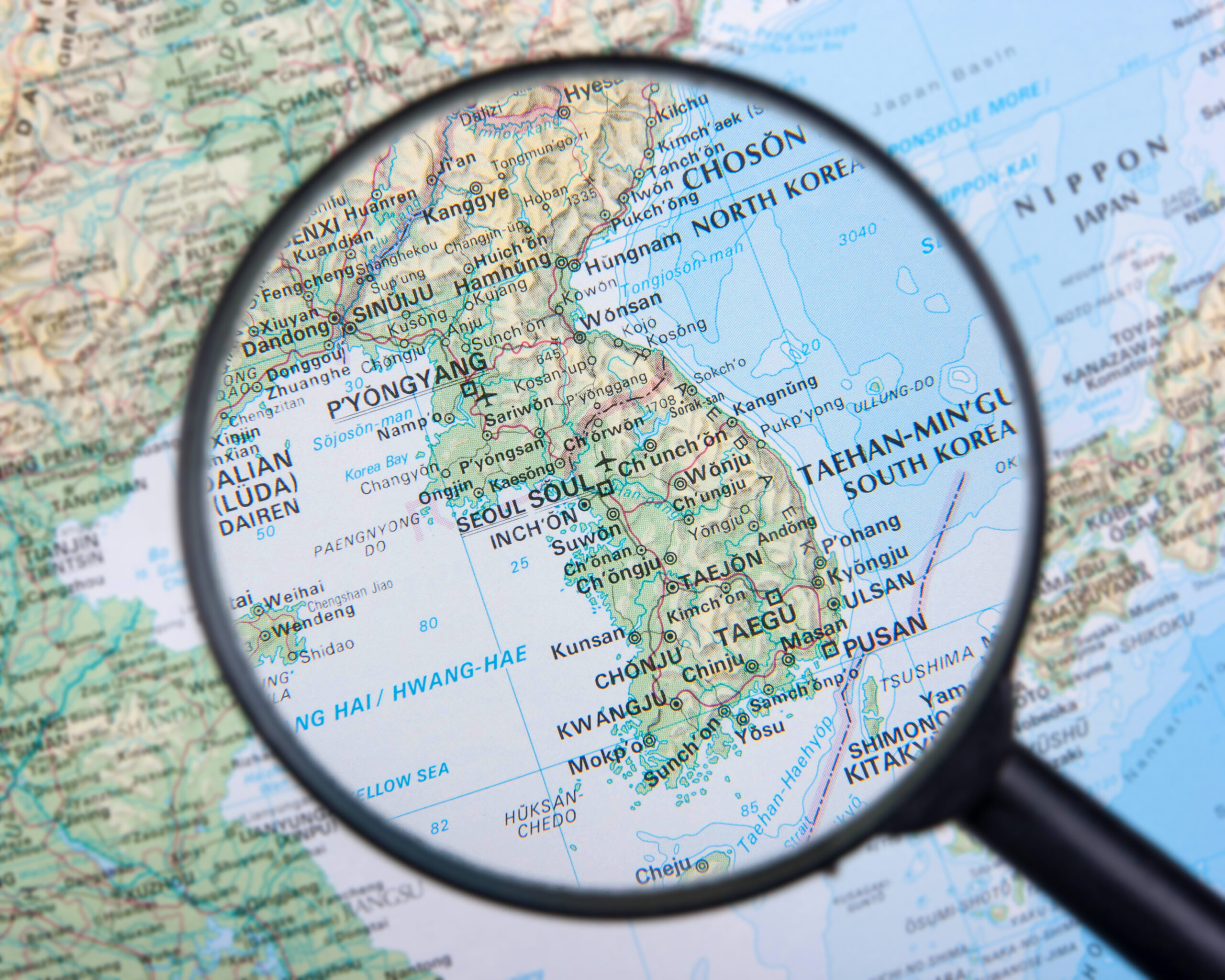
The year 2024 ended with South Korean President Yoon Suk Yeol’s declaration of martial law, his impeachment by the National Assembly, and the ensuing political turmoil and uncertainty. While 2025 will be largely defined by South Korean efforts to regain normalcy and stability in its domestic and global affairs, as well as the inauguration of the Donald Trump administration, other key issues will define and impact the Korean Peninsula this year.
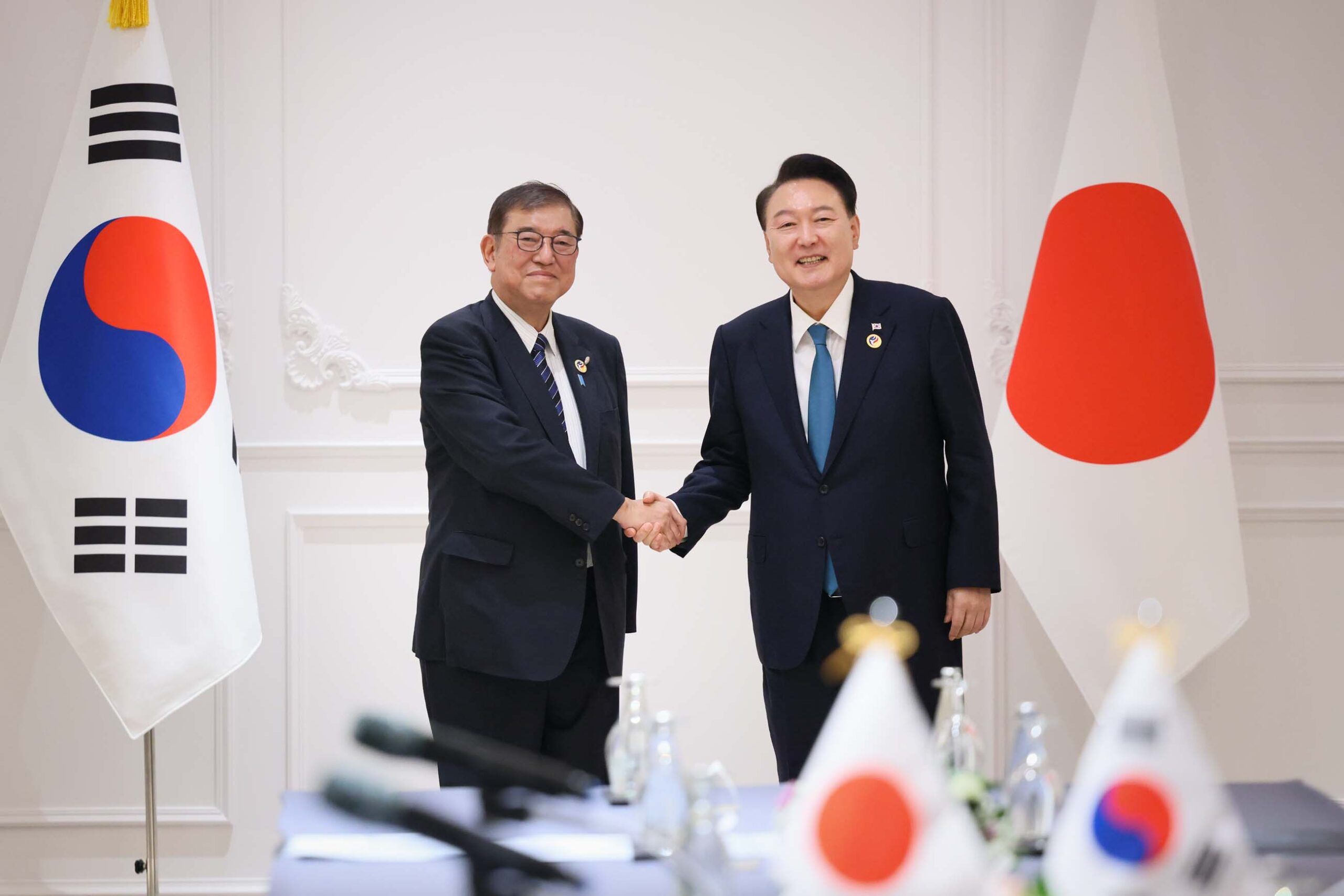
Whether under a formal alliance such as an Asian NATO or a bolstered bilateral partnership, South Korea and Japan should strengthen security cooperation to prepare for potential contingencies.
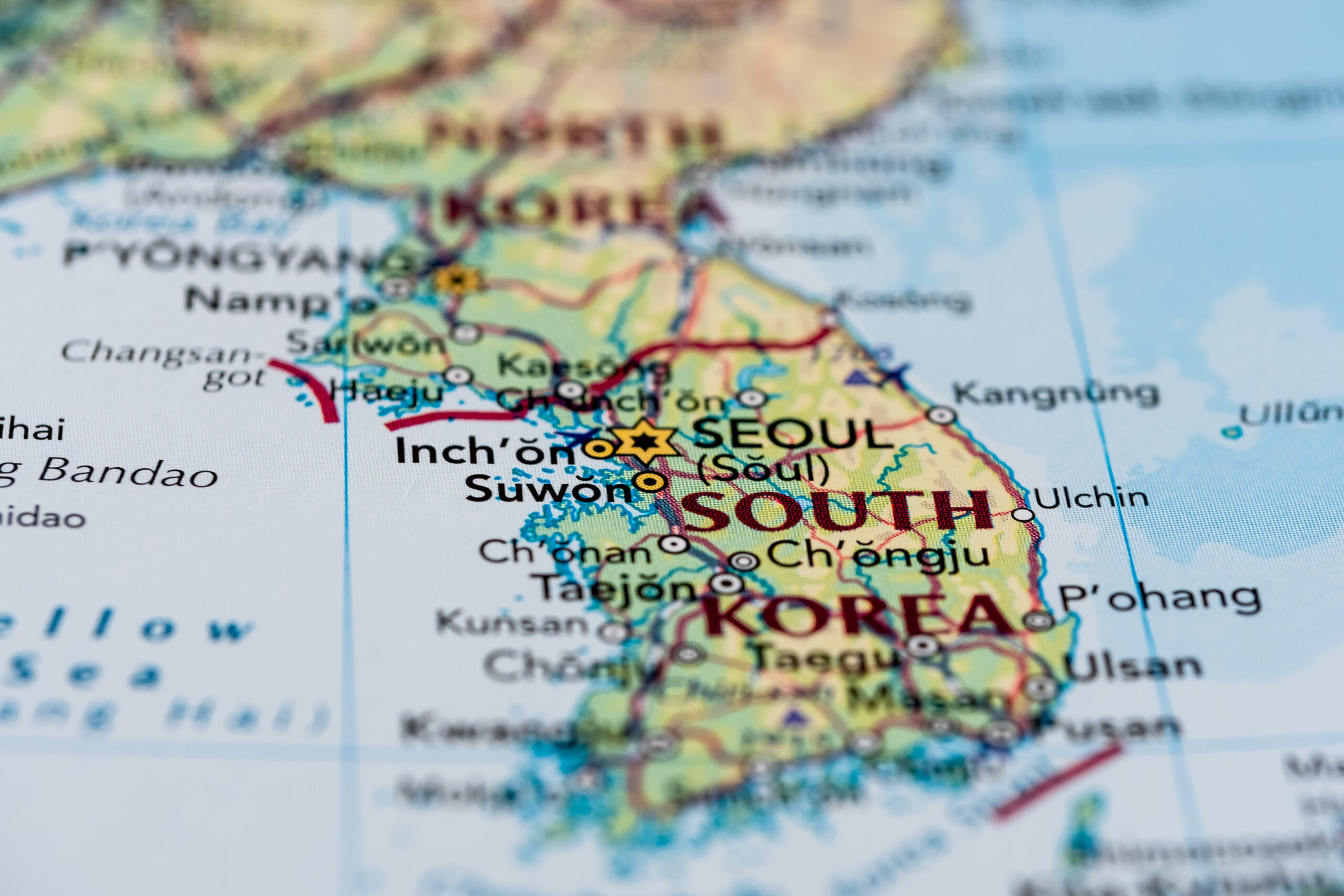
Historically, the Korean Peninsula has acted as a pivot over which continental and maritime powers vie for control and influence.