The KORUS FTA and the Creative Industries
Enhanced bilateral trade and investment under the KORUS FTA has positively impacted the U.S. copyright industries in several ways.


Enhanced bilateral trade and investment under the KORUS FTA has positively impacted the U.S. copyright industries in several ways.

In fact, NAFTA, and trade deals like KORUS FTA – the United States-Korea Free Trade Agreement – are keeping our farms and rural communities not just afloat, but at the forefront and rapidly growing.
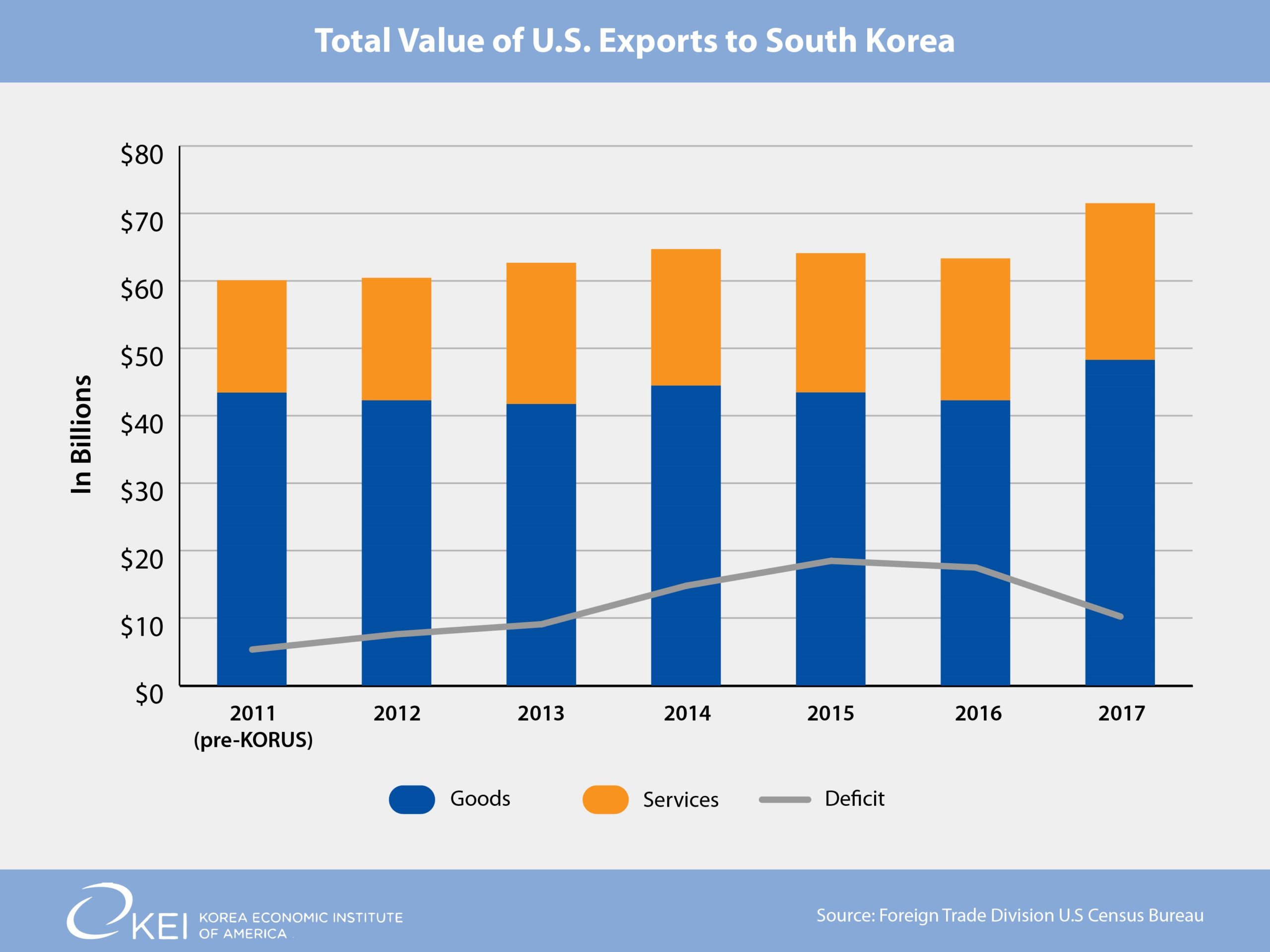
The U.S. trade deficit with Korea in goods and services declined by $7.3 billion in 2017 on a record $23.2 billion in U.S. services exports to Korea.
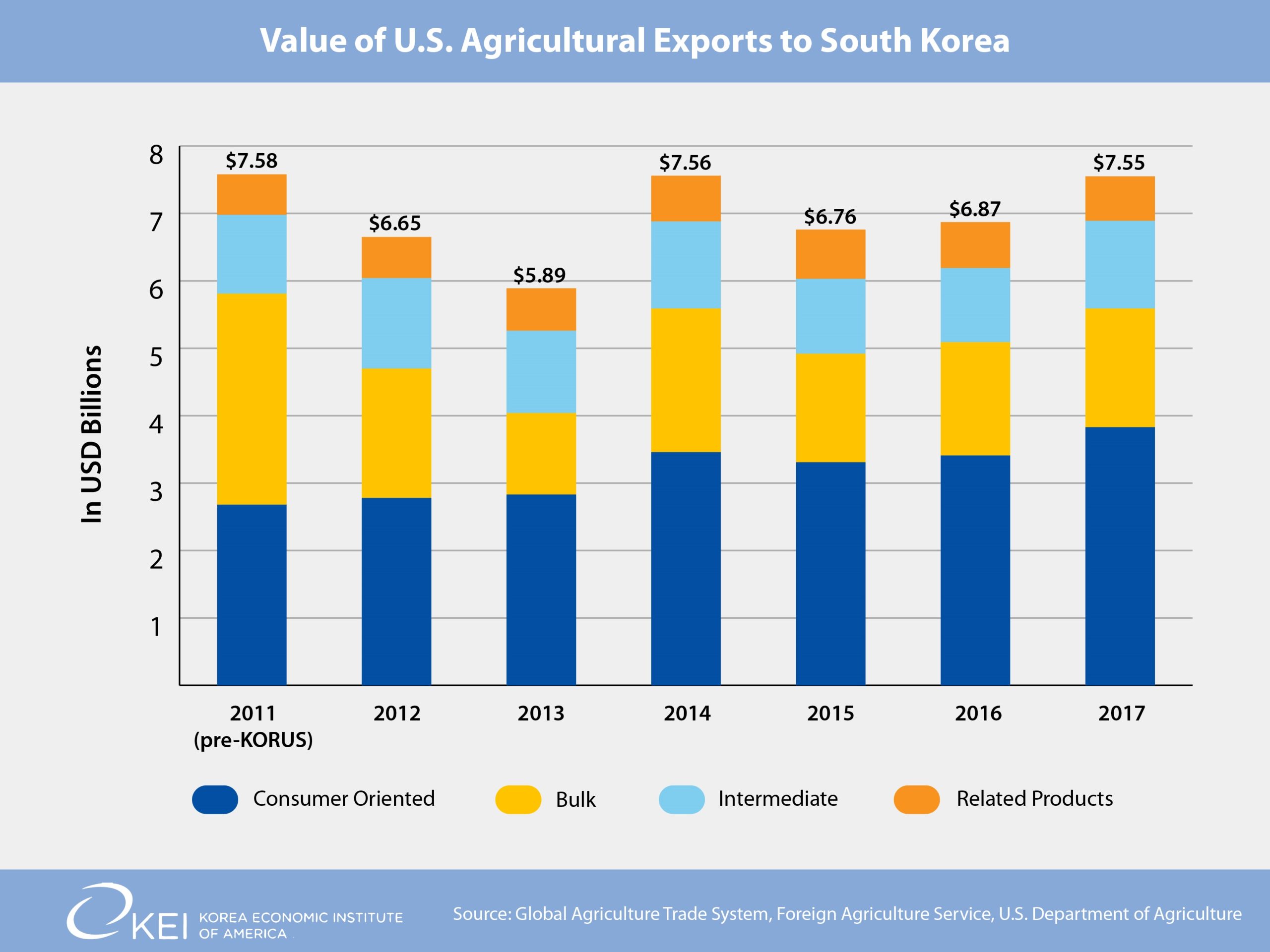
In 2017, the U.S. ran a massive agricultural trade surplus with Korea of $6.3 billion. It generated nearly $9.6 billion in additional economic activity.
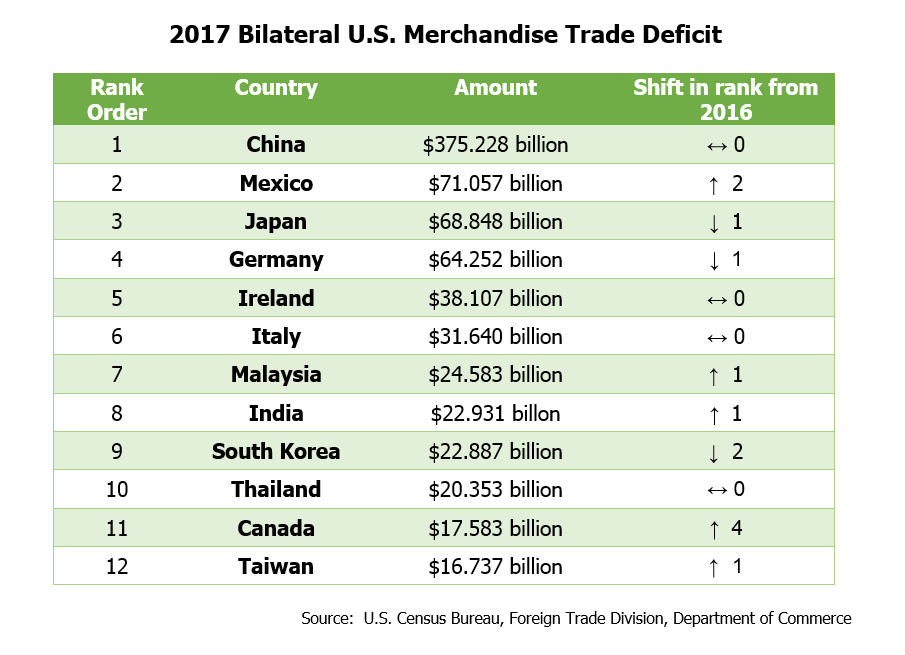
The U.S. set a new record of $48.3 billion in exports of manufactured and agricultural goods to the Republic of Korea in 2017.
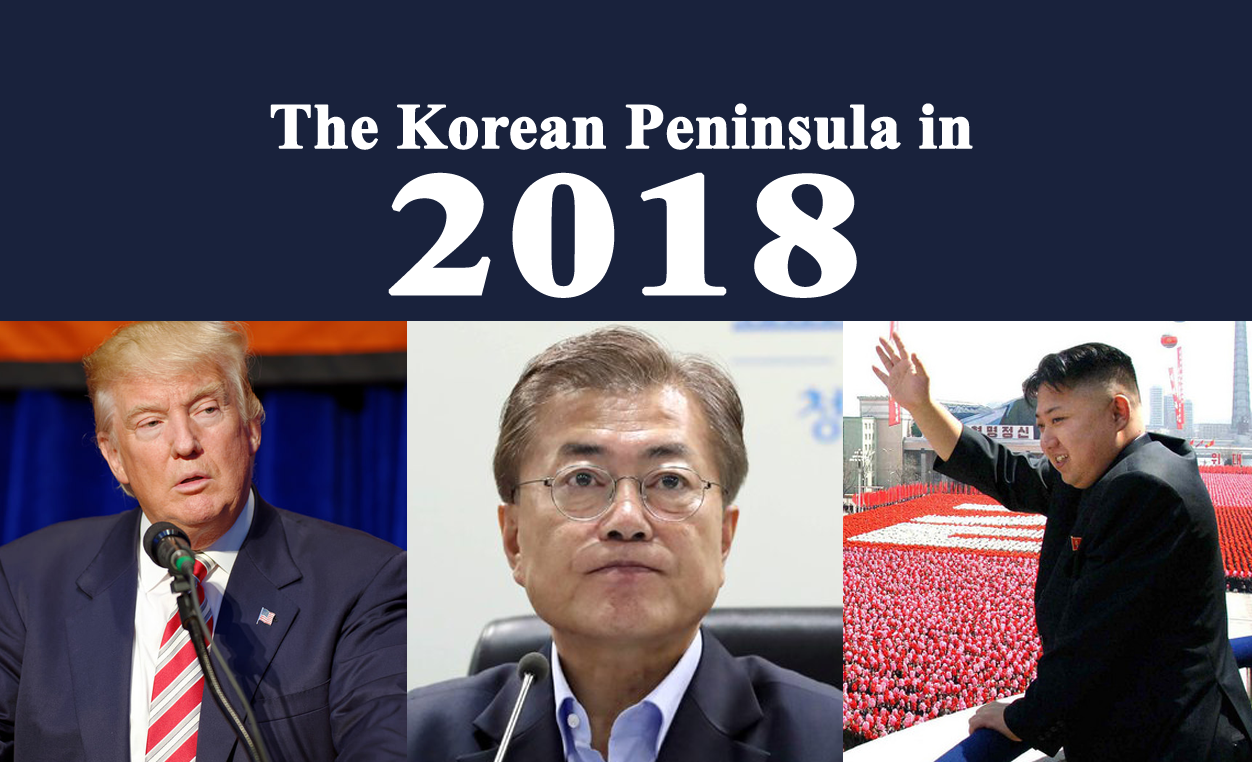
As we look ahead to what might occur in 2018 we should also consider how key events from 2017 will continue to shape the year ahead.

In 2017, attention turned to the Korean Peninsula as South Korea removed Park Geun-hye from office and North Korea advanced its weapons programs.

If present trends continue for the final two months of 2017, the U.S. will set a record level of merchandise exports to Korea, reaching nearly $48 billion.

Less than a decade ago, the subject of U.S. beef in Korea garnered fierce criticism. Today, Korea represents the second largest export market for U.S. beef.

If the digital trade section of the KORUS FTA is amended, Korea will likely need to open up its e-commerce industry to foreign competitors.